

 Pregledaj u prostoru
 Pošalji
 Podeli
 Detalji o delu

 Преузми
 Slični predmeti
 Rendgenski snimak
 Slajdovi
 Statistika
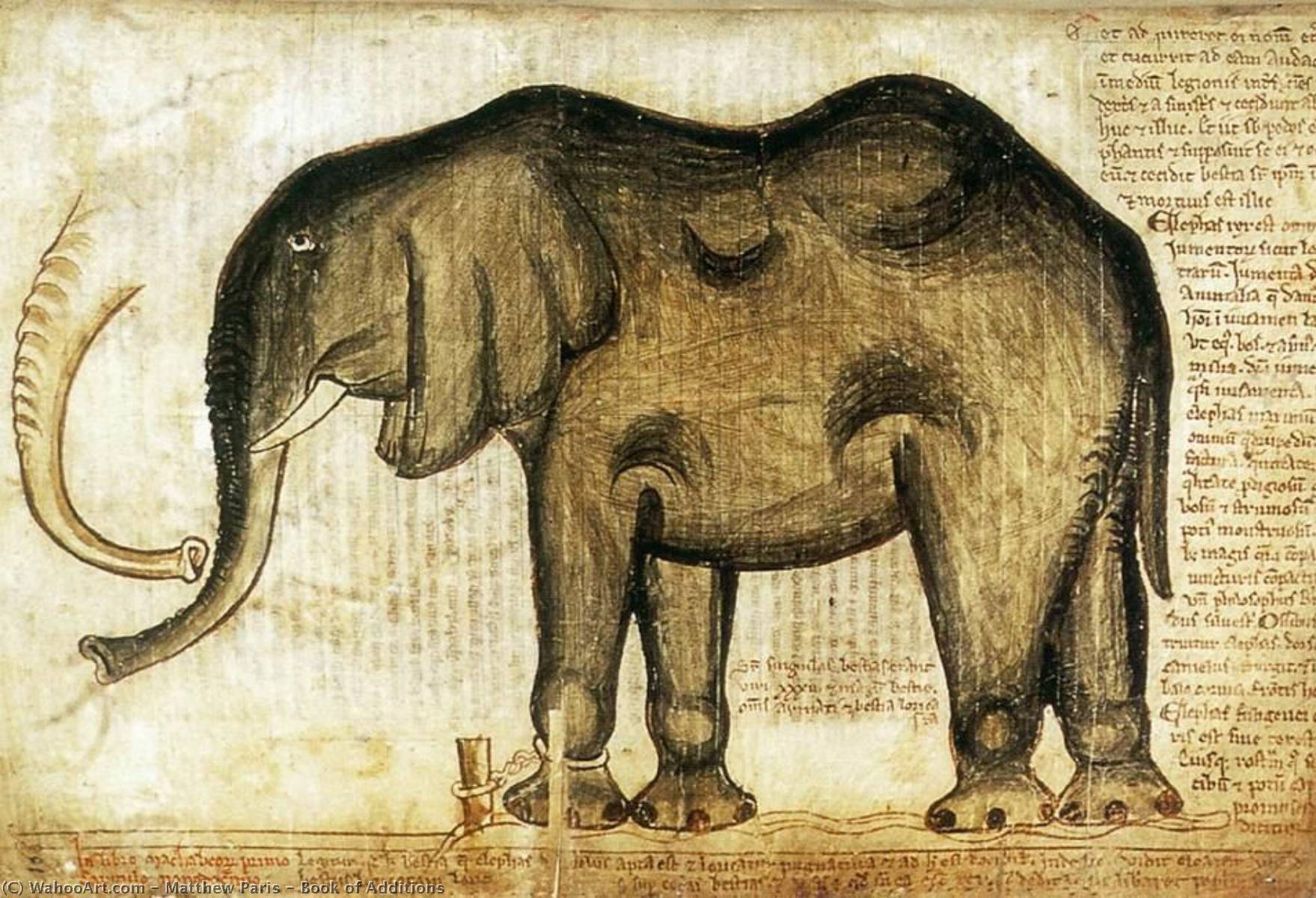
Book of Additions


 Pročitaj više
Ručno rađena uljana reprodukcija
Ručno oslikano uljanim bojama na platnu u dimenzijama i okviru po vašem izboru, izrađeno po porudžbini od strane naših umetnika. ( Pređi na štampu Pređi na digitalnu sliku)




































Izaberite jednu od naših unapred definisanih veličina koje odgovaraju originalnim proporcijama umetničkog dela.

Можете унети сопствене димензије како бисте прилагодили дело одређеном оквиру или простору. Ако одабрана величина не одговара пропорцијама оригинала, слика ће бити исечена или проширена додатним елементима који се ручно насликавају. Дигитални prikaz ће вам бити послат на одобрење пре почетка производње.
Имајте на уму да преглед на екрану не одражава стварно исецање или проширење. Само приказ (mockup) ће тачно приказати коначну композицију.
Иако су доступне прилагођене величине, препоручујемо да одаберете димензију из дефинисане листе како бисте сачували оригиналне пропорције.
Nakon narudžbine, tim ArtsDot.com će klijentu putem e-pošte poslati uputstva i dostaviti prikaz predloženog rešenja
Isporuka širom sveta () za 3/4 nedelje umesto uobičajenih 5 nedelja. (8 септембар). Bez kompromisa po pitanju kvaliteta.

Besplatna ekspresna dostava širom sveta

Visokokvalitetno laneno platno

Kompletno osiguranje transporta

Garancija povraćaja carine i uvoznih dažbina

Garancija vernosti boja

Politika povraćaja u roku od 100 dana (isključivo u slučaju nedostataka)

Garancija povrata novca od 100%

Popust pri grupnoj kupovini
 Opcija sa staklom dostupna je samo za dimenzije manje od 110 cm

Book of Additions
Tehnika reprodukcije
Dimenzije reprodukcije
-


Konačna cena
$ 263
Srodna umetnička dela


Biografija umetnika
The Illuminated Chronicler of St Albans
To step into the world of Matthew Paris is to traverse a threshold of eight centuries, entering a vibrant and meticulously documented era of thirteenth-century England. A Benedictine monk at the renowned St Albans Abbey, Paris was far more than a mere silent observer of history; he was its most vivid architect. Known in Latin as Matthæus Parisiensis, he occupied a unique position in the medieval landscape, blending the disciplined life of a monk with the expressive soul of an artist and the sharp eye of a historian. While the precise details of his early years remain shrouded in the mists of the Middle Ages, scholars believe he was born around 1200, perhaps hailing from a family of aristocratic connections that granted him the social standing necessary to navigate both monastic cloisters and royal courts.
His life’s work was defined by a profound sense of duty to the truth and an unparalleled talent for visual storytelling. In 1236, he inherited the monumental task of serving as the official recorder of events, succeeding his predecessor, Roger of Wendover. This responsibility led to the creation of the Chronica Majora, a cornerstone of medieval historiography. Through this work, Paris did not merely record dates and names; he breathed life into the political turbulence of his age. His writing was famously personal, often weaving his own opinions and eyewitness accounts—drawn from letters, records, and direct conversations with figures such as King Henry III—into a rich, narrative tapestry that transformed dry annals into a living history.
A Master of Pen and Parchment
Beyond the written word, Paris distinguished himself through a singular artistic technique that set him apart from his contemporaries. He was a master draftsman, specializing in what are often called "tinted drawings." Unlike the heavy, gilded illuminations common in many monastic scriptoria, Paris’s style frequently utilized delicate pen work paired with soft watercolor washes. This method allowed for a sense of fluidity and movement that captured the bustling energy of medieval life with remarkable clarity. His ability to render architectural grandeur—such as the imposing silhouettes of castles and the intricate textures of stone walls—alongside the human element of merchants and citizens, demonstrates a sophisticated understanding of composition and depth.
The artistry of Matthew Paris was not confined to mere decoration; it was an essential component of his historical mission. His illustrations served as visual companions to his text, providing a panoramic vision of civic life and the strategic landscapes of his time. Whether he was mapping territories as a skilled cartographer or depicting the solemnity of religious figures like the Virgin and Christ Child, his hand was characterized by a meticulous attention to detail. The use of parchment provided an inherent richness to his work, a permanence that has allowed his visions of 13th-century England to endure long after the ink had dried.
Legacy and Historical Significance
The historical significance of Matthew Paris lies in his dual role as both a witness and a creator. He was a bridge between the oral traditions of the past and the documented history of the future. His manuscripts, such as the famous Dublin manuscript (MS Add. 4768), reveal a fascinating glimpse into the cultural practices of the era, including the lending of precious texts to aristocratic households, which helped spread his unique artistic signature across the realm.
Today, we remember Matthew Paris not just as a monk, but as a pioneer of visual journalism. His contributions can be summarized through several enduring legacies:
- The Chronica Majora: A monumental historical achievement that remains a primary source for understanding mid-13th century Europe.
- Artistic Innovation: The development of the "tinted drawing" technique, which brought a new level of accessibility and expressive movement to manuscript illumination.
- Cartographic Precision: His work as a cartographer provided vital visual records of the political and geographical landscapes of his age.
- Historical Subjectivity: By incorporating personal observations and eyewitness accounts, he moved historical writing away from detached chronicles toward a more human-centric narrative.
In the quiet halls of St Albans, Matthew Paris found a way to make the fleeting moments of his century immortal. Through his pen and his brush, the echoes of market cries, the clang of blacksmiths, and the political intrigues of kings continue to resonate, inviting us to witness the medieval world through the eyes of its most gifted chronicler.
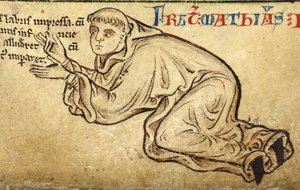
Matthew Paris
1200 - 1259
Osnovne informacije
- Artistic Movement Or Style: Medieval Art
- Artists Or Movements Influenced By This Artist: ['St Albans Abbey']
- Artists Who Influenced This Artist: ['Roger of Wendover']
- Date Of Birth: c.1200
- Date Of Death: 1259
- Full Name: Matthew Paris
- Nationality: English
- Notable Artworks:
- Historia Anglorum
- Book of Additions
- Place Of Birth: England