 Pregledaj u prostoru
 Pošalji
 Podeli
 Detalji o delu

 Преузми
 Slični predmeti
 Rendgenski snimak
 Slajdovi
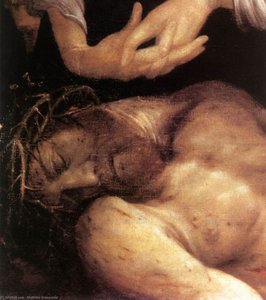
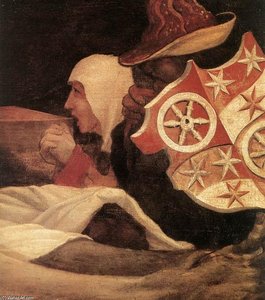
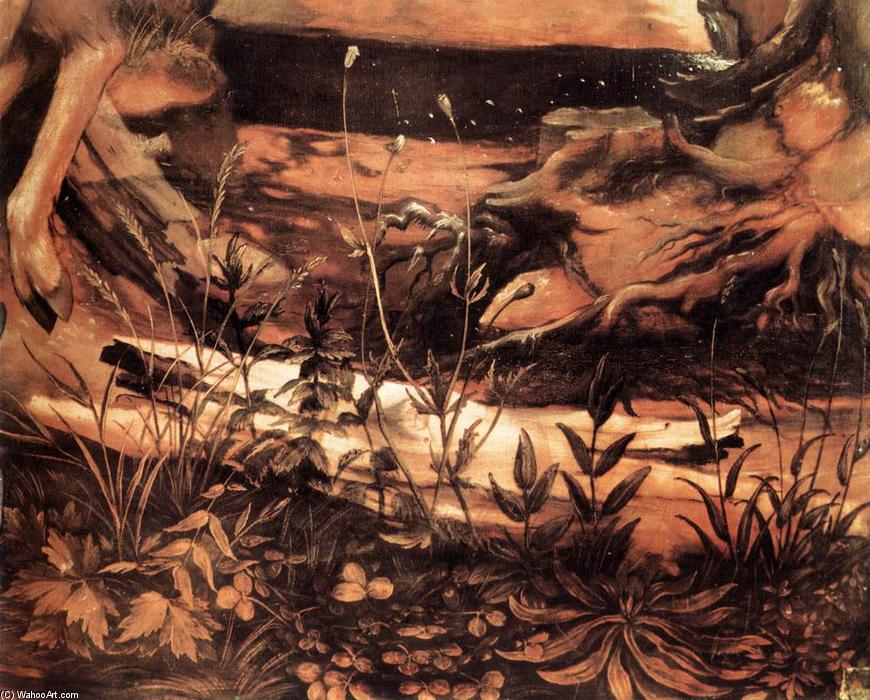
Sts Paul and Anthony in the Desert (detail)


 Pročitaj više
Ručno rađena uljana reprodukcija
Ručno oslikano uljanim bojama na platnu u dimenzijama i okviru po vašem izboru, izrađeno po porudžbini od strane naših umetnika. ( Kupi print Kupi digitalnu sliku)




P118B $10

P118H $10

P118W $10

P438Z $10

P508JH $12

P508YH $12

P805H $10

P805Z $10

P919BZ $10

P919G $10

P919XJ $10

P959ZH $10

P968JZ $12

W106C $8

W218G $10

W218JH $8

W218Y $10

W307PJ $10

W316G $10

W316PJ $8

W316Y $10

W398PJ $8

W4111J $10

W500HY $15

W500JH $15

W692G $12

W849H $8

W940BG $15

W953PJ $8




Izaberite jednu od naših unapred definisanih veličina koje odgovaraju originalnim proporcijama umetničkog dela.

Можете унети сопствене димензије како бисте прилагодили дело одређеном оквиру или простору. Ако одабрана величина не одговара пропорцијама оригинала, слика ће бити исечена или проширена додатним елементима који се ручно насликавају. Дигитални prikaz ће вам бити послат на одобрење пре почетка производње.
Имајте на уму да преглед на екрану не одражава стварно исецање или проширење. Само приказ (mockup) ће тачно приказати коначну композицију.
Иако су доступне прилагођене величине, препоручујемо да одаберете димензију из дефинисане листе како бисте сачували оригиналне пропорције.
Nakon narudžbine, tim ArtsDot.com će klijentu putem e-pošte poslati uputstva i dostaviti prikaz predloženog rešenja
Isporuka širom sveta () za 3/4 nedelje umesto uobičajenih 5 nedelja. (25 август). Bez kompromisa po pitanju kvaliteta.

Besplatna ekspresna dostava širom sveta

Visokokvalitetno laneno platno

Kompletno osiguranje transporta

Garancija povraćaja carine i uvoznih dažbina

Garancija vernosti boja

Politika povrata u roku od 60 dana (samo u slučaju nedostataka)

Garancija povrata novca od 100%

Popust pri grupnoj kupovini
 Opcija sa staklom dostupna je samo za dimenzije manje od 110 cm

Sts Paul and Anthony in the Desert (detail)
Tehnika reprodukcije
Dimenzije reprodukcije
-


Konačna cena
$ 263
Opis umetničkog dela
The Soul’s Echo in Wood and Paint: Matthias Grünewald's "Sts Paul and Anthony in the Desert"
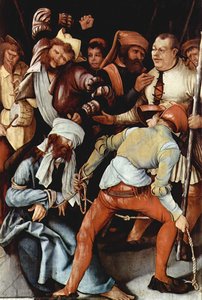
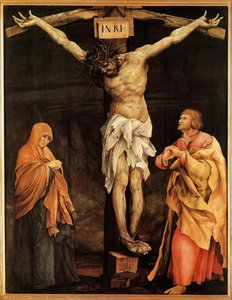
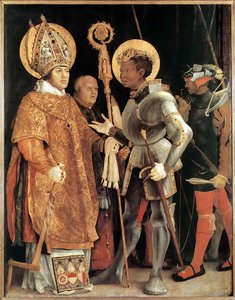
Matthias Grünewald’s “Sts Paul and Anthony in the Desert,” a detail from the magnificent Isenheim Altarpiece, isn’t merely a depiction of two early Christian hermits; it’s a profound meditation on suffering, faith, and the enduring struggle between darkness and light. Completed around 1512-1516 for the hospital monks of St. Anthony in Isenheim, Alsace, this panel transcends its devotional purpose to become a timeless exploration of the human condition. Grünewald, a master of late medieval German art, deliberately eschewed the prevailing Renaissance ideals of classical beauty and perspective, instead embracing a raw, emotionally charged style that mirrored the turbulent spiritual landscape of his time.
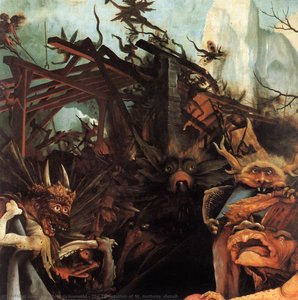
The scene unfolds within a stark, almost desolate desert setting—a carefully constructed void rendered in muted browns, grays, and ochres. The absence of vibrant color amplifies the sense of isolation and hardship endured by Paul and Anthony. Grünewald’s technique is characterized by an astonishingly detailed realism, particularly evident in the depiction of the weathered faces and bodies of the two figures. He employs a meticulous layering of thin glazes—a hallmark of his style—to build up texture and create a palpable sense of age and experience. The rough, unfinished quality of the paint, combined with the subtly distorted forms, contributes to an atmosphere of vulnerability and profound introspection. The artist’s use of oil paints, relatively new at this time, allowed for greater control over color and detail than traditional tempera, contributing to the altarpiece's remarkable luminosity.
A Dialogue of Suffering and Guidance
At the heart of the panel stands Paul, depicted as a stoic figure clad in simple robes, his face etched with lines of hardship and contemplation. He’s not presented as a triumphant saint, but rather as a man wrestling with doubt and despair—a visual embodiment of the arduous path to faith. His gaze is directed inward, suggesting an intense internal struggle. Beside him, Anthony, identifiable by his distinctive beard and flowing robes, offers a gesture of gentle guidance. He’s not actively intervening in Paul's suffering, but rather radiating a quiet serenity—a testament to the power of inner devotion. The positioning of the figures – Paul on the left, Anthony on the right – creates a dynamic visual dialogue, suggesting a reciprocal exchange of wisdom and support.
The symbolism woven throughout the panel is rich and layered. The desert itself represents the wilderness of the soul—a place of testing and purification. The small, almost skeletal tree trunk in the foreground serves as a potent symbol of mortality and decay, reminding us of our vulnerability in the face of death. Crucially, Grünewald’s decision to depict Paul and Anthony within this harsh environment underscores the idea that true faith isn't found in comfort or ease, but rather through embracing adversity and seeking solace in God’s presence.
The Isenheim Altarpiece: A Testament to Faith and Healing
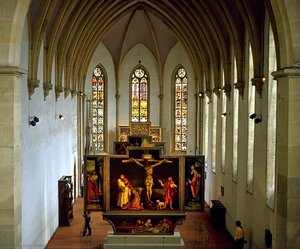
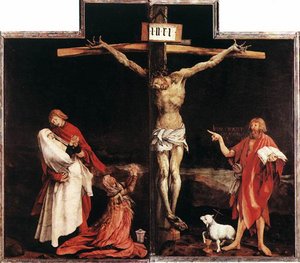
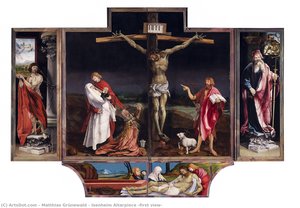
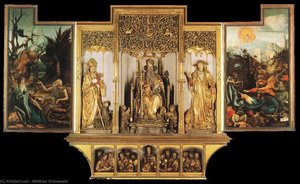
It’s important to understand “Sts Paul and Anthony in the Desert” within the context of the larger Isenheim Altarpiece. Created for a hospital dedicated to treating patients afflicted with ergotism—a debilitating disease caused by contaminated rye – the altarpiece was intended not just as a devotional object, but also as a source of comfort and hope for those suffering from physical and spiritual ailments. The depiction of Paul and Anthony reflects this dual purpose: they represent the enduring strength of faith in the face of unimaginable hardship, offering solace to patients battling their own personal demons.
The altarpiece’s innovative design—with its multiple unfolding panels—further enhanced its therapeutic effect. By presenting different scenes at various times of the year, it provided a continuous stream of spiritual nourishment for the hospital monks and their patients. “Sts Paul and Anthony in the Desert” is therefore not simply a beautiful painting; it's a profound work of art that speaks to the enduring power of faith, the universality of suffering, and the transformative potential of compassion.
Srodna umetnička dela
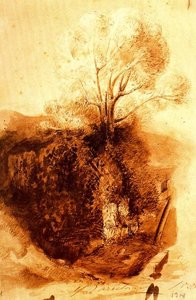
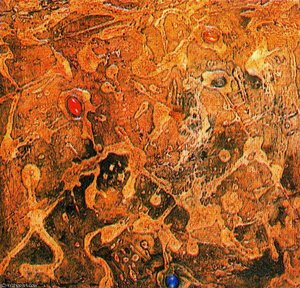
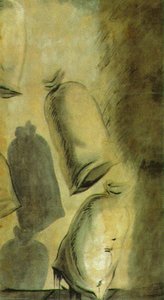
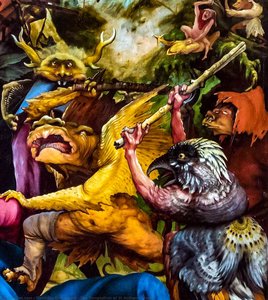

Biografija umetnika
Матијас Гриневалд: Живот и наслеђе
Матијас Гриневалд, рођено име Матис Готарт Најтхардт, рођен око 1470-1475. године у Вирцбургу, Немачка, био је кључна фигура немачке ренесансе. Упркос томе што је живео у периоду све већег утицаја италијанских ренесансних идеала, Гриневалд је остао дубоко укорењен у уметничким традицијама касног средњевековног централне Европе. Детаљи о његовом раном животу су оскудни, али се зна да је добио уметничку обуку, вероватно у локалним радионицама.
Уметнички развој и утицаји
Гриневалдов уметнички развој обликовале су преовлађујуће северноевропске традиције реализма, емотивне интензивности и детаљног посматрања. Његов рад показује утицаје уметника као што су Албрехт Дирер и Мартин Шонгауер, али је изградио свој јединствени пут карактерисан драматичном експресијом и живописном бојом. Он није био директно укључен у хуманистичке кругове који су били распрострањени у Италији; уместо тога, његова уметност служила је пре свега религиозним сврхама, одражавајући духовну узнемиреност свог времена. Гриневалд није тежио идеализацији форме или класичној хармонији, већ је настојао да представи људску патњу и божанску милост са неукрашеном искреношћу.
Главна дела и уметнички стил
Гриневалдов опус се одликује интензивним емоционалним набојем, драматичним композицијама и реалистичном репрезентацијом људског тела. Међу његовим најзначајнијим делима издвајају се:
- Изенхајмски олтар (1512-1516): Ово ремек-дело, смештено у музеју Унтерлинден у Колмарu, сматра се Гриневалдовим magnum opus-ом. Приказује сцене из живота Христа са потресном реалистичношћу, посебно фокусирајући се на патњу и искупљење. Олтар је био намењен болничком реду и служио као средство утехе и духовне подршке за пацијенте.
- Распнуће (око 1502-1503): Рано дело које демонстрира његов развијајући се стил, показујући интензивне емоције и анатомске детаље. Композиција је драматична и наглашава физичку патњу Христа.
- Дева Марија са Благовешћењем (1512-14): Студија за Изенхајмски олтар, откривајући његов педантни процес планирања. Ово дело показује Гриневалдову способност да створи интимну и емотивно напуњену атмосферу.
- Мојсије (1511): Цртеж који истиче Гриневалдову вештину у хватању изражајних фигура и драматичних поза. Ова студија показује његову мајсторску употребу линије и светла и сенке.
Гриневалдов стил се одликује:
- Драмском композицијом: Користио је динамичне аранжмане да појача емотивни утицај.
- Живописном палетом боја: Његова употреба интензивних, често контрастних боја створила је моћно визуелно искуство.
- Реалистичним приказом патње: Гриневалд се није плашио да представи физички и емоционални бол повезан са религиозним наративима.
- Изражајним фигурама: Његове фигуре су прожете јаким емоцијама и психолошком дубином.
Историјски значај и наслеђе
Гриневалдов рад стоји као сведочанство трајне моћи средњовековних уметничких традиција у Немачкој током ренесансе. Он је повезао рупу између касног готичког стила и нових ренесансних трендова, стварајући јединствени визуелни језик који је одзвањао са његовим савременицима. Његов утицај се види код каснијих немачких уметника који су наставили да истражују теме религиозног жара и емотивне интензивности. Иако је био углавном заборављен вековима након његове смрти 1528. године, Гриневалд је доживео препород у 19. веку, а данас је признат као један од најважнијих сликара немачке ренесансе. Његова уметност наставља да очарава гледаоце својом сировом емоцијом, техничком бриљантношћу и дубоком духовном дубином.
Даља истраживања
Откријте више о животу и делима Матијаса Гриневалда на: ArtsDot
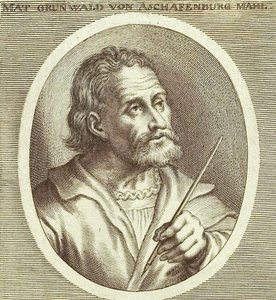
Матијас Гриневалд
1480 - 1528 , Nemačka
Osnovne informacije
- Datum Rođenja: oko 1470-1475
- Datum Smrti: 1528.
- Mesto Rođenja: Würzburg, Nemačka
- Nacionalnost: Nemac
- Puno Ime: Matthias Grünewald
- Umetnici Koji Su Uticali:
- Albrecht Dürer
- Martin Schongauer
- Umetnici Pod Uticajem: Kasniji nemački slikari
- Umetnički Pokret/Stil: Nemački renesans
- Značajna Dela:
- Isenheim oltar
- Raspeće
Povezani članci
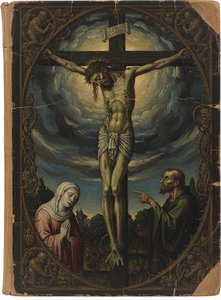
Matthias Grünewald: Devotion, Distortion & Spiritual Turmoil in Renaissance Art
Explore the profound religious art of Matthias Grünewald, master of the Isenheim Altarpiece. Discover his unique expressionism, symbolism & lasting impact on Renaissance painting. A guide for collectors and enthusiasts.
Illuminating Belief: A Visual Exploration of Faith Across Artistic Movements & Historical Contexts
Explore the rich history of faith through art! Discover Renaissance masterpieces, iconic artists & religious symbolism with expert analysis from ArtsDot. Perfect for collectors and enthusiasts.

German Expressionism's 10 Defining Masterpieces | Art for Your Home
Explore 10 defining German Expressionism masterpieces – from Munch's 'The Scream' to Kandinsky’s abstracts. Discover the artists, stories & bold colors behind this powerful art movement. Find museum-quality reproductions at ArtsDot.com.
The Northern Awakening: Artistic Innovation & Cultural Transformation in the German Renaissance
Explore the artistic innovation of the German Renaissance! Discover Dürer, the Danube School & Reformation art. Learn about techniques, materials & lasting influence. Find museum-quality reproductions at ArtsDot.
Sacred Narratives Embodied: A Comprehensive Exploration of Religious Iconography in Art History
Explore the rich history of religious iconography in art! Discover symbolism, movements & masterpieces from Byzantine to Renaissance periods. Expert insights for collectors and enthusiasts at ArtsDot.