

 Pregledaj u prostoru
 Pošalji
 Podeli
 Detalji o delu

 Преузми
 Slični predmeti
 Rendgenski snimak
 Slajdovi
 Statistika
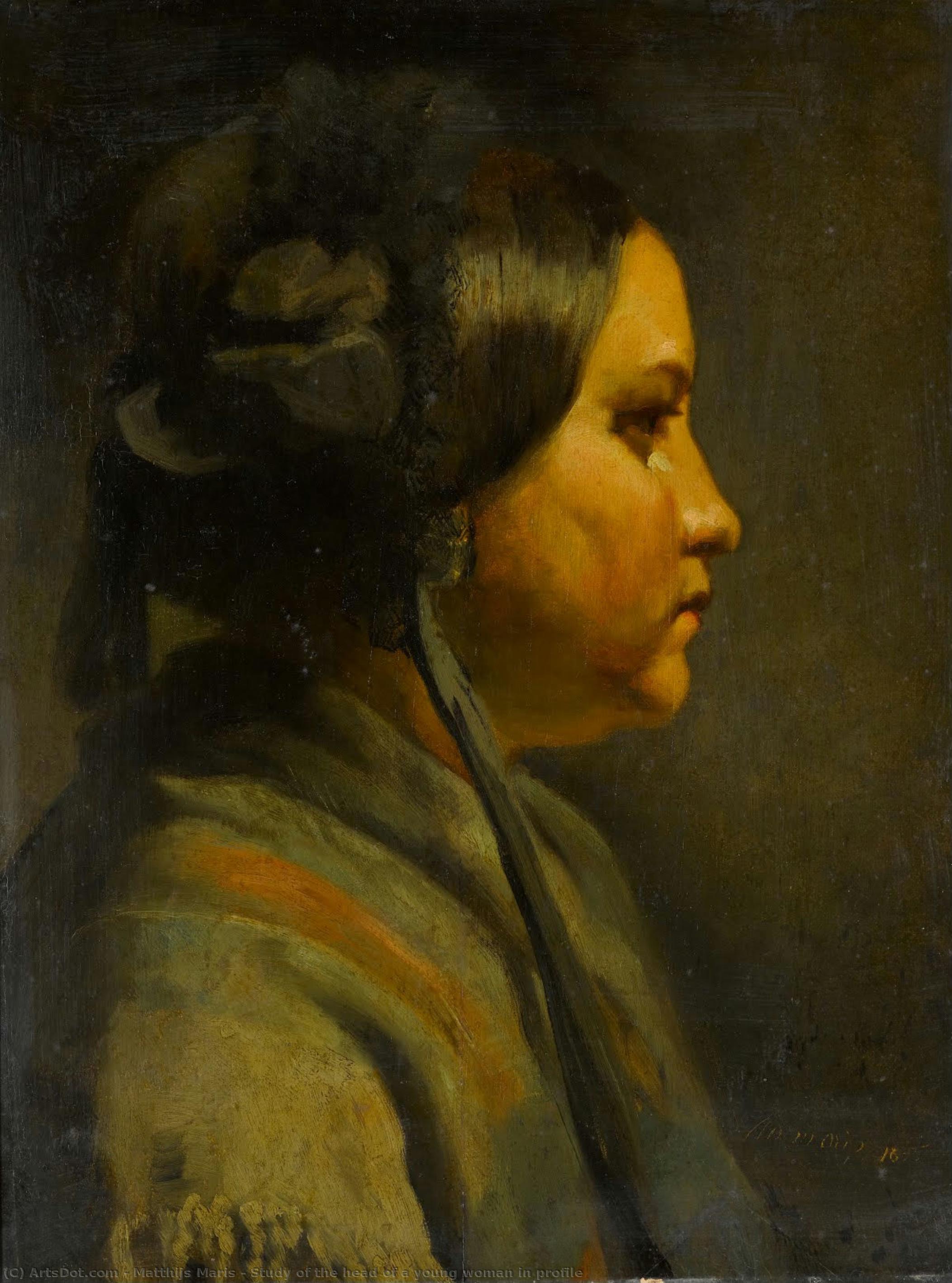
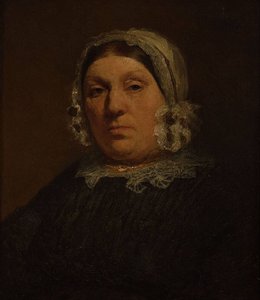
Study of the head of a young woman in profile
 1855
1855 567.0 x 673.0 cm
 Kunstmuseum
 Pročitaj više
Ručno rađena uljana reprodukcija
Ručno oslikano uljanim bojama na platnu u dimenzijama i okviru po vašem izboru, izrađeno po porudžbini od strane naših umetnika. ( Pređi na štampu Pređi na digitalnu sliku)




































Izaberite jednu od naših unapred definisanih veličina koje odgovaraju originalnim proporcijama umetničkog dela.

Можете унети сопствене димензије како бисте прилагодили дело одређеном оквиру или простору. Ако одабрана величина не одговара пропорцијама оригинала, слика ће бити исечена или проширена додатним елементима који се ручно насликавају. Дигитални prikaz ће вам бити послат на одобрење пре почетка производње.
Имајте на уму да преглед на екрану не одражава стварно исецање или проширење. Само приказ (mockup) ће тачно приказати коначну композицију.
Иако су доступне прилагођене величине, препоручујемо да одаберете димензију из дефинисане листе како бисте сачували оригиналне пропорције.
Nakon narudžbine, tim ArtsDot.com će klijentu putem e-pošte poslati uputstva i dostaviti prikaz predloženog rešenja
Isporuka širom sveta () za 3/4 nedelje umesto uobičajenih 5 nedelja. (9 септембар). Bez kompromisa po pitanju kvaliteta.

Besplatna ekspresna dostava širom sveta

Visokokvalitetno laneno platno

Kompletno osiguranje transporta

Garancija povraćaja carine i uvoznih dažbina

Garancija vernosti boja

Politika povraćaja u roku od 100 dana (isključivo u slučaju nedostataka)

Garancija povrata novca od 100%

Popust pri grupnoj kupovini
 Opcija sa staklom dostupna je samo za dimenzije manje od 110 cm

Study of the head of a young woman in profile
Tehnika reprodukcije
Dimenzije reprodukcije
-


Konačna cena
$ 263
Srodna umetnička dela







Biografija umetnika
Matthijs Maris: Bridging Romanticism and Dreamlike Vision
Matthijs Maris (1838-1917) stands as a singular figure in Dutch art history, an artist who stubbornly resisted categorization yet undeniably captivated audiences with his haunting landscapes and exquisitely rendered portraits. Born in The Hague, Maris’s early artistic ambitions were met with the sting of rejection from the Hague Academy of Art—a setback that ironically propelled him toward a distinctive style rooted in both Romantic idealism and Pre-Raphaelite sensibilities. This unique blend would become the hallmark of his oeuvre, establishing him as one of the most evocative painters of his era, capable of moving beyond mere realism into the realm of the subconscious.
His formative years were marked by a diligent pursuit of mastery despite institutional hurdles. Following his initial failure to pass the academy's entrance exam, he sought instruction from Isaac Cornelis Elink Sterk, the secretary of the institution, honing his foundational skills in private. However, it was the mentorship of the marine painter Louis Meijer that truly steered him toward a professional path. This relationship proved pivotal, as Meijer helped him secure a royal grant from Queen Sophie, an opportunity that allowed Matthijs to follow his brother, Jacob, to Antwerp. In this vibrant Belgian hub, the brothers shared a studio and immersed themselves in a landscape of intense artistic experimentation.
A Journey Through Light and Symbolism
The Antwerp period was instrumental in shaping the mature Maris style. Working alongside his brother Jacob, Matthijs was exposed to a diverse intellectual landscape that included the influence of German Romanticism during travels through Cologne. This exposure sparked a lifelong fascination with expressive power and atmospheric depth. As he moved away from the more conventional, grounded aesthetic of the Hague School, his work began to reflect a profound engagement with folklore, fairy tales, and symbolic detail. His canvases became windows into dreamlike worlds, where the subtle nuances of light and shifting weather conditions served not just to document nature, but to evoke a sense of mystery and longing.
His artistic evolution was further enriched by collaborations and travels that expanded his visual vocabulary:
- The Oosterbeek Circle: In the artist colony of Oosterbeek, Maris connected with notable painters such as Gerard Bilders and Anton Mauve, which helped refine his ability to capture the ephemeral qualities of the Dutch landscape.
- European Travels: His journeys through Switzerland, France, and Germany allowed him to absorb the broader European currents of Symbolism and Impressionism, integrating these into his uniquely Dutch perspective.
- Technical Versatility: Beyond the brush, Maris was a skilled etcher and lithographer, mediums that allowed him to explore more intimate, linear expressions of his visionary themes.
Legacy and Historical Significance
While often grouped with his brothers Jacob and Willem under the umbrella of the Hague School, Matthijs Maris’s legacy is defined by his departure from their shared Realism. He was an artist who looked inward as much as he looked at the horizon. By infusing his landscapes with a sense of the supernatural and the poetic, he bridged the gap between the naturalistic traditions of the Netherlands and the burgeoning Symbolist movement that would sweep through Europe. His ability to capture the unseen—the mood, the myth, and the memory—ensures his place as a vital link in the evolution of modern Dutch painting, leaving behind a body of work that continues to haunt and inspire the contemporary imagination.
Matthijs Maris
1838 - 1917 , Netherlands
Osnovne informacije
- Artistic Movement Or Style: Hague School & Pre-Raphaelites
- Artists Or Movements Influenced By This Artist: ['Romanticism']
- Artists Who Influenced This Artist:
- Isaac Cornelius Elink Sterk
- Louis Meijer
- Date Of Birth: The Hague, Netherlands (1838)
- Date Of Death: 1917
- Full Name: Matthijs Maris
- Nationality: Dutch
- Notable Artworks:
- Kitchen
- Portrait of Ludwig Casimir ("Louis") Sierig
- Place Of Birth: The Hague