

 Pregledaj u prostoru
 Pošalji
 Podeli
 Detalji o delu

 Преузми
 Slični predmeti
 Rendgenski snimak
 Slajdovi
 Stats
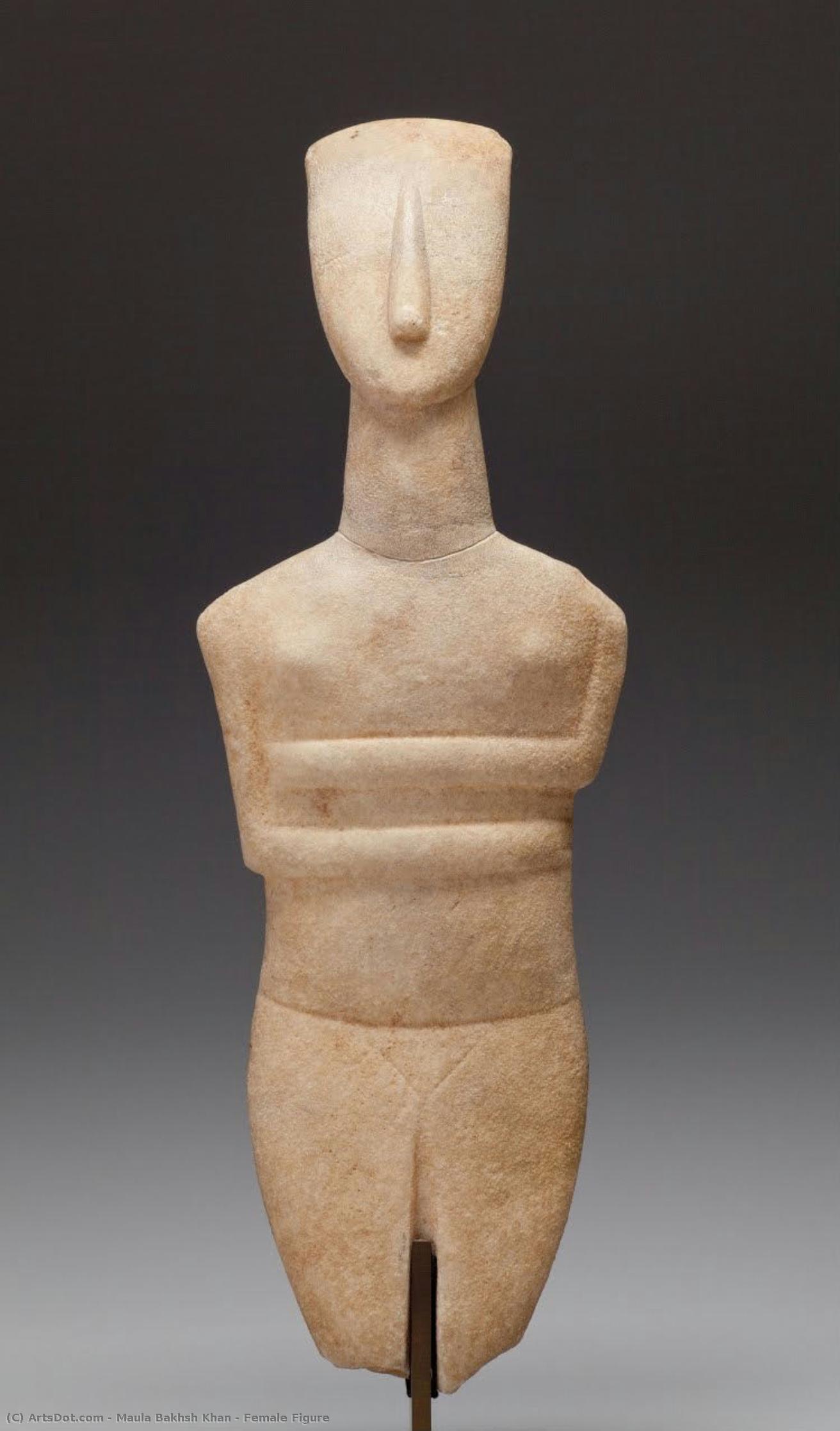
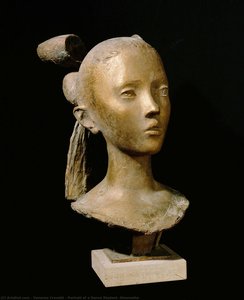
StatsFemale Figure
 41.0 x 14.0 cm
 Kimbell Art Museum
 Pročitaj više
Kupite digitalnu sliku visoke rezolucije i poboljšanog kvaliteta, koja je znatno superiornija od onoga što vidite u online prikazu.
Svaka datoteka je pedantno pripremljena od strane naših stručnjaka koristeći napredne alate i profesionalnu ručnu retušu. Osiguravamo da svaka slika ima izuzetnu oštrinu, preciznu reprodukciju boja i fine detalje.
Konačna datoteka se dostavlja putem e-pošte u roku od 72 sata, optimizovana za neposrednu upotrebu u profesionalnim, izdavačkim i štamparskim okruženjima. To je isti kvalitet kojem veruju vrhunski studiji dizajna, izdavači i galerije.
Digitalna slika
Preuzmite datoteku visoke rezolucije za ličnu upotrebu, štampanje i kreativne projekte. ( Switch to Print Kupi ručno naslikanu sliku)
Uključeno uz svaku porudžbinu digitalne slike
Profesionalna digitalna isporuka, zagarantovana
Kada odaberete ArtsDot.com, ne dobijate samo sliku – vi primate profesionalno unapređeno digitalno umetničko delo, izrađeno sa najvećom preciznošću i uz garanciju zadovoljstva. Evo svega što automatski dolazi uz vašu porudžbinu:

Brza dostava putem e-pošte
Vaša digitalna slika visoke rezolucije biće vam poslata putem e-pošte u roku od 72 sata od poručivanja – spremna za trenutnu upotrebu.

Digitalna datoteka unapređena veštačkom inteligencijom
Vaše umetničko delo je profesionalno optimizovano korišćenjem naprednih AI alata i ručne obrade, čime se osiguravaju maksimalni detalji, oštrina i preciznost boja.

Besplatna ponovna isporuka doživotno
Slučajno ste obrisali ili izgubili svoju datoteku? Ne brinite – poslaćemo vam je ponovo u bilo kom trenutku, potpuno besplatno.

Bez troškova uvoza – zauvek
Uživajte u svojim umetničkim delima trenutno, bez carine, dažbina ili troškova dostave – digitalni download je uvek bez poreza.

Garancija vernosti boja
Uz pomoć profesionalnih alata i upravljanja bojama, osiguravamo da vaša digitalna slika što vernije odražava originalne boje.

Garancija zadovoljstva od 100 dana
Ako niste zadovoljni svojom digitalnom slikom, izvršićemo reviziju ili ćemo vam vratiti 100% novca u roku od 100 dana – bez ikakvih pitanja.

100% garancija povrata novca
Niste zadovoljni? Dobijte puni povraćaj novca u roku od 100 dana od prijema digitalne datoteke – bez suvišnih pitanja.

Popusti na velike porudžbine
Kupite 3 slike, uštedite 10% - Kupite 5 slika, uštedite 15% - Kupite 10+ slika, uštedite 20%. Odlično za kreativne projekte, galerije i agencije.
Srodna umetnička dela






Biografija umetnika
Maula Bakhsh Khan: A Legacy of Sufi Melody
Maula Bakhsh Khan (1833 – 1920), known affectionately as Chole, stands as a cornerstone in the history of Pakistani Qawwali music and a pivotal figure within the broader Chishti tradition. Born in Bhiwani, Haryana, India, he descended from Zamindar families who had migrated to Punjab during the reign of Mahmud of Ghazni—a lineage unbroken for six centuries dedicated to preserving and perfecting the art of devotional singing. This dedication would ultimately shape not only his own artistic journey but also the musical heritage of Pakistan itself.- Early Life & Family Roots: Little is known about Maula Bakhsh’s formative years, except that he possessed a robust physique honed through wrestling and enjoyed riding—characteristics indicative of his upbringing within a family steeped in martial traditions. Crucially, he was mentored by a Sufi ascetic who recognized his innate musical talent, initiating him into the Chishtiya Order and sparking an enduring passion for Qawwali. This encounter cemented his connection to the Chishti saints’ emphasis on music as a conduit for divine contemplation.
- Musical Training & Instrument Mastery: Recognizing Maula Bakhsh's potential, he sought instruction from Ghasit Khan—a celebrated Qawwal of Gujerat and arguably the most respected musician of his time—who imparted invaluable knowledge regarding classical Indian music and vocal technique. Beyond Ghasit Khan’s influence, Maula Bakhsh diligently cultivated proficiency in instruments such as the sitar, sarod and harmonium, demonstrating a remarkable commitment to mastering diverse musical expressions.
- The Khan Gharana & Artistic Lineage: Maula Bakhsh's family established itself as a prominent Qawwali gharana—a musical lineage characterized by stylistic continuity and transmission across generations. His son, Fateh Ali Khan, continued this tradition, ensuring that the art form flourished for decades to come. This unbroken chain of musical practice underscores the profound significance of preserving cultural heritage and honoring ancestral artistry.
- Influence on Fateh Ali Khan & Nusrat Fateh Ali Khan: Maula Bakhsh’s dedication profoundly impacted his son, Fateh Ali Khan—who himself became a renowned Qawwali singer—and subsequently, his grandson, Nusrat Fateh Ali Khan—considered by many to be the undisputed champion of Qawwali. Nusrat's success is directly attributable to his father’s meticulous training and unwavering belief in the transformative power of music.
- Legacy & Recognition: Maula Bakhsh Khan’s contribution to Pakistani musical culture was formally acknowledged with the Pride of Performance Award by the President of Pakistan—a testament to his artistic excellence and enduring influence on subsequent generations of musicians. His legacy continues to resonate through the vibrant traditions of Qawwali music, cementing his place as a pivotal figure in South Asian art history.
Exploring Maula Bakhsh Khan’s Artistic Output
While biographical details remain somewhat sparse, Maula Bakhsh Khan's artistic output speaks volumes about his dedication to Sufi devotional music. He skillfully blended classical Indian musical traditions with Persian and Arabic poetic forms—a hallmark of the Chishti Order—creating compositions that conveyed profound spiritual insights. His repertoire encompassed verses from Iqbal’s poetry, meticulously set to music, demonstrating an understanding of how art could elevate consciousness and inspire devotion. The enduring popularity of his grandson Nusrat Fateh Ali Khan's recordings serves as a powerful indicator of Maula Bakhsh Khan’s lasting impact on musical culture.
maula bakhsh khan
1833 - 1920 , India
Kratke činjenice
- Artistic Movement Or Style: Qawwali Music
- Artists Or Movements Influenced By This Artist: ['']
- Artists Who Influenced This Artist: ['']
- Date Of Birth: 1833, Jalandhar, India
- Date Of Death: 1920
- Full Name: Maula Bakhsh Khan
- Nationality: Indian
- Notable Artworks: ['Female Figure']
- Place Of Birth: Jullundur, India