

 Pregledaj u prostoru
 Pošalji
 Podeli
 Detalji o delu

 Преузми
 Slični predmeti
 Rendgenski snimak
 Slajdovi
 Stats
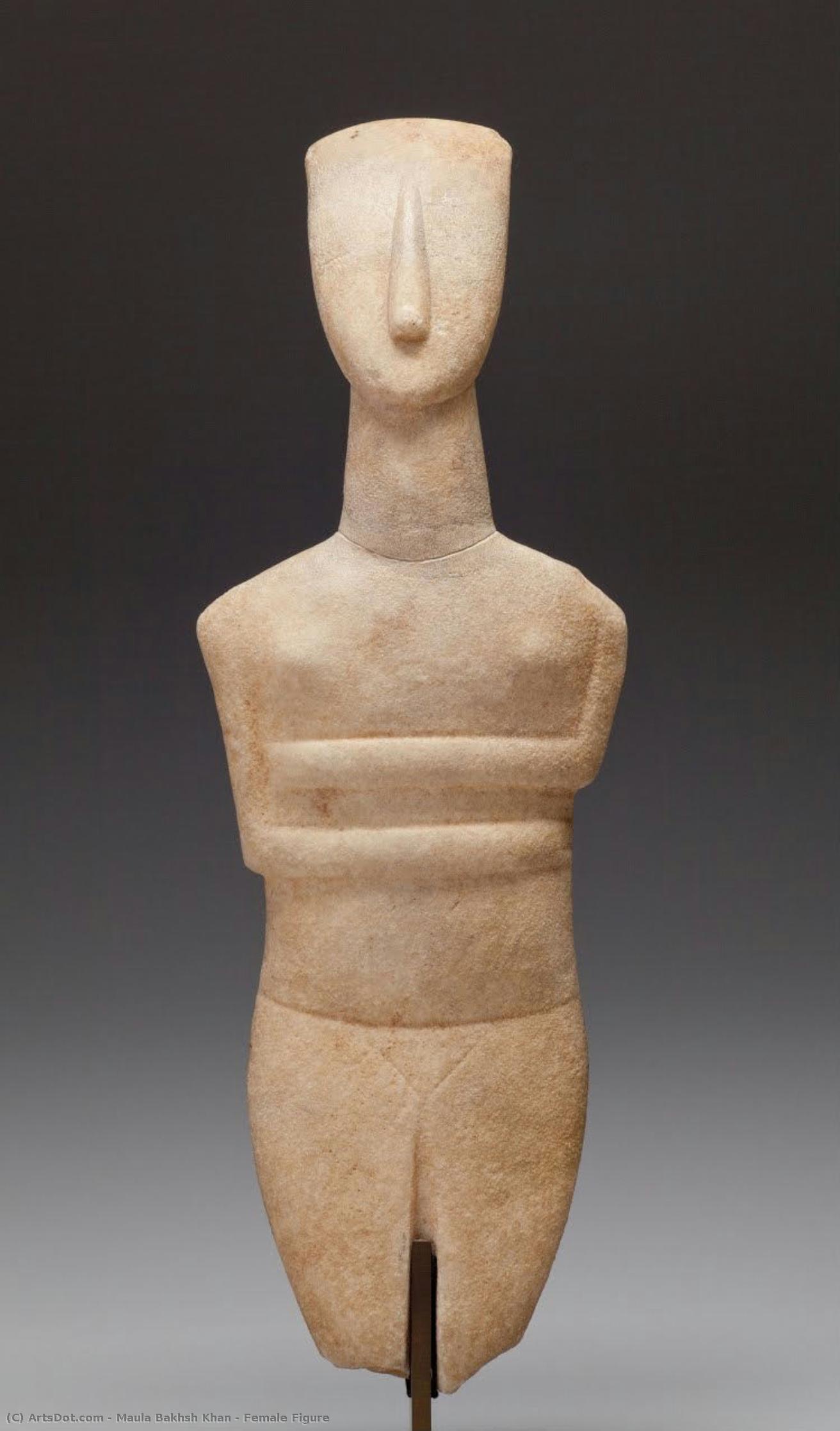
StatsFemale Figure
 41.0 x 14.0 cm
 Kimbell Art Museum
 Pročitaj više
Giclee štampa / Umetnički otisak
Giclée štampa ili print na platnu muzejskog kvaliteta uz brzu proizvodnju i fleksibilne opcije završne obrade. ( Kupi ručno naslikanu sliku Switch to Digital Image)




































Izaberite jednu od naših unapred definisanih veličina koje odgovaraju originalnim proporcijama umetničkog dela.

Možete uneti sopstvene dimenzije kako biste umetničko delo prilagodili specifičnom okviru ili prostoru. Ako odabrani format ne odgovara proporcijama originalne slike, mi ćemo ili iscrtati deo dela ili proširiti sliku pomoću ogledane ivice ili jednobojnog popunjavanja. Digitalni prikaz će vam biti poslat na odobrenje pre početka proizvodnje.
Imajte na umu da pregled na ekranu ne odražava stvarno iscrtavanje ili proširivanje. Samo će prikaz (mockup) precizno pokazati finalnu kompoziciju.
Iako su prilagođene dimenzije dostupne, preporučujemo da odaberete dimenziju sa unapred definisane liste kako biste očuvali originalne proporcije.
Dostava širom sveta () za 2 nedelje umesto uobičajenih 4/5 nedelja. (8 септембар)

Besplatna ekspresna dostava širom sveta

Visokokvalitetno laneno platno

Kompletno osiguranje transporta

Garancija povraćaja carine i uvoznih dažbina

Garancija vernosti boja

Politika povraćaja u roku od 100 dana (isključivo u slučaju nedostataka)

Garancija povrata novca od 100%

Popust pri grupnoj kupovini
 Opcija sa staklom dostupna je samo za dimenzije manje od 110 cm

Female Figure
Giclee štampa / Umetnički otisak
Dimenzije reprodukcije
-


Konačna cena
$ 62
Srodna umetnička dela







Biografija umetnika
Maula Bakhsh Khan: A Legacy of Sufi Melody
Maula Bakhsh Khan (1833 – 1920), known affectionately as Chole, stands as a cornerstone in the history of Pakistani Qawwali music and a pivotal figure within the broader Chishti tradition. Born in Bhiwani, Haryana, India, he descended from Zamindar families who had migrated to Punjab during the reign of Mahmud of Ghazni—a lineage unbroken for six centuries dedicated to preserving and perfecting the art of devotional singing. This dedication would ultimately shape not only his own artistic journey but also the musical heritage of Pakistan itself.- Early Life & Family Roots: Little is known about Maula Bakhsh’s formative years, except that he possessed a robust physique honed through wrestling and enjoyed riding—characteristics indicative of his upbringing within a family steeped in martial traditions. Crucially, he was mentored by a Sufi ascetic who recognized his innate musical talent, initiating him into the Chishtiya Order and sparking an enduring passion for Qawwali. This encounter cemented his connection to the Chishti saints’ emphasis on music as a conduit for divine contemplation.
- Musical Training & Instrument Mastery: Recognizing Maula Bakhsh's potential, he sought instruction from Ghasit Khan—a celebrated Qawwal of Gujerat and arguably the most respected musician of his time—who imparted invaluable knowledge regarding classical Indian music and vocal technique. Beyond Ghasit Khan’s influence, Maula Bakhsh diligently cultivated proficiency in instruments such as the sitar, sarod and harmonium, demonstrating a remarkable commitment to mastering diverse musical expressions.
- The Khan Gharana & Artistic Lineage: Maula Bakhsh's family established itself as a prominent Qawwali gharana—a musical lineage characterized by stylistic continuity and transmission across generations. His son, Fateh Ali Khan, continued this tradition, ensuring that the art form flourished for decades to come. This unbroken chain of musical practice underscores the profound significance of preserving cultural heritage and honoring ancestral artistry.
- Influence on Fateh Ali Khan & Nusrat Fateh Ali Khan: Maula Bakhsh’s dedication profoundly impacted his son, Fateh Ali Khan—who himself became a renowned Qawwali singer—and subsequently, his grandson, Nusrat Fateh Ali Khan—considered by many to be the undisputed champion of Qawwali. Nusrat's success is directly attributable to his father’s meticulous training and unwavering belief in the transformative power of music.
- Legacy & Recognition: Maula Bakhsh Khan’s contribution to Pakistani musical culture was formally acknowledged with the Pride of Performance Award by the President of Pakistan—a testament to his artistic excellence and enduring influence on subsequent generations of musicians. His legacy continues to resonate through the vibrant traditions of Qawwali music, cementing his place as a pivotal figure in South Asian art history.
Exploring Maula Bakhsh Khan’s Artistic Output
While biographical details remain somewhat sparse, Maula Bakhsh Khan's artistic output speaks volumes about his dedication to Sufi devotional music. He skillfully blended classical Indian musical traditions with Persian and Arabic poetic forms—a hallmark of the Chishti Order—creating compositions that conveyed profound spiritual insights. His repertoire encompassed verses from Iqbal’s poetry, meticulously set to music, demonstrating an understanding of how art could elevate consciousness and inspire devotion. The enduring popularity of his grandson Nusrat Fateh Ali Khan's recordings serves as a powerful indicator of Maula Bakhsh Khan’s lasting impact on musical culture.
maula bakhsh khan
1833 - 1920 , India
Osnovne informacije
- Artistic Movement Or Style: Qawwali Music
- Artists Or Movements Influenced By This Artist: ['']
- Artists Who Influenced This Artist: ['']
- Date Of Birth: 1833, Jalandhar, India
- Date Of Death: 1920
- Full Name: Maula Bakhsh Khan
- Nationality: Indian
- Notable Artworks: ['Female Figure']
- Place Of Birth: Jullundur, India