Meni
Pregledaj u prostoruPregledaj u prostoru AR pregledAR pregled Kupi ručno naslikanu sliku Kupi ručno naslikanu slikuPređi na digitalnu sliku Pređi na digitalnu sliku PošaljiPošalji
Detalji o deluDetalji o delu Dodaj u omiljene Dodaj u omiljene ПреузмиПреузми Slični predmetiSlični predmeti Rendgenski snimakRendgenski snimak SlajdoviSlajdovi StatistikaStatistika

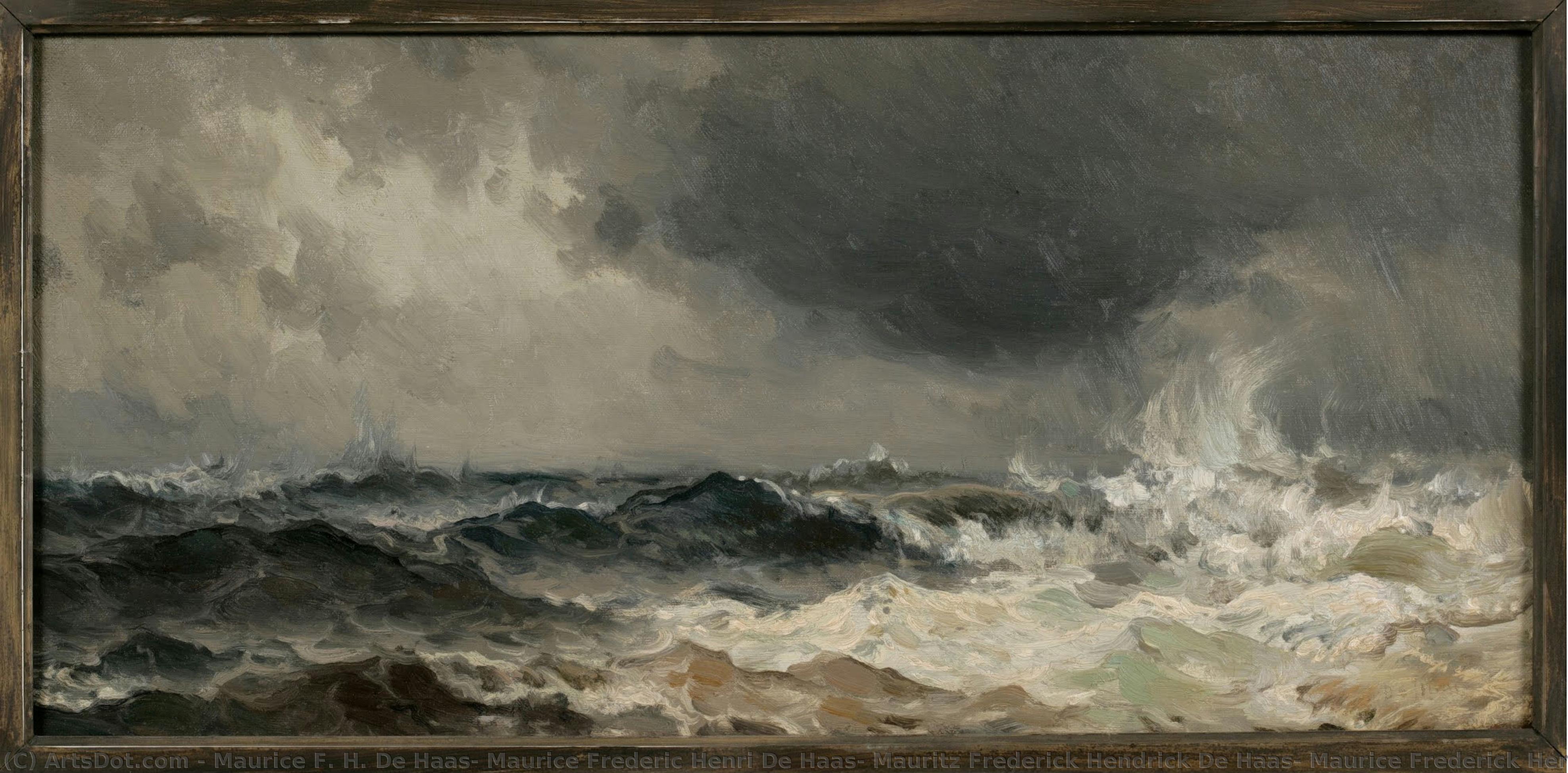
At Montauk

Dutch Impressionist Maurice F.H. de Haas captured the serene beauty of Dutch landscapes and intimate interiors with a delicate touch; discover his evocative paintings and experience the tranquility of 19th-century Holland.

Giclee štampa / Umetnički otisak

Giclée štampa ili print na platnu muzejskog kvaliteta uz brzu proizvodnju i fleksibilne opcije završne obrade. (Kupi ručno naslikanu sliku Kupi ručno naslikanu slikuPređi na digitalnu sliku Pređi na digitalnu sliku)

Standardne dimenzije
po meri
CM
INCH

Izaberite jednu od naših unapred definisanih veličina koje odgovaraju originalnim proporcijama umetničkog dela.

širina
visina

Možete uneti sopstvene dimenzije kako biste umetničko delo prilagodili specifičnom okviru ili prostoru. Ako odabrani format ne odgovara proporcijama originalne slike, mi ćemo ili iscrtati deo dela ili proširiti sliku pomoću ogledane ivice ili jednobojnog popunjavanja. Digitalni prikaz će vam biti poslat na odobrenje pre početka proizvodnje.
Imajte na umu da pregled na ekranu ne odražava stvarno iscrtavanje ili proširivanje. Samo će prikaz (mockup) precizno pokazati finalnu kompoziciju.
Iako su prilagođene dimenzije dostupne, preporučujemo da odaberete dimenziju sa unapred definisane liste kako biste očuvali originalne proporcije.

Dostava širom sveta () za 2 nedelje umesto uobičajenih 4/5 nedelja. (9 септембар)

why_choose_icon
Besplatna ekspresna dostava širom sveta
why_choose_icon
Visokokvalitetno laneno platno
why_choose_icon
Kompletno osiguranje transporta
why_choose_icon
Garancija povraćaja carine i uvoznih dažbina
why_choose_icon
Garancija vernosti boja
why_choose_icon
Politika povraćaja u roku od 100 dana (isključivo u slučaju nedostataka)
why_choose_icon
Garancija povrata novca od 100%
why_choose_icon
Popust pri grupnoj kupovini

Ukupna cena

$ 62

reproduction

At Montauk

Giclee štampa / Umetnički otisak

Dimenzije reprodukcije

-

Konačna cena

$ 62


Biografija umetnika

The Enigmatic Landscapes of Maurice F. H. De Haas

Maurice F. H. De Haas remains a somewhat elusive figure in the pantheon of 19th and early 20th-century landscape painters, despite a body of work characterized by its atmospheric depth, subtle color palettes, and profound sense of tranquility. Born in , his life details are sparsely documented, contributing to the mystique surrounding his art. What *is* known suggests a dedication to capturing the fleeting moods of nature, particularly the evocative light and expansive skies that define much of his oeuvre. He wasn’t a painter who sought grand narratives or dramatic events; instead, De Haas found beauty in the quiet contemplation of the natural world, meticulously rendering scenes often imbued with a melancholic stillness. His artistic journey unfolded during a period of significant change – the transition from Romanticism to Impressionism and beyond – yet he carved out a unique space for himself, resisting easy categorization.

Early Influences and Artistic Development

De Haas’s early training remains largely unknown, but scholars posit influences stemming from the Dutch Romantic landscape tradition, particularly artists like Jacob van Ruisdael and Aert van der Neer. These masters instilled a deep appreciation for atmospheric perspective, detailed observation of cloud formations, and the use of light to create mood. However, De Haas’s work also reveals an affinity for the Barbizon school painters – Théodore Rousseau and Jean-François Millet – who championed *plein air* painting and a realistic depiction of rural life. It's likely he travelled extensively throughout Europe, absorbing these diverse influences firsthand. His early paintings demonstrate a meticulous technique, focusing on precise rendering of trees, fields, and waterways. Over time, his brushwork loosened, and his palette became more subdued, moving away from the detailed realism of his predecessors towards a more impressionistic approach focused on capturing the *impression* of light and atmosphere rather than strict topographical accuracy. This evolution wasn’t abrupt; it was a gradual refinement of his artistic vision, driven by a desire to convey not just what he saw, but how it felt to be present in those landscapes.

Themes and Techniques: A Symphony of Light and Shadow

The dominant theme throughout De Haas's career is the landscape – specifically, scenes of rural tranquility often featuring expansive skies, bodies of water (rivers, lakes, canals), and gently rolling hills. He rarely included figures in his compositions, emphasizing instead the power and beauty of nature itself. His technique is characterized by a masterful use of glazing, building up layers of thin paint to create luminous effects and subtle color transitions. This layering process resulted in paintings that possess an extraordinary depth and atmospheric quality. De Haas was particularly adept at capturing the nuances of light – the golden glow of sunset, the soft haze of dawn, the dramatic shadows cast by storm clouds. He employed a limited palette, favoring muted tones of blues, greens, browns, and grays, which further enhanced the sense of tranquility and melancholic beauty in his work. His paintings are not about vibrant spectacle; they’re about quiet observation and emotional resonance. The subtle interplay of light and shadow is crucial to understanding his artistic intent – it's through these delicate gradations that he evokes a specific mood or atmosphere, inviting the viewer to share in his contemplative experience.

Recognition and Legacy

While De Haas enjoyed some recognition during his lifetime, exhibiting at various galleries across Europe, he never achieved widespread fame. His work was appreciated by collectors who valued its quiet beauty and technical skill, but it often remained overshadowed by the more flamboyant styles of his contemporaries. Today, however, there is a growing appreciation for his unique contribution to landscape painting. His paintings are increasingly sought after by museums and private collectors alike. De Haas’s legacy lies in his ability to capture the essence of nature with remarkable sensitivity and skill. He wasn't interested in making grand statements or pushing artistic boundaries; instead, he focused on perfecting a particular vision – a vision that celebrates the beauty of the natural world and invites contemplation and emotional connection. His work serves as a reminder that true artistry lies not in innovation alone, but in the ability to convey profound meaning through subtle observation and masterful technique. He continues to inspire artists and art lovers who seek solace and tranquility in the quiet beauty of the landscape.