

 Pregledaj u prostoru
 Pošalji
 Podeli
 Detalji o delu

 Преузми
 Slični predmeti
 Rendgenski snimak
 Slajdovi
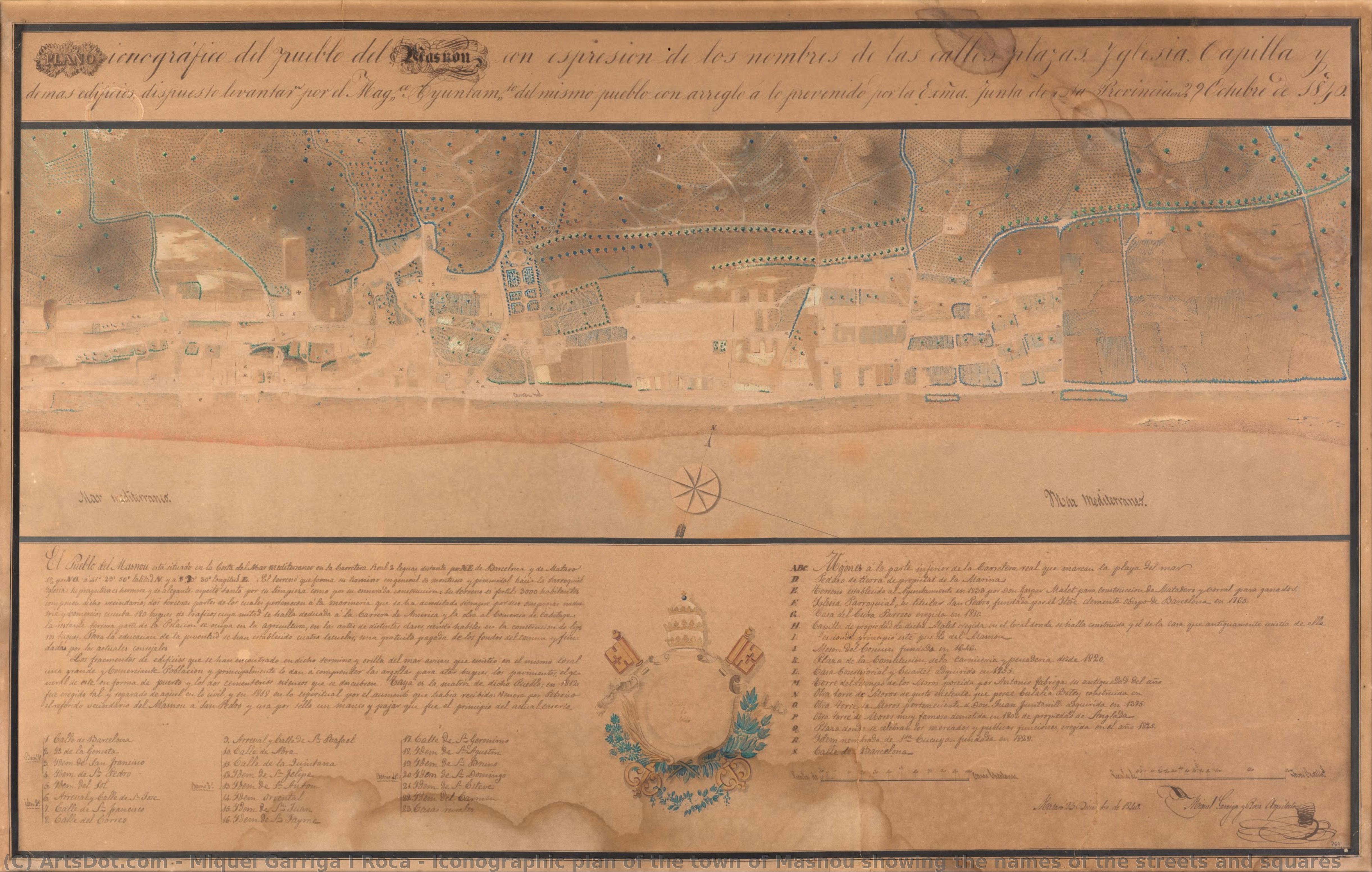
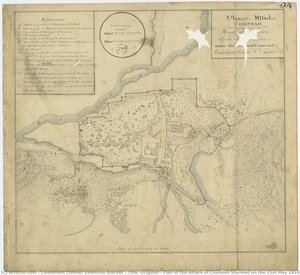
Iconographic plan of the town of Masnou showing the names of the streets and squares
 19th Century
 72.0 x 103.0 cm
 Maritime Museum of Barcelona
 Pročitaj više
Ručno rađena uljana reprodukcija
Ručno oslikano uljanim bojama na platnu u dimenzijama i okviru po vašem izboru, izrađeno po porudžbini od strane naših umetnika. ( Kupi print Kupi digitalnu sliku)




P118B $10

P118H $10

P118W $10

P438Z $10

P508JH $12

P508YH $12

P805H $10

P805Z $10

P919BZ $10

P919G $10

P919XJ $10

P959ZH $10

P968JZ $12

W106C $8

W218G $10

W218JH $8

W218Y $10

W307PJ $10

W316G $10

W316PJ $8

W316Y $10

W398PJ $8

W4111J $10

W500HY $15

W500JH $15

W692G $12

W849H $8

W940BG $15

W953PJ $8




Izaberite jednu od naših unapred definisanih veličina koje odgovaraju originalnim proporcijama umetničkog dela.

Можете унети сопствене димензије како бисте прилагодили дело одређеном оквиру или простору. Ако одабрана величина не одговара пропорцијама оригинала, слика ће бити исечена или проширена додатним елементима који се ручно насликавају. Дигитални prikaz ће вам бити послат на одобрење пре почетка производње.
Имајте на уму да преглед на екрану не одражава стварно исецање или проширење. Само приказ (mockup) ће тачно приказати коначну композицију.
Иако су доступне прилагођене величине, препоручујемо да одаберете димензију из дефинисане листе како бисте сачували оригиналне пропорције.
Nakon narudžbine, tim ArtsDot.com će klijentu putem e-pošte poslati uputstva i dostaviti prikaz predloženog rešenja
Isporuka širom sveta () za 3/4 nedelje umesto uobičajenih 5 nedelja. (4 септембар). Bez kompromisa po pitanju kvaliteta.

Besplatna ekspresna dostava širom sveta

Visokokvalitetno laneno platno

Kompletno osiguranje transporta

Garancija povraćaja carine i uvoznih dažbina

Garancija vernosti boja

Politika povrata u roku od 60 dana (samo u slučaju nedostataka)

Garancija povrata novca od 100%

Popust pri grupnoj kupovini
 Opcija sa staklom dostupna je samo za dimenzije manje od 110 cm

Iconographic plan of the town of Masnou showing the names of the streets and squares
Tehnika reprodukcije
Dimenzije reprodukcije
-


Konačna cena
$ 263
A Cartographic Window into the Past
In the delicate intersection of urban planning and fine art lies the Iconographic plan of the town of Masnou, a captivating work that transcends mere documentation to become a soulful portrait of a bygone era. Created by the esteemed Catalan architect and town planner Miquel Garriga i Roca, this piece serves as a nostalgic journey through the streets and squares of Mas-nou, Barcelona. Rather than a sterile blueprint, the painting breathes life into the topography, presenting a detailed representation where every named thoroughfare tells a story of community and movement. The composition is expansive, stretching across the frame to envelop the viewer in a meticulously rendered landscape that feels both intimate and grand.
The aesthetic of the work is defined by a muted, antique palette that evokes the soft patina of aged parchment. This choice of color creates an atmosphere of historical reverence, inviting the observer to step back into the 19th century. The technique employs a subtle, weathered texture that mimics the look of a rediscovered treasure from a municipal archive. Through this soft-focus approach, the artist manages to balance the precision required for a topographical map with the expressive warmth of a landscape painting, making it an ideal centerpiece for those who appreciate the elegance of historical realism.
The Human Element within Urban Design
What truly distinguishes this work from a standard architectural plan is the presence of life scattered throughout the scene. Amidst the structured lines of streets and squares, small figures of residents and visitors are delicately placed, providing a sense of scale and vitality. These individuals, some positioned in the immediate foreground and others receding into the distance, transform the map into a living stage. Their presence suggests the daily rhythms of life—the quiet strolls, the chance encounters, and the bustling commerce that once defined the town's social fabric.
For the discerning collector or interior designer, this painting offers more than just visual interest; it provides a profound emotional connection to the concept of "place." The interplay between the rigid geometry of the urban layout and the organic, spontaneous movement of the people creates a beautiful tension. It is a piece that celebrates the human imprint on the landscape, reminding us that cities are not merely collections of stone and mortar, but living organisms shaped by the souls who inhabit them.
A Timeless Addition to Sophisticated Interiors
As a high-quality reproduction, this artwork serves as a sophisticated anchor for diverse interior styles. In a classic study or a library lined with leather-bound books, its historical gravity adds an air of intellectual prestige. Conversely, in a modern, minimalist setting, the muted tones and intricate details provide a necessary layer of warmth and complexity, acting as a conversational focal point that breaks the austerity of contemporary design.
Owning a piece inspired by the work of Miquel Garriga i Roca is an opportunity to possess a fragment of Catalan architectural heritage. It is a work that invites contemplation, encouraging viewers to trace the paths of the past and imagine the evolution of the world around them. Whether used to evoke nostalgia or to add a sense of structured elegance to a room, this iconographic plan remains a timeless testament to the beauty of urban history.
Srodna umetnička dela

Biografija umetnika
Francisco Goya: A Revolutionary Voice of His Time
Francisco José de Goya y Lucientes, born in 1746 in Fuendetodos, Spain, wasn’t merely an artist; he was a chronicler of his era, a visionary who wrestled with the darkness within himself and reflected it onto the canvas. His life spanned nearly eight decades, witnessing profound shifts in Spanish society – from the Enlightenment’s burgeoning optimism to the brutal realities of war and political upheaval. Goya's journey is one of remarkable transformation, evolving from a court painter upholding tradition to a fiercely independent artist who challenged conventions and laid the groundwork for modern art. He remains an endlessly fascinating figure, his work imbued with both exquisite beauty and unsettling psychological depth.Early Years and Courtly Commissions
Goya’s early artistic training began in Zaragoza under José Luzán y Martínez, a local artist influenced by Neoclassical styles prevalent at the time. He later moved to Madrid, where he apprenticed under Francisco Bayeu, a prominent court painter associated with the Habsburg dynasty. This period saw Goya establish himself as a respected portraitist, securing commissions from the Spanish royal family and nobility. His early works, such as *Charles IV of Spain and His Family*, are characterized by their polished elegance and adherence to established conventions – lavishly detailed depictions of the monarchy that reflected the power and prestige of the court. However, even in these seemingly celebratory portraits, subtle hints of social critique begin to emerge, a foreshadowing of the artist’s later, more subversive approach. He was deeply influenced by Velázquez, whose mastery of light and shadow, and ability to capture human character, became a cornerstone of Goya's own artistic development.The Darker Side: The Peninsular War and *Los Desastres de la Guerra*
A pivotal moment in Goya’s career arrived with the French invasion of Spain during the Napoleonic Wars. Initially sympathetic to the French, Goya witnessed firsthand the brutality of their occupation and the suffering inflicted upon the Spanish people. This experience profoundly impacted his artistic vision, leading him to abandon his previous commissions and turn his brush towards a starkly different subject matter: the horrors of war. The series *Los Desastres de la Guerra* (The Disasters of War), comprising etchings and aquatints, is arguably Goya’s most enduring legacy. These unflinching depictions of battlefield carnage, executions, and civilian suffering are profoundly disturbing yet undeniably powerful. Images like “The Third of May 1808” – a scene depicting the execution of Spanish rebels by French soldiers – shattered conventional representations of warfare, presenting a raw and visceral portrayal of death and injustice. The painting’s composition, with its stark lighting, dramatic diagonals, and emotionally charged figures, marked a radical departure from the idealized depictions prevalent in earlier art.Beyond Darkness: *The Maja* Series and Artistic Experimentation
Following the Peninsular War, Goya continued to explore a wider range of subjects, including portraits, genre scenes, and fantastical compositions. The *Maja* series (1799-1808), consisting of two paintings – *The Naked Maja* and *The Clothed Maja* – exemplifies this period of experimentation. These works, depicting the fashionable women of Madrid’s lower classes, are both alluring and unsettling. Goya’s portrayal of these “majas” challenged conventional notions of female beauty and sexuality, presenting them as independent, assertive figures with a hint of dangerous allure. He also delved into the realm of mythology and folklore, creating imaginative scenes like *Saturn Devouring His Son* and *Galician Peasant*, which explored themes of mortality, fate, and the darker aspects of human nature. These works demonstrate Goya’s growing mastery of technique and his willingness to push the boundaries of artistic expression.Late Works: Visions of Madness and Melancholy
In his later years, as he suffered from increasing deafness and deteriorating health, Goya produced a series of intensely personal and often disturbing paintings known collectively as “Black Paintings.” These works, executed directly on the walls of his home in La Quinta del Sordo (The Blind Man’s Villa), are characterized by their dark colors, grotesque imagery, and profound sense of despair. Paintings like *Saturn Devouring His Son*, *Witches' Flight* and *Family of Christ* explore themes of madness, death, guilt, and the anxieties of old age. These paintings represent a culmination of Goya’s artistic journey – a descent into the darkest recesses of his own psyche and a haunting reflection on the human condition. Despite their unsettling nature, they are considered masterpieces of psychological intensity and offer unparalleled insight into the mind of one of history's most complex and influential artists. Goya’s legacy extends far beyond his individual works; he fundamentally altered the course of art history. His willingness to confront difficult subjects, his innovative techniques, and his profound emotional honesty paved the way for subsequent generations of artists – from Romantic painters like Delacroix and Turner to Symbolists and Expressionists – who sought to capture the complexities of human experience in all its beauty and horror. He remains a powerful voice across the centuries, reminding us of the enduring relevance of art as a means of understanding ourselves and the world around us.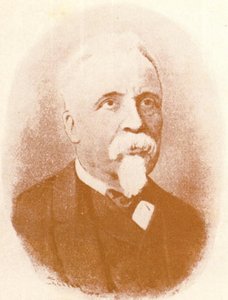
miquel garriga i roca
1808 - 1888 , Spain
Osnovne informacije
- Artistic Movement Or Style: Romanticism, Neoclassicism
- Artists Or Movements Influenced By This Artist:
- Picasso
- Dalí
- Expressionists
- Artists Who Influenced This Artist:
- Tiepolo
- Mengs
- Velázquez
- Date Of Birth: March 30, 1746
- Date Of Death: April 16, 1828
- Full Name: Francisco José de Goya y Lucientes
- Nationality: Spanish
- Notable Artworks:
- The Third of May, 1808
- Saturn Devouring His Son
- The Naked Maja
- Place Of Birth: Fuendetodos, Spain
Povezani članci
The Subdued Resonance: Exploring Emotional Depth & Artistic Nuance within Muted Color Palettes
Explore the captivating world of muted colors in art & design! Discover historical context, psychological effects, techniques, and inspiration for creating serene spaces. Elevate your aesthetic with ArtsDot.
The Subdued Palette: Exploring Emotional Resonance & Aesthetic Impact in Muted Artworks
Explore the power of muted colors in art! Discover the history, psychology & techniques behind serene palettes. Find inspiration & expert advice for creating emotionally resonant spaces with ArtsDot.
The Subdued Palette: Emotional Resonance & Aesthetic Impact of Muted Tones in Art
Explore the captivating world of muted tones in art! Discover Tonalism's history, Whistler’s influence & how subtle color palettes evoke emotion. Find serene landscapes and expert advice for integrating these timeless pieces into your home with ArtsDot.
Thomas H. Shepherd: Capturing Victorian London's Essence Through Topographical Precision
Explore the exquisite topographical paintings of Thomas H. Shepherd, renowned for his detailed depictions of Victorian London and beyond. Discover his legacy & artistic techniques.
Robert Bevan: Pioneering British Post-Impressionism & the Camden Town Group's Intimate Vision
Explore the life & work of Robert Bevan, a pioneer of British Post-Impressionism and founding member of the Camden Town Group. Discover his vibrant landscapes and lasting impact on early 20th-century art.

