

 Pregledaj u prostoru
 Pošalji
 Podeli
 Detalji o delu

 Преузми
 Slični predmeti
 Rendgenski snimak
 Slajdovi
 Statistika
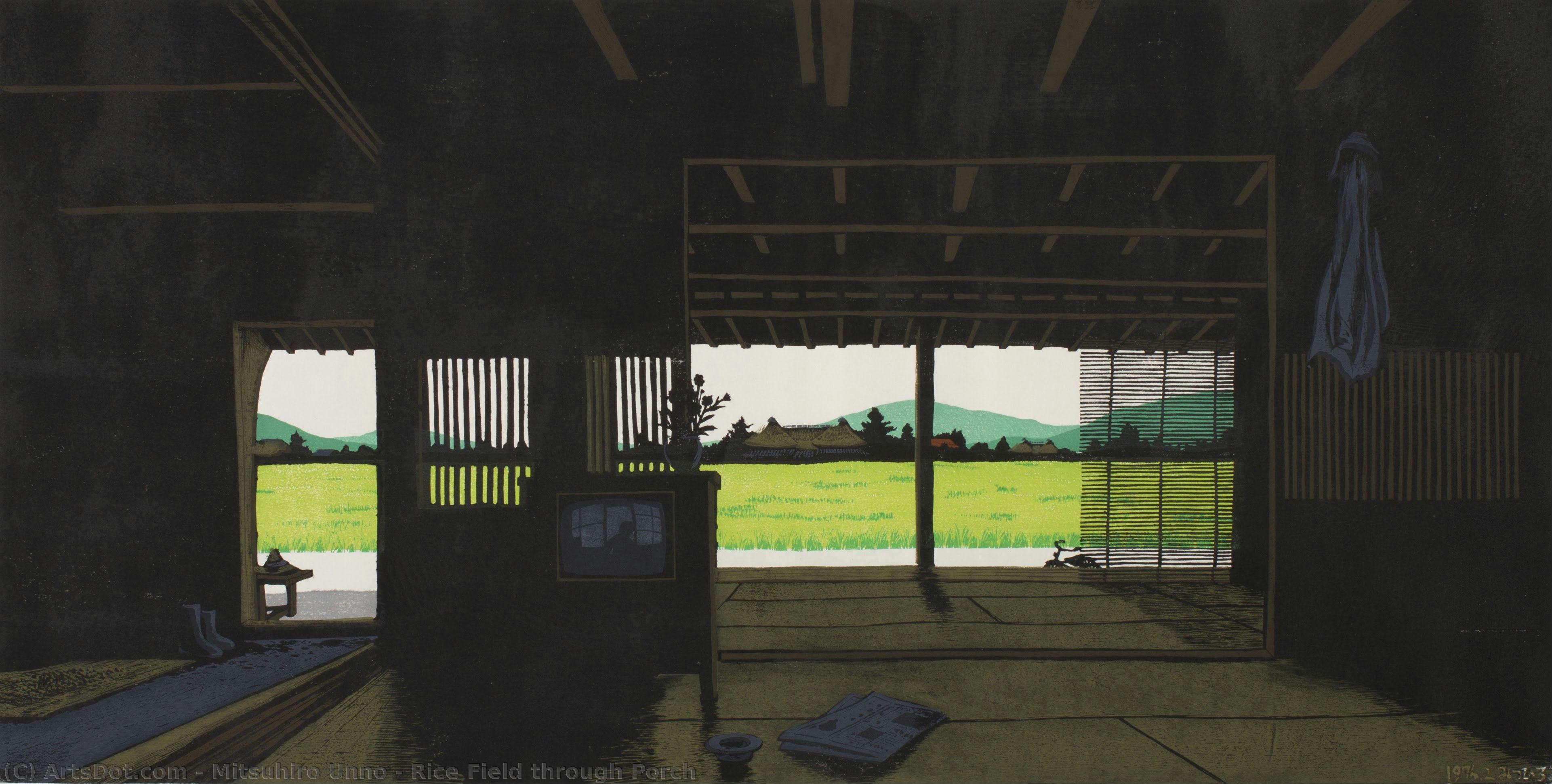
Rice Field through Porch


 Pročitaj više
Giclee štampa / Umetnički otisak
Giclée štampa ili print na platnu muzejskog kvaliteta uz brzu proizvodnju i fleksibilne opcije završne obrade. ( Kupi ručno naslikanu sliku Pređi na digitalnu sliku)




































Izaberite jednu od naših unapred definisanih veličina koje odgovaraju originalnim proporcijama umetničkog dela.

Možete uneti sopstvene dimenzije kako biste umetničko delo prilagodili specifičnom okviru ili prostoru. Ako odabrani format ne odgovara proporcijama originalne slike, mi ćemo ili iscrtati deo dela ili proširiti sliku pomoću ogledane ivice ili jednobojnog popunjavanja. Digitalni prikaz će vam biti poslat na odobrenje pre početka proizvodnje.
Imajte na umu da pregled na ekranu ne odražava stvarno iscrtavanje ili proširivanje. Samo će prikaz (mockup) precizno pokazati finalnu kompoziciju.
Iako su prilagođene dimenzije dostupne, preporučujemo da odaberete dimenziju sa unapred definisane liste kako biste očuvali originalne proporcije.
Dostava širom sveta () za 2 nedelje umesto uobičajenih 4/5 nedelja. (10 септембар)

Besplatna ekspresna dostava širom sveta

Visokokvalitetno laneno platno

Kompletno osiguranje transporta

Garancija povraćaja carine i uvoznih dažbina

Garancija vernosti boja

Politika povraćaja u roku od 100 dana (isključivo u slučaju nedostataka)

Garancija povrata novca od 100%

Popust pri grupnoj kupovini
 Opcija sa staklom dostupna je samo za dimenzije manje od 110 cm

Rice Field through Porch
Giclee štampa / Umetnički otisak
Dimenzije reprodukcije
-


Konačna cena
$ 62
Srodna umetnička dela








Biografija umetnika
A Brief Life Etched in Wood: The World of Unno Mitsuhiro
Unno Mitsuhiro, a name perhaps less familiar than some of the giants of *ukiyo-e*, nevertheless occupies a significant and poignant space within the landscape of 20th-century Japanese printmaking. Born in Shizuoka, Japan, in 1939, Unno’s life was tragically cut short in 1979, leaving behind a relatively small but intensely compelling body of work that continues to resonate with collectors and enthusiasts alike. His story is one of self-taught passion, a deep connection to the rural heartland of Japan, and an artistic vision characterized by striking color contrasts and a refreshingly unidealized portrayal of country life. Unlike many artists who followed established pedagogical paths, Unno emerged from a background in business—graduating from the Shizuoka Business High School before dedicating himself to the art of woodblock printing. This unconventional trajectory perhaps contributed to the unique perspective he brought to his craft, free from the constraints of traditional academic training.Embracing Nihon Hanga and Finding His Voice
The pivotal moment in Unno’s artistic development came with his association with the *Nihon Hanga Kyōkai* (Japan Print Association) in 1969. This organization, founded in 1931, played a crucial role in revitalizing the traditional woodblock printmaking techniques—known as *moku-hanga*—and fostering a new generation of artists who sought to balance innovation with respect for their cultural heritage. While deeply rooted in tradition, the Kyōkai also encouraged experimentation and individual expression. It was within this supportive environment that Unno truly began to hone his distinctive style. He wasn’t interested in recreating historical scenes or romanticized visions; instead, he turned his gaze towards the everyday realities of rural Shizuoka—the landscapes, the people, the quiet rhythms of agricultural life. His prints are not grand narratives but intimate glimpses into a world often overlooked.The Power of Contrast: A Signature Aesthetic
What immediately sets Unno Mitsuhiro’s work apart is his masterful use of color. He wasn't afraid to employ bold, sometimes jarring, combinations—often juxtaposing vibrant hues with deep blacks. This technique isn’t merely aesthetic; it serves to heighten the emotional impact of his scenes and imbue them with a sense of immediacy and drama. The stark contrasts also reflect a certain tension inherent in modern life, a subtle acknowledgement of the changes sweeping through Japan during the post-war era. His prints often depict scenes bathed in the warm glow of sunlight or shrouded in the cool shadows of twilight, creating a dynamic interplay between light and darkness that draws the viewer into the heart of the composition. The use of black isn’t simply as an opposing color but as a grounding force, emphasizing form and texture while simultaneously suggesting a sense of mystery and depth.A Legacy Cut Short: Historical Significance
Despite his untimely death at the age of forty, Unno Mitsuhiro left behind a legacy that continues to grow in stature. His work represents a fascinating intersection of tradition and modernity—a commitment to *moku-hanga* techniques coupled with a distinctly contemporary sensibility. He captured a specific moment in Japanese history—the 1970s—and offered a unique perspective on the changing social landscape. While his career was relatively brief, the impact of his prints is undeniable. They provide valuable insights into the lives and experiences of rural communities during a period of rapid transformation, offering an alternative to more idealized or romanticized representations. Unno Mitsuhiro’s art serves as a powerful reminder that beauty can be found in the ordinary, and that even the most fleeting moments can be etched into memory through the enduring power of woodblock printmaking. His prints are not just images; they are windows into a world—a testament to the artist's keen eye, his technical skill, and his unwavering dedication to capturing the essence of rural Japanese life. His work continues to inspire artists and collectors today.
mitsuhiro unno
1939 - 1979 , Japan
Osnovne informacije
- Artistic Movement Or Style: Woodblock prints
- Date Of Birth: 1939
- Date Of Death: 1979
- Full Name: Mitsuhiro Unno
- Nationality: Japanese
- Place Of Birth: Shizuoka, Japan