

 Pregledaj u prostoru
 Pošalji
 Podeli
 Detalji o delu

 Преузми
 Slični predmeti
 Rendgenski snimak
 Slajdovi
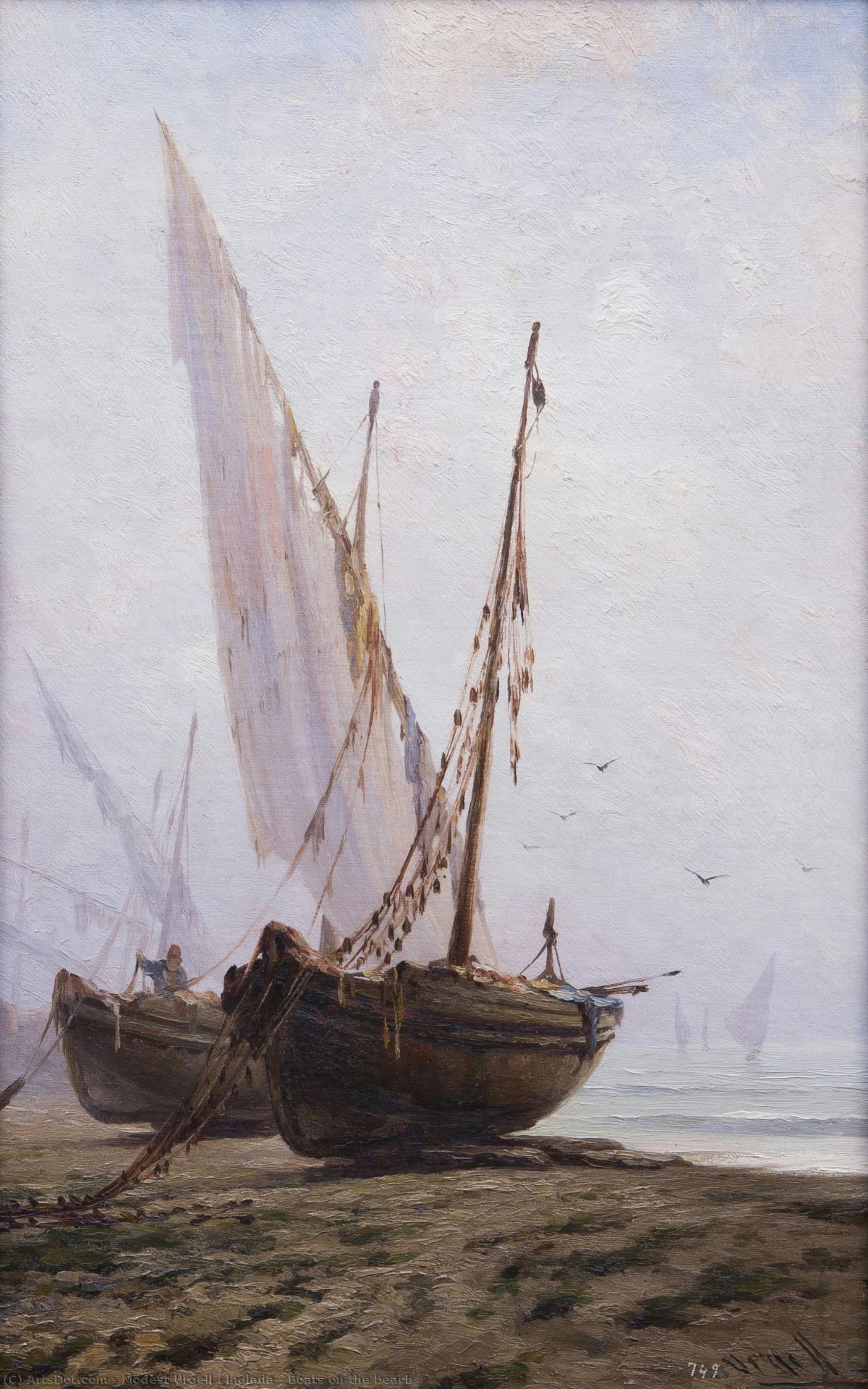
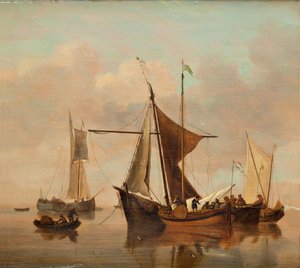
Boats on the beach

 Pročitaj više
Kupite digitalnu sliku visoke rezolucije i poboljšanog kvaliteta, koja je znatno superiornija od onoga što vidite u online prikazu.
Svaka datoteka je pedantno pripremljena od strane naših stručnjaka koristeći napredne alate i profesionalnu ručnu retušu. Osiguravamo da svaka slika ima izuzetnu oštrinu, preciznu reprodukciju boja i fine detalje.
Konačna datoteka se dostavlja putem e-pošte u roku od 72 sata, optimizovana za neposrednu upotrebu u profesionalnim, izdavačkim i štamparskim okruženjima. To je isti kvalitet kojem veruju vrhunski studiji dizajna, izdavači i galerije.
Digitalna slika
Preuzmite datoteku visoke rezolucije za ličnu upotrebu, štampanje i kreativne projekte. ( Kupi print Kupi ručno naslikanu sliku)
Uključeno uz svaku porudžbinu digitalne slike
Profesionalna digitalna isporuka, zagarantovana
Kada odaberete ArtsDot.com, ne dobijate samo sliku – vi primate profesionalno unapređeno digitalno umetničko delo, izrađeno sa najvećom preciznošću i uz garanciju zadovoljstva. Evo svega što automatski dolazi uz vašu porudžbinu:

Brza dostava putem e-pošte
Vaša digitalna slika visoke rezolucije biće vam poslata putem e-pošte u roku od 72 sata od poručivanja – spremna za trenutnu upotrebu.

Digitalna datoteka unapređena veštačkom inteligencijom
Vaše umetničko delo je profesionalno optimizovano korišćenjem naprednih AI alata i ručne obrade, čime se osiguravaju maksimalni detalji, oštrina i preciznost boja.

Besplatna ponovna isporuka doživotno
Slučajno ste obrisali ili izgubili svoju datoteku? Ne brinite – poslaćemo vam je ponovo u bilo kom trenutku, potpuno besplatno.

Bez troškova uvoza – zauvek
Uživajte u svojim umetničkim delima trenutno, bez carine, dažbina ili troškova dostave – digitalni download je uvek bez poreza.

Garancija vernosti boja
Uz pomoć profesionalnih alata i upravljanja bojama, osiguravamo da vaša digitalna slika što vernije odražava originalne boje.

Garancija zadovoljstva u roku od 60 dana
Ako niste zadovoljni svojom digitalnom slikom, revidirat ćemo je ili vratiti 100% novca u roku od 60 dana – bez ikakvih pitanja.

100% garancija povrata novca
Niste zadovoljni? Obezbedite pun povrat novca u roku od 60 dana od trenutka kada ste primili svoju digitalnu datoteku – bez suvišnih pitanja.

Popusti na velike porudžbine
Kupite 3 slike, uštedite 10% - Kupite 5 slika, uštedite 15% - Kupite 10+ slika, uštedite 20%. Odlično za kreativne projekte, galerije i agencije.
Opis kolekcionarskog dela
Srodna umetnička dela






Biografija umetnika
Modest Urgell i Inglada: A Painter of Twilight and Catalan Soul
Modest Urgell i Inglada, a name perhaps less familiar than many of his contemporaries, remains a profoundly evocative figure in the landscape of late 19th and early 20th-century Spanish art. Born in Barcelona in 1839, he wasn’t merely a painter; he was a chronicler of solitude, a master of atmosphere, and a subtle yet powerful voice for Catalan identity. His work, often characterized by its melancholic beauty and intimate depictions of rural life, invites the viewer into a world steeped in twilight, mystery, and a deep connection to the land.
Urgell’s early life was shaped by a privileged upbringing within a wealthy family, a circumstance that afforded him access to artistic training. Initially drawn to the theatrical, he participated in amateur productions before his parents steered him towards painting – a decision that ultimately proved transformative. His formal education began at the Escola de la Llotja in Barcelona, where he studied under influential figures like Ramón Martí Alsina, Claudi Lorenzale, and Lluís Rigalt. These early influences instilled in him a grounding in academic techniques, yet Urgell’s artistic spirit quickly sought broader horizons, leading him to Paris in the 1860s – a pivotal period that would irrevocably shape his style.
Paris, the epicenter of European art at the time, proved to be a crucible for Urgell's development. He encountered the revolutionary ideas of Gustave Courbet, whose emphasis on direct observation, rejection of idealized subjects, and robust, tangible approach to painting profoundly impacted Urgell’s artistic sensibilities. The Barbizon School, with its focus on *plein air* (outdoor) painting and a celebration of the natural world, also exerted a significant influence. He absorbed the lessons of Millet, whose paintings captured the dignity and hardship of rural life, and even found resonance in the evocative symbolism of Arnold Böcklin’s work – a fascination with darkness, solitude, and the supernatural that would become increasingly prominent in his later oeuvre.
Upon returning to Catalonia in 1868, Urgell began to forge a distinctly personal artistic vision. He settled in Girona, a city whose ancient stones and surrounding landscapes provided fertile ground for his creative explorations. This period marked a shift towards a more introspective and romantic style, characterized by a heightened sensitivity to light, atmosphere, and the emotional resonance of the landscape. He established himself as a respected artist, exhibiting regularly at national exhibitions in Barcelona, Madrid, and internationally in Paris, Munich, and Philadelphia, earning critical acclaim and significant awards along the way. Notably, he won first prize at the National Exhibition in 1892 and 1895, solidifying his position within the Spanish art world.
The Landscape of Solitude: Themes and Techniques
Urgell’s paintings are immediately recognizable for their distinctive atmosphere – a pervasive sense of twilight, melancholy, and isolation. He rarely depicted grand vistas or heroic scenes; instead, he focused on intimate details—a solitary figure in a crumbling monastery, a deserted cemetery bathed in the fading light, a lonely shepherd tending his flock amidst barren hills. These landscapes are not merely representations of physical space but rather explorations of the human condition – reflections on themes of mortality, loneliness, and the passage of time.
His technique was equally crucial to creating this evocative atmosphere. Urgell masterfully employed *sfumato*—a blurring of lines and edges—to create a sense of depth and mystery. He favored muted colors—ochres, browns, grays, and blues—and used subtle gradations of light and shadow to evoke the shifting moods of twilight. His brushwork was often loose and expressive, conveying a feeling of spontaneity and immediacy. He meticulously studied the effects of light on different surfaces – stone, wood, water – capturing their textures and reflections with remarkable accuracy.
Furthermore, Urgell’s choice of subject matter—often overlooked or forgotten places—contributed significantly to the emotional impact of his work. He frequently depicted abandoned buildings, crumbling ruins, and desolate landscapes, suggesting a sense of decay and loss but also hinting at enduring beauty and resilience. His fascination with cemeteries, in particular, speaks to an awareness of mortality and the cyclical nature of life and death.
A Playwright’s Shadow: The Dual Identity
Beyond his career as a painter, Urgell possessed a surprising talent for writing comic plays. He adopted the pseudonym “Katúfol” for this endeavor, reflecting a playful side to his personality. His theatrical works, primarily rural comedies, often explored themes of village life, folklore, and human relationships. While these plays were not commercially successful, they reveal another facet of Urgell’s artistic sensibility—a keen interest in storytelling and character development.
The success of his plays, however, did not diminish his dedication to painting. In fact, it seems that the creative process of writing and painting complemented each other, providing him with new perspectives and insights. His later works often incorporated elements of his theatrical imagination—a sense of drama, heightened emotion, and a fascination with the darker aspects of human nature.
Legacy and Historical Significance
Modest Urgell i Inglada’s contribution to Spanish art is often understated, overshadowed by more flamboyant contemporaries. However, his unique vision – characterized by its melancholic beauty, intimate landscapes, and subtle symbolism—has earned him a devoted following among collectors and critics alike. He stands as a significant figure in the Barbizon School tradition within Spain, yet he developed a distinctly Catalan voice, reflecting the region’s rugged landscape and cultural heritage.
His work continues to resonate with viewers today because of its timeless themes—loneliness, mortality, and the enduring power of nature. Urgell's paintings are not merely depictions of landscapes; they are meditations on the human experience – a poignant reminder of our place in the world and the beauty that can be found even in solitude.
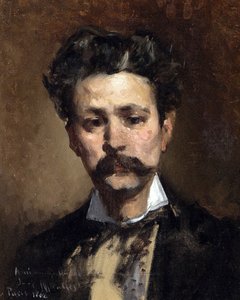
modest urgell i inglada
1839 - 1919 , Spain
Kratke činjenice
- Artistic Movement Or Style: Barbizon School, Landscape
- Artists Or Movements Influenced By This Artist:
- Joan Miró
- Salvador Dalí
- Artists Who Influenced This Artist:
- Gustave Courbet
- Ramón Martí Alsina
- Date Of Birth: June 13, 1839
- Date Of Death: April 3, 1919
- Full Name: Modest Urgell i Inglada
- Nationality: Spanish
- Notable Artworks:
- Lluny dels Ulls, a Prop del Cor
- Olot Landscapes
- Place Of Birth: Barcelona, Spain

