

 Pregledaj u prostoru
 Pošalji
 Podeli
 Detalji o delu

 Преузми
 Slični predmeti
 Rendgenski snimak
 Slajdovi
 Statistika
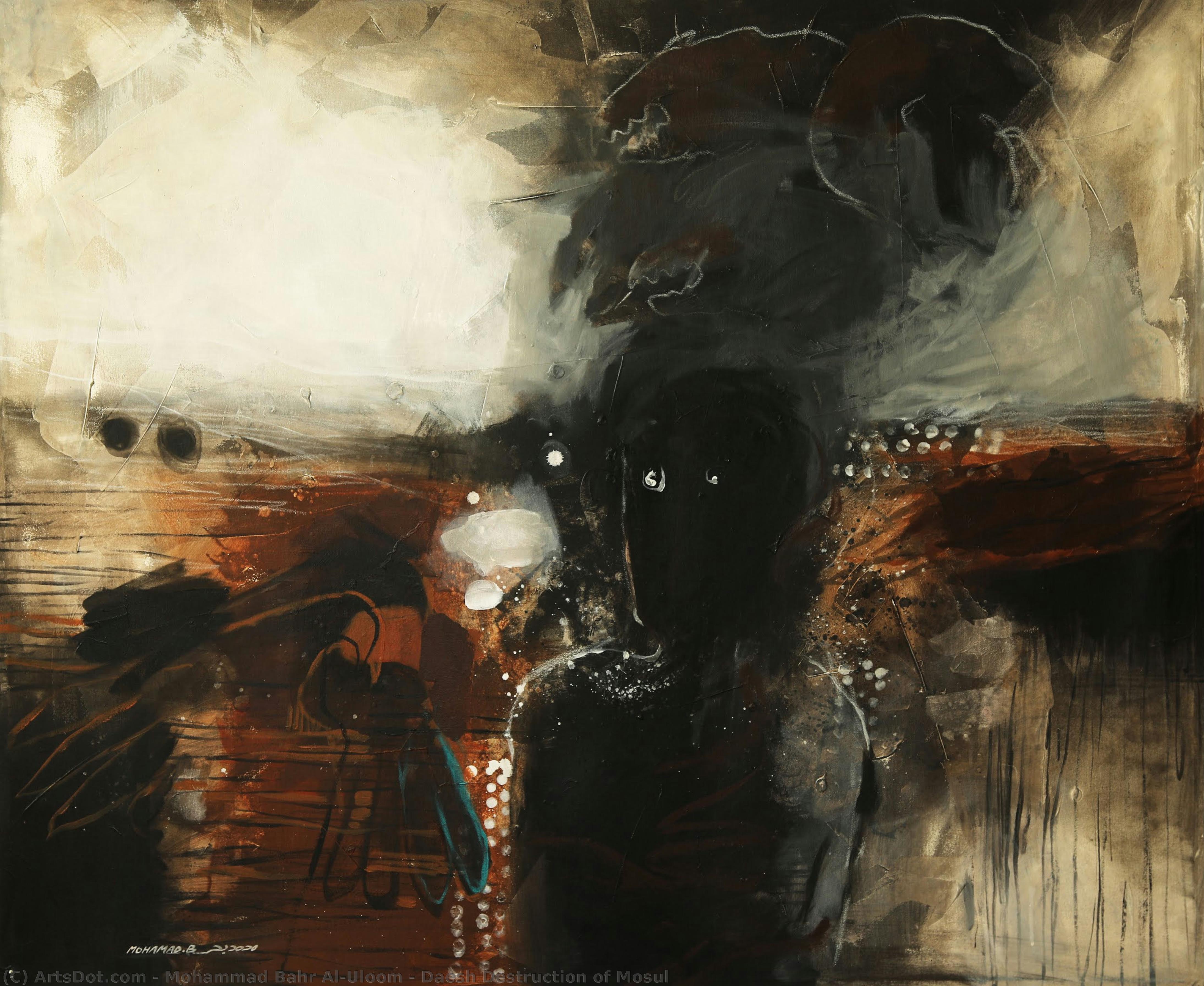
Daesh Destruction of Mosul


 Pročitaj više
Kupite digitalnu sliku visoke rezolucije i poboljšanog kvaliteta, koja je znatno superiornija od onoga što vidite u online prikazu.
Svaka datoteka je pedantno pripremljena od strane naših stručnjaka koristeći napredne alate i profesionalnu ručnu retušu. Osiguravamo da svaka slika ima izuzetnu oštrinu, preciznu reprodukciju boja i fine detalje.
Konačna datoteka se dostavlja putem e-pošte u roku od 72 sata, optimizovana za neposrednu upotrebu u profesionalnim, izdavačkim i štamparskim okruženjima. To je isti kvalitet kojem veruju vrhunski studiji dizajna, izdavači i galerije.
Digitalna slika
Preuzmite datoteku visoke rezolucije za ličnu upotrebu, štampanje i kreativne projekte. ( Pređi na štampu Kupi ručno naslikanu sliku)
Uključeno uz svaku porudžbinu digitalne slike
Profesionalna digitalna isporuka, zagarantovana
Kada odaberete ArtsDot.com, ne dobijate samo sliku – vi primate profesionalno unapređeno digitalno umetničko delo, izrađeno sa najvećom preciznošću i uz garanciju zadovoljstva. Evo svega što automatski dolazi uz vašu porudžbinu:

Brza dostava putem e-pošte
Vaša digitalna slika visoke rezolucije biće vam poslata putem e-pošte u roku od 72 sata od poručivanja – spremna za trenutnu upotrebu.

Digitalna datoteka unapređena veštačkom inteligencijom
Vaše umetničko delo je profesionalno optimizovano korišćenjem naprednih AI alata i ručne obrade, čime se osiguravaju maksimalni detalji, oštrina i preciznost boja.

Besplatna ponovna isporuka doživotno
Slučajno ste obrisali ili izgubili svoju datoteku? Ne brinite – poslaćemo vam je ponovo u bilo kom trenutku, potpuno besplatno.

Bez troškova uvoza – zauvek
Uživajte u svojim umetničkim delima trenutno, bez carine, dažbina ili troškova dostave – digitalni download je uvek bez poreza.

Garancija vernosti boja
Uz pomoć profesionalnih alata i upravljanja bojama, osiguravamo da vaša digitalna slika što vernije odražava originalne boje.

Garancija zadovoljstva od 100 dana
Ako niste zadovoljni svojom digitalnom slikom, izvršićemo reviziju ili ćemo vam vratiti 100% novca u roku od 100 dana – bez ikakvih pitanja.

100% garancija povrata novca
Niste zadovoljni? Dobijte puni povraćaj novca u roku od 100 dana od prijema digitalne datoteke – bez suvišnih pitanja.

Popusti na velike porudžbine
Kupite 3 slike, uštedite 10% - Kupite 5 slika, uštedite 15% - Kupite 10+ slika, uštedite 20%. Odlično za kreativne projekte, galerije i agencije.
Srodna umetnička dela




Biografija umetnika
A Life Forged in Faith and Conflict: The Art of Muhammad Bahr al-Ulloom
Ayatollah Sayyid Muhammad Bahr al-Uloom, born in the sacred city of Najaf, Iraq, in 1927, was a figure whose life transcended the boundaries of religious scholarship to become deeply interwoven with the tumultuous political landscape of his nation. His journey from a respected cleric steeped in tradition to a pivotal leader navigating post-Saddam Iraq is a testament to resilience and unwavering commitment. Born into a family with deep roots in Iraqi society since 1921, he received a rigorous education within the esteemed Najaf seminary, absorbing not only religious doctrine but also a profound sense of social responsibility. This foundation would prove crucial as he later confronted decades of oppression under Saddam Hussein’s regime. By 1992, recognizing the dangers within Iraq, al-Uloom relocated to London, becoming a vocal opponent of the dictatorship and a central figure in the Iraqi Shi'a community abroad. He established the AhlulBayt Centre in South London, providing a space for religious practice and political discourse amongst exiles yearning for a free homeland. His years in exile were not merely passive opposition; he actively participated in efforts to build a unified front against Saddam Hussein, notably becoming one of three men appointed to a presidential council by the Iraqi National Congress in 1992 during a gathering within the southern air exclusion zone.From Seminary to Statesman: A Role in Rebuilding Iraq
The fall of Saddam Hussein in 2003 marked a turning point in al-Uloom’s life. He returned to Iraq, appointed as a member of the interim governing council established by the United States-led coalition. This appointment was not without its complexities; he entered a fragile and deeply divided nation grappling with the aftermath of war and the challenges of establishing a new political order. As the first president of the nine-member rotating presidency in July 2003, al-Uloom sought to consolidate legitimacy amidst widespread insecurity. He understood that true governance required not only political structures but also a sense of national unity—a daunting task given the sectarian tensions simmering beneath the surface. His commitment to inclusivity was evident in his efforts to rotate leadership among different ethnic and religious groups within the council, aiming for broad representation. However, the escalating violence and perceived inability of the council to maintain law and order led him to voluntarily suspend his participation in August 2003, a decision born from deep concern for the future of Iraq. He later returned, serving as president again in March 2004, continuing to advocate for stability and legal frameworks despite the ongoing turmoil.The Art as Witness: Depicting Conflict and Faith
While primarily known as a political figure, Muhammad Bahr al-Uloom’s artistic endeavors offer a poignant window into his soul and his profound connection to the suffering of his people. His paintings are not merely aesthetic creations; they are powerful visual testimonies to the ravages of conflict and the enduring strength of faith. The artwork “Daesh Destruction of Mosul” stands as a particularly striking example, capturing the brutal reality of ISIS’s reign of terror and the deliberate destruction of cultural heritage. The imagery is stark and emotionally charged, conveying a sense of loss and outrage. It's not simply a depiction of ruins; it’s an elegy for a shattered civilization and a warning against extremism. His style often blends traditional Islamic artistic motifs with modern techniques, creating a unique visual language that resonates deeply with both religious audiences and those seeking to understand the complexities of the Middle East.Influences and Artistic Development
Al-Uloom’s artistic development was undoubtedly shaped by his upbringing in Najaf, a city steeped in centuries of Islamic art and scholarship. The intricate calligraphy, vibrant colors, and symbolic imagery found in traditional Persian miniatures and Ottoman manuscripts likely served as early influences. However, his work also reflects the turbulent realities of 20th and 21st-century Iraq, incorporating elements of social realism and expressionism to convey the emotional weight of political events. His paintings often feature scenes of religious devotion juxtaposed with images of war and destruction, highlighting the enduring power of faith in the face of adversity. He wasn’t formally trained as an artist; his work emerged from a deep-seated need to bear witness to the suffering around him and to express his hopes for a more just and peaceful future. The influence of his political activism is also palpable—his art can be seen as a form of resistance, challenging oppressive regimes and advocating for human rights.Legacy: A Bridge Between Tradition and Modernity
Ayatollah Sayyid Muhammad Bahr al-Uloom passed away in 2015, leaving behind a complex legacy as both a religious leader and a political figure. His brief but impactful tenure on the Iraqi Governing Council demonstrated his commitment to inclusivity and national sovereignty during a critical period of transition. His artistic work, though perhaps less widely known than his political achievements, offers a powerful testament to his humanity and his unwavering belief in the importance of faith, justice, and peace. He exemplified the integration of traditional Shi'a clerical influence into modern Iraqi politics, bridging religious authority with efforts to stabilize the country through inclusive representation. His son, Ibrahim Mohammad Bahr al-Uloom, continued this legacy by serving as Iraq’s Oil Minister on multiple occasions, while another son, Muhammad-Husayn, represented Iraq as Ambassador to the United Nations. Ultimately, Muhammad Bahr al-Uloom's life serves as a reminder that true leadership requires not only political acumen but also compassion, courage, and a deep understanding of the human condition—qualities vividly expressed in his art and indelibly etched into the history of Iraq.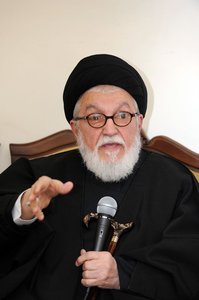
mohammad bahr al-uloom
1927 - 2015