

 Pregledaj u prostoru
 Pošalji
 Podeli
 Detalji o delu

 Преузми
 Slični predmeti
 Rendgenski snimak
 Slajdovi
 Statistika
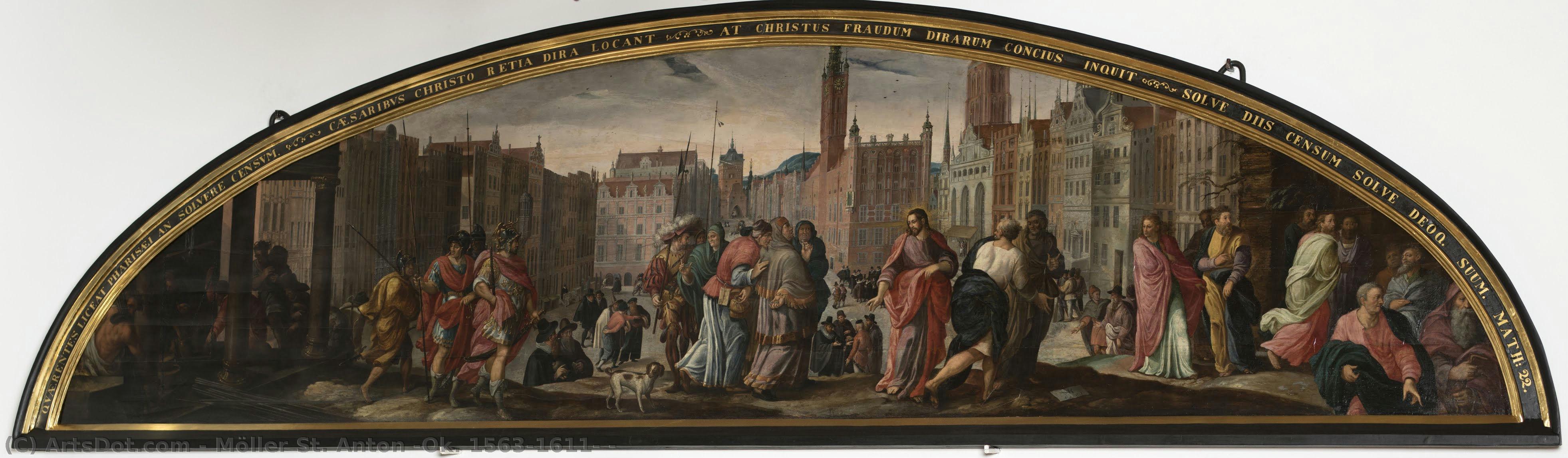
Untitled (DD3D5Z)
 1601
1601 142.0 x 526.0 cm
 Museum of Gdańsk
 Pročitaj više
Giclee štampa / Umetnički otisak
Giclée štampa ili print na platnu muzejskog kvaliteta uz brzu proizvodnju i fleksibilne opcije završne obrade. ( Kupi ručno naslikanu sliku Pređi na digitalnu sliku)




































Izaberite jednu od naših unapred definisanih veličina koje odgovaraju originalnim proporcijama umetničkog dela.

Možete uneti sopstvene dimenzije kako biste umetničko delo prilagodili specifičnom okviru ili prostoru. Ako odabrani format ne odgovara proporcijama originalne slike, mi ćemo ili iscrtati deo dela ili proširiti sliku pomoću ogledane ivice ili jednobojnog popunjavanja. Digitalni prikaz će vam biti poslat na odobrenje pre početka proizvodnje.
Imajte na umu da pregled na ekranu ne odražava stvarno iscrtavanje ili proširivanje. Samo će prikaz (mockup) precizno pokazati finalnu kompoziciju.
Iako su prilagođene dimenzije dostupne, preporučujemo da odaberete dimenziju sa unapred definisane liste kako biste očuvali originalne proporcije.
Dostava širom sveta () za 2 nedelje umesto uobičajenih 4/5 nedelja. (9 септембар)

Besplatna ekspresna dostava širom sveta

Visokokvalitetno laneno platno

Kompletno osiguranje transporta

Garancija povraćaja carine i uvoznih dažbina

Garancija vernosti boja

Politika povraćaja u roku od 100 dana (isključivo u slučaju nedostataka)

Garancija povrata novca od 100%

Popust pri grupnoj kupovini
 Opcija sa staklom dostupna je samo za dimenzije manje od 110 cm

Untitled (DD3D5Z)
Giclee štampa / Umetnički otisak
Dimenzije reprodukcije
-


Konačna cena
$ 62
Srodna umetnička dela




Biografija umetnika
Anton Möller (c. 1563 – 1611): A Court Painter of the Bohemian Renaissance
Born in Kaliningrad, Germany—then part of Poland—around 1563, Anton Möller’s life and career unfolded within a period of remarkable artistic and political upheaval. His journey took him from the Baltic region to the heart of the Holy Roman Empire, ultimately establishing him as a significant figure in the vibrant court of Emperor Rudolf II in Prague. Möller's work represents a fascinating intersection of German Renaissance ideals with the burgeoning influence of Mannerism and early Baroque styles, reflecting the eclectic tastes and patronage of one of Europe’s most discerning rulers.
Early training remains somewhat shrouded in mystery, though it is believed that Möller received his foundational artistic education within the workshops of Prague. The court of Rudolf II, a renowned collector of art and science, offered an unparalleled environment for artists seeking recognition and commissions. Rudolf’s fascination with exotic objects, including Oriental carpets, minerals, and scientific instruments, profoundly shaped the aesthetic landscape of his court, encouraging artists to explore new subjects and techniques. Möller quickly rose through the ranks, becoming a valued member of the imperial workshop, producing a diverse body of work that showcased both technical skill and an understanding of complex allegorical and religious themes.
A Palette of Allegory and Faith
Möller’s artistic output spanned several genres, demonstrating his versatility as a painter. He excelled in creating elaborate allegorical scenes—often depicting moral or philosophical concepts through symbolic figures and landscapes—a hallmark of the Rudolf II court. These works frequently drew upon classical mythology and Christian iconography, skillfully blending them with contemporary events and humanist ideals. Biblical narratives also formed a significant portion of his oeuvre, rendered with meticulous detail and dramatic compositions. Portraits were another key element of his practice; he produced likenesses of courtiers, dignitaries, and members of the imperial family, capturing not only their physical appearance but also conveying an impression of their status and personality.
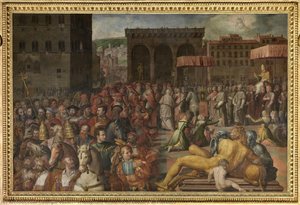
A particularly noteworthy example of Möller’s work is “The Eucharist Procession in Gdańsk” (D7JUPH), a large-scale painting that vividly depicts a religious procession. The scene is rich with detail, showcasing the artist's mastery of perspective, color, and composition. It exemplifies the detailed and often theatrical style favored by Rudolf II’s court, aiming to impress through grandeur and spectacle. Other works, such as “Untitled (DD3D5Z)”, demonstrate his ability to capture movement and emotion with a dynamic approach.
Technique and Influences
Möller's artistic style is characterized by a meticulous attention to detail and a sophisticated understanding of perspective. He employed techniques borrowed from both German Renaissance masters like Lucas Cranach the Elder and the more innovative Mannerist painters who were gaining influence at the time. His use of color is often rich and vibrant, with careful consideration given to light and shadow—a key element in creating depth and drama within his compositions. The influence of Italian Renaissance art, particularly the works of Raphael and Leonardo da Vinci, can also be discerned in his draftsmanship and compositional structure.
The court of Rudolf II provided a unique stimulus for artistic development, encouraging experimentation with new materials and techniques. Möller’s work reflects this spirit of innovation, incorporating elements of both traditional and contemporary styles to create a distinctive visual language.
Legacy and Market Value
Anton Möller's career spanned roughly 48 years, culminating in his death in 1611. During his lifetime, his work was recognized within the circles of imperial patronage, evidenced by its appearance at auction with prices ranging from $3,590 to $239,744 USD. Today, his paintings are highly sought after by collectors and museums alike, representing a valuable window into the artistic world of 16th-century Prague. His legacy as a court painter who skillfully navigated the complex dynamics of Renaissance patronage continues to be appreciated for his technical skill, allegorical sophistication, and contribution to the rich tapestry of European art history.
His works are currently available for reproduction through ArtsDot.com and similar platforms, allowing enthusiasts worldwide to experience the beauty and historical significance of this remarkable artist’s creations.
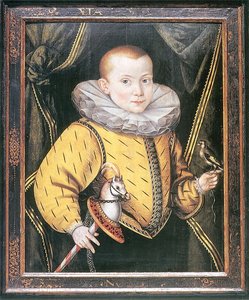
möller st. anton (ok. 1563-1611)
1563 - 1611 , Germany
Osnovne informacije
- Artistic Movement Or Style: Allegorical & Biblical
- Date Of Birth: 1563
- Date Of Death: 1611
- Full Name: Anton Möller (ok. 1563-1611)
- Nationality: German
- Notable Artworks: ['The Eucharist Procession in Gdańsk']
- Place Of Birth: Kaliningrad, Germany