

 Pregledaj u prostoru
 Pošalji
 Podeli
 Detalji o delu

 Преузми
 Slični predmeti
 Rendgenski snimak
 Slajdovi
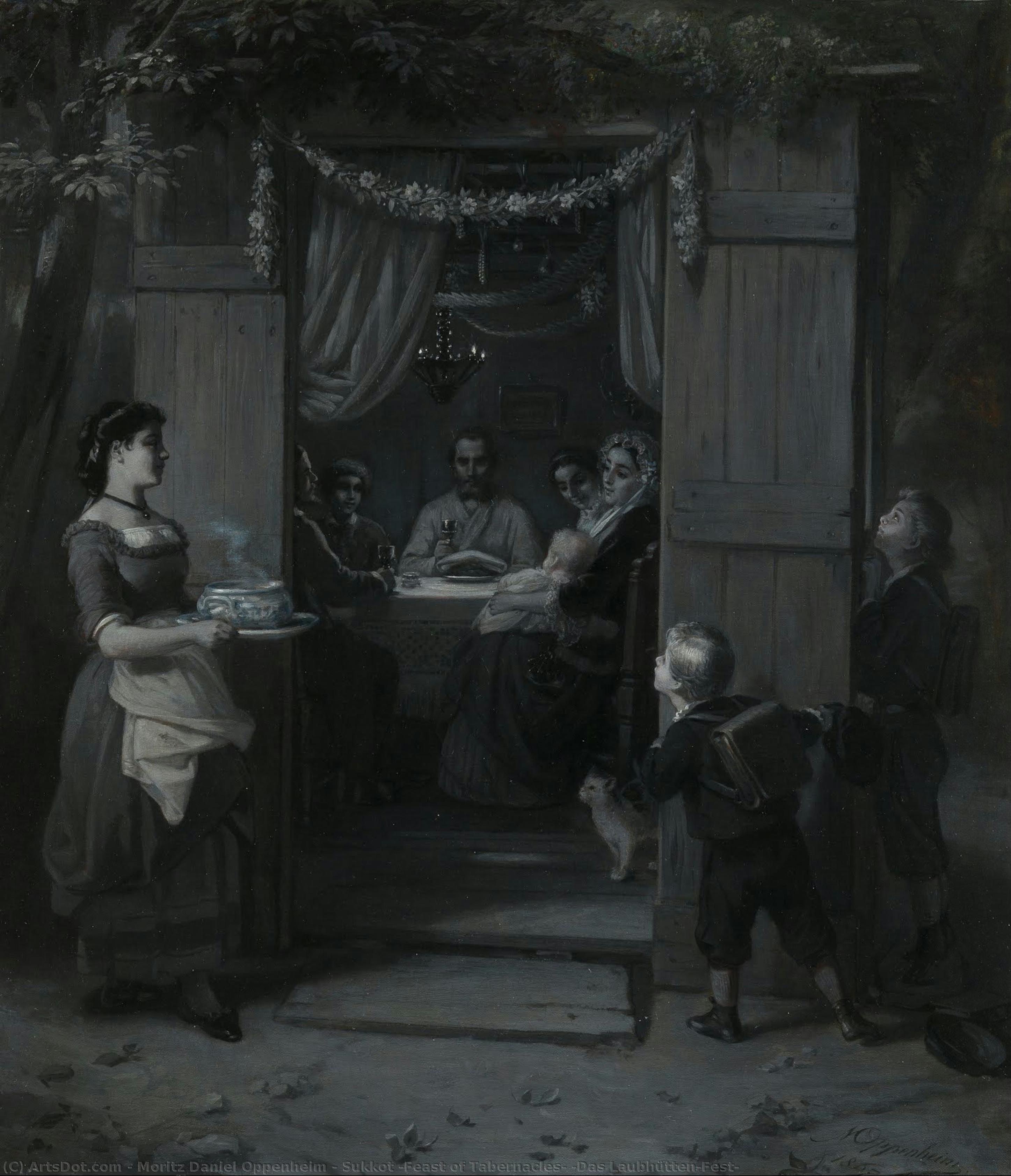
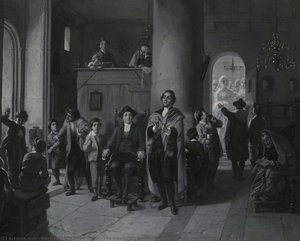
Sukkot (Feast of Tabernacles) (Das Laubhütten-Fest)
 Oil On Canvas
- WallArt
- German Romanticism
 1867
1867 559.0 x 646.0 cm
 Jevrejski muzej
 Pročitaj više
Ručno rađena uljana reprodukcija
Ručno oslikano uljanim bojama na platnu u dimenzijama i okviru po vašem izboru, izrađeno po porudžbini od strane naših umetnika. ( Kupi print Kupi digitalnu sliku)




P118B $10

P118H $10

P118W $10

P438Z $10

P508JH $12

P508YH $12

P805H $10

P805Z $10

P919BZ $10

P919G $10

P919XJ $10

P959ZH $10

P968JZ $12

W106C $8

W218G $10

W218JH $8

W218Y $10

W307PJ $10

W316G $10

W316PJ $8

W316Y $10

W398PJ $8

W4111J $10

W500HY $15

W500JH $15

W692G $12

W849H $8

W940BG $15

W953PJ $8




Izaberite jednu od naših unapred definisanih veličina koje odgovaraju originalnim proporcijama umetničkog dela.

Можете унети сопствене димензије како бисте прилагодили дело одређеном оквиру или простору. Ако одабрана величина не одговара пропорцијама оригинала, слика ће бити исечена или проширена додатним елементима који се ручно насликавају. Дигитални prikaz ће вам бити послат на одобрење пре почетка производње.
Имајте на уму да преглед на екрану не одражава стварно исецање или проширење. Само приказ (mockup) ће тачно приказати коначну композицију.
Иако су доступне прилагођене величине, препоручујемо да одаберете димензију из дефинисане листе како бисте сачували оригиналне пропорције.
Nakon narudžbine, tim ArtsDot.com će klijentu putem e-pošte poslati uputstva i dostaviti prikaz predloženog rešenja
Isporuka širom sveta () za 3/4 nedelje umesto uobičajenih 5 nedelja. (23 август). Bez kompromisa po pitanju kvaliteta.

Besplatna ekspresna dostava širom sveta

Visokokvalitetno laneno platno

Kompletno osiguranje transporta

Garancija povraćaja carine i uvoznih dažbina

Garancija vernosti boja

Politika povrata u roku od 60 dana (samo u slučaju nedostataka)

Garancija povrata novca od 100%

Popust pri grupnoj kupovini
 Opcija sa staklom dostupna je samo za dimenzije manje od 110 cm

Sukkot (Feast of Tabernacles) (Das Laubhütten-Fest)
Tehnika reprodukcije
Dimenzije reprodukcije
-


Konačna cena
$ 388
Opis umetničkog dela
A Window into Tradition: Moritz Daniel Oppenheim’s “Sukkot”
Moritz Daniel Oppenheim's "Sukkot (Feast of Tabernacles) (Das Laubhütten-Fest)," painted in 1867, is more than just a depiction of a family gathering; it’s a poignant window into the heart of 19th-century Jewish life and a testament to an artist's commitment to portraying his heritage with remarkable sensitivity. Born in Hanau, Germany, Oppenheim navigated a world where many of his fellow Jews were choosing assimilation, yet he resolutely remained true to his roots, documenting the rituals and customs that defined his community’s identity. This painting, now housed within The Jewish Museum's collection, stands as a powerful example of this dedication – a quiet celebration brimming with familial warmth and spiritual significance.
The scene unfolds within a rustic sukkah, a temporary dwelling constructed for the Feast of Sukkot, commemorating the Israelites’ wandering in the desert. Oppenheim masterfully captures the essence of this tradition through meticulous detail: the rough-hewn wooden walls, draped with fabric and adorned with autumnal fruits and foliage – symbols of abundance and gratitude. The composition is anchored by a central table laden with food and drink, a focal point for communal sharing and blessing. Beyond the immediate domestic setting, the painting subtly hints at the broader historical context, reminding viewers of the ancient roots of this celebration.
A Study in Grayscale and Texture
Oppenheim’s choice to render the scene entirely in grayscale—a deliberate stylistic decision—amplifies the painting's emotional impact. Rather than relying on vibrant color, he skillfully employs tonal variations – from deep blacks to soft whites – to create a profound sense of form and depth. This monochromatic palette lends an air of solemnity and timelessness, drawing attention to the textures of the scene: the rough grain of the wood, the delicate folds of fabric, the smooth porcelain of the dishes, and even the fur of the cat playfully observing the festivities. The artist’s meticulous rendering technique is evident in every brushstroke, showcasing a deep understanding of how light and shadow can shape perception.
Linear perspective guides the viewer's eye through the composition, receding into the background to create a believable sense of space. The figures are carefully arranged, with overlapping forms and subtle gradations of tone that enhance the feeling of depth. The artist’s attention to detail extends beyond mere representation; he seems to have deliberately sculpted the scene using light and shadow, imbuing it with a tangible quality – as if one could reach out and touch the rough wood of the sukkah or feel the warmth radiating from the steaming soup.
Symbolism and Emotional Resonance
The painting is rich in symbolic meaning. The act of blessing the wine glass, presided over by the father, represents a central ritual of Sukkot – a moment of communal gratitude and connection to God. The gaze of the wife and daughter towards the baby underscores themes of family, lineage, and continuity. Even the presence of the maid carrying the steaming soup—and the cat playfully caught in its warmth—adds a layer of domesticity and humor, reminding us that even sacred traditions are rooted in everyday life.
“Sukkot” is not merely a record of a religious celebration; it’s an exploration of human connection, tradition, and faith. The painting evokes feelings of warmth, familial love, and reverence for the past. It speaks to the enduring power of community and the importance of preserving cultural heritage – themes that resonate deeply with viewers today. The subtle expressions on the faces of the family members, combined with the intimate setting, create a powerful sense of emotional resonance, inviting us to contemplate our own connections to tradition and belonging.
Historical Context and Artistic Significance
Moritz Daniel Oppenheim’s work is particularly significant for its role in shaping Jewish artistic representation during a period of profound change. As one of the first Jewish artists to achieve widespread recognition within the mainstream German art world, Oppenheim challenged prevailing stereotypes and offered a nuanced portrayal of Jewish life that moved beyond simplistic representations. His commitment to documenting his community’s traditions—particularly through scenes like “Sukkot”—contributed significantly to the development of *Wissenschaft des Judentums* (the Science of Judaism), a movement dedicated to scholarly research into Jewish history, culture, and religion.
Oppenheim's decision to remain within his faith, despite societal pressures towards assimilation, is reflected in his art. “Sukkot” stands as a testament to his dedication to preserving Jewish identity through artistic expression – a powerful reminder of the importance of cultural heritage and the enduring beauty of tradition.
Srodna umetnička dela


Povezani članci
Benjamin Shahn: Social Realism & the Poetics of American Identity
Explore the powerful social realism of Benjamin Shahn (1898-1969). Discover his iconic murals, poignant Dust Bowl paintings & unique synthesis of Jewish identity and American Modernism. Learn about this influential artist's legacy.
Sir William Rothenstein: A Life Dedicated to British Art & Modernism's Cultivation
Explore the life & art of Sir William Rothenstein – a pivotal figure in British Modernism. Discover his portraits, war paintings, and influential role at the Royal College of Art. A comprehensive biography for art enthusiasts.
Penny Diane Wolin: Navigating Memory, Identity & Place Through Abstract Expressionism
Explore the profound work of Penny Diane Wolin, a master of abstract expressionism & documentary photography. Discover her explorations of memory, identity, and cultural heritage – a compelling investment for discerning art collectors.

