

 Pregledaj u prostoru
 Pošalji
 Podeli
 Detalji o delu

 Преузми
 Slični predmeti
 Rendgenski snimak
 Slajdovi
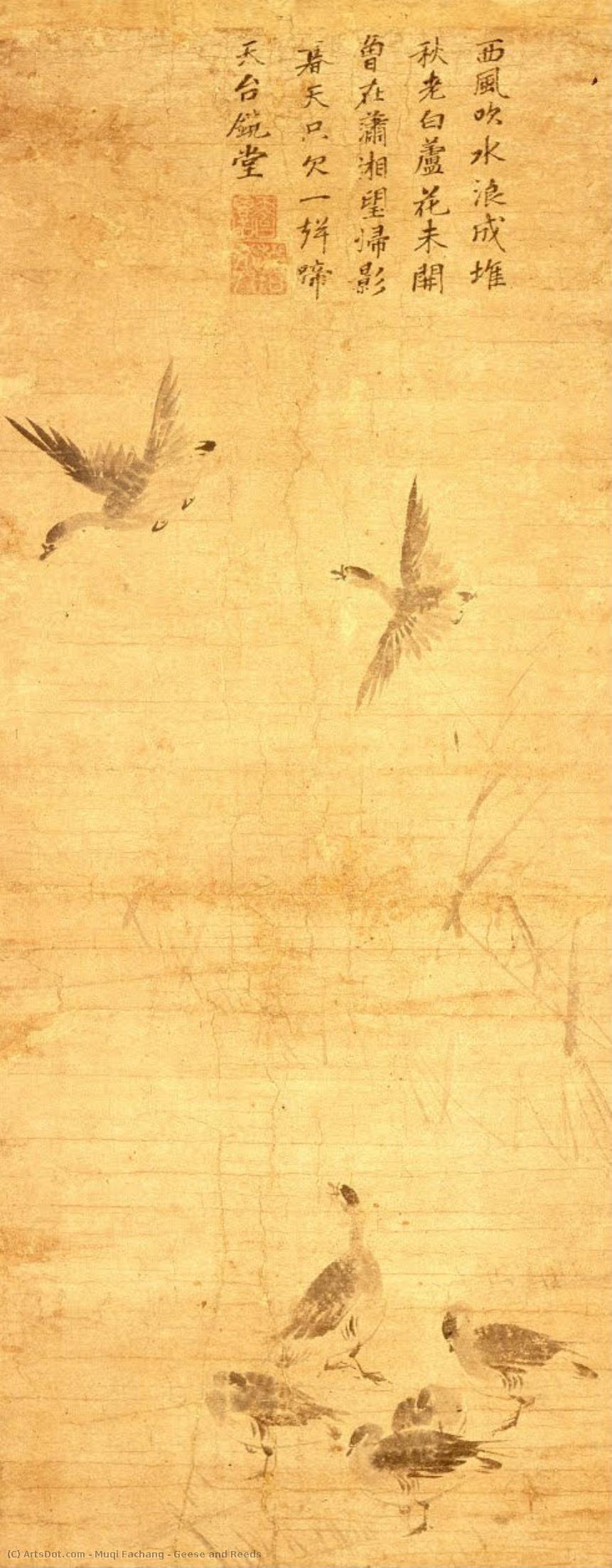
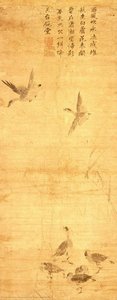
Geese and Reeds
 70.0 x 27.0 cm
 Pročitaj više
Kupite digitalnu sliku visoke rezolucije i poboljšanog kvaliteta, koja je znatno superiornija od onoga što vidite u online prikazu.
Svaka datoteka je pedantno pripremljena od strane naših stručnjaka koristeći napredne alate i profesionalnu ručnu retušu. Osiguravamo da svaka slika ima izuzetnu oštrinu, preciznu reprodukciju boja i fine detalje.
Konačna datoteka se dostavlja putem e-pošte u roku od 72 sata, optimizovana za neposrednu upotrebu u profesionalnim, izdavačkim i štamparskim okruženjima. To je isti kvalitet kojem veruju vrhunski studiji dizajna, izdavači i galerije.
Digitalna slika
Preuzmite datoteku visoke rezolucije za ličnu upotrebu, štampanje i kreativne projekte. ( Kupi print Kupi ručno naslikanu sliku)
Uključeno uz svaku porudžbinu digitalne slike
Profesionalna digitalna isporuka, zagarantovana
Kada odaberete ArtsDot.com, ne dobijate samo sliku – vi primate profesionalno unapređeno digitalno umetničko delo, izrađeno sa najvećom preciznošću i uz garanciju zadovoljstva. Evo svega što automatski dolazi uz vašu porudžbinu:

Brza dostava putem e-pošte
Vaša digitalna slika visoke rezolucije biće vam poslata putem e-pošte u roku od 72 sata od poručivanja – spremna za trenutnu upotrebu.

Digitalna datoteka unapređena veštačkom inteligencijom
Vaše umetničko delo je profesionalno optimizovano korišćenjem naprednih AI alata i ručne obrade, čime se osiguravaju maksimalni detalji, oštrina i preciznost boja.

Besplatna ponovna isporuka doživotno
Slučajno ste obrisali ili izgubili svoju datoteku? Ne brinite – poslaćemo vam je ponovo u bilo kom trenutku, potpuno besplatno.

Bez troškova uvoza – zauvek
Uživajte u svojim umetničkim delima trenutno, bez carine, dažbina ili troškova dostave – digitalni download je uvek bez poreza.

Garancija vernosti boja
Uz pomoć profesionalnih alata i upravljanja bojama, osiguravamo da vaša digitalna slika što vernije odražava originalne boje.

Garancija zadovoljstva od 100 dana
Ako niste zadovoljni svojom digitalnom slikom, izvršićemo reviziju ili ćemo vam vratiti 100% novca u roku od 100 dana – bez ikakvih pitanja.

100% garancija povrata novca
Niste zadovoljni? Dobijte puni povraćaj novca u roku od 100 dana od prijema digitalne datoteke – bez suvišnih pitanja.

Popusti na velike porudžbine
Kupite 3 slike, uštedite 10% - Kupite 5 slika, uštedite 15% - Kupite 10+ slika, uštedite 20%. Odlično za kreativne projekte, galerije i agencije.
Srodna umetnička dela


Biografija umetnika
The Ethereal Ink of Muqi Fachang
In the quiet, mist-shrouded landscapes of the thirteenth century, a monk emerged from the Sichuan province whose brushstrokes would forever alter the course of East Asian aesthetics. Muqi Fachang, known to history by his art name Muqi or Muxi, was not merely a painter but a spiritual conduit, translating the profound silences of Chan Buddhism into the language of ink and paper. While much of his personal biography remains veiled in the shadows of monastic anonymity, his presence is felt through every spontaneous splash of ink that captures the fleeting essence of existence. Born toward the end of the Southern Song dynasty, Muqi lived during a period of immense cultural transition, and his work became a bridge between the structured traditions of the past and a new, intuitive way of seeing the world.
The foundations of Muqi’s mastery were laid under the guidance of the esteemed Chan master Liang Kai. This apprenticeship was crucial, as it introduced him to a style that prioritized the spirit over the literal form. Under the influence of such mentors and the spiritual atmosphere of temples like Liutong, Mucept developed a technique rooted in yunshuo—the study of clouds and water. This approach eschewed the rigid, meticulous detailing found in academic court painting, opting instead for a method where ink blots and broad, sweeping strokes conveyed the dynamic energy of nature. To look upon a Muqi painting is to witness a deliberate rejection of the superficial; he sought the qi, or life force, that resides within the simplest of subjects.
A Legacy Written in Water and Mist
Muqi’s artistic repertoire was remarkably diverse, yet it remained anchored by a singular, meditative focus. He moved effortlessly between the sacred and the secular, finding profound meaning in both the iconographic and the everyday. His works often featured:
- Sacred Iconography: The famous Daitokuji triptych, featuring a white-robed Guanyin flanked by monkeys and a crane, exemplifies his ability to infuse religious figures with a sense of naturalistic grace.
- Natural Simplicity: His legendary Six Persimmons remains perhaps the most iconic example of Chan painting, where the weight, texture, and subtle translucency of the fruit are rendered with an almost miraculous economy of line.
- Dynamic Wildlife: Beyond the spiritual, he captured the raw vitality of the natural world through depictions of tigers, geese, and reeds, using varying tones of ink to suggest movement and atmosphere.
The historical significance of Muqi Fachang extends far beyond the borders of China. As political shifts forced him toward the capital of Hangzhou, his influence traveled across the sea to Japan. There, his "splashed-ink" style became a cornerstone for Japanese Zen monk-painters, profoundly shaping the aesthetic of Sumi-e. His ability to find the infinite within the infinitesimal—to see the entire universe in a single falling leaf or a ripening fruit—provided a visual vocabulary for Zen practitioners for centuries. Even today, Muqi stands as a titan of the Chan tradition, reminding us that true beauty lies not in what is added, but in what is left unsaid.
muqi fachang
1210 - 1269 , People's Republic of China
Kratke činjenice
- Artistic Movement Or Style: Chan painting
- Artists Or Movements Influenced By This Artist: ['Japanese ink painting']
- Artists Who Influenced This Artist: ['Liang Kai']
- Date Of Death: 1269
- Full Name: Muqi Fachang
- Nationality: Chinese
- Notable Artworks:
- Six Persimmons
- Daitokuji Triptych
- Place Of Birth: Sichuan province, China