

 Pregledaj u prostoru
 Pošalji
 Podeli
 Detalji o delu

 Преузми
 Slični predmeti
 Rendgenski snimak
 Slajdovi
 Statistika
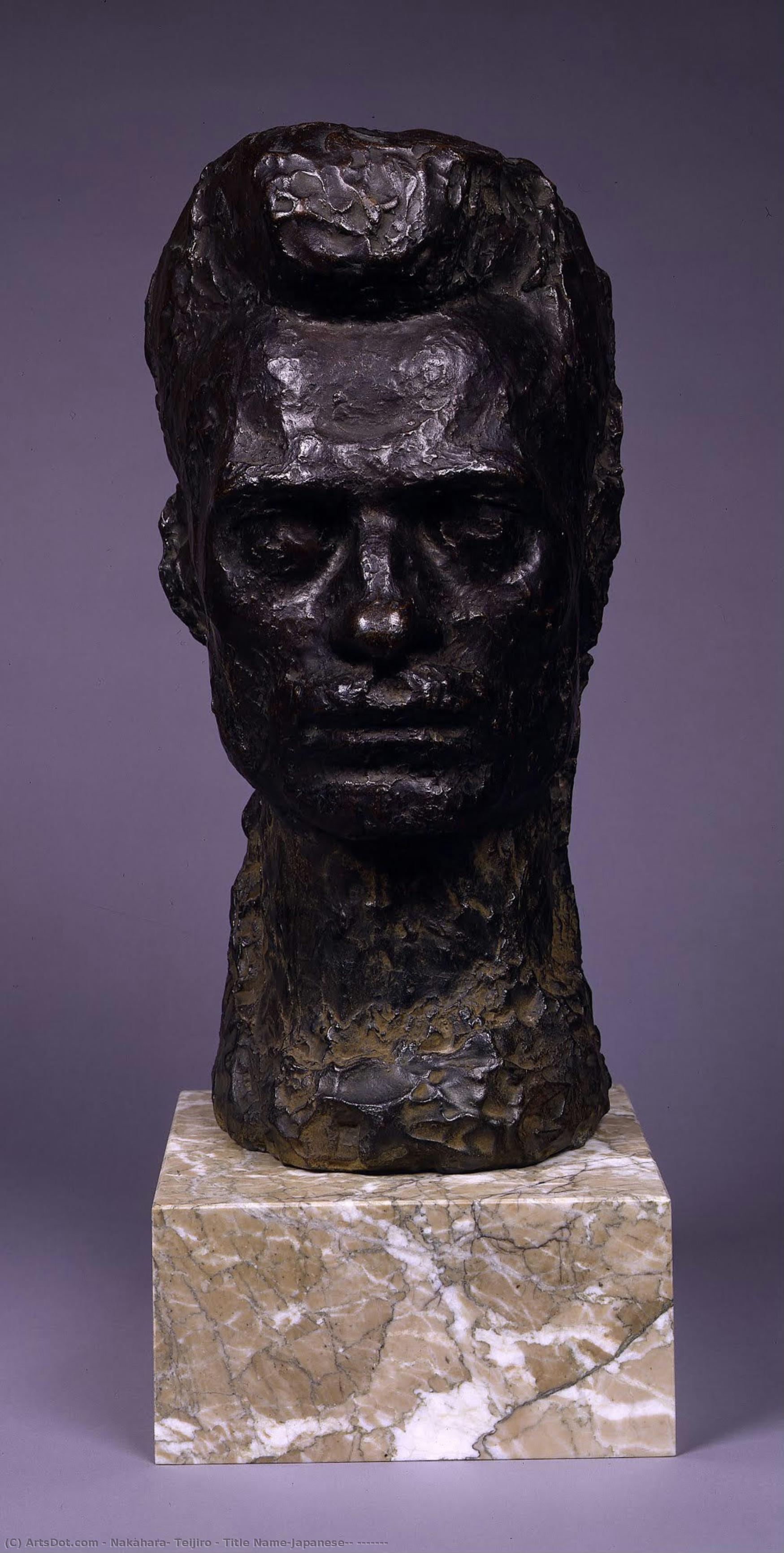
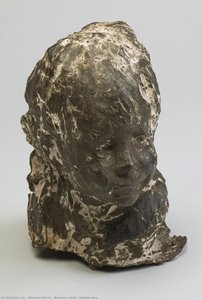
Title Name(Japanese): 若きカフカス人
 1919
1919 20.0 x 42.0 cm
 Pročitaj više
Giclee štampa / Umetnički otisak
Giclée štampa ili print na platnu muzejskog kvaliteta uz brzu proizvodnju i fleksibilne opcije završne obrade. ( Kupi ručno naslikanu sliku Pređi na digitalnu sliku)




































Izaberite jednu od naših unapred definisanih veličina koje odgovaraju originalnim proporcijama umetničkog dela.

Možete uneti sopstvene dimenzije kako biste umetničko delo prilagodili specifičnom okviru ili prostoru. Ako odabrani format ne odgovara proporcijama originalne slike, mi ćemo ili iscrtati deo dela ili proširiti sliku pomoću ogledane ivice ili jednobojnog popunjavanja. Digitalni prikaz će vam biti poslat na odobrenje pre početka proizvodnje.
Imajte na umu da pregled na ekranu ne odražava stvarno iscrtavanje ili proširivanje. Samo će prikaz (mockup) precizno pokazati finalnu kompoziciju.
Iako su prilagođene dimenzije dostupne, preporučujemo da odaberete dimenziju sa unapred definisane liste kako biste očuvali originalne proporcije.
Dostava širom sveta () za 2 nedelje umesto uobičajenih 4/5 nedelja. (9 септембар)

Besplatna ekspresna dostava širom sveta

Visokokvalitetno laneno platno

Kompletno osiguranje transporta

Garancija povraćaja carine i uvoznih dažbina

Garancija vernosti boja

Politika povraćaja u roku od 100 dana (isključivo u slučaju nedostataka)

Garancija povrata novca od 100%

Popust pri grupnoj kupovini
 Opcija sa staklom dostupna je samo za dimenzije manje od 110 cm

Title Name(Japanese): 若きカフカス人
Giclee štampa / Umetnički otisak
Dimenzije reprodukcije
-


Konačna cena
$ 62
Srodna umetnička dela






Biografija umetnika
A Brief Life Etched in Bronze: The Sculptural Legacy of Teijiro Nakahara
Teijiro Nakahara, a name perhaps unfamiliar to many outside the circles of Japanese modern sculpture, represents a poignant and tragically short-lived talent. Born in Asahikawa, Japan, in 1888, Nakahara’s artistic journey was one of intense dedication cut short by his untimely death in 1921 at the age of just thirty-two. His work, though limited in number due to his brief career, stands as a powerful testament to the burgeoning influence of Western sculptural traditions on Japanese art during the early 20th century, and more specifically, the impact of Rodin’s emotive realism. Nakahara wasn't merely replicating styles; he was synthesizing them with a uniquely Japanese sensibility, creating pieces that resonate with both universal human emotion and a distinctly local aesthetic.From Painterly Aspirations to Sculptural Revelation
Initially drawn to painting, Nakahara’s artistic path took a decisive turn after encountering the works of Morie Ogihara, a sculptor who had recently returned from Europe. This exposure proved transformative. Through Ogihara, Nakahara discovered the profound impact of Auguste Rodin – not just his technical mastery but also his ability to convey raw emotion and psychological depth through form. This encounter sparked a fundamental shift in Nakahara’s artistic focus; he enrolled in the carving and modeling division of the Taiheiyogakai institute, fully committing himself to sculpture. He later joined the Nihon Bijutsuin (Japan Art Institute) in 1916, solidifying his position within the evolving landscape of Japanese art. This period marked a crucial phase of development, where he honed his skills and began to forge his own artistic voice.The Power of ‘Head of Old Man’ and Beyond
Nakahara's most celebrated work, “Head of Old Man” (1916), encapsulates the core tenets of his artistic vision. The sculpture is a bronze bust that transcends mere representation; it’s a deeply moving portrait of wisdom, resilience, and the weight of experience etched onto a weathered face. The classical figurative style is evident, yet Nakahara infuses the work with an intimacy and psychological complexity rarely seen in traditional Japanese sculpture. He achieved this through meticulous detail – the lines around the eyes, the texture of the skin – but also through a deliberate emphasis on planes and volumes inspired by Rodin’s techniques. The somber mood is palpable, inviting contemplation on themes of aging, mortality, and the human condition. Beyond “Head of Old Man,” Nakahara produced other notable works like "Old Mendicant", demonstrating his continued exploration of human subjects and emotional depth.A Lasting Influence: The Asahikawa Museum and a Legacy Preserved
Despite his tragically short career, Teijiro Nakahara left an indelible mark on the art world. The establishment of the Asahikawa Museum of Sculpture in Honor of Teijiro Nakahara stands as a powerful tribute to his legacy. Originally built as the officer’s social club for the 7th Division of the Imperial Japanese Army (1902-1945), the building itself holds historical significance, designated an Important Cultural Property in 1968. Today, the museum houses Nakahara's twelve known sculptures alongside works by artists who influenced him – Rodin and Ogihara among them – as well as pieces from winners of the Teijiro Nakahara Award, founded in 1970. The museum actively promotes sculpture through exhibitions, lectures, and workshops, ensuring that Nakahara’s artistic spirit continues to inspire generations of sculptors and art enthusiasts.Historical Significance: Bridging East and West
Teijiro Nakahara occupies a unique position in the history of Japanese modern sculpture. He was not simply imitating Western styles but actively engaging with them, adapting them to express uniquely Japanese sensibilities. His work reflects a pivotal moment in Japanese art – a period of rapid modernization and increasing exposure to international influences. Nakahara’s sculptures represent a bridge between traditional artistic values and the burgeoning possibilities of modernism. He demonstrated that it was possible to embrace new techniques and perspectives while remaining deeply rooted in one's own cultural heritage, leaving behind a body of work that continues to resonate with its profound emotional depth and technical brilliance. His legacy is not merely as a skilled sculptor but as a pioneer who helped shape the course of Japanese art in the 20th century.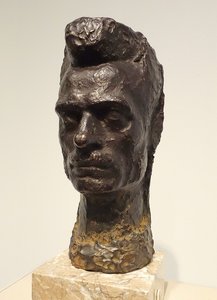
nakahara, teijiro
1888 - 1921 , Japan
Osnovne informacije
- Artistic Movement Or Style: Early 20th Century Art
- Artists Who Influenced This Artist:
- Ogiwara Morie
- Rodin
- Date Of Birth: 1888
- Date Of Death: 1921
- Full Name: Teijiro Nakahara
- Nationality: Japanese
- Notable Artworks:
- Head of Old Man
- Old Mendicant
- Place Of Birth: Asahikawa, Japan