

 Pregledaj u prostoru
 Pošalji
 Podeli
 Detalji o delu

 Преузми
 Slični predmeti
 Rendgenski snimak
 Slajdovi
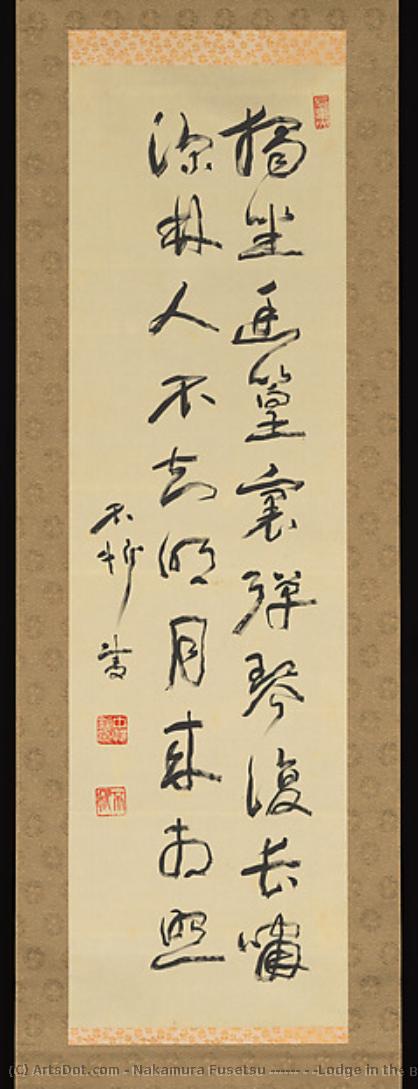
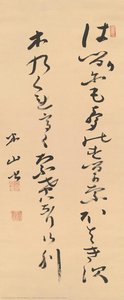
“Lodge in the Bamboo Grove,” a Poem by Wang Wei
 Ink On Paper
- WallArt
- Yōga
 1920
1920- Modern
 129.0 x 37.0 cm
 Pročitaj više
Kupite digitalnu sliku visoke rezolucije i poboljšanog kvaliteta, koja je znatno superiornija od onoga što vidite u online prikazu.
Svaka datoteka je pedantno pripremljena od strane naših stručnjaka koristeći napredne alate i profesionalnu ručnu retušu. Osiguravamo da svaka slika ima izuzetnu oštrinu, preciznu reprodukciju boja i fine detalje.
Konačna datoteka se dostavlja putem e-pošte u roku od 72 sata, optimizovana za neposrednu upotrebu u profesionalnim, izdavačkim i štamparskim okruženjima. To je isti kvalitet kojem veruju vrhunski studiji dizajna, izdavači i galerije.
Digitalna slika
Preuzmite datoteku visoke rezolucije za ličnu upotrebu, štampanje i kreativne projekte. ( Kupi print Kupi ručno naslikanu sliku)
Uključeno uz svaku porudžbinu digitalne slike
Profesionalna digitalna isporuka, zagarantovana
Kada odaberete ArtsDot.com, ne dobijate samo sliku – vi primate profesionalno unapređeno digitalno umetničko delo, izrađeno sa najvećom preciznošću i uz garanciju zadovoljstva. Evo svega što automatski dolazi uz vašu porudžbinu:

Brza dostava putem e-pošte
Vaša digitalna slika visoke rezolucije biće vam poslata putem e-pošte u roku od 72 sata od poručivanja – spremna za trenutnu upotrebu.

Digitalna datoteka unapređena veštačkom inteligencijom
Vaše umetničko delo je profesionalno optimizovano korišćenjem naprednih AI alata i ručne obrade, čime se osiguravaju maksimalni detalji, oštrina i preciznost boja.

Besplatna ponovna isporuka doživotno
Slučajno ste obrisali ili izgubili svoju datoteku? Ne brinite – poslaćemo vam je ponovo u bilo kom trenutku, potpuno besplatno.

Bez troškova uvoza – zauvek
Uživajte u svojim umetničkim delima trenutno, bez carine, dažbina ili troškova dostave – digitalni download je uvek bez poreza.

Garancija vernosti boja
Uz pomoć profesionalnih alata i upravljanja bojama, osiguravamo da vaša digitalna slika što vernije odražava originalne boje.

Garancija zadovoljstva u roku od 60 dana
Ako niste zadovoljni svojom digitalnom slikom, revidirat ćemo je ili vratiti 100% novca u roku od 60 dana – bez ikakvih pitanja.

100% garancija povrata novca
Niste zadovoljni? Obezbedite pun povrat novca u roku od 60 dana od trenutka kada ste primili svoju digitalnu datoteku – bez suvišnih pitanja.

Popusti na velike porudžbine
Kupite 3 slike, uštedite 10% - Kupite 5 slika, uštedite 15% - Kupite 10+ slika, uštedite 20%. Odlično za kreativne projekte, galerije i agencije.
A Glimpse into Zen Serenity: Nakamura Fusetsu’s “Lodge in the Bamboo Grove”
- Artist: nakamura fusetsu (中村不折)
- Date: 1920
- Dimensions: 129 x 37 cm
Nakamura Fusetsu’s “Lodge in the Bamboo Grove” is a captivating Japanese calligraphy scroll that embodies tranquility and artistic refinement. Created in 1920, this piece showcases a poem by the renowned Tang-dynasty poet Wang Wei, rendered with exquisite skill and imbued with profound meaning.
The Poem & Its Zen Aesthetic
At the heart of this artwork lies a quatrain by Wang Wei, a celebrated figure in Chinese literature known for his fusion of poetry and Taoist philosophy. The poem, transcribed in elegant semi-cursive script across two columns, speaks of solitude, nature, and the quiet communion with the moon:
独坐幽篁裏
弾琴復長嘯
深林人不知
明月来相照
Translation: I sit alone in a secluded bamboo grove, Plucking the zither and intoning poems. No one knows I dwell deep in the forest. Only the brilliant moon comes to join me when it shines.
This poem resonated deeply within Japanese culture, becoming an expression of Zen aesthetic priorities. The imagery of a solitary figure finding solace in nature, accompanied only by the moonlight, evokes a sense of peace and detachment from worldly concerns – core tenets of Zen Buddhism. Notably, the term “changxiao” (長嘯), meaning "transcendental whistling," originally referred to an ancient Daoist practice with spiritual significance, later adopted in Japan to signify composing and reciting poetry.
Artistic Technique & Influences
Fusetsu’s calligraphy demonstrates a masterful command of brushwork. Drawing inspiration from the semi-cursive and cursive scripts of Jin-dynasty Chinese masters (3rd – 4th century), he meticulously crafted each character, ensuring individuality in every stroke. He employed a technique of constantly rolling the brush tip, creating tremulous lines that add dynamism to the composition. A unique element is his deliberate exposure of the underlying paper within certain strokes—achieved by varying pressure on the brush—resulting in textured passages that enhance visual depth and interest. This interplay of dark ink and lighter paper creates a captivating contrast while maintaining an overall consistent ink tone, showcasing Fusetsu’s exceptional control over his medium.
Historical Context & The Artist
Nakamura Fusetsu (1866-1943) was a prominent figure in prewar Japan, celebrated as both a calligrapher and an oil painter. He received traditional training in Chinese calligraphy and literati painting from his youth before expanding his artistic horizons by studying oil painting with European masters Raphaël Collin and Jean-Paul Laurens in Paris. A devoted collector of Chinese calligraphy, Fusetsu’s work reflects this deep appreciation for Eastern artistic traditions. His legacy extends beyond his own creations; he established the Shodō Hakubutsukan (Museum of Calligraphy), now part of the Taitō City Calligraphy Museum, dedicated to preserving and exhibiting Japanese calligraphy.
Symbolism & Emotional Impact
“Lodge in the Bamboo Grove” transcends mere textual representation. It is a visual poem that evokes feelings of tranquility, contemplation, and harmony with nature. The serene brushwork, combined with the evocative imagery of Wang Wei’s verse, creates an atmosphere of quiet introspection. This artwork serves as a powerful reminder of the beauty found in solitude and the enduring connection between art, poetry, and spiritual practice.
Srodna umetnička dela
Biografija umetnika
A Life Dedicated to Brush and Ink: The World of Nakamura Fusetsu
Nakamura Fusetsu (中村不折, born Sakutarō on August 19th, 1866 in Tokyo – died June 6th, 1943 in Tokyo) stands as a compelling figure bridging the traditional and modern currents within Japanese art. He wasn’t merely a painter; he was a dedicated scholar of aesthetics, a masterful calligrapher, and a pivotal player in the development of *Yōga* – Western-style painting – during the Meiji and Taishō periods. Fusetsu's life unfolded against a backdrop of rapid modernization in Japan, a time when the nation actively sought to integrate aspects of Western culture while simultaneously preserving its rich artistic heritage. His journey reflects this complex negotiation, resulting in a unique synthesis that earned him recognition both within the Imperial Court and among progressive art circles.Early Training and the Embrace of Yōga
Fusetsu’s initial artistic education was steeped in traditional Japanese painting styles, particularly *Nanga* (literati painting), which emphasized expressive brushwork and poetic themes inspired by Chinese scholar-artists. However, he quickly became fascinated with Western art techniques upon their introduction to Japan during the Meiji Restoration. He studied under Kawai Gyokudō, a prominent figure in adapting Western oil painting methods for Japanese sensibilities. This early exposure proved transformative. Fusetsu wasn’t interested in simply replicating Western styles; instead, he sought to incorporate them into his existing artistic vocabulary, creating a hybrid approach that valued both realistic representation and the expressive qualities of traditional ink wash painting. He believed that *Yōga* could enrich Japanese art by offering new perspectives on light, shadow, and composition, while simultaneously preserving the spiritual depth inherent in Japanese aesthetics.A Court Painter and Artistic Refinement
Fusetsu’s talent soon garnered attention, leading to a prestigious appointment as a painter for the Imperial Household in 1890. This position afforded him access to exclusive patronage and opportunities to create works for the Imperial Family – a testament to his skill and the growing acceptance of *Yōga* within conservative circles. During this period, he focused on landscapes, often depicting serene scenes inspired by classical Chinese poetry and Japanese gardens. His paintings from this era are characterized by their meticulous detail, subtle color palettes, and an atmosphere of quiet contemplation. He wasn’t simply documenting nature; he was striving to capture its essence – the *ki* or vital energy that permeated all things. His work often featured bamboo groves, plum blossoms, and other motifs laden with symbolic meaning representing resilience, purity, and scholarly virtue.Calligraphy as an Integral Art Form
While celebrated for his paintings, Fusetsu considered calligraphy to be equally important – even foundational – to his artistic practice. He believed that the brushstrokes in calligraphy were a direct expression of the artist’s inner state, embodying *shodō* (the way of writing) and reflecting their spiritual cultivation. He studied various calligraphic styles, mastering both Japanese and Chinese traditions. His calligraphy wasn't merely decorative; it was an integral part of his paintings, often accompanying landscapes with poetic inscriptions that enhanced the overall meaning and emotional impact of the work.- The Interplay of Brushwork: Fusetsu seamlessly integrated painting and calligraphy, believing they were two sides of the same coin.
- Poetic Resonance: His calligraphic inscriptions often drew upon classical literature, adding layers of meaning to his landscapes.
- Spiritual Depth: He saw calligraphy as a path to self-cultivation and spiritual enlightenment.
Legacy and Historical Significance
Nakamura Fusetsu’s contribution to Japanese art lies in his successful fusion of Eastern and Western techniques. He demonstrated that *Yōga* wasn't simply an imitation of foreign styles but could be a powerful tool for artistic innovation, enriching the existing traditions while embracing new possibilities. His work helped pave the way for subsequent generations of Japanese artists who sought to bridge cultural divides and create uniquely modern forms of expression. Fusetsu’s serene landscapes and poetic calligraphy continue to resonate with audiences today, offering a glimpse into a world where artistic skill is intertwined with spiritual depth and a profound appreciation for the beauty of nature. He remains an important figure in understanding the complex evolution of Japanese art during a period of transformative change.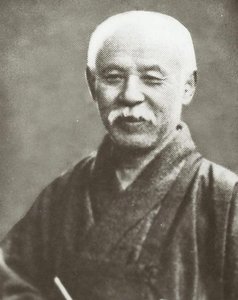
nakamura fusetsu (中村不折)
1866 - 1943 , Japan
Kratke činjenice
- Artistic Movement Or Style: Yōga painting, Calligraphy
- Date Of Birth: August 19, 1866
- Date Of Death: June 6, 1943
- Full Name: Nakamura Fusetsu
- Nationality: Japanese
- Notable Artworks: ['Bamboo Grove paintings']
- Place Of Birth: Tokyo, Japan

