

 Pregledaj u prostoru
 Pošalji
 Podeli
 Detalji o delu

 Преузми
 Slični predmeti
 Rendgenski snimak
 Slajdovi
 Statistika
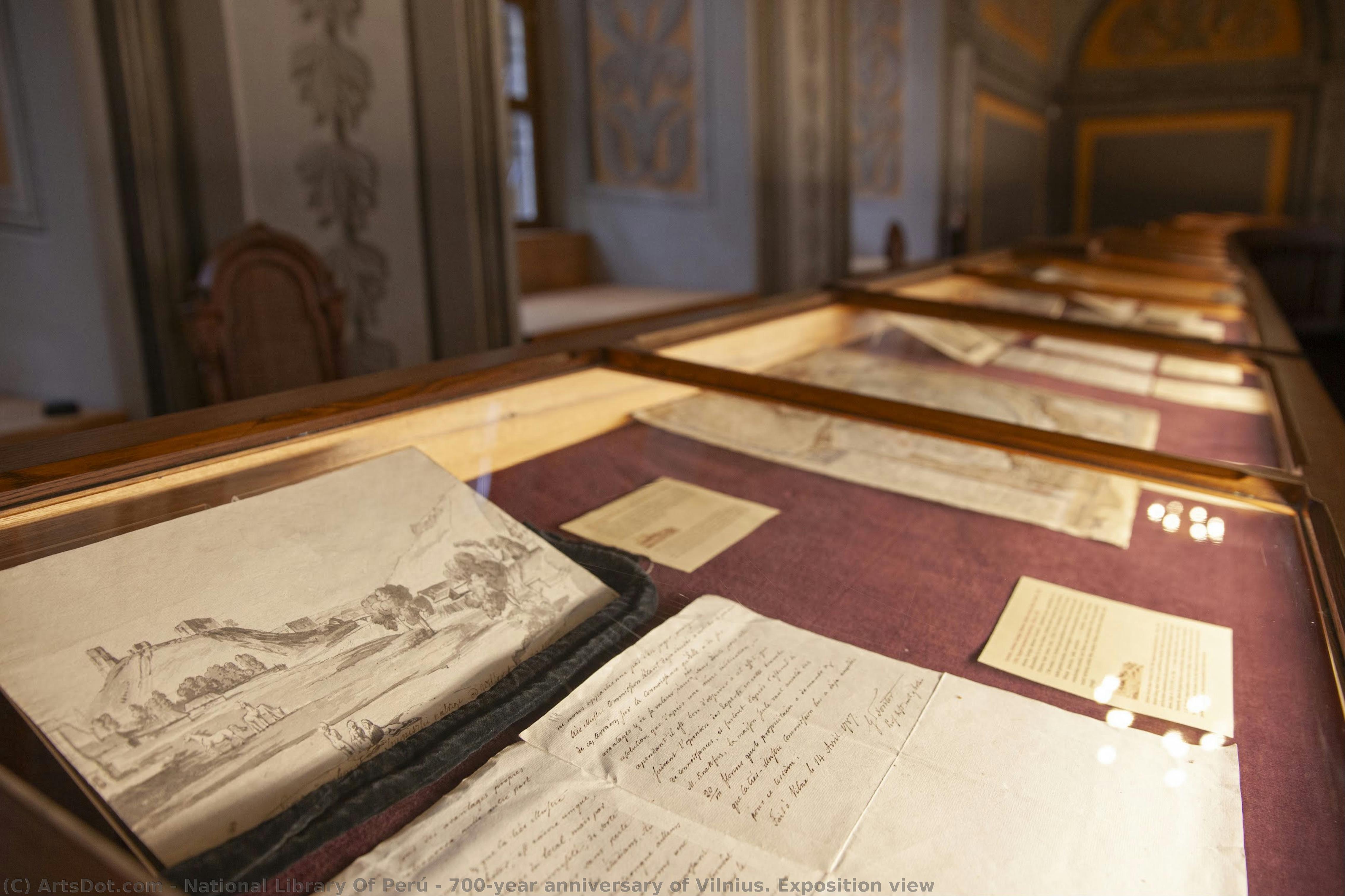
700-year anniversary of Vilnius. Exposition view


 Pročitaj više
Giclee štampa / Umetnički otisak
Giclée štampa ili print na platnu muzejskog kvaliteta uz brzu proizvodnju i fleksibilne opcije završne obrade. ( Kupi ručno naslikanu sliku Pređi na digitalnu sliku)




































Izaberite jednu od naših unapred definisanih veličina koje odgovaraju originalnim proporcijama umetničkog dela.

Možete uneti sopstvene dimenzije kako biste umetničko delo prilagodili specifičnom okviru ili prostoru. Ako odabrani format ne odgovara proporcijama originalne slike, mi ćemo ili iscrtati deo dela ili proširiti sliku pomoću ogledane ivice ili jednobojnog popunjavanja. Digitalni prikaz će vam biti poslat na odobrenje pre početka proizvodnje.
Imajte na umu da pregled na ekranu ne odražava stvarno iscrtavanje ili proširivanje. Samo će prikaz (mockup) precizno pokazati finalnu kompoziciju.
Iako su prilagođene dimenzije dostupne, preporučujemo da odaberete dimenziju sa unapred definisane liste kako biste očuvali originalne proporcije.
Dostava širom sveta () za 2 nedelje umesto uobičajenih 4/5 nedelja. (9 септембар)

Besplatna ekspresna dostava širom sveta

Visokokvalitetno laneno platno

Kompletno osiguranje transporta

Garancija povraćaja carine i uvoznih dažbina

Garancija vernosti boja

Politika povraćaja u roku od 100 dana (isključivo u slučaju nedostataka)

Garancija povrata novca od 100%

Popust pri grupnoj kupovini
 Opcija sa staklom dostupna je samo za dimenzije manje od 110 cm

700-year anniversary of Vilnius. Exposition view
Giclee štampa / Umetnički otisak
Dimenzije reprodukcije
-


Konačna cena
$ 62
Srodna umetnička dela










Biografija umetnika
A Repository of Memory: The National Library of Peru
The National Library of Peru, far from being a single artist’s creation, stands as a monumental collaborative work – a testament to the nation's intellectual and cultural history. Its story isn’t one of brushstrokes or sculpted forms, but of accumulated knowledge, preserved narratives, and the enduring power of collective memory. Founded in 1821 by José de San Martín, coinciding with Peru’s declaration of independence, the Library initially comprised a modest collection amassed during his campaigns. This core holding, largely focused on literature pertaining to the liberation struggle, served as the seed for what would become an unparalleled archive of Peruvian identity. The early decades were marked by instability and relocation, mirroring the fledgling nation's own struggles to establish itself. However, a dedicated spirit of preservation prevailed, fueled by prominent intellectuals who recognized the vital role a national library would play in shaping a unified cultural consciousness.Building a National Archive: From Colonial Echoes to Modern Voices
The 19th century witnessed a gradual but significant expansion of the Library’s holdings. Acquisitions moved beyond texts directly related to independence, encompassing colonial chronicles – often offering biased yet invaluable perspectives on pre-republican Peru – and burgeoning literary production from within the country itself. This period saw an increasing emphasis on collecting manuscripts, maps, and other primary source materials that documented the diverse geographical and cultural landscape of Peru. The Library’s role wasn't merely to *collect*, but also to organize and disseminate information. Catalogs were developed, reading rooms opened (though access was initially limited), and efforts were made to promote literacy and scholarly research. The late 19th and early 20th centuries brought a wave of modernization, with the adoption of international library standards and increased collaboration with institutions abroad. This period also saw the beginnings of systematic archival work, recognizing the importance of preserving not just published works but also personal papers, official documents, and photographic records.The Library as Cultural Guardian: Navigating Political Turmoil
Throughout the 20th century, the National Library navigated periods of intense political turmoil in Peru. Military coups, economic instability, and social unrest all posed challenges to its operations and preservation efforts. Despite these difficulties, the Library remained a steadfast cultural guardian, safeguarding its collections even during times of conflict. The collection expanded dramatically, incorporating an increasingly diverse range of materials – from indigenous oral traditions transcribed into written form to contemporary literature reflecting Peru’s evolving identity. A crucial aspect of this period was the recognition of the importance of preserving regional cultures. Outreach programs were established to collect materials from remote areas of the country, ensuring that voices often marginalized in national narratives were represented within the Library's archive. The Library also played a vital role in promoting Peruvian literature and art internationally, showcasing its cultural heritage to a global audience.A Digital Future: Preserving Peru’s Legacy for Generations
Today, the National Library of Peru continues to evolve as a dynamic institution dedicated to preserving and disseminating the nation's rich cultural legacy. Recognizing the challenges of physical preservation and the increasing importance of accessibility, the Library has embarked on ambitious digitization projects, making its collections available online to researchers and the public worldwide. This digital initiative is not simply about creating copies; it’s about ensuring the long-term survival of Peru's cultural heritage in a rapidly changing technological landscape. The Library also actively promotes research and scholarship, hosting conferences, exhibitions, and educational programs that engage with its collections. Its role extends beyond being a repository of historical documents to becoming a vibrant center for intellectual exchange and creative expression.Major Achievements & Historical Significance
- Foundational Role: Establishing the Library in 1821 was pivotal in solidifying Peru’s national identity following independence.
- Comprehensive Collection: The Library boasts one of the most extensive collections of Peruvian historical documents, manuscripts, and literary works in existence.
- Preservation of Indigenous Cultures: Systematic efforts to collect and preserve indigenous oral traditions have ensured that marginalized voices are represented within the national archive.
- Cultural Diplomacy: The Library has played a vital role in promoting Peruvian literature and art internationally, fostering cross-cultural understanding.
- Digital Accessibility: Ongoing digitization projects are making Peru’s cultural heritage accessible to a global audience, ensuring its long-term survival.
