

 Pošalji
 Podeli
 Detalji o delu

 Преузми
 Slični predmeti
 Slajdovi
 Statistika
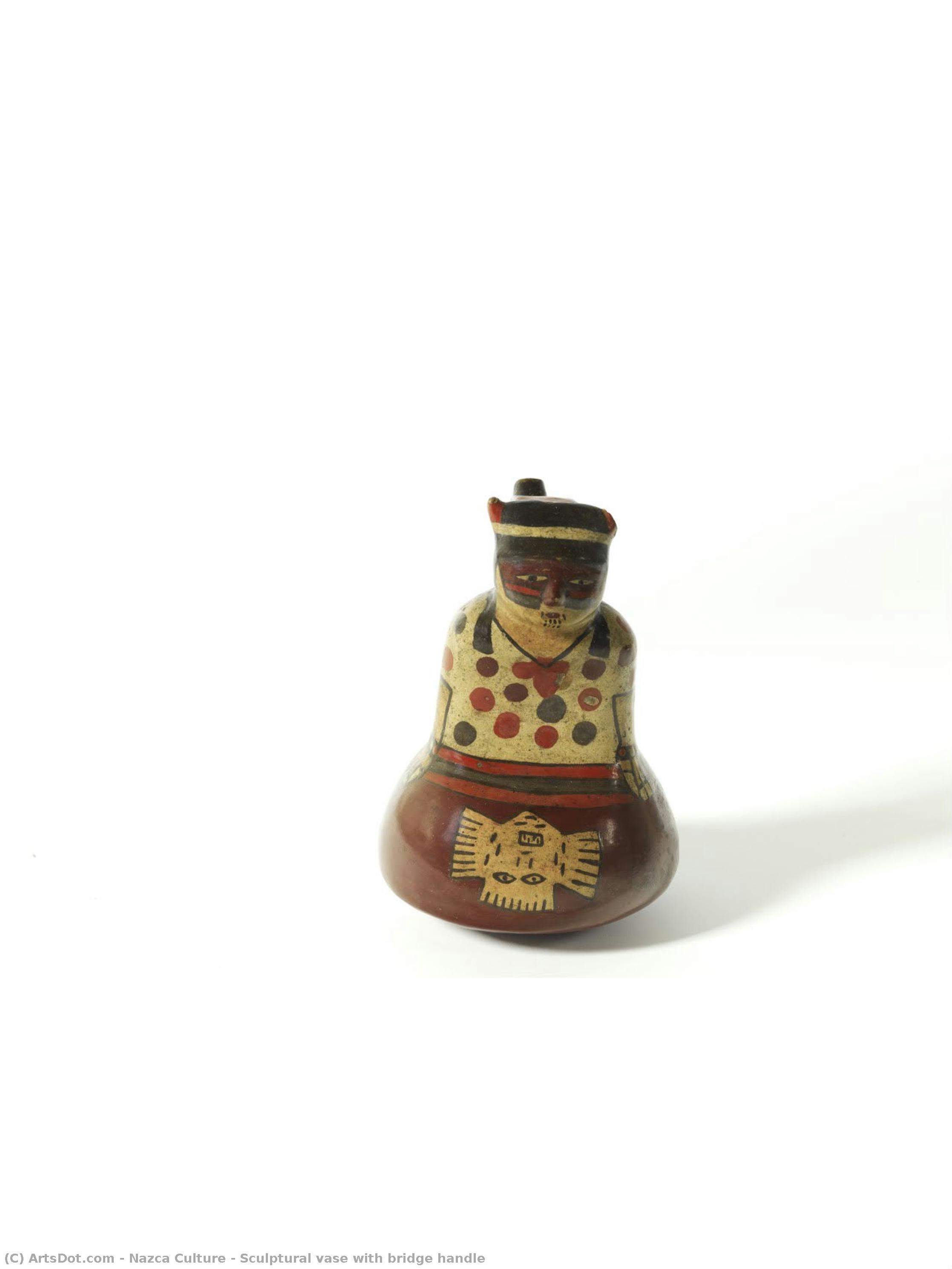
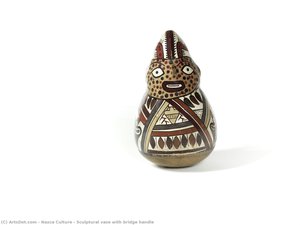
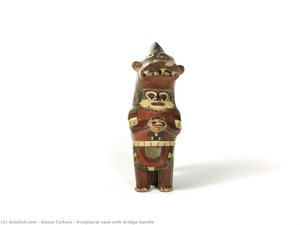
Sculptural vase with bridge handle


 Pročitaj više
Giclee štampa / Umetnički otisak
Giclée štampa ili print na platnu muzejskog kvaliteta uz brzu proizvodnju i fleksibilne opcije završne obrade. ( Kupi ručno naslikanu sliku Pređi na digitalnu sliku)




































Izaberite jednu od naših unapred definisanih veličina koje odgovaraju originalnim proporcijama umetničkog dela.

Možete uneti sopstvene dimenzije kako biste umetničko delo prilagodili specifičnom okviru ili prostoru. Ako odabrani format ne odgovara proporcijama originalne slike, mi ćemo ili iscrtati deo dela ili proširiti sliku pomoću ogledane ivice ili jednobojnog popunjavanja. Digitalni prikaz će vam biti poslat na odobrenje pre početka proizvodnje.
Imajte na umu da pregled na ekranu ne odražava stvarno iscrtavanje ili proširivanje. Samo će prikaz (mockup) precizno pokazati finalnu kompoziciju.
Iako su prilagođene dimenzije dostupne, preporučujemo da odaberete dimenziju sa unapred definisane liste kako biste očuvali originalne proporcije.
Dostava širom sveta () za 2 nedelje umesto uobičajenih 4/5 nedelja. (9 септембар)

Besplatna ekspresna dostava širom sveta

Visokokvalitetno laneno platno

Kompletno osiguranje transporta

Garancija povraćaja carine i uvoznih dažbina

Garancija vernosti boja

Politika povraćaja u roku od 100 dana (isključivo u slučaju nedostataka)

Garancija povrata novca od 100%

Popust pri grupnoj kupovini
 Opcija sa staklom dostupna je samo za dimenzije manje od 110 cm

Sculptural vase with bridge handle
Giclee štampa / Umetnički otisak
Dimenzije reprodukcije
-


Konačna cena
$ 62
An Encounter with Antiquity: The Spirit of the Nazca
To hold a gaze with this Sculptural Vase with Bridge Handle is to engage in a silent dialogue with a civilization long reclaimed by the sands of the Peruvian desert. Emerging from the profound mysteries of the Nazca culture, which flourished along the arid coast of South America between 100 BC and 800 AD, this ceramic masterpiece serves as a visceral connection to an era where art, ritual, and the cosmos were inextricably linked. The piece is not merely a vessel but a sculptural embodiment of ancient identity, capturing the essence of a people who mastered the art of survival and spiritual expression in one of the world's most challenging environments.
The artistry of the Nazca is immediately evident in the vase’s intimate, rounded form. The composition focuses on a stylized human figure, whose presence is both commanding and enigmatic. Through the use of a bridge handle—a hallmark of sophisticated pre-Columbian ceramic engineering—the object achieves a harmonious balance between utility and high sculpture. The face, rendered with geometric precision, features an elaborate headdress that speaks to a complex social hierarchy or perhaps a divine lineage. Every line etched into the clay carries the weight of tradition, reflecting a mastery of form that has captivated historians and art enthusiasts for centuries.
Earth, Clay, and the Alchemy of Tradition
The technical execution of this piece reveals the profound relationship between the Nazca artisans and their natural landscape. Crafted from natural clays, the vase displays a rich, earthy palette dominated by tones of beige, deep brown, terracotta red, and bone white. These colors were not merely chosen for aesthetic appeal but were derived directly from the minerals of the earth, creating a monochromatic harmony that feels grounded and eternal. The technique involves hand-building the vessel, likely using slip—a liquid clay medium—to decorate the surface with fluid yet controlled strokes.
Upon closer inspection, one can appreciate the tactile, slightly uneven texture of the ceramic, which lends the piece an authentic, organic soul. This ruggedness is a testament to the ancient hand-building processes that predated the potter's wheel in the region. For the discerning collector or interior designer, this texture provides a stunning sensory contrast when placed alongside modern, sleek surfaces. It offers a "wabi-sabi" quality—an appreciation of imperfection and the passage of time—that brings a sense of historical depth and warmth to any curated space.
Symbolism and the Resonance of the Past
Beyond its physical beauty, the vase is a vessel of profound symbolism. In Nazca culture, every motif was a language. The stylized facial features and the intricate headdress likely represent deities, ancestral spirits, or powerful rulers who acted as intermediaries between the earthly realm and the heavens. This connection to the celestial is mirrored in the famous Nazca Lines, suggesting that the same mathematical and astronomical precision found in their monumental geoglyphs was distilled into their portable art.
For those seeking to incorporate fine art into a contemporary interior, this reproduction offers more than just decoration; it offers an emotional anchor. It evokes a sense of wonder, inviting contemplation on the endurance of human creativity. Whether placed as a centerpiece in a minimalist gallery setting or as a soulful accent in a richly textured study, this sculptural vase brings the echoes of ancient Peru into the modern home, serving as a timeless reminder of our shared human impulse to create beauty from the very dust of the earth.
Srodna umetnička dela

Biografija umetnika
The Enigmatic Legacy of the Nazca Culture
The Nazca culture, flourishing between 100 BC and 800 AD along the arid coast of Peru, remains one of the most enigmatic civilizations of pre-Columbian America. More than just artisans crafting beautiful ceramics and textiles—though they certainly excelled in these fields—the Nazca people possessed a profound understanding of astronomy and mathematics, reflected in their monumental geoglyphs – the Nazca Lines – which continue to fascinate scientists and historians alike. Their legacy speaks volumes about human creativity and adaptation to challenging environments.
Located in the Nazca Desert, a region characterized by extreme aridity and sparse vegetation, the Nazca culture developed in relative isolation from other Andean societies. Evidence suggests that they migrated from highland Peru around 100 BC, bringing with them agricultural knowledge—primarily maize cultivation—that allowed them to sustain a population of approximately 50,000 people. The desert landscape itself profoundly influenced their artistic expression and cosmology; the Nazca Lines are believed to align with celestial events like solstices and equinoxes, hinting at a sophisticated awareness of astronomical cycles.
Mastery of Earth and Pigment
Nazca ceramics stand out for their exceptional craftsmanship and stylistic diversity. Produced primarily from adobe clay sourced from alluvial deposits along the Rio Grande de Nazca valley, these vessels demonstrate remarkable skill in shaping, firing, and decorating surfaces. The artistry of this era is defined by a vibrant palette and a unique approach to form, where every piece serves as a vessel for both daily utility and sacred ritual.
The technical brilliance of their pottery is evident in several key areas:
- Vibrant Polychrome: The use of mineral pigments allowed for a stunning array of reds, yellows, blues, and blacks, creating high-contrast imagery that has survived centuries of desert erosion.
- Iconographic Richness: Surfaces were often adorned with stylized animals—particularly hummingbirds, lizards, and monkeys—alongside complex geometric patterns and anthropomorphic figures representing deities and rulers.
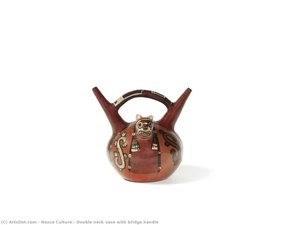
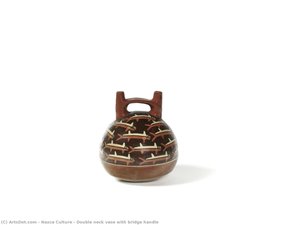
- Structural Innovation: Many pieces, such as the sculptural vase with bridge handle or the double neck vase, showcase advanced techniques in creating complex handles and structural balance.
A Civilization of Ingenuity
Beyond the visible beauty of their art, the Nazca people achieved feats of engineering that allowed life to thrive in one of the world's most inhospitable climates. Their mastery over water is perhaps as significant as their mastery over clay. Through the creation of puquios—sophisticated underground aqueducts—they managed to tap into subterranean aquifers, ensuring a steady water supply for their crops and communities despite the relentless drought of the Peruvian coast.
This profound connection between the earth, the water, and the heavens created a cohesive cultural identity. Whether through the massive geoglyphs etched into the desert floor or the delicate motifs painted onto a ceramic vase, the Nazca culture left an indelible mark on human history. Their work remains a testament to the ability of the human spirit to find beauty, order, and sustenance within the most challenging landscapes.
nazca culture
Peru
Osnovne informacije
- Artistic Movement Or Style: Geoglyphs
- Artists Or Movements Influenced By This Artist: ['Paracas Culture']
- Full Name: Nazca Culture
- Nationality: Peruvian
- Notable Artworks: ['Nazca Lines']
- Place Of Birth: Peru
Povezani članci
Giotto di Bondone: 25 Remek-dela koji definišu renesansu | ArtsDot
Istražite 25 remek-dela Giotta di Bondonea i otkrijte renesansnu umetnost u punom sjaju. Freske, oltarske slike & istorija italijanske umetnosti na ArtsDot.com! Reprodukcije vrhunskog kvaliteta za vaš dom.
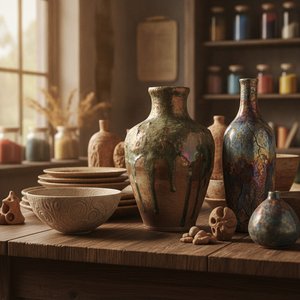
The Alchemy of Clay: A Collector's Guide to the Mastery, Texture, and Timeless Form of Ceramic Art
Discover the profound beauty of ceramic art. Our expert guide explores the alchemy of clay, texture, and glaze, offering collectors deep insights into mastering earth and fire to create timeless, sculptural masterpieces for any curated collection.

Top 25 Remek-dela Detroitskog Instituta Umetnosti: Inspiracija za Vaš Dom | ArtsDot
Istražite 25 remek-dela Detroitskog Instituta Umetnosti! Otkrijte priče Van Goga, Moneta i Rembrandta. Inspiracija za enterijer & vrhunske reprodukcije slika na ArtsDot.com.
Golden Hour on the Nile: Symbolism & Artistic Legacy of Egyptian Sunsets
Explore the rich symbolism of Egyptian sunset paintings & their artistic legacy. Discover how color, ritual, and landscape shaped ancient beliefs – a guide for discerning collectors.
The Enduring Legacy of Classical Style: Form, Narrative & Influence in Art
Explore the enduring legacy of classical art – from ancient Greece & Rome to Neoclassicism. Discover key artists, philosophical roots & build a timeless collection with ArtsDot's expert guidance.