
- Početna strana

- Štampa na platnu
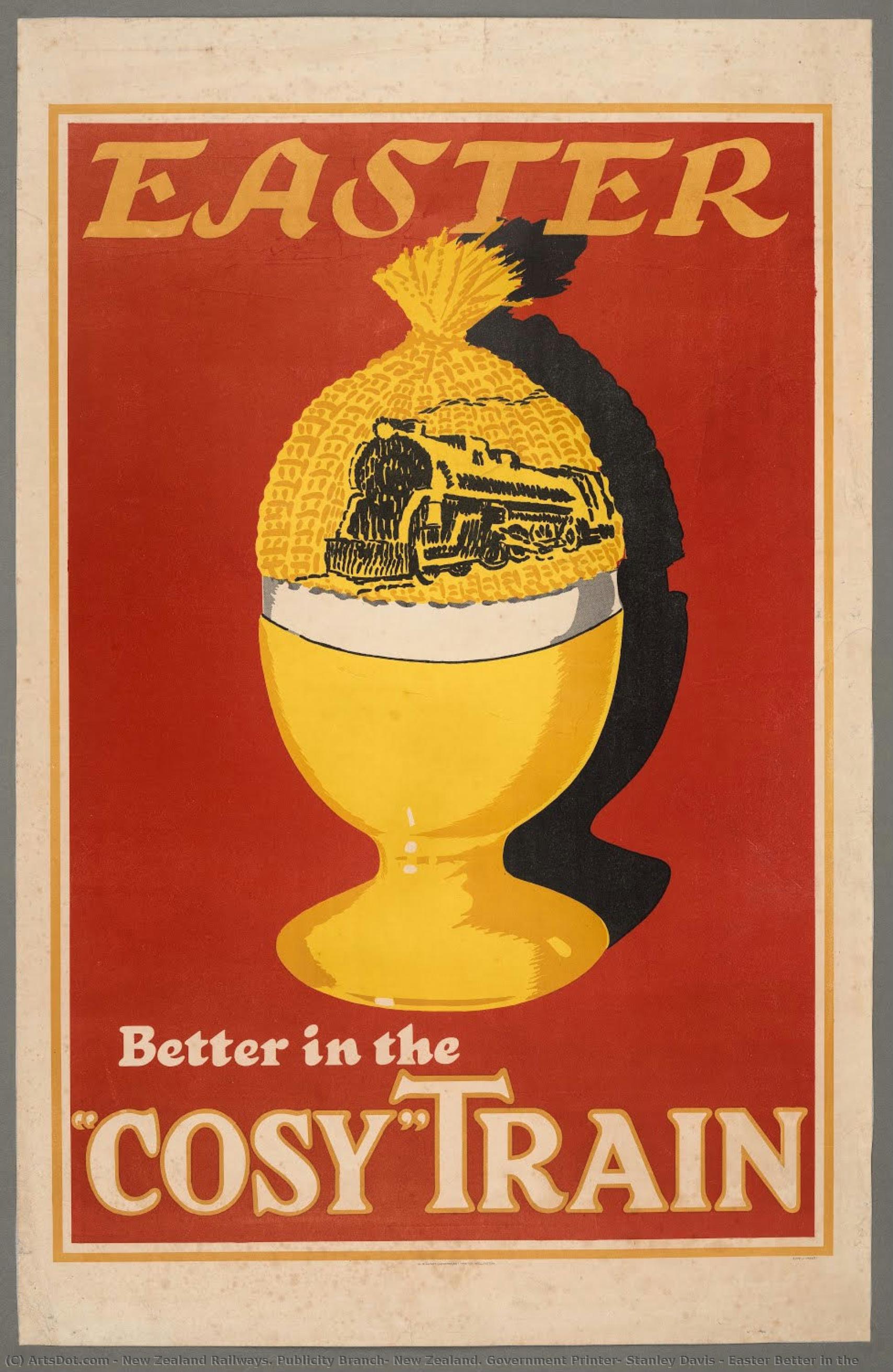
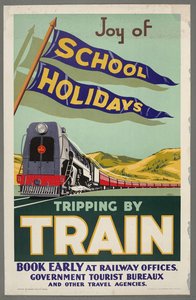
- new zealand railways. publicity branch, new zealand. government printer, stanley davis
 Pregledaj u prostoru
 Pošalji
 Podeli
 Detalji o delu

 Преузми
 Slični predmeti
 Rendgenski snimak
 Slajdovi
 Stats
StatsEaster Better in the


 Pročitaj više
Giclee štampa / Umetnički otisak
Giclée štampa ili print na platnu muzejskog kvaliteta uz brzu proizvodnju i fleksibilne opcije završne obrade. ( Kupi ručno naslikanu sliku Switch to Digital Image)




































Izaberite jednu od naših unapred definisanih veličina koje odgovaraju originalnim proporcijama umetničkog dela.

Možete uneti sopstvene dimenzije kako biste umetničko delo prilagodili specifičnom okviru ili prostoru. Ako odabrani format ne odgovara proporcijama originalne slike, mi ćemo ili iscrtati deo dela ili proširiti sliku pomoću ogledane ivice ili jednobojnog popunjavanja. Digitalni prikaz će vam biti poslat na odobrenje pre početka proizvodnje.
Imajte na umu da pregled na ekranu ne odražava stvarno iscrtavanje ili proširivanje. Samo će prikaz (mockup) precizno pokazati finalnu kompoziciju.
Iako su prilagođene dimenzije dostupne, preporučujemo da odaberete dimenziju sa unapred definisane liste kako biste očuvali originalne proporcije.
Dostava širom sveta () za 2 nedelje umesto uobičajenih 4/5 nedelja. (8 септембар)

Besplatna ekspresna dostava širom sveta

Visokokvalitetno laneno platno

Kompletno osiguranje transporta

Garancija povraćaja carine i uvoznih dažbina

Garancija vernosti boja

Politika povraćaja u roku od 100 dana (isključivo u slučaju nedostataka)

Garancija povrata novca od 100%

Popust pri grupnoj kupovini
 Opcija sa staklom dostupna je samo za dimenzije manje od 110 cm

Easter Better in the
Giclee štampa / Umetnički otisak
Dimenzije reprodukcije
-


Konačna cena
$ 62
Srodna umetnička dela
Biografija umetnika
The Visionary Lens of Stanley Davis
Stanley Davis (1907 – 1986) stands as a pivotal figure in New Zealand’s visual culture, primarily recognized for his stunning photographic depictions of the nation's landscapes and railways. His work embodies a humanist aesthetic deeply rooted in the spirit of the mid-20th century, reflecting both artistic innovation and a profound connection to the natural world—a connection that continues to resonate with audiences today. Davis’s career began modestly, initially focusing on commercial photography for railway advertising campaigns. However, he quickly transcended mere promotional material, elevating his images into powerful expressions of New Zealand's beauty and identity. He wasn’t simply documenting scenery; he was striving to convey a feeling—a sense of wonder, tranquility, and the enduring spirit of exploration.
This ambition is evident in every frame of his oeuvre, from sweeping vistas of Fiordland National Park to intimate portraits of rural communities nestled amongst rolling hills. His artistic sensibilities were shaped by European Impressionism and Pictorialism—movements that prioritized capturing fleeting moments of light and emotion over precise representation. Artists like Claude Monet and Alfred Stieglitz served as crucial mentors, instilling in him a belief that photography could be elevated to the level of fine art. Through this lens, Davis viewed the New Zealand landscape not just as geography, but as a living, breathing canvas of light and shadow.
The Legacy of the Railways Publicity Branch
Davis’s most enduring contribution came from his role as Senior Photographer for the Railways Publicity Branch between 1938 and 1967. During this period, he produced an unparalleled body of work—over 500 photographs—that became synonymous with New Zealand tourism. These images weren't merely aesthetically pleasing; they actively promoted railway travel, subtly shaping perceptions of New Zealand as a destination. His photographic technique was characterized by meticulous attention to detail and masterful manipulation of light, creating a sense of invitation that drew travelers into the heart of the country.
His work often blended the mechanical majesty of the rail system with the organic splendor of the wilderness. Whether it was the powerful locomotive KA 931 pulling carriages through lush green hills or more whimsical, illustrative posters, Davis possessed a unique ability to marry commercial necessity with high art. Some of his most charming works even drew inspiration from personal life; for instance, the iconic Easter Better in the "Cosy" Train poster featured an egg cosy knitted by his wife, demonstrating how his intimate personal connections often bled into his professional mastery.
A Lasting Historical Significance
The historical significance of Stanley Davis lies in his ability to have crafted a visual identity for a nation during a transformative era. Through his lens, the New Zealand Railways Department became more than just a transport provider; it became a gateway to discovery. His work helped define the mid-century New Zealand aesthetic, characterized by:
- The Romanticization of Travel: Transforming routine train journeys into epic adventures through scenic vistas.
- National Identity Formation: Using the landscape to foster a sense of pride and belonging among the local population.
- Artistic Elevation: Proving that commercial and promotional photography could possess the depth, soul, and technical sophistication of fine art.
Today, the archives of Davis’s work serve as a nostalgic window into a bygone era of steam and steel, reminding us of a time when the rhythm of the rails was the heartbeat of New Zealand exploration. His legacy remains etched in the very way we perceive the mountains, coasts, and rolling hills of this island nation.
Osnovne informacije
- Artistic Movement Or Style: Scenic Photography
- Date Of Birth: Living
- Full Name: Stanley Davis
- Nationality: New Zealander
- Notable Artworks:
- Napier Carnival
- Joy of School Holidays Tripping by Train
- Xmas and New Year Holidays Low Fares Railways
- Place Of Birth: New Zealand