

 Pregledaj u prostoru
 Pošalji
 Podeli
 Detalji o delu

 Преузми
 Slični predmeti
 Rendgenski snimak
 Slajdovi
 Stats
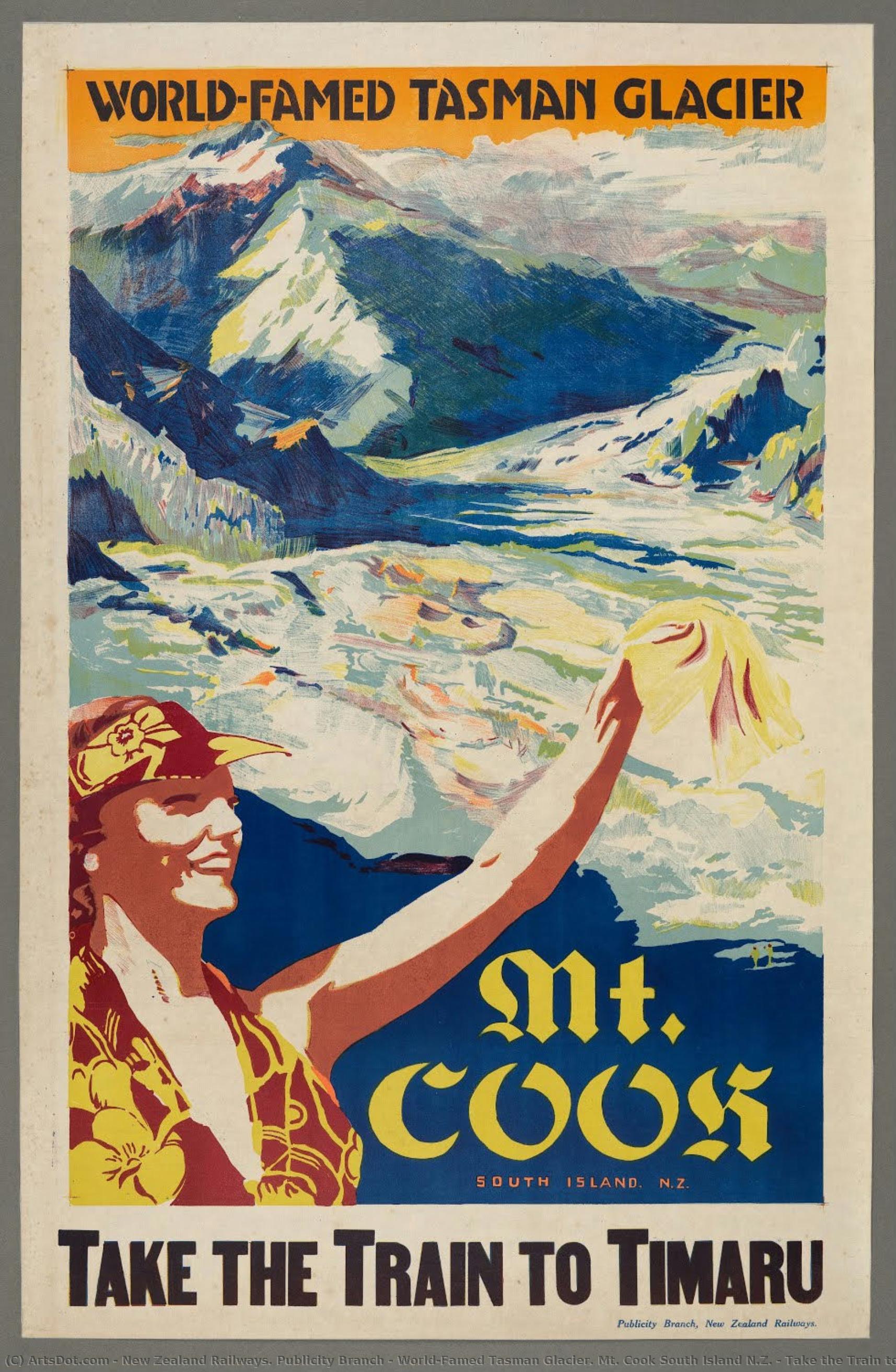
StatsWorld-Famed Tasman Glacier. Mt. Cook South Island N.Z. : Take the Train to Timaru


 Pročitaj više
Ručno rađena uljana reprodukcija
Ručno oslikano uljanim bojama na platnu u dimenzijama i okviru po vašem izboru, izrađeno po porudžbini od strane naših umetnika. ( Switch to Print Switch to Digital Image)




































Izaberite jednu od naših unapred definisanih veličina koje odgovaraju originalnim proporcijama umetničkog dela.

Можете унети сопствене димензије како бисте прилагодили дело одређеном оквиру или простору. Ако одабрана величина не одговара пропорцијама оригинала, слика ће бити исечена или проширена додатним елементима који се ручно насликавају. Дигитални prikaz ће вам бити послат на одобрење пре почетка производње.
Имајте на уму да преглед на екрану не одражава стварно исецање или проширење. Само приказ (mockup) ће тачно приказати коначну композицију.
Иако су доступне прилагођене величине, препоручујемо да одаберете димензију из дефинисане листе како бисте сачували оригиналне пропорције.
Nakon narudžbine, tim ArtsDot.com će klijentu putem e-pošte poslati uputstva i dostaviti prikaz predloženog rešenja
Isporuka širom sveta () za 3/4 nedelje umesto uobičajenih 5 nedelja. (8 септембар). Bez kompromisa po pitanju kvaliteta.

Besplatna ekspresna dostava širom sveta

Visokokvalitetno laneno platno

Kompletno osiguranje transporta

Garancija povraćaja carine i uvoznih dažbina

Garancija vernosti boja

Politika povraćaja u roku od 100 dana (isključivo u slučaju nedostataka)

Garancija povrata novca od 100%

Popust pri grupnoj kupovini
 Opcija sa staklom dostupna je samo za dimenzije manje od 110 cm

World-Famed Tasman Glacier. Mt. Cook South Island N.Z. : Take the Train to Timaru
Tehnika reprodukcije
Dimenzije reprodukcije
-


Konačna cena
$ 263
Srodna umetnička dela








Biografija umetnika
New Zealand Railways Publicity Branch: Capturing the Spirit of Exploration
The New Zealand Railways Publicity Branch (NZRBP), established in 1935, wasn’t merely a government department tasked with maintaining railway infrastructure; it was an institution dedicated to shaping public perception of New Zealand and celebrating its burgeoning tourism industry. Born from a strategic initiative by the Wellington Government Printer, Stanley Davis, NZRBP aimed to elevate New Zealand's image on the international stage during the Great Depression – a bold endeavor that resulted in a prolific output of stunning photographic prints and evocative posters.- Origins & Purpose: Founded amidst economic hardship, NZRBP recognized the importance of visual storytelling to attract visitors and bolster national pride. Its mandate extended beyond practical railway operations; it encompassed cultivating an appreciation for New Zealand’s dramatic landscapes.
- The Photographers: The Branch's success hinged on collaborations with talented photographers like George Cheeseman, whose panoramic images captured the grandeur of Fiordland National Park and the majesty of Mount Cook. These photographs weren’t simply documentation; they were carefully crafted compositions designed to inspire awe and convey a sense of adventure.
- Poster Design: NZRBP's poster campaigns—featuring artists like Ian Scott—were revolutionary for their time. Utilizing bold colors, stylized typography, and simplified imagery, these posters communicated the allure of New Zealand travel with remarkable efficiency. They skillfully blended artistic flair with persuasive messaging, establishing a distinctive visual style that remains influential today.
- Notable Projects: Among NZRBP’s most celebrated achievements were “Lagos famosos, montañas, fiordos, otago” and “Southland / South Island New Zealand,” monumental prints showcasing the breathtaking beauty of Otago and South Island. These artworks cemented NZRBP's reputation as a pioneer in landscape photography and solidified its contribution to New Zealand’s cultural heritage.
- Legacy & Influence: The NZRBP’s legacy extends far beyond its immediate output. It established precedents for government-sponsored art projects aimed at promoting tourism and fostering national identity—a model that continues to inspire creative endeavors in New Zealand.
George Cheeseman: Panoramic Visions of Fiordland
George Cheeseman’s photographs stand as a cornerstone of NZRBP's visual archive. His expansive panoramas of Fiordland National Park—particularly “Fiordland” (1935)—transformed the perception of this remote wilderness. Cheeseman employed innovative techniques to capture the scale and majesty of Milford Sound and Doubtful Sound, utilizing large-format cameras and meticulous planning to achieve unparalleled detail and tonal range. His images weren’t merely reproductions; they were interpretations—infused with a palpable sense of wonder and conveying the profound beauty of Fiordland's untouched landscapes.- Technique: Cheeseman utilized wet collodion printing, a demanding process requiring precise timing and careful attention to detail. This technique maximized tonal information, resulting in prints that faithfully reproduced the subtleties of light and shadow—essential for conveying the atmospheric grandeur of Fiordland.
- Composition & Aesthetic: Cheeseman’s compositions prioritized dramatic perspective and emphasized the immensity of the fjord walls. He skillfully employed leading lines to draw the viewer's eye into the scene, creating images that resonated with a timeless quality.
- Impact: Cheeseman’s photographs profoundly influenced subsequent landscape artists and cemented Fiordland’s place as one of New Zealand’s most iconic destinations—a testament to his artistic vision and technical prowess.
Ian Scott: Stylized Landscapes & National Identity
Ian Scott, another pivotal figure in NZRBP's creative output, brought a distinctive aesthetic sensibility to the Branch’s poster designs. Unlike Cheeseman’s photographic realism, Scott embraced stylized abstraction—employing bold colors and simplified forms to convey emotions and ideas rather than literal representations of landscapes. His signature style—characterized by geometric shapes and vibrant hues—became synonymous with New Zealand's artistic heritage.- Formal Experimentation: Scott’s approach challenged conventional notions of landscape painting, prioritizing expressive qualities over accurate depiction. He deliberately flattened perspective and reduced detail to create images that communicated a sense of grandeur and optimism.
- Symbolism & Color Palette: Scott utilized color palettes—often dominated by blues and greens—to evoke feelings of tranquility and connection with nature. Furthermore, geometric shapes—such as triangles and circles—served as symbolic representations of stability and harmony.
- Influence: Scott’s stylistic innovations profoundly impacted subsequent generations of New Zealand artists, establishing a precedent for exploring abstraction while retaining an awareness of cultural identity.
Stanley Davis: The Government Printer & Visual Narrative
Stanley Davis served as the Wellington Government Printer during NZRBP's formative years—a role that demanded both artistic sensitivity and administrative competence. Recognizing the importance of visual communication, Davis championed collaborative projects between photographers and designers—establishing a model for government-sponsored art initiatives.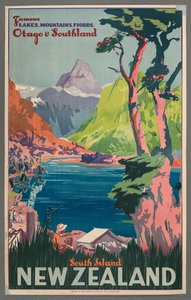
new zealand railways. publicity branch
New Zealand
Osnovne informacije
- Artistic Movement Or Style: Promotional Art
- Artists Or Movements Influenced By This Artist: ['Vintage New Zealand']
- Artists Who Influenced This Artist: ['Stanley Davis']
- Full Name: New Zealand Railways Publicity Branch
- Nationality: New Zealander
- Notable Artworks:
- Lagos famosos, montañas, fiordos, otago
- Southland / South island new zealand
- Place Of Birth: Wellington