

 Pregledaj u prostoru
 Pošalji
 Podeli
 Detalji o delu

 Преузми
 Slični predmeti
 Rendgenski snimak
 Slajdovi
 Statistika
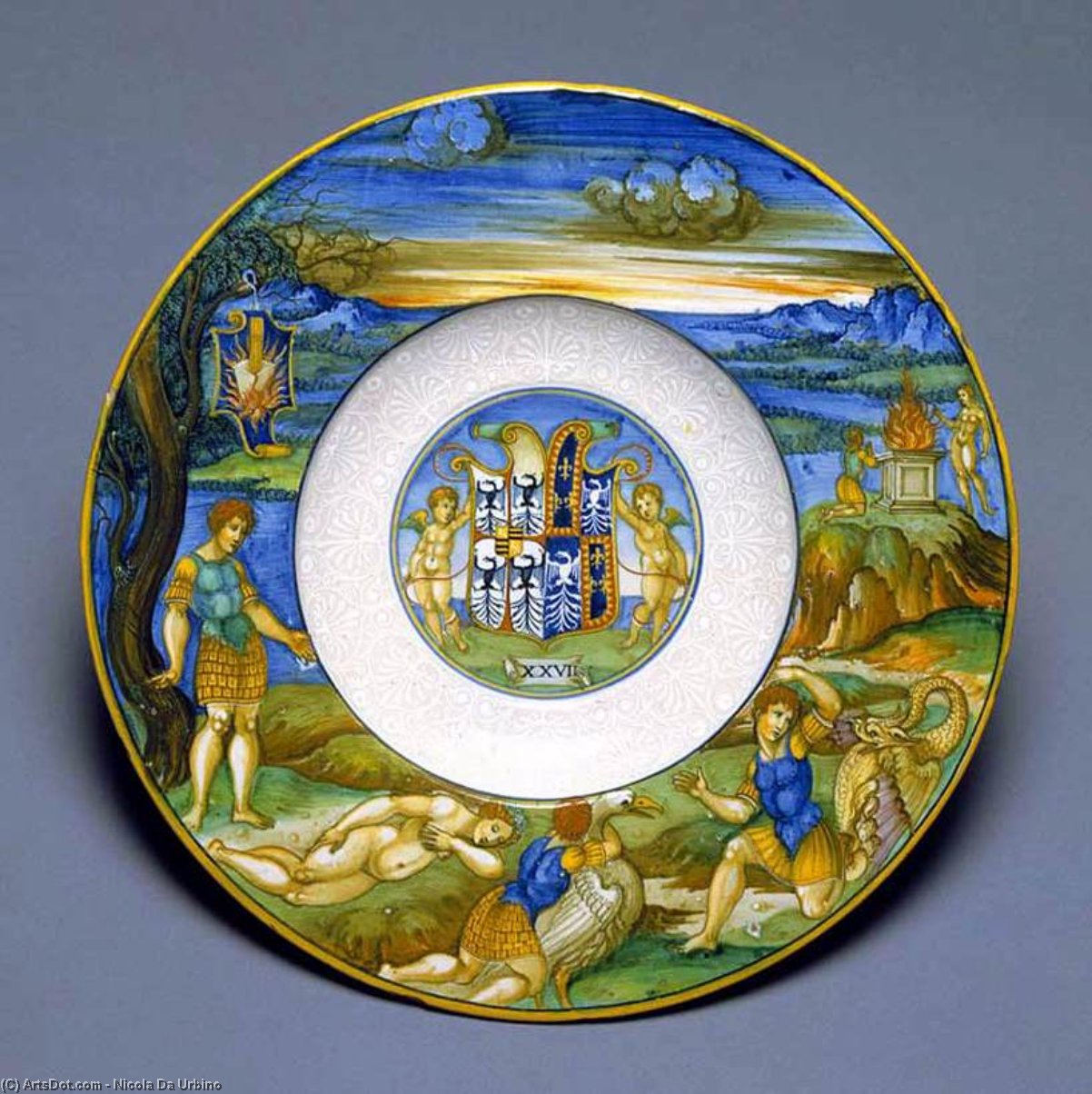
Dish


 Pročitaj više
Ručno rađena uljana reprodukcija
Ručno oslikano uljanim bojama na platnu u dimenzijama i okviru po vašem izboru, izrađeno po porudžbini od strane naših umetnika. ( Pređi na štampu Pređi na digitalnu sliku)




































Izaberite jednu od naših unapred definisanih veličina koje odgovaraju originalnim proporcijama umetničkog dela.

Можете унети сопствене димензије како бисте прилагодили дело одређеном оквиру или простору. Ако одабрана величина не одговара пропорцијама оригинала, слика ће бити исечена или проширена додатним елементима који се ручно насликавају. Дигитални prikaz ће вам бити послат на одобрење пре почетка производње.
Имајте на уму да преглед на екрану не одражава стварно исецање или проширење. Само приказ (mockup) ће тачно приказати коначну композицију.
Иако су доступне прилагођене величине, препоручујемо да одаберете димензију из дефинисане листе како бисте сачували оригиналне пропорције.
Nakon narudžbine, tim ArtsDot.com će klijentu putem e-pošte poslati uputstva i dostaviti prikaz predloženog rešenja
Isporuka širom sveta () za 3/4 nedelje umesto uobičajenih 5 nedelja. (10 септембар). Bez kompromisa po pitanju kvaliteta.

Besplatna ekspresna dostava širom sveta

Visokokvalitetno laneno platno

Kompletno osiguranje transporta

Garancija povraćaja carine i uvoznih dažbina

Garancija vernosti boja

Politika povraćaja u roku od 100 dana (isključivo u slučaju nedostataka)

Garancija povrata novca od 100%

Popust pri grupnoj kupovini
 Opcija sa staklom dostupna je samo za dimenzije manje od 110 cm

Dish
Tehnika reprodukcije
Dimenzije reprodukcije
-


Konačna cena
$ 263
Srodna umetnička dela








Biografija umetnika
The Visionary Spirit of Nicola da Urbino
Nicola da Urbino (1480–1544) stands as a singular figure within the vibrant tapestry of Venetian Renaissance art, embodying an exceptional blend of psychological insight and masterful technique. Born in the illustrious court of Urbino—a center renowned for its patronage of humanist scholarship and artistic innovation—his formative years instilled in him a deep appreciation for classical ideals intertwined with burgeoning emotional expression. Unlike many artists of his lifetime who adhered rigidly to established conventions, da Urbino possessed an innate curiosity that propelled him beyond stylistic boundaries, resulting in portraits and religious scenes imbued with unparalleled depth and nuance.
His artistic journey commenced under the profound tutelage of Piero della Francesca, a titan of perspective and geometric precision. This early grounding in mathematical rigor served as a vital counterbalance to the humanist fervor sweeping across Europe, shaping da Urbino's approach to representing the human form with anatomical accuracy and structural integrity. This foundation allowed him to master the interplay of light and shadow, creating works that felt both physically grounded and spiritually transcendent.
A Mastery of Emotion and Form
As his career progressed, da Urbino’s style became characterized by a remarkable sensitivity to emotion—a hallmark of the Venetian school—coupled with an unwavering commitment to anatomical realism. He moved away from the purely idealized figures favored by some of his contemporaries, choosing instead to depict subjects with palpable vulnerability and psychological complexity. By meticulously studying human musculature and skeletal structure, he achieved astonishing accuracy while simultaneously conveying inner turmoil or serene contemplation.
His reach extended far beyond his birthplace, as evidenced by his significant engagements in major artistic centers. A pivotal moment in his career arrived when Federico Gonzaga commissioned him to decorate the Cappella Gavotti in Rome. This monumental undertaking cemented his reputation as one of the era's foremost painters. During this period, he collaborated closely with figures such as Pietro da Cortona, absorbing stylistic cues from the dramatic fresco traditions and elevating his own artistic sensibilities to new heights of grandeur.
Legacy in Decorative and Sacred Art
The versatility of Nicola da Urbino is perhaps most evident when examining the breadth of his medium. His genius was not confined solely to canvas or fresco, but extended into the delicate realms of decorative arts and intricate compositions. His contributions to the Renaissance aesthetic can be seen through various notable works:
- The Plate (1524): A stunning circular painting that serves as a testament to his ability to handle complex biblical narratives within a constrained, intimate format, showcasing rich detail and classical influence.
- Broad-rimmed Bowl: A vibrant ceramic masterpiece where he masterfully blended heraldry and allegory, proving that his command of symbolic language was as potent in decorative arts as it was in religious painting.
Ultimately, the historical significance of Nicola da Urbino lies in his ability to bridge the gap between the rigid geometric precision of the early Renaissance and the emotive, atmospheric richness of the later Venetian style. He remains a master of the human condition, leaving behind a legacy of works that continue to captivate the viewer with their profound humanity and timeless grace.
nicola da urbino
1480 - 1544 , Italy
Osnovne informacije
- Artistic Movement Or Style: Venetian Renaissance
- Artists Who Influenced This Artist:
- Andrea Mantegna
- Giovanni Battista Tiepolo
- Date Of Birth: 1480
- Full Name: Nicola da Urbino
- Nationality: Italian
- Notable Artworks:
- Plate
- Broad-rimmed Bowl
- Dish
- Place Of Birth: Urbino, Italy