
- Početna strana

- Digitalna slika
- Nicolaes De Geijselers, Nicolaes De Geyselers, Nicolaas De Gijselaer, Nicolaas De Gijzelaer, Nicolaes De Gyselaer, Nicolaas De Gyzelaer, Nicolaes De G
 Pregledaj u prostoru
 Pošalji
 Podeli
 Detalji o delu

 Преузми
 Slični predmeti
 Rendgenski snimak
 Slajdovi
 Statistika
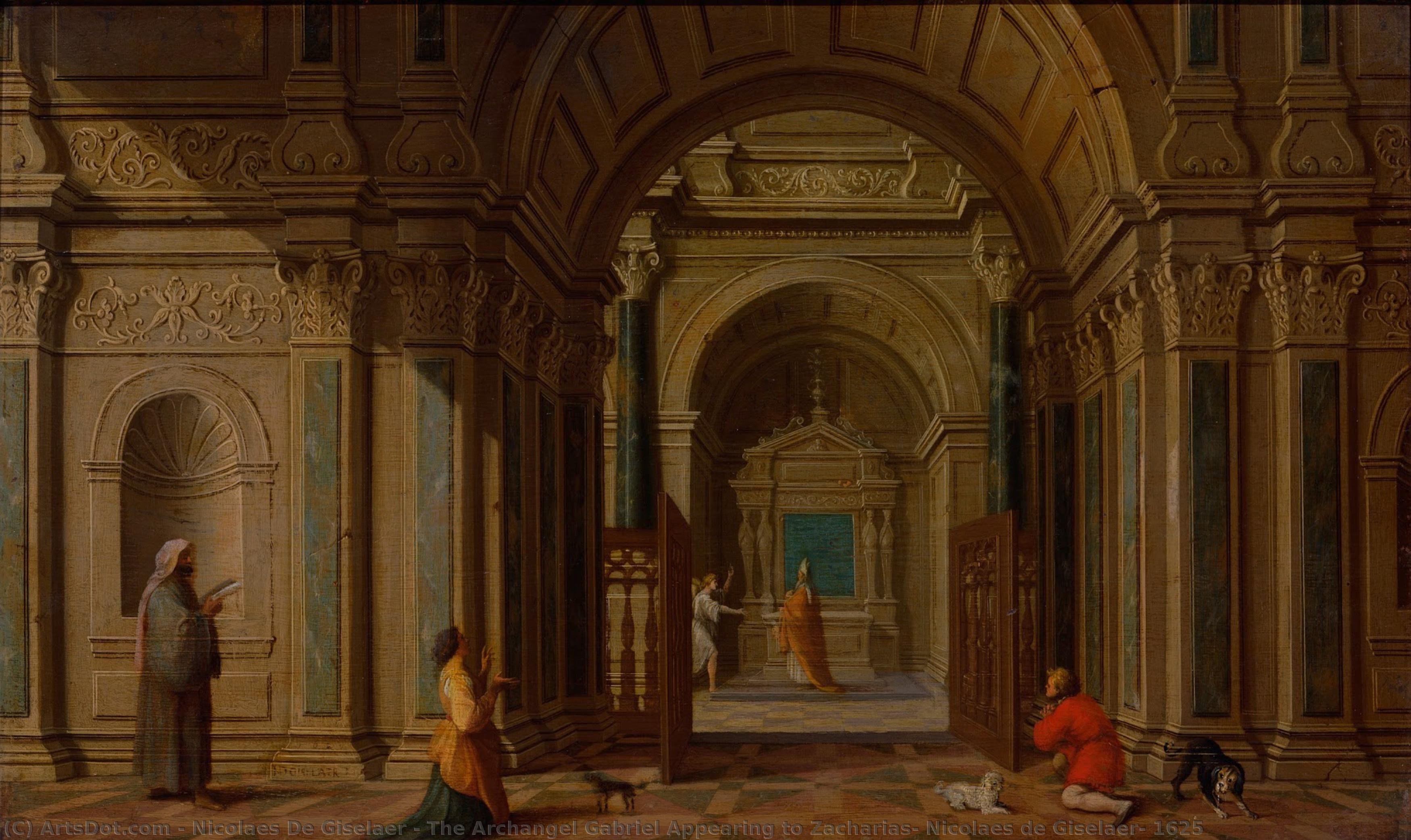
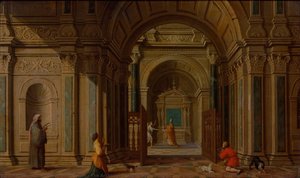
The Archangel Gabriel Appearing to Zacharias, Nicolaes de Giselaer, 1625


 Pročitaj više
Kupite digitalnu sliku visoke rezolucije i poboljšanog kvaliteta, koja je znatno superiornija od onoga što vidite u online prikazu.
Svaka datoteka je pedantno pripremljena od strane naših stručnjaka koristeći napredne alate i profesionalnu ručnu retušu. Osiguravamo da svaka slika ima izuzetnu oštrinu, preciznu reprodukciju boja i fine detalje.
Konačna datoteka se dostavlja putem e-pošte u roku od 72 sata, optimizovana za neposrednu upotrebu u profesionalnim, izdavačkim i štamparskim okruženjima. To je isti kvalitet kojem veruju vrhunski studiji dizajna, izdavači i galerije.
Digitalna slika
Preuzmite datoteku visoke rezolucije za ličnu upotrebu, štampanje i kreativne projekte. ( Pređi na štampu Kupi ručno naslikanu sliku)
Uključeno uz svaku porudžbinu digitalne slike
Profesionalna digitalna isporuka, zagarantovana
Kada odaberete ArtsDot.com, ne dobijate samo sliku – vi primate profesionalno unapređeno digitalno umetničko delo, izrađeno sa najvećom preciznošću i uz garanciju zadovoljstva. Evo svega što automatski dolazi uz vašu porudžbinu:

Brza dostava putem e-pošte
Vaša digitalna slika visoke rezolucije biće vam poslata putem e-pošte u roku od 72 sata od poručivanja – spremna za trenutnu upotrebu.

Digitalna datoteka unapređena veštačkom inteligencijom
Vaše umetničko delo je profesionalno optimizovano korišćenjem naprednih AI alata i ručne obrade, čime se osiguravaju maksimalni detalji, oštrina i preciznost boja.

Besplatna ponovna isporuka doživotno
Slučajno ste obrisali ili izgubili svoju datoteku? Ne brinite – poslaćemo vam je ponovo u bilo kom trenutku, potpuno besplatno.

Bez troškova uvoza – zauvek
Uživajte u svojim umetničkim delima trenutno, bez carine, dažbina ili troškova dostave – digitalni download je uvek bez poreza.

Garancija vernosti boja
Uz pomoć profesionalnih alata i upravljanja bojama, osiguravamo da vaša digitalna slika što vernije odražava originalne boje.

Garancija zadovoljstva od 100 dana
Ako niste zadovoljni svojom digitalnom slikom, izvršićemo reviziju ili ćemo vam vratiti 100% novca u roku od 100 dana – bez ikakvih pitanja.

100% garancija povrata novca
Niste zadovoljni? Dobijte puni povraćaj novca u roku od 100 dana od prijema digitalne datoteke – bez suvišnih pitanja.

Popusti na velike porudžbine
Kupite 3 slike, uštedite 10% - Kupite 5 slika, uštedite 15% - Kupite 10+ slika, uštedite 20%. Odlično za kreativne projekte, galerije i agencije.
Srodna umetnička dela

Biografija umetnika
A Life Shrouded in Light: The World of Nicolaes de Giselaer
Nicolaes de Giselaer, a name that echoes through the halls of Dutch Baroque painting, remains an artist somewhat elusive to modern biographical scrutiny. Born in Dordrecht in 1583 and passing away around 1647, his life is less a clearly documented narrative and more a constellation pieced together from surviving works, archival records, and stylistic analysis. What emerges is the portrait of a skilled painter and draughtsman who navigated the artistic currents of Leiden, Utrecht, and Amsterdam during a period of immense change and flourishing in the Netherlands.
Early documentation suggests a life centered around his craft. Records indicate his presence in Leiden and Utrecht by 1616, followed by a sojourn in Amsterdam between 1616 and 1617. This peripatetic existence hints at an artist actively seeking opportunities and engaging with diverse artistic communities. His marriage to Cornelia Cornelisdr. Van Riebeeck in Leiden on March 24th, 1616, provides a personal anchor point amidst the professional movements. He eventually settled back in Utrecht, where he continued his work until his death, finding final rest within its soil on February 8th, 1647.
The Artistic Landscape and De Giselaer’s Style
De Giselaer's artistic development unfolded against the backdrop of a Dutch Golden Age brimming with innovation. The early 17th century witnessed a shift away from the rigid formalism of Mannerism towards a more naturalistic, emotionally resonant style—a trend powerfully influenced by Caravaggio and his followers. While not directly adopting the dramatic *tenebrism* of Caravaggio, De Giselaer absorbed its principles of strong chiaroscuro and psychological realism. His paintings are characterized by a delicate balance between light and shadow, used to sculpt forms and imbue scenes with a sense of quiet dignity.
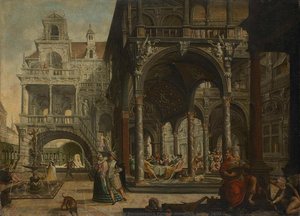
His subject matter predominantly revolved around biblical narratives, particularly those lending themselves to intimate domestic settings. He excelled in depicting interiors—palatial courtyards, richly furnished rooms—populated by figures engaged in moments of contemplation or revelation. A hallmark of his style is the meticulous attention to detail: the textures of fabrics, the gleam of metal objects, and the subtle expressions on faces all contribute to a sense of tangible reality. He wasn’t a painter of grand historical spectacles; rather, he focused on the human drama unfolding within contained spaces.
Key Works and Recurring Themes
Among his notable works is “The Archangel Gabriel Appearing to Zacharias” (1625), a piece that exemplifies his mastery of light and composition. The scene unfolds with a serene grace, the angel’s presence radiating a gentle luminosity that contrasts beautifully with the shadowed interior. Another significant work, "The Triumph of Mordekai," housed in the Centraal Museum in Utrecht, showcases his ability to depict complex narratives with clarity and emotional depth. These paintings aren't merely illustrations of biblical stories; they are explorations of faith, devotion, and the power of divine intervention.
Recurring themes within De Giselaer’s oeuvre include the Annunciation, scenes from the life of Christ, and depictions of figures in prayer or contemplation. He often employed architectural settings—palaces, loggias, courtyards—to create a sense of grandeur and symbolic resonance. These spaces weren't simply backdrops; they were integral to the narrative, reflecting the spiritual weight of the events unfolding within them.
Legacy and Historical Significance
While De Giselaer may not be as widely recognized as some of his contemporaries—Rembrandt or Vermeer—his contribution to Dutch Baroque painting is nonetheless significant. He represents a strand of artistic sensibility that valued quiet contemplation, meticulous detail, and emotional realism. His paintings offer a glimpse into the domestic lives and spiritual beliefs of 17th-century Holland.
His influence, though difficult to trace directly, can be seen in the works of later artists who embraced similar themes and stylistic approaches. The Centraal Museum’s collection of his work serves as a testament to his enduring legacy, allowing viewers today to appreciate the subtle beauty and profound humanity that characterize his art. He stands as a reminder that artistic greatness isn't always defined by dramatic innovation but also by a consistent pursuit of excellence and a deep understanding of the human condition.
Kratke činjenice
- Artistic Movement Or Style: Baroque painting
- Date Of Birth: 1583
- Date Of Death: c. 1647
- Full Name: Nicolaes de Giselaer
- Nationality: Dutch
- Notable Artworks:
- Archangel Gabriel Appearing to Zacharias
- De triomf van Mordekai
- Place Of Birth: Dordrecht, Netherlands