

 Pregledaj u prostoru
 Pošalji
 Podeli
 Detalji o delu

 Преузми
 Slični predmeti
 Rendgenski snimak
 Slajdovi
 Statistika
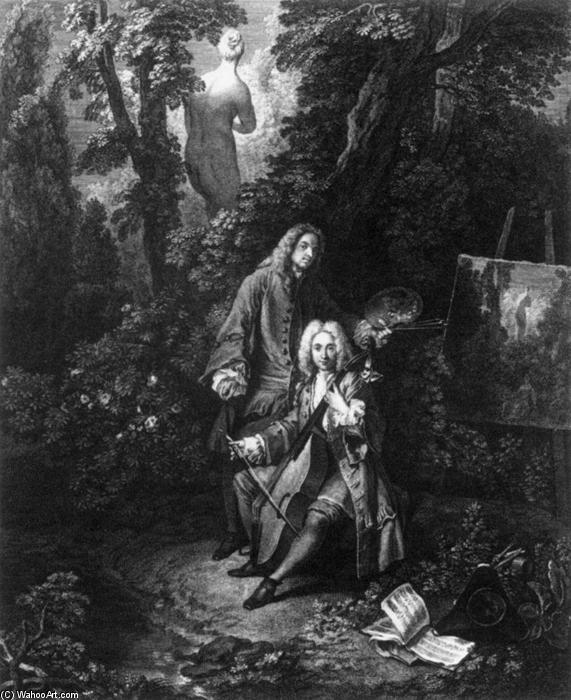
Watteau and his Friend Monsieur de Jullienne


 Pročitaj više
Kupite digitalnu sliku visoke rezolucije i poboljšanog kvaliteta, koja je znatno superiornija od onoga što vidite u online prikazu.
Svaka datoteka je pedantno pripremljena od strane naših stručnjaka koristeći napredne alate i profesionalnu ručnu retušu. Osiguravamo da svaka slika ima izuzetnu oštrinu, preciznu reprodukciju boja i fine detalje.
Konačna datoteka se dostavlja putem e-pošte u roku od 72 sata, optimizovana za neposrednu upotrebu u profesionalnim, izdavačkim i štamparskim okruženjima. To je isti kvalitet kojem veruju vrhunski studiji dizajna, izdavači i galerije.
Digitalna slika
Preuzmite datoteku visoke rezolucije za ličnu upotrebu, štampanje i kreativne projekte. ( Pređi na štampu Kupi ručno naslikanu sliku)
Uključeno uz svaku porudžbinu digitalne slike
Profesionalna digitalna isporuka, zagarantovana
Kada odaberete ArtsDot.com, ne dobijate samo sliku – vi primate profesionalno unapređeno digitalno umetničko delo, izrađeno sa najvećom preciznošću i uz garanciju zadovoljstva. Evo svega što automatski dolazi uz vašu porudžbinu:

Brza dostava putem e-pošte
Vaša digitalna slika visoke rezolucije biće vam poslata putem e-pošte u roku od 72 sata od poručivanja – spremna za trenutnu upotrebu.

Digitalna datoteka unapređena veštačkom inteligencijom
Vaše umetničko delo je profesionalno optimizovano korišćenjem naprednih AI alata i ručne obrade, čime se osiguravaju maksimalni detalji, oštrina i preciznost boja.

Besplatna ponovna isporuka doživotno
Slučajno ste obrisali ili izgubili svoju datoteku? Ne brinite – poslaćemo vam je ponovo u bilo kom trenutku, potpuno besplatno.

Bez troškova uvoza – zauvek
Uživajte u svojim umetničkim delima trenutno, bez carine, dažbina ili troškova dostave – digitalni download je uvek bez poreza.

Garancija vernosti boja
Uz pomoć profesionalnih alata i upravljanja bojama, osiguravamo da vaša digitalna slika što vernije odražava originalne boje.

Garancija zadovoljstva od 100 dana
Ako niste zadovoljni svojom digitalnom slikom, izvršićemo reviziju ili ćemo vam vratiti 100% novca u roku od 100 dana – bez ikakvih pitanja.

100% garancija povrata novca
Niste zadovoljni? Dobijte puni povraćaj novca u roku od 100 dana od prijema digitalne datoteke – bez suvišnih pitanja.

Popusti na velike porudžbine
Kupite 3 slike, uštedite 10% - Kupite 5 slika, uštedite 15% - Kupite 10+ slika, uštedite 20%. Odlično za kreativne projekte, galerije i agencije.
A Moment of Parisian Grace: Tardieu’s “Watteau and his Friend”
Nicolas-Henri Tardieu's engraving, "Watteau and his Friend Monsieur de Jullienne," isn’t merely a portrait; it’s a carefully constructed window into the heart of 18th-century Parisian life. Captured in a quiet moment within a refined salon garden, the scene unfolds with an intimacy that speaks volumes about the era's artistic and intellectual currents. The image invites us to step back in time and witness a conversation between two men – the celebrated painter Jean-Antoine Watteau and his esteemed companion, Monsieur de Jullienne – a gathering steeped in the atmosphere of the fashionable salons that defined Parisian society.
Tardieu’s genius lies not just in his technical skill but in his ability to distill the essence of Watteau's original painting onto a new medium. He wasn’t simply copying brushstrokes; he was translating the mood, the light, and the subtle social dynamics into a meticulously rendered engraving. The composition is masterfully balanced, with the figures positioned beneath a classical statue – a deliberate nod to centuries of artistic tradition – while a partially visible easel hints at the creative spirit that permeated these gatherings. The scene feels frozen in time, capturing a fleeting moment of shared contemplation and intellectual exchange.
Decoding the Technique: Hatching, Tone, and Texture
As an engraving, “Watteau and his Friend” is a testament to Tardieu’s exceptional mastery of line and texture. The entire image is built upon a foundation of incredibly fine lines – hatching and cross-hatching techniques are deployed with astonishing precision. These interwoven lines create not just outlines but also a remarkable illusion of volume and depth, mimicking the effects of light and shadow found in oil painting. Notice how the artist uses varying densities of line to suggest the smooth surfaces of clothing, the rough texture of stone, and even the delicate folds of fabric. The monochrome palette – a symphony of whites, grays, and blacks – amplifies this effect, creating a sense of quiet drama and understated elegance.
The careful attention to detail extends beyond mere representation; it’s an active process of interpretation. Tardieu doesn't simply record Watteau and Jullienne; he imbues them with a palpable sense of personality through subtle shifts in expression and posture. The way their hands are positioned, the slight tilt of their heads – these small gestures convey a quiet intimacy that draws the viewer into the scene.
The Salon: A Crucible of Art and Ideas
To truly appreciate “Watteau and his Friend,” it’s crucial to understand the context in which it was created – the vibrant salon culture of 18th-century Paris. Salons were far more than just social gatherings; they were vital hubs for intellectual discourse, artistic patronage, and the dissemination of new ideas. Figures like Jean de Jullienne, where Watteau frequently spent his time, hosted these salons, attracting artists, writers, philosophers, and aristocrats alike. These spaces served as incubators for creativity, providing a platform for challenging conventional wisdom and exploring radical concepts.
The presence of Monsieur de Jullienne is particularly significant. He was a prominent art collector and connoisseur, deeply involved in the artistic circles of Paris. His salon provided Watteau with access to influential patrons and fellow artists, fostering a dynamic environment of collaboration and exchange. The engraving, therefore, offers a glimpse into this world of intellectual ferment – a world where beauty, wit, and conversation intertwined.
Symbolism and Emotional Resonance
The classical statue in the background serves as a subtle reminder of the enduring influence of antiquity on 18th-century art. It anchors the scene to a tradition of idealized beauty and harmonious proportions, while simultaneously suggesting the timeless nature of artistic pursuit. The quiet intimacy between Watteau and Jullienne evokes feelings of tranquility, contemplation, and perhaps even a touch of melancholy – a recognition that even in the midst of social grace, moments of solitude and reflection are essential.
“Watteau and his Friend” is more than just a depiction of two men; it’s a portrait of an era—a testament to the power of art, conversation, and the enduring allure of Parisian society. It invites us to pause, observe, and appreciate the subtle beauty of a moment captured in time.
Srodna umetnička dela

Biografija umetnika
Early Life and Education
- Born: Paris, France on January 18, 1674, and baptized three days later.
- Family Background: His father, Nicolas Tardieu, was a boilermaker, as were his two younger brothers. It is speculated that young Nicolas-Henri may have utilized scraps of copper from his father’s workshop for early engraving practice.
- Artistic Training: He studied under prominent engravers including Pierre Lepautre, Gérard Audran, and Benoit Audran, laying a strong foundation in the techniques of the craft.
Career as ‘Graveur du Roi’ and Artistic Style
- Royal Appointment: Tardieu achieved significant recognition when he was appointed *graveur du roi* (King's Engraver) to King Louis XV on November 29, 1720. This prestigious position cemented his status as one of the most important engravers in France.
- Reproductive Engraving: He became particularly renowned for his sensitive and skillful reproductions of paintings, especially those by Antoine Watteau. His engravings captured the delicate atmosphere and Rococo spirit of Watteau’s work with exceptional fidelity.
- Commissioned Works: As a highly sought-after engraver, Tardieu received commissions for plates used in major publications such as the Crozat Collection and the Galerie de Versailles.
- Artistic Principles: He adhered to traditional engraving principles, opposing emerging trends towards less serious subjects. He aimed to impart these values to his pupils.
Family Legacy and Influence
- Marriages & Family: Tardieu married twice: first to Louise-Françoise Aveline in 1706, and then to Marie-Anne Horthemels in 1712. Marie-Anne was also an accomplished engraver.
- Dynasty of Engravers: Nicolas-Henri and Marie-Anne Tardieu had numerous descendants who became noted artists, primarily as engravers, establishing a lasting family legacy within the art world.
- Notable Pupils: He taught engraving to his son Jacques-Nicolas Tardieu (who also became *graveur ordinaire du roi*), his nephew Pierre François Tardieu, and other prominent engravers like Bernard Baron, Laurent Cars, and Jacques-Philippe Le Bas. His influence extended through generations of artists.
Major Works and Historical Significance
- Key Engravings: Some of his most celebrated prints include reproductions of Watteau’s *Champs Élysées* and *Embarkation for Cythera*, praised for their ability to retain the “silvery” quality of the original paintings.
- Other Notable Works: He also engraved portraits, classical subjects, and religious scenes. Examples include engravings of Marc-René de Voyer de Paulmy, d'Argenson, and depictions from Domenichino’s works.
- Lasting Impact: Nicolas-Henri Tardieu is remembered as one of the most prominent engravers in 18th-century France. His technical skill, dedication to traditional techniques, and influence on subsequent generations of artists secured his place in art history. His work provides valuable insight into the artistic tastes and visual culture of the Rococo period.
- Portraiture: Jean-Baptiste van Loo painted a portrait of Tardieu which was displayed in the galleries of Versailles, further acknowledging his importance.
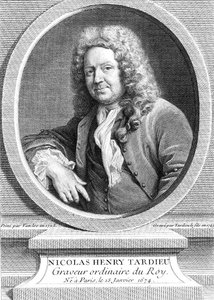
Nicolas-Henri Tardieu
1674 - 1749 , France
Kratke činjenice
- Artistic Movement Or Style: Rococo
- Artists Or Movements Influenced By This Artist:
- Jacques-Nicolas Tardieu
- Bernard Baron
- Artists Who Influenced This Artist:
- Pierre Lepautre
- Gérard Audran
- Benoit Audran
- Date Of Birth: January 18, 1674
- Date Of Death: January 27, 1749
- Full Name: Nicolas-Henri Tardieu
- Nationality: French
- Notable Artworks:
- Champs Élysées
- Embarcation for Cythera
- Portrait of Duke d'Antin
- Place Of Birth: Paris, France