

 Pregledaj u prostoru
 Pošalji
 Podeli
 Detalji o delu

 Преузми
 Slični predmeti
 Rendgenski snimak
 Slajdovi
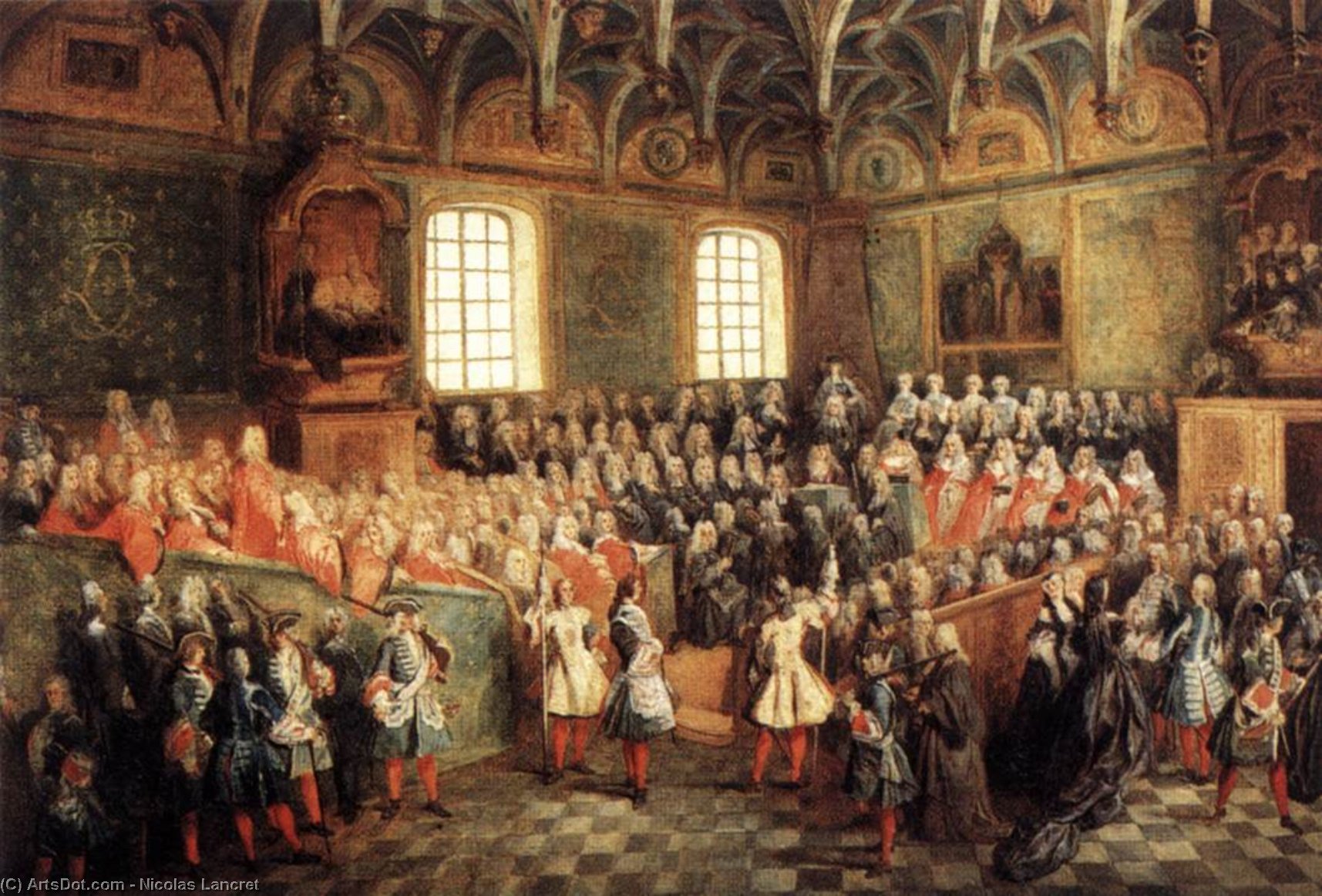
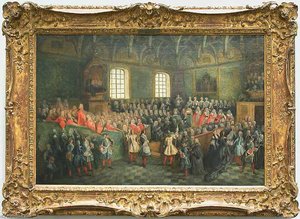
The Seat of Justice in the Parliament of Paris in 1723
 Oil On Canvas
- WallArt
- Rococo Charm
 1724
1724 56.0 x 81.0 cm
 Louvre
 Pročitaj više
Kupite digitalnu sliku visoke rezolucije i poboljšanog kvaliteta, koja je znatno superiornija od onoga što vidite u online prikazu.
Svaka datoteka je pedantno pripremljena od strane naših stručnjaka koristeći napredne alate i profesionalnu ručnu retušu. Osiguravamo da svaka slika ima izuzetnu oštrinu, preciznu reprodukciju boja i fine detalje.
Konačna datoteka se dostavlja putem e-pošte u roku od 72 sata, optimizovana za neposrednu upotrebu u profesionalnim, izdavačkim i štamparskim okruženjima. To je isti kvalitet kojem veruju vrhunski studiji dizajna, izdavači i galerije.
Digitalna slika
Preuzmite datoteku visoke rezolucije za ličnu upotrebu, štampanje i kreativne projekte. ( Kupi print Kupi ručno naslikanu sliku)
Uključeno uz svaku porudžbinu digitalne slike
Profesionalna digitalna isporuka, zagarantovana
Kada odaberete ArtsDot.com, ne dobijate samo sliku – vi primate profesionalno unapređeno digitalno umetničko delo, izrađeno sa najvećom preciznošću i uz garanciju zadovoljstva. Evo svega što automatski dolazi uz vašu porudžbinu:

Brza dostava putem e-pošte
Vaša digitalna slika visoke rezolucije biće vam poslata putem e-pošte u roku od 72 sata od poručivanja – spremna za trenutnu upotrebu.

Digitalna datoteka unapređena veštačkom inteligencijom
Vaše umetničko delo je profesionalno optimizovano korišćenjem naprednih AI alata i ručne obrade, čime se osiguravaju maksimalni detalji, oštrina i preciznost boja.

Besplatna ponovna isporuka doživotno
Slučajno ste obrisali ili izgubili svoju datoteku? Ne brinite – poslaćemo vam je ponovo u bilo kom trenutku, potpuno besplatno.

Bez troškova uvoza – zauvek
Uživajte u svojim umetničkim delima trenutno, bez carine, dažbina ili troškova dostave – digitalni download je uvek bez poreza.

Garancija vernosti boja
Uz pomoć profesionalnih alata i upravljanja bojama, osiguravamo da vaša digitalna slika što vernije odražava originalne boje.

Garancija zadovoljstva u roku od 100 dana
Ako niste zadovoljni svojom digitalnom slikom, revidirat ćemo je ili vratiti 100% novca u roku od 100 dana – bez ikakvih pitanja.

100% garancija povrata novca
Niste zadovoljni? Obezbedite pun povrat novca u roku od 100 dana od trenutka kada ste primili svoju digitalnu datoteku – bez suvišnih pitanja.

Popusti na velike porudžbine
Kupite 3 slike, uštedite 10% - Kupite 5 slika, uštedite 15% - Kupite 10+ slika, uštedite 20%. Odlično za kreativne projekte, galerije i agencije.
The Seat of Justice in the Parliament of Paris – A Rococo Window into Power
Nicolas Lancret’s “The Seat of Justice in the Parliament of Paris in 1723” is more than just a depiction of a courtroom; it's a meticulously crafted tableau vivant, a vibrant snapshot of power and social order within the heart of 18th-century France. Painted in 1724, this oil on canvas, measuring a modest yet significant 56 x 81 cm (approximately 22 x 32 inches), resides within the esteemed collection of the Musée du Louvre, offering a rare glimpse into the formal proceedings and subtle social dynamics of the Parlement de Paris. Lancret, a master of *fête galante* – scenes of elegant leisure and aristocratic gatherings – here skillfully blends elements of courtly formality with a distinctly Rococo sensibility, creating an image that is both visually arresting and intellectually stimulating.
The scene unfolds within a grand chamber, bathed in the diffused light streaming through two expansive windows. This natural illumination isn’t merely decorative; it underscores the importance of transparency and public scrutiny – core tenets of justice, even as they are subtly framed by the opulent setting. The room is populated with figures dressed in the elaborate attire characteristic of the period: powdered wigs, velvet coats, silk gowns, and shimmering brocades all speak to the wealth and status of those present. Men in suits and ties, a surprising anachronism within this historical scene, subtly hint at the evolving nature of governance and the gradual shift towards a more accessible form of authority.
A Masterclass in Rococo Light and Atmosphere
Lancret’s technique is characterized by its delicate handling of light and color. He eschews dramatic contrasts in favor of a softer, more atmospheric approach, typical of the Rococo style. The palette is rich yet restrained, dominated by pastel hues – pale blues, greens, pinks, and golds – that evoke a sense of refined elegance and understated luxury. Notice how Lancret uses *sfumato*—a subtle blurring of edges—to create an almost dreamlike quality, softening the sharp lines of the architecture and figures alike. This technique contributes significantly to the painting’s overall feeling of serenity and composure, despite the inherent formality of the subject matter.
The artist's attention to detail is remarkable. The textures of the fabrics are rendered with exquisite precision, from the heavy velvet of the judges’ robes to the delicate lace adorning the ladies’ gowns. The intricate patterns on the walls and floor – a testament to the wealth and taste of the Parlement – further enhance the sense of opulence. Lancret doesn't simply depict; he constructs an entire world, inviting the viewer to step into this meticulously rendered scene.
Symbolism and Social Commentary
Beyond its aesthetic beauty, “The Seat of Justice” offers a subtle commentary on the social hierarchy and power dynamics of 18th-century France. The positioning of the figures – with the judges seated in prominent positions and the other members of parliament arranged around them – clearly establishes the established order. However, Lancret’s use of light and shadow also suggests a degree of ambiguity. The diffused light doesn't illuminate everything equally; it highlights certain individuals and areas while leaving others in relative darkness, subtly hinting at the complexities of justice and the potential for hidden agendas.
The inclusion of the modern figures wearing suits and ties is particularly intriguing. It’s a deliberate juxtaposition, suggesting that even within the rigid framework of the Parlement, elements of modernity were beginning to infiltrate the established order. This subtle detail invites speculation about the future of governance and the evolving role of the judiciary.
A Timeless Portrait of Elegance and Order
“The Seat of Justice in the Parliament of Paris in 1723” is a captivating work that transcends its historical context. It’s not merely a record of a specific event; it's a timeless portrait of elegance, order, and the complexities of power. Lancret’s masterful technique, combined with his subtle use of symbolism, creates an image that continues to resonate with viewers today. Whether admired for its technical brilliance or appreciated for its insightful commentary on social dynamics, this painting remains a testament to the enduring appeal of Rococo art.
Srodna umetnička dela
Biografija umetnika
Никола Ланкре: Живот у Рококо шарму
Никола Ланкре, рођен у Паризу 22. јануара 1690. године, био је француски сликар чије име остаће упамћено као симбол елеганције и безбрижности епохе Рокоа. Иако детаљи његовог раног живота нису добро документовани, знамо да је уметнички пут започео под менторством Пјера d’Улина, цењеног историјског сликара. Међутим, преломни тренутак дошао је када се упознао са радовима Антоана Ватоа, чији је утицај дубоко обликовао Ланкреов каснији рад. Након тога, студирао је код Жан-Батиста Жилоа, бившег ученика Ватоа, што је додатно учврстило његову везу са овим утицајним уметничким наслеђем. Ово рано образовање поставило је темеље за Ланкреов препознатљиви стил – карактеризован лакоћу и живописним приказима париског друштва и славља, познатих као *fêtes galantes*.Уметнички стил и значајна дела
Ланкре је постао познат као бриљантан портретиста свакодневног живота француског друштва током регентства војводе Орлеана и ране владавине краља Луја XV. Његов уметнички стил обележавају шармантне сцене балова, вашара, сеоских свадби и других друштвених окупљања, које одражавају укусе и обичаје његовог времена. Имао је изузетан таленат за хватање духа рококо елеганције и фриволитета. Његова дела нису само визуелни записи епохе, већ и прозори у начин живота аристократије и буржоазије. Међу његовим најзначајнијим радовима издваја се *Le Déjeuner de Jambon* (Шантили, Музеј Конде, 1735), квинтeсенцијални пример његових жанровских сцена, који приказује друштвени ручак уз веселе фигуре. Слика *La Servante Justifiée* (1735-1740) демонстрира Ланкреову способност да портретише кућне сцене са духовитошћу и шармом, док *Le Jeu des Quatre-Coins* представља игрив приказ популарне игре, хватајући енергију и забаву друштвених интеракција. Портрет *Marie-Anne de Camargo* (1730) показује његову вештину у приказивању модне фигуре, истичући детаље одеће и фризуру типичне за то доба.Утицаји и наслеђе
Ланкреов уметнички стил носи јазбу сходост са стилом Ватоа, што често доводи историчаре уметности да их поредију. Иако су неки критичари сматрали да је Ланкреов рад мање дубок од Ватоовог, његова способност да зароби суштину француског друштва у 18. веку обезбедила му је значајно место у историји уметности. Његове слике се славе по лакоћи и шарму, нудећи драгоцене увиде у друштвене обичаје и естетику рококо периода. Ланкреов утицај може се видети код каснијих уметника попут Франсоа Бушеа. Његови радови се чувају у престижним колекцијама широм света, укључујући Националну галерију и Музеј Орсе, обезбеђујући да његово наслеђе настави да инспирише цењење француске рококо уметности.Развој и историјски значај
Током своје каријере, Ланкре је показао постепенну еволуцију у свом уметничком приступу. Иако је првобитно био снажно под утицајем Ватоа, развио је преpoznatljiviji стил који се карактерише живописнијим бојама и већом хармонијом између фигура и околине. Његови каснији радови, као што су *Montreir de lanterne magique* и *Family in a Garden*, сматрају се врхунцем његовог уметничког достигнућа, демонстрирајући растућу способност да створи дубину и интимност у својим композицијама. Ланкреов историјски значај лежи у његовом доприносу рококо покрету и способности да документује друштвени живот и културне вредности Француске у 18. веку кроз своје шармантне и приступачне слике. Он је био мајстор у приказивању лепоте, грације и безбрижности епохе која је остала запамћена као симбол елеганције и раскоши.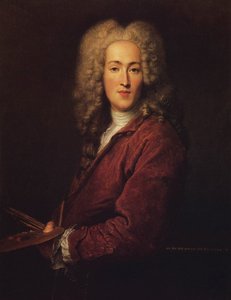
Никола Ланкре
1690 - 1743 , Француска
Kratke činjenice
- Artistic Movement Or Style: Рококо
- Artists Or Movements Influenced By This Artist: ['François Boucher']
- Artists Who Influenced This Artist:
- Pierre d’Ulin
- Jean-Baptiste Gillot
- Antoine Watteau
- Date Of Birth: 22. јануар 1690.
- Date Of Death: 14. септембар 1743.
- Full Name: Никола Ланкре
- Nationality: Француски
- Notable Artworks:
- Le Déjeuner de Jambon
- La Servante Justifiée
- Le Jeu des Quatre-Coins
- Marie-Anne de Camargo
- Place Of Birth: Париз, Француска