

 Pregledaj u prostoru
 Pošalji
 Podeli
 Detalji o delu

 Преузми
 Slični predmeti
 Rendgenski snimak
 Slajdovi
 Statistika
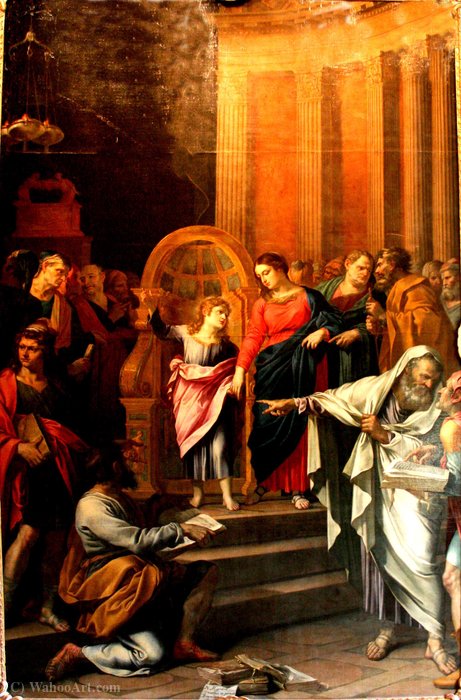
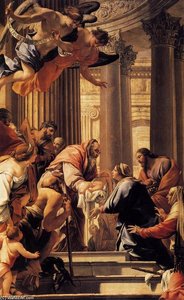
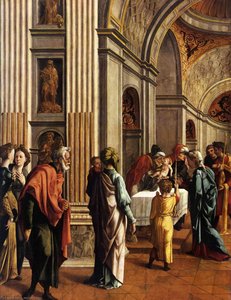
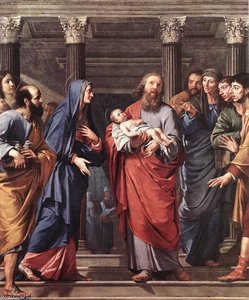
Jesus in the temple.
 Pročitaj više
Ručno rađena uljana reprodukcija
Ručno oslikano uljanim bojama na platnu u dimenzijama i okviru po vašem izboru, izrađeno po porudžbini od strane naših umetnika. ( Pređi na štampu Pređi na digitalnu sliku)




































Izaberite jednu od naših unapred definisanih veličina koje odgovaraju originalnim proporcijama umetničkog dela.

Можете унети сопствене димензије како бисте прилагодили дело одређеном оквиру или простору. Ако одабрана величина не одговара пропорцијама оригинала, слика ће бити исечена или проширена додатним елементима који се ручно насликавају. Дигитални prikaz ће вам бити послат на одобрење пре почетка производње.
Имајте на уму да преглед на екрану не одражава стварно исецање или проширење. Само приказ (mockup) ће тачно приказати коначну композицију.
Иако су доступне прилагођене величине, препоручујемо да одаберете димензију из дефинисане листе како бисте сачували оригиналне пропорције.
Nakon narudžbine, tim ArtsDot.com će klijentu putem e-pošte poslati uputstva i dostaviti prikaz predloženog rešenja
Isporuka širom sveta () za 3/4 nedelje umesto uobičajenih 5 nedelja. (10 септембар). Bez kompromisa po pitanju kvaliteta.

Besplatna ekspresna dostava širom sveta

Visokokvalitetno laneno platno

Kompletno osiguranje transporta

Garancija povraćaja carine i uvoznih dažbina

Garancija vernosti boja

Politika povraćaja u roku od 100 dana (isključivo u slučaju nedostataka)

Garancija povrata novca od 100%

Popust pri grupnoj kupovini
 Opcija sa staklom dostupna je samo za dimenzije manje od 110 cm

Jesus in the temple.
Tehnika reprodukcije
Dimenzije reprodukcije
-


Konačna cena
$ 263
Srodna umetnička dela
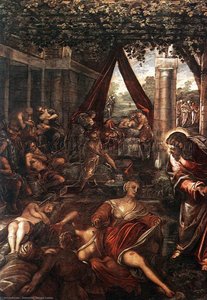
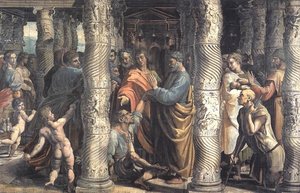
Biografija umetnika
Nicolas Mignard d’Avignon: A Painter Bridging Italy and France
The world of 17th-century French art was a vibrant tapestry woven from influences – Italian Mannerism, the burgeoning realism of Caravaggio, and the established traditions of Fontainebleau. Within this complex landscape emerged Nicolas Mignard d’Avignon (1606-1668), an artist whose career spanned both the relative tranquility of Avignon and the competitive fervor of Parisian court life. More than simply a painter, Mignard was a conduit between these distinct artistic worlds, skillfully absorbing and adapting techniques to forge a unique style characterized by dramatic lighting, rich color palettes, and a profound understanding of religious emotion.
Born in Troyes, the son of an artisan family, Mignard’s early training remains somewhat shrouded in mystery. He received instruction from a local master, whose identity is lost to history, but this initial grounding laid the foundation for his later explorations. A crucial period in his development occurred during his time in Fontainebleau, where he diligently copied the works of Mannerist masters like Rosso Fiorentino and Parmigianino. This immersion in the stylized elegance of the Renaissance provided a critical bridge to his subsequent journey south.
Avignon: The Heart of His Artistic Identity
Around 1633, Mignard established himself in Avignon, a city then experiencing a period of relative prosperity and artistic patronage. This location proved pivotal, shaping the trajectory of his career and solidifying his reputation as a master of religious painting. He quickly gained commissions from local churches and wealthy patrons, producing a prolific body of work that showcased his evolving style. His early Avignon paintings demonstrate a clear debt to the Bolognese painters – Annibale Carracci and Guido Reni – particularly in their use of dramatic chiaroscuro (the contrast between light and dark) and their dynamic compositions.
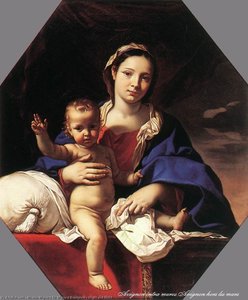
Mignard’s work during this period is characterized by an intense emotionalism. He didn't simply depict religious scenes; he sought to convey the spiritual experience itself, utilizing swirling draperies, expressive gestures, and a carefully orchestrated interplay of light and shadow to draw the viewer into the heart of the narrative. His depictions of the Virgin Mary, in particular, are renowned for their maternal tenderness and profound serenity.
A Roman Interlude and Return to France
In 1636, Mignard embarked on a significant journey to Rome, accompanying Alphonse-Louis du Plessis, the Cardinal Archbishop of Lyon. This sojourn proved transformative, exposing him to the artistic innovations of the Italian Renaissance firsthand. He spent several years producing etchings after works by Carracci and other masters, refining his technique and deepening his understanding of composition and perspective. The Roman experience instilled in him a greater confidence and a willingness to experiment with new approaches.
Returning to Avignon in 1636, Mignard continued to produce religious paintings, but his style had undergone a subtle shift. The influence of Italianate classicism was now more pronounced, evident in the refined figures, balanced compositions, and elegant drapery. He also began to incorporate elements of French Baroque painting, reflecting the evolving artistic trends of his time.
Court Painter and Academic Influence
A turning point in Mignard’s career arrived with a royal visit to Avignon in 1660, when King Louis XIV and his court traveled on their way to Spain. This event secured him a prestigious commission – the creation of portraits of various courtiers, including Cardinal Mazarin. Mazarin, recognizing Mignard's talent, arranged for his move to Paris in 1660, where he joined the Académie Royale de Peinture et de Sculpture.
At the Academy, Mignard’s experience and established reputation quickly earned him respect. He became a professor and assistant rector in 1664, and later rector in 1666. His influence extended beyond his own work; he mentored younger artists and played a role in shaping the direction of French painting during this period. Despite facing competition from Charles Le Brun, the Academy’s premier painter, Mignard remained a significant figure within the artistic establishment.
Legacy and Artistic Significance
Nicolas Mignard d’Avignon died in Paris in 1668, leaving behind a substantial body of work that exemplifies the transition between Mannerism and Baroque styles. His paintings are characterized by their dramatic lighting, rich colors, and profound emotional intensity. He is particularly remembered for his depictions of religious subjects, which continue to resonate with viewers today. Mignard’s career serves as a testament to the dynamic exchange of artistic ideas that shaped 17th-century France – a painter who skillfully blended Italian influences with French sensibilities to create a distinctly personal and enduring style.
nicolas mignard dit mignard d'avignon
1606 - 1668
Osnovne informacije
- Artistic Movement Or Style: Bolognese influence
- Artists Or Movements Influenced By This Artist:
- Pierre Mignard
- Italian Mannerism
- Artists Who Influenced This Artist:
- Annibale Carracci
- Simon Vouet
- Date Of Birth: February 7, 1606
- Date Of Death: March 20, 1668
- Full Name: Nicolas Mignard d’Avignon
- Nationality: French
- Notable Artworks:
- Virgin and Child
- Jules Mazarin
- Place Of Birth: Troyes, France