

 Pregledaj u prostoru
 Pošalji
 Podeli
 Detalji o delu

 Преузми
 Slični predmeti
 Rendgenski snimak
 Slajdovi
 Statistika
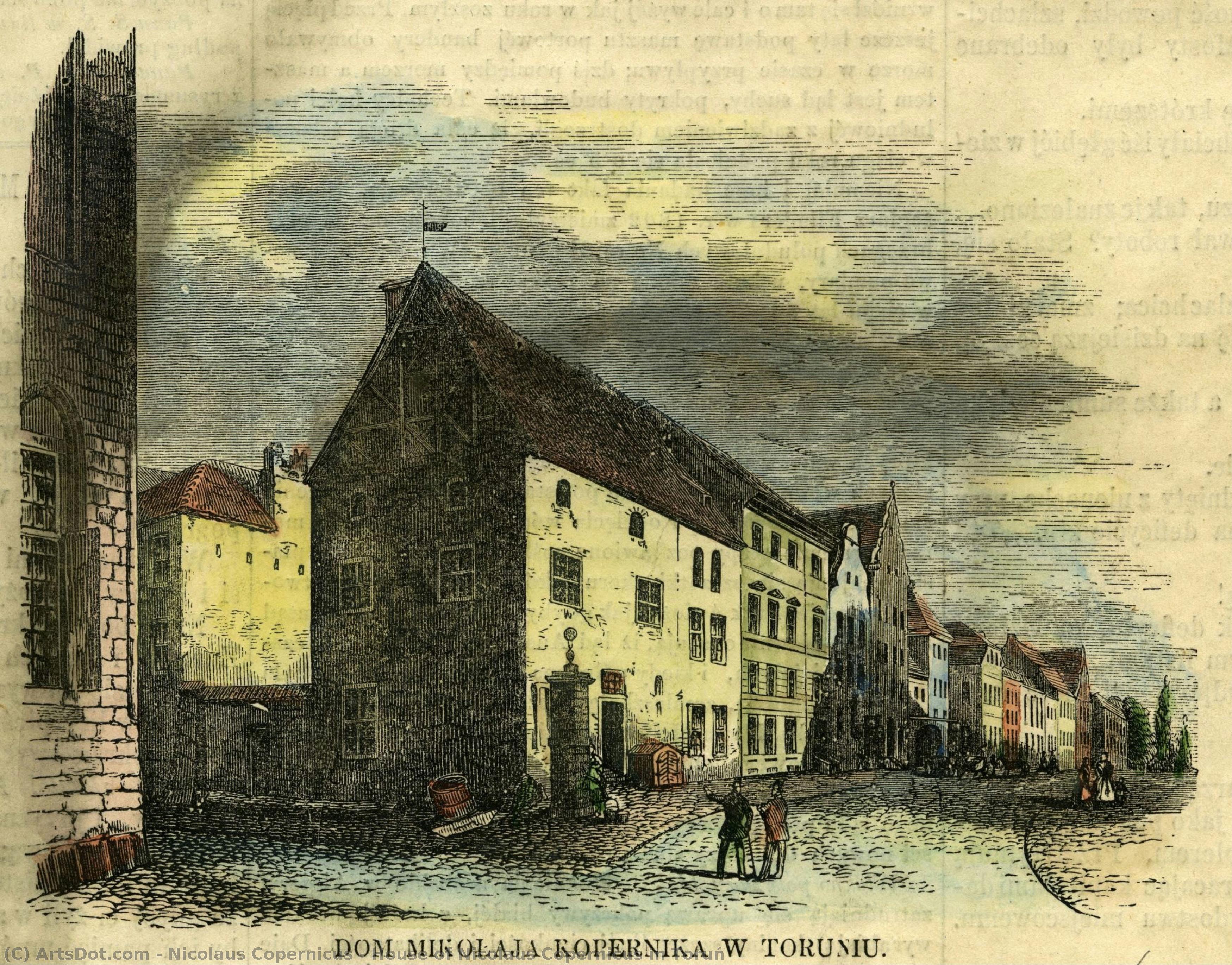
House of Nicolaus Copernicus in Toruń
 Drawing
- WallArt
 1800
1800- 19th Century
 11.0 x 14.0 cm
 Nicolaus Copernicus University in Toruń
 Pročitaj više
Kupite digitalnu sliku visoke rezolucije i poboljšanog kvaliteta, koja je znatno superiornija od onoga što vidite u online prikazu.
Svaka datoteka je pedantno pripremljena od strane naših stručnjaka koristeći napredne alate i profesionalnu ručnu retušu. Osiguravamo da svaka slika ima izuzetnu oštrinu, preciznu reprodukciju boja i fine detalje.
Konačna datoteka se dostavlja putem e-pošte u roku od 72 sata, optimizovana za neposrednu upotrebu u profesionalnim, izdavačkim i štamparskim okruženjima. To je isti kvalitet kojem veruju vrhunski studiji dizajna, izdavači i galerije.
Digitalna slika
Preuzmite datoteku visoke rezolucije za ličnu upotrebu, štampanje i kreativne projekte. ( Pređi na štampu Kupi ručno naslikanu sliku)
Uključeno uz svaku porudžbinu digitalne slike
Profesionalna digitalna isporuka, zagarantovana
Kada odaberete ArtsDot.com, ne dobijate samo sliku – vi primate profesionalno unapređeno digitalno umetničko delo, izrađeno sa najvećom preciznošću i uz garanciju zadovoljstva. Evo svega što automatski dolazi uz vašu porudžbinu:

Brza dostava putem e-pošte
Vaša digitalna slika visoke rezolucije biće vam poslata putem e-pošte u roku od 72 sata od poručivanja – spremna za trenutnu upotrebu.

Digitalna datoteka unapređena veštačkom inteligencijom
Vaše umetničko delo je profesionalno optimizovano korišćenjem naprednih AI alata i ručne obrade, čime se osiguravaju maksimalni detalji, oštrina i preciznost boja.

Besplatna ponovna isporuka doživotno
Slučajno ste obrisali ili izgubili svoju datoteku? Ne brinite – poslaćemo vam je ponovo u bilo kom trenutku, potpuno besplatno.

Bez troškova uvoza – zauvek
Uživajte u svojim umetničkim delima trenutno, bez carine, dažbina ili troškova dostave – digitalni download je uvek bez poreza.

Garancija vernosti boja
Uz pomoć profesionalnih alata i upravljanja bojama, osiguravamo da vaša digitalna slika što vernije odražava originalne boje.

Garancija zadovoljstva od 100 dana
Ako niste zadovoljni svojom digitalnom slikom, izvršićemo reviziju ili ćemo vam vratiti 100% novca u roku od 100 dana – bez ikakvih pitanja.

100% garancija povrata novca
Niste zadovoljni? Dobijte puni povraćaj novca u roku od 100 dana od prijema digitalne datoteke – bez suvišnih pitanja.

Popusti na velike porudžbine
Kupite 3 slike, uštedite 10% - Kupite 5 slika, uštedite 15% - Kupite 10+ slika, uštedite 20%. Odlično za kreativne projekte, galerije i agencije.
A Window into the Renaissance: The House of Nicolaus Copernicus
In this exquisite black and white drawing from 1800, we are transported back to a bygone era, standing before the venerable House of Nicolaus Copernicus in Toruń. The artwork serves as more than just a topographical record; it is a soulful meditation on history and architectural grandeur. Through delicate linework and masterful use of contrast, the artist captures the imposing brick structure of this legendary residence, complete with its iconic clock tower that pierny stands against the sky. The scene is alive with the quiet energy of the past, featuring figures dressed in period attire and a solitary horse in the background, all contributing to a profound sense of historical continuity and nostalgic depth.
The technique employed in this piece evokes the meticulous precision of classical etching. Every detail—from the intricate textures of the weathered masonry to the subtle shadows cast by the clock tower—is rendered with an eye for architectural truth. The absence of color directs the viewer's focus entirely toward form, light, and composition. This monochromatic approach lends the work a timeless quality, stripping away the distractions of modern hues to reveal the skeletal beauty and structural integrity of the Toruń landscape. For the discerning collector, this drawing offers a sophisticated study in light and shadow that commands attention through its sheer clarity and historical weight.
Beyond its aesthetic merits, the artwork carries immense symbolic resonance. As the birthplace of the man who dared to move the Earth and stop the Sun, this house represents the very cradle of the scientific revolution. The presence of people moving around the building suggests a living history, reminding us that great ideas are often born within the humble walls of domestic life. For interior designers and art enthusiasts alike, integrating a reproduction of such a piece into a space provides an intellectual anchor. It invites conversation about the intersection of science, art, and heritage, making it an ideal centerpiece for a library, a study, or a gallery wall dedicated to the triumphs of human intellect.
Owning a high-quality reproduction of this drawing is an opportunity to possess a fragment of the Renaissance spirit. It is a piece that resonates with those who appreciate the quiet power of historical landscapes and the enduring legacy of Nicolaus Copernicus. Whether used to evoke a sense of scholarly prestige or to add a layer of classical elegance to a contemporary room, this artwork remains a captivating tribute to one of history's most transformative eras.
Srodna umetnička dela

Biografija umetnika
The Architect of the Heavens: The Life and Legacy of Nicolaus Copernicus
In the twilight of the Middle Ages, a period defined by a geocentric view of existence where the Earth sat motionless at the center of all things, a brilliant mind emerged from Torün, Poland, to redraw the very map of the cosmos. Nicolaus Copernicus, known in his native tongue as Mikołaj Kopernik, was far more than a mere mathematician; he was a visionary whose intellectual courage dismantled centuries of scientific dogma. Born in 1473, his early life was steeped in the rich academic traditions of the University of Krakow, where he immersed himself in the rigorous disciplines of mathematics and astronomy. This foundational education allowed him to look beyond the surface of the night sky, seeking a deeper, more harmonious order within the celestial mechanics that govern our universe.
The intellectual journey of Copernicus was deeply influenced by the classical wisdom of antiquity. By studying the works of Greek philosophers such as Aristotle and Ptolemy, he gained the tools necessary to identify the profound flaws in the existing Ptolemaic system. While his contemporaries accepted a universe revolving around the Earth, Copernicus possessed the mathematical intuition to sense a different truth. His multidisciplinary expertise—spanning medicine, law, and diplomacy—provided him with a unique perspective, allowing him to approach astronomical problems with a holistic understanding of natural philosophy. This period of intense study and observation laid the groundwork for a revolution that would eventually shift the very axis of human thought.
The Heliocentric Revolution and Artistic Resonance
The culmination of Copernicus's life work arrived in 1543 with the publication of his magnum opus, De revolutionibus orbium coelestium (On the Revolutions of the Celestial Spheres). In this monumental text, he presented his heliocentric model, daringly proposing that the Sun, not the Earth, serves as the central point around which the planets revolve. This was not merely a scientific correction; it was a profound philosophical upheaval that stripped humanity of its perceived central position in the cosmos. The impact of this work was seismic, acting as the primary catalyst for the Scientific Revolution and forever altering the trajectory of modern science.
Beyond the mathematical proofs and astronomical diagrams, the legacy of Copernicus has been captured through the lens of art and engraving, preserving his image for posterity. The visual representation of his ideas often blends scientific precision with the aesthetic sensibilities of the Renaissance. For instance:
- The Portraiture of Genius: Engravings such as those by Jacob van Meurs serve to immortalize the astronomer, portraying him not just as a scholar, but as a figure of profound intellectual authority.
- Symbolic Diagrams: The artistic depictions of the heliocentric system act as visual narratives, translating complex orbital mechanics into accessible, evocative imagery that captures the movement of the spheres.
- Historical Documentation: Through various collections in institutions like the Kunstbibliothek in Berlin, the visual history of his contributions remains a vital part of European art and scientific heritage.
Today, the name Nicolaus Copernicus evokes a sense of awe for the power of human reason. His ability to look at the same stars as his predecessors, yet see an entirely different universe, remains one of the greatest achievements in human history. Through both his written word and the enduring artistic tributes that celebrate his intellect, Copernicus continues to inspire those who dare to challenge the status quo and seek the truth hidden within the infinite expanse of the heavens.
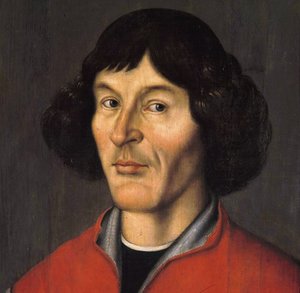
nicolaus copernicus
1473 - 1543 , Poland
Kratke činjenice
- Artists Who Influenced This Artist:
- Aristotle
- Ptolemy
- Date Of Birth: 1473
- Date Of Death: 1543
- Full Name: Nicolaus Copernicus
- Nationality: Polish
- Notable Artworks: ['De revolutionibus orbium coelestium']
- Place Of Birth: Toruń, Poland