

 Pregledaj u prostoru
 Pošalji
 Podeli
 Detalji o delu

 Преузми
 Slični predmeti
 Rendgenski snimak
 Slajdovi
 Statistika
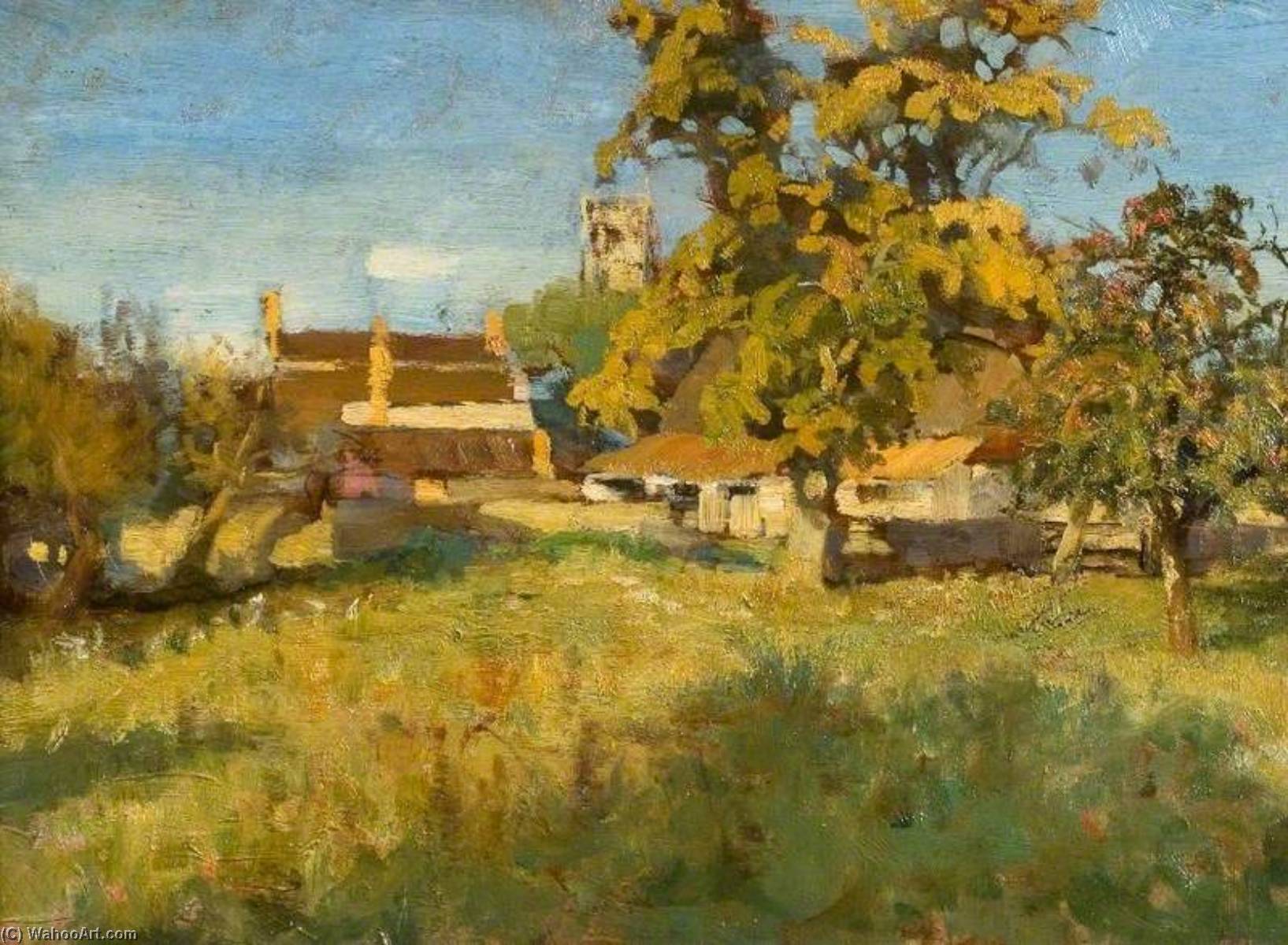
Landscape with Church
 22.0 x 31.0 cm
 Pročitaj više
Ručno rađena uljana reprodukcija
Ručno oslikano uljanim bojama na platnu u dimenzijama i okviru po vašem izboru, izrađeno po porudžbini od strane naših umetnika. ( Pređi na štampu Pređi na digitalnu sliku)




































Izaberite jednu od naših unapred definisanih veličina koje odgovaraju originalnim proporcijama umetničkog dela.

Можете унети сопствене димензије како бисте прилагодили дело одређеном оквиру или простору. Ако одабрана величина не одговара пропорцијама оригинала, слика ће бити исечена или проширена додатним елементима који се ручно насликавају. Дигитални prikaz ће вам бити послат на одобрење пре почетка производње.
Имајте на уму да преглед на екрану не одражава стварно исецање или проширење. Само приказ (mockup) ће тачно приказати коначну композицију.
Иако су доступне прилагођене величине, препоручујемо да одаберете димензију из дефинисане листе како бисте сачували оригиналне пропорције.
Nakon narudžbine, tim ArtsDot.com će klijentu putem e-pošte poslati uputstva i dostaviti prikaz predloženog rešenja
Isporuka širom sveta () za 3/4 nedelje umesto uobičajenih 5 nedelja. (8 септембар). Bez kompromisa po pitanju kvaliteta.

Besplatna ekspresna dostava širom sveta

Visokokvalitetno laneno platno

Kompletno osiguranje transporta

Garancija povraćaja carine i uvoznih dažbina

Garancija vernosti boja

Politika povraćaja u roku od 100 dana (isključivo u slučaju nedostataka)

Garancija povrata novca od 100%

Popust pri grupnoj kupovini
 Opcija sa staklom dostupna je samo za dimenzije manje od 110 cm

Landscape with Church
Tehnika reprodukcije
Dimenzije reprodukcije
-


Konačna cena
$ 263
Srodna umetnička dela





Biografija umetnika
Norman Hirst: Sculptor of Decay and the Echoes of Mortality
Norman Hirst, a name often whispered in circles devoted to conceptual art and the unsettling beauty of decay, remains one of the 20th century’s most provocative figures. Born in Leeds in 1862, his life was marked by a restless spirit and an increasingly morbid fascination with mortality – a preoccupation that would ultimately define his singular artistic vision. Hirst wasn't simply an artist; he was a chronicler of the ephemeral, a sculptor who wrestled with the uncomfortable truths of life, death, and the passage of time, employing techniques both startlingly modern and deeply rooted in Victorian sensibilities.
Hirst’s early years were far from conventional. He abandoned formal education after a brief stint at art school, opting instead for the physicality of construction work – a period he later described as profoundly formative. It was during this time that he encountered the visceral realities of death and decomposition firsthand, experiences which would irrevocably shape his artistic trajectory. His early works, often small-scale sculptures crafted from plaster and wood, began to subtly hint at the themes that would dominate his mature career: the vulnerability of the human form, the inevitability of decay, and the unsettling beauty found within the process of dissolution.
The 1920s witnessed a significant shift in Hirst’s artistic practice. He embraced the burgeoning field of taxidermy, meticulously preserving animal specimens – often sourced from local slaughterhouses – and presenting them in increasingly elaborate and disturbing arrangements. These early taxidermic works, such as “Arab Coastal Village” (a haunting depiction of a Middle Eastern scene populated by deceased animals) and "Sherwood Forest," were not merely displays of preserved creatures; they were carefully constructed narratives exploring themes of loss, memory, and the relationship between humanity and the natural world. The use of formaldehyde to preserve these specimens was a deliberate choice, lending an eerie translucence to the figures and emphasizing their vulnerability.
Hirst’s most enduring legacy lies in his exploration of decomposition – a subject he approached with unflinching honesty and a remarkable eye for detail. His later works, particularly those created in the 1940s and 50s, involved the systematic dissection and preservation of animal carcasses, often suspended within glass cases or presented as freestanding sculptures. These pieces, like “Damien Hirst” (a meticulously rendered depiction of a decaying cow), were profoundly unsettling yet undeniably captivating, forcing viewers to confront their own anxieties about mortality and the fragility of life. The sheer scale of these installations – some reaching several feet in height – further amplified their impact, creating an immersive experience that lingered long after it was over.
The Influence of Victorian Aesthetics
Despite his embrace of modern techniques like taxidermy and formaldehyde preservation, Hirst’s work is deeply indebted to the aesthetic sensibilities of the Victorian era. The meticulous detail with which he rendered even the most gruesome aspects of decay reflects a Victorian fascination with death and mourning – a period characterized by elaborate funeral rituals, sentimental poetry, and an obsession with preserving the physical remains of loved ones. His use of natural materials—wood, plaster, animal hides—also echoes the Victorian appreciation for craftsmanship and the beauty of the natural world.
However, Hirst’s work transcends mere imitation; he subverts Victorian conventions by presenting death not as a subject of sentimental mourning but as an unsettling spectacle. He strips away the veneer of respectability associated with traditional funerary practices, forcing viewers to confront the raw and visceral reality of decomposition. This deliberate transgression is what ultimately distinguishes Hirst's art from earlier Victorian depictions of mortality.
Formaldehyde and the Illusion of Life
The adoption of formaldehyde as a preservation medium was pivotal in shaping Hirst’s artistic vision. Formaldehyde, a chemical compound known for its pungent odor and ability to halt decomposition, creates an eerie translucence within the preserved specimens – effectively suspending them between life and death. This technique not only preserves the physical form of the animals but also imbues them with a ghostly quality, suggesting that they are simultaneously present and absent.
Hirst’s use of formaldehyde is particularly significant in his later works, where he often suspended entire carcasses within glass cases, creating an unsettling tableau vivant. The clear medium allows viewers to examine the intricate details of decay – the discoloration of skin, the fragmentation of bones, the gradual disintegration of tissue – with a disconcerting intimacy. The effect is both repulsive and strangely beautiful, highlighting the inherent paradoxes of life and death.
Legacy and Critical Reception
Norman Hirst’s work was largely overlooked during his lifetime, but he has since been recognized as a pioneering figure in conceptual art. His unflinching exploration of mortality, coupled with his innovative use of materials and techniques, challenged conventional notions of beauty and artistic representation. While some critics have dismissed his work as morbid or sensationalistic, others have hailed it as a profound meditation on the human condition.
Hirst’s influence can be seen in the work of numerous contemporary artists who explore themes of death, decay, and the body. His legacy lies not only in his individual artworks but also in his willingness to confront uncomfortable truths and push the boundaries of artistic expression. His sculptures continue to provoke debate and inspire awe, reminding us of our own mortality and the enduring power of art to grapple with the most profound mysteries of existence.
Notable Works
- Arab Coastal Village (1928): A meticulously rendered tableau featuring a collection of deceased animals arranged within a coastal setting.
- Sherwood Forest (1930s): A complex installation depicting a forest scene populated by taxidermic animals, reflecting themes of loss and memory.
- Damien Hirst (1940s-50s): A monumental sculpture featuring a fully dissected cow suspended within a glass case, showcasing the artist’s fascination with decomposition.
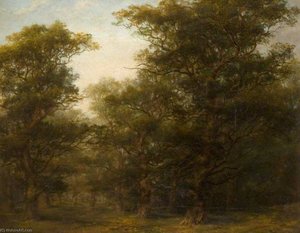
norman hirst
1862 - 1956
Osnovne informacije
- Artistic Movement Or Style: Conceptual Art, Sculpture
- Artists Or Movements Influenced By This Artist: ['Damien Hirst']
- Artists Who Influenced This Artist: ['Francis Davison']
- Date Of Birth: 1862
- Date Of Death: 1956
- Full Name: Norman Hirst
- Nationality: British
- Notable Artworks:
- Arab Coastal Village
- Sherwood Forest
- Untitled
- Place Of Birth: United Kingdom