

 Pregledaj u prostoru
 Pošalji
 Podeli
 Detalji o delu

 Преузми
 Slični predmeti
 Rendgenski snimak
 Slajdovi
 Statistika
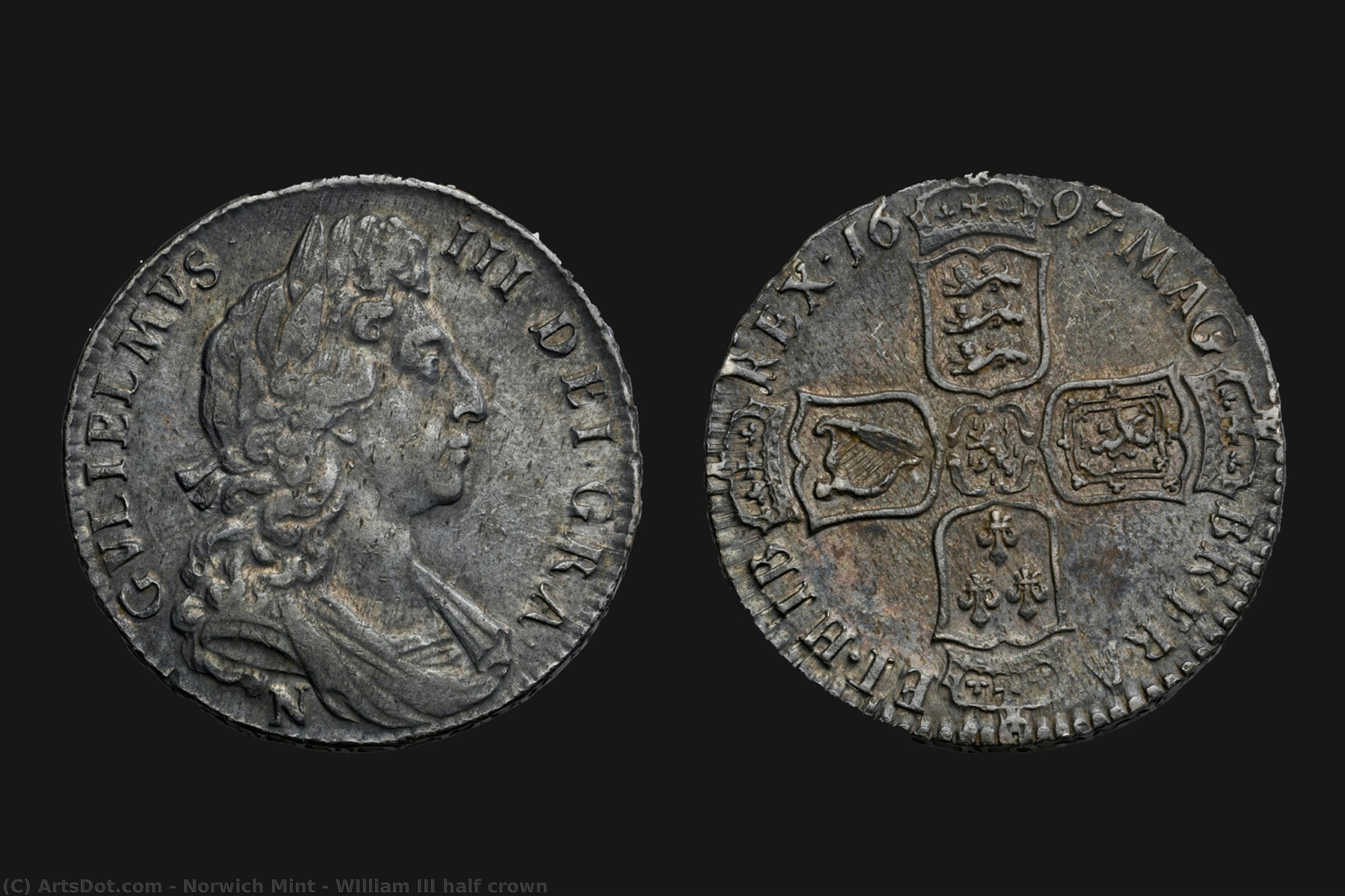
WIlliam III half crown


 Pročitaj više
Kupite digitalnu sliku visoke rezolucije i poboljšanog kvaliteta, koja je znatno superiornija od onoga što vidite u online prikazu.
Svaka datoteka je pedantno pripremljena od strane naših stručnjaka koristeći napredne alate i profesionalnu ručnu retušu. Osiguravamo da svaka slika ima izuzetnu oštrinu, preciznu reprodukciju boja i fine detalje.
Konačna datoteka se dostavlja putem e-pošte u roku od 72 sata, optimizovana za neposrednu upotrebu u profesionalnim, izdavačkim i štamparskim okruženjima. To je isti kvalitet kojem veruju vrhunski studiji dizajna, izdavači i galerije.
Digitalna slika
Preuzmite datoteku visoke rezolucije za ličnu upotrebu, štampanje i kreativne projekte. ( Pređi na štampu Kupi ručno naslikanu sliku)
Uključeno uz svaku porudžbinu digitalne slike
Profesionalna digitalna isporuka, zagarantovana
Kada odaberete ArtsDot.com, ne dobijate samo sliku – vi primate profesionalno unapređeno digitalno umetničko delo, izrađeno sa najvećom preciznošću i uz garanciju zadovoljstva. Evo svega što automatski dolazi uz vašu porudžbinu:

Brza dostava putem e-pošte
Vaša digitalna slika visoke rezolucije biće vam poslata putem e-pošte u roku od 72 sata od poručivanja – spremna za trenutnu upotrebu.

Digitalna datoteka unapređena veštačkom inteligencijom
Vaše umetničko delo je profesionalno optimizovano korišćenjem naprednih AI alata i ručne obrade, čime se osiguravaju maksimalni detalji, oštrina i preciznost boja.

Besplatna ponovna isporuka doživotno
Slučajno ste obrisali ili izgubili svoju datoteku? Ne brinite – poslaćemo vam je ponovo u bilo kom trenutku, potpuno besplatno.

Bez troškova uvoza – zauvek
Uživajte u svojim umetničkim delima trenutno, bez carine, dažbina ili troškova dostave – digitalni download je uvek bez poreza.

Garancija vernosti boja
Uz pomoć profesionalnih alata i upravljanja bojama, osiguravamo da vaša digitalna slika što vernije odražava originalne boje.

Garancija zadovoljstva od 100 dana
Ako niste zadovoljni svojom digitalnom slikom, izvršićemo reviziju ili ćemo vam vratiti 100% novca u roku od 100 dana – bez ikakvih pitanja.

100% garancija povrata novca
Niste zadovoljni? Dobijte puni povraćaj novca u roku od 100 dana od prijema digitalne datoteke – bez suvišnih pitanja.

Popusti na velike porudžbine
Kupite 3 slike, uštedite 10% - Kupite 5 slika, uštedite 15% - Kupite 10+ slika, uštedite 20%. Odlično za kreativne projekte, galerije i agencije.
Srodna umetnička dela






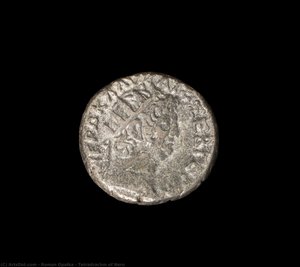
Biografija umetnika
The Enigmatic Legacy of the Norwich Mint
The “Norwich Mint,” a name that whispers of centuries past and shrouded in intriguing mystery, represents far more than just a place where coins were struck. It’s a historical echo resonating from the heart of medieval England – a testament to East Anglian commerce, royal patronage, and the quiet artistry of early numismatics. While definitive records remain scarce, piecing together fragments of evidence reveals a significant mint that operated within Norwich during the 17th century, producing coins bearing the imprint of William III, most notably the iconic half crown. This article delves into what we *do* know about this elusive institution, exploring its potential origins, production, and lasting legacy within the broader context of British coinage.
The precise beginnings of the Norwich Mint are difficult to pinpoint with absolute certainty. Likely established during the turbulent period following the English Civil War, it emerged as a vital component of England’s evolving monetary system. Situated in the bustling market town of Norwich – a city already renowned for its trade and strategic location – the mint benefited from access to crucial resources and a thriving network of merchants. The Royal Mint, now located in Llantrisant, Wales, served as the central authority for coin production throughout much of British history, but regional mints like the Norwich one played a critical role in supplementing the supply, particularly during times of increased demand or political upheaval. Norwich’s proximity to key trade routes and its established commercial infrastructure made it an ideal location for such a venture.
Evidence suggests that the Norwich Mint was actively producing coins as early as the 1690s, with the production of William III half crowns being particularly noteworthy. These coins, instantly recognizable by their distinctive design – featuring the King’s profile and the Latin inscription “Williamus Tertius Rex” – represent a significant achievement in early British coinage. The mint's ability to replicate this intricate detail on metal demonstrates considerable skill and precision. Interestingly, the limited surviving documentation raises questions about the scale of its operation and the identities of those who oversaw its production. It’s speculated that the mint was initially operated by private individuals or merchant guilds, potentially under royal license, before eventually becoming integrated into a larger administrative framework.
Norwich: A City Steeped in History
To understand the Norwich Mint, one must first appreciate the historical significance of Norwich itself. As described on Wikipedia, Norwich is a “cathedral city and district” with roots stretching back to the Iceni tribe and Roman settlements. Its strategic location along the River Wensum made it a vital trading center throughout the medieval period, attracting merchants, artisans, and pilgrims alike. The Guildhall, a magnificent example of medieval architecture (as showcased in the ArtsDot museum database), stands as a powerful symbol of Norwich’s past prosperity and civic importance. The city's rich history is further reflected in its numerous historic buildings, cobbled streets, and enduring cultural traditions – all contributing to its designation as a UNESCO City of Literature.
The presence of the Royal Mint within Norwich was inextricably linked to the city’s economic vitality. The mint’s operation stimulated trade, provided employment opportunities, and bolstered Norwich's reputation as a center of commerce. Furthermore, the production of coinage played a crucial role in facilitating transactions and strengthening the kingdom’s financial stability. The Guildhall, with its connections to the Royal Mint, served as a focal point for administrative and economic activity, solidifying Norwich’s position as a key player in the English economy.
The William III Half Crown: A Symbol of an Era
The William III half crown is arguably the most iconic product of the Norwich Mint. This silver coin, struck between 1696 and 1707, represents a pivotal moment in British coinage – a transition from the earlier styles of Charles II to the more streamlined designs favored by William III. The coin’s intricate details, including the King's portrait and the Latin inscription, are a testament to the skill of the mint’s engravers and assayers. The half crown itself was a popular denomination, used for both everyday transactions and larger purchases.
ArtsDot’s database entry on this specific coin highlights its significance as a tangible link to the 17th century. The meticulous reproduction of this historical artifact allows viewers to appreciate the artistry and craftsmanship that went into its creation. The half crown serves not only as a valuable numismatic specimen but also as a window into the political and economic landscape of England during William III’s reign.
Beyond the Coin: Unanswered Questions and Future Research
Despite considerable research, much about the Norwich Mint remains shrouded in mystery. The lack of detailed records – including surviving correspondence, inventories, or official documents – presents a significant challenge to historians seeking to fully understand its operations. However, ongoing archaeological excavations in Norwich are shedding new light on the city’s past, potentially uncovering further evidence related to the mint's activities.
The Norfolk Tales Facebook group (linked through internet search) offers intriguing anecdotal accounts and local lore that hint at the mint’s role in Norwich society. Reggie Unthank’s extensive research into Norwich history provides valuable context for understanding the city’s economic and cultural development during this period. Further investigation, combining historical analysis with archaeological findings, is essential to unraveling the complete story of the Norwich Mint – a fascinating chapter in Britain's monetary heritage.
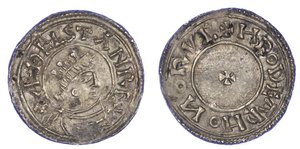
norwich mint
United Kingdom
Kratke činjenice
- Artistic Movement Or Style: Historical Mint
- Artists Or Movements Influenced By This Artist: ['British Numismatics']
- Artists Who Influenced This Artist: ['Royal Mint']
- Full Name: Norwich Mint
- Nationality: British
- Notable Artworks: ['William III Half Crown']
- Place Of Birth: Norwich, UK