

 Pregledaj u prostoru
 Pošalji
 Podeli
 Detalji o delu

 Преузми
 Slični predmeti
 Rendgenski snimak
 Slajdovi
 Statistika
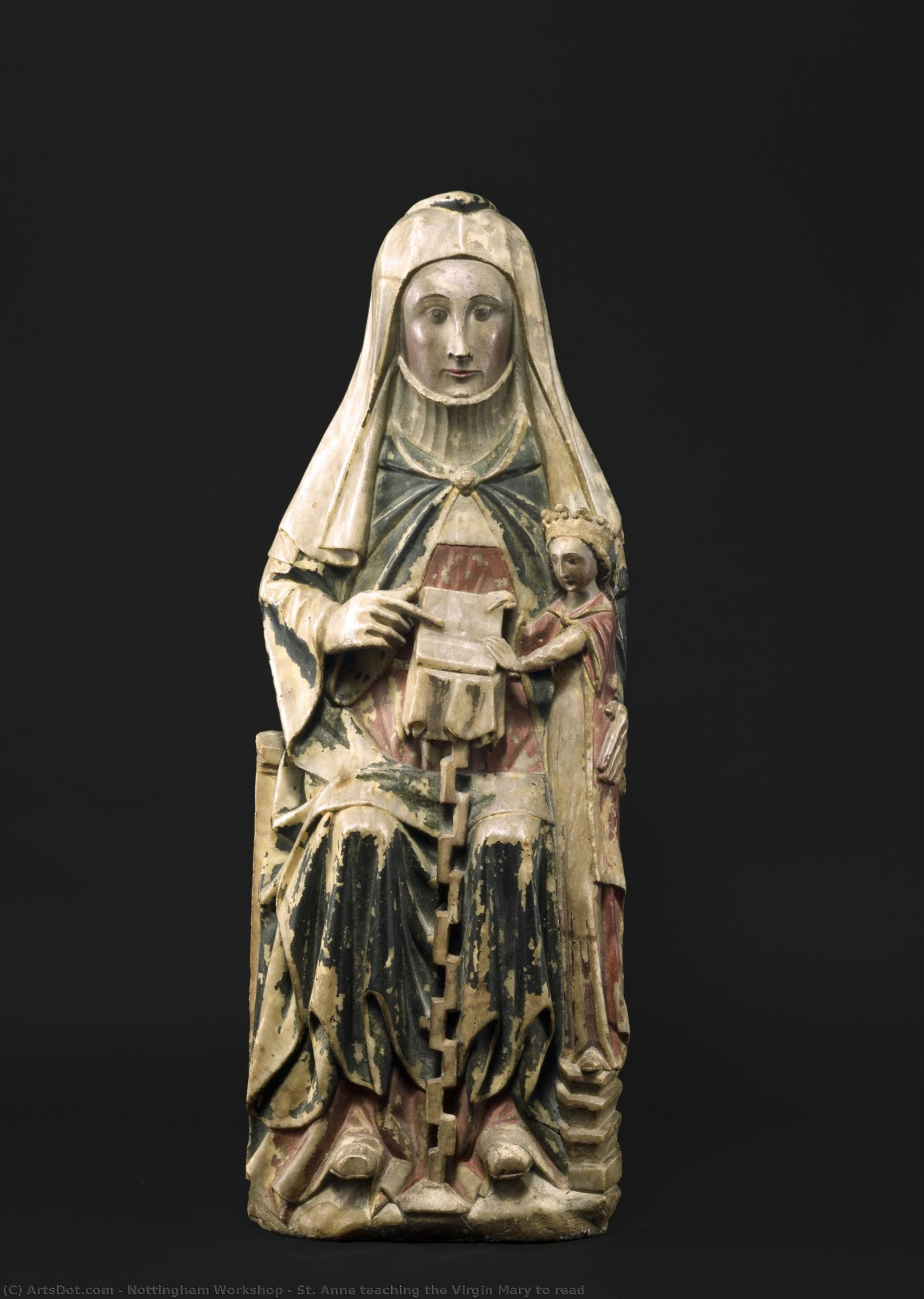
St. Anne teaching the Virgin Mary to read
 1400
1400 91.0 x 35.0 cm
 Nacionalni muzej stare umetnosti
 Pročitaj više
Ručno rađena uljana reprodukcija
Ručno oslikano uljanim bojama na platnu u dimenzijama i okviru po vašem izboru, izrađeno po porudžbini od strane naših umetnika. ( Pređi na štampu Pređi na digitalnu sliku)




































Izaberite jednu od naših unapred definisanih veličina koje odgovaraju originalnim proporcijama umetničkog dela.

Можете унети сопствене димензије како бисте прилагодили дело одређеном оквиру или простору. Ако одабрана величина не одговара пропорцијама оригинала, слика ће бити исечена или проширена додатним елементима који се ручно насликавају. Дигитални prikaz ће вам бити послат на одобрење пре почетка производње.
Имајте на уму да преглед на екрану не одражава стварно исецање или проширење. Само приказ (mockup) ће тачно приказати коначну композицију.
Иако су доступне прилагођене величине, препоручујемо да одаберете димензију из дефинисане листе како бисте сачували оригиналне пропорције.
Nakon narudžbine, tim ArtsDot.com će klijentu putem e-pošte poslati uputstva i dostaviti prikaz predloženog rešenja
Isporuka širom sveta () za 3/4 nedelje umesto uobičajenih 5 nedelja. (9 септембар). Bez kompromisa po pitanju kvaliteta.

Besplatna ekspresna dostava širom sveta

Visokokvalitetno laneno platno

Kompletno osiguranje transporta

Garancija povraćaja carine i uvoznih dažbina

Garancija vernosti boja

Politika povraćaja u roku od 100 dana (isključivo u slučaju nedostataka)

Garancija povrata novca od 100%

Popust pri grupnoj kupovini
 Opcija sa staklom dostupna je samo za dimenzije manje od 110 cm

St. Anne teaching the Virgin Mary to read
Tehnika reprodukcije
Dimenzije reprodukcije
-


Konačna cena
$ 263
Srodna umetnička dela







Biografija umetnika
The Enigmatic Legacy of Nottingham Workshop
Whispers of the Nottingham Workshop linger through centuries, a shadowy presence in the annals of late medieval English art. More than just a workshop—though it certainly functioned as one—it represents a pivotal, yet frustratingly elusive, chapter in the development of Gothic sculpture and architectural carving within England. Little is definitively known about its individual members or the precise mechanics of its operation, leaving historians to piece together fragments of evidence like archaeologists uncovering buried secrets. The Workshop’s significance lies not just in the finished pieces it produced—remarkable examples of religious devotion rendered in alabaster—but in the questions it raises about artistic collaboration, regional identity, and the preservation of a unique artistic tradition.
The origins of the Nottingham Workshop are shrouded in some mystery. Emerging during the late 14th century, likely around the year 1380, it quickly established itself as a prominent force within the burgeoning trade in carved alabaster. Unlike the grand workshops associated with royal patronage or wealthy monastic orders, the Nottingham Workshop operated with a remarkable degree of autonomy, seemingly catering to a diverse clientele that included churches, chapels, and private commissions. The very nature of its existence—a collective of artisans rather than a formally structured guild—contributes to the difficulty in tracing its lineage and understanding its internal dynamics. It’s believed to have been centered around St Mary's Gate, close to St Mary’s Church, with another workshop nearby at Halifax Place – locations strategically chosen for their proximity to quarries and transport routes.
Alabaster: A Stone of Faith and Craft
The choice of alabaster as the medium of expression was itself a significant factor in the Workshop's success. This translucent, milky-white stone—sourced primarily from the Chellaston Hill quarry approximately fifteen miles south of Nottingham—possessed unique qualities that made it ideally suited for intricate carving and delicate detailing. Unlike harder stones like marble or granite, alabaster could be worked with remarkable precision, allowing artisans to create remarkably lifelike figures and elaborate architectural elements. Furthermore, its inherent luminosity – when polished and illuminated by candlelight – imparted a sense of ethereal beauty to the finished works.
The Workshop’s output was characterized by a distinctive style—a blend of naturalism and stylized elegance. Figures were rendered with a remarkable attention to anatomical detail, particularly in the hands and faces, yet they retained a certain formality and grace that reflected the prevailing artistic conventions of the period. Alabaster panels often featured elaborate drapery, intricate foliage, and symbolic imagery – all meticulously carved and painstakingly painted with vibrant pigments before being sealed with layers of wax. The most famous example of their work is undoubtedly ‘St. Anne teaching the Virgin Mary to read’ (1400), a poignant depiction of piety and instruction that showcases the Workshop's mastery of both carving and painting techniques.
A Lost Legacy: Suppression and Survival
The rise of the Reformation in England marked a devastating turning point for the Nottingham Workshop. As religious fervor swept across the land, images—including alabaster sculptures—were systematically targeted as symbols of idolatry and heresy. Many works were deliberately smashed or defaced, while others were hidden away to prevent their destruction. The Workshop’s output was no exception; its creations were concealed beneath floors, tucked away in cellars, or smuggled out of the country to be preserved in safer havens.
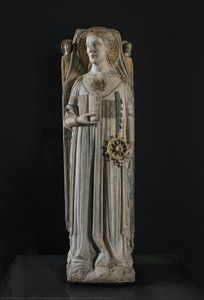
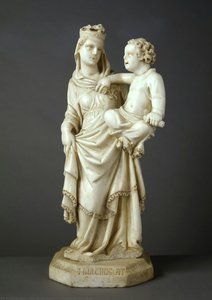
Remarkably, a significant portion of the Workshop's legacy survived this tumultuous period. In 1779, workmen discovered three alabaster sculptures—the Virgin and Child, a Bishop, and St Peter as Pope—beneath the chancel floor of the demolished church at Flawford, a village just south of Nottingham. These “Flawford Figures,” as they became known, offered tantalizing glimpses into the Workshop’s artistic style and techniques, providing invaluable evidence for historians and art scholars. Their discovery underscored the enduring value of these hidden treasures—testaments to the skill and artistry of the Nottingham Workshop and a poignant reminder of the religious intolerance that threatened to erase their legacy.
Echoes in Time: The Workshop’s Enduring Influence
Despite the obscurity surrounding its origins and operations, the Nottingham Workshop exerted a profound influence on the development of English Gothic art. Its creations—particularly the ‘St. Anne teaching the Virgin Mary to read’—demonstrate a remarkable synthesis of technical skill, artistic sensitivity, and religious devotion. The workshop's work helped shape the visual language of medieval churches throughout England and beyond, contributing to the rich tapestry of artistic expression that characterized this transformative period.
Today, fragments of the Workshop’s legacy can be seen in museums and private collections across Europe. The Flawford Figures remain a prized possession of Nottingham Castle Museum, offering a tangible connection to a lost chapter in English art history. The story of the Nottingham Workshop serves as a powerful reminder that even the most enigmatic artistic endeavors can leave an indelible mark on the cultural landscape—a legacy waiting to be rediscovered and appreciated.

nottingham workshop
United Kingdom
Osnovne informacije
- Artistic Movement Or Style: Gothic sculpture
- Artists Or Movements Influenced By This Artist: ['English Gothic art']
- Full Name: Nottingham Workshop
- Nationality: English
- Notable Artworks: ['St. Anne teaching the Virgin Mary to read']
- Place Of Birth: Nottingham, UK