

 Pregledaj u prostoru
 Pošalji
 Podeli
 Detalji o delu

 Преузми
 Slični predmeti
 Rendgenski snimak
 Slajdovi
 Statistika
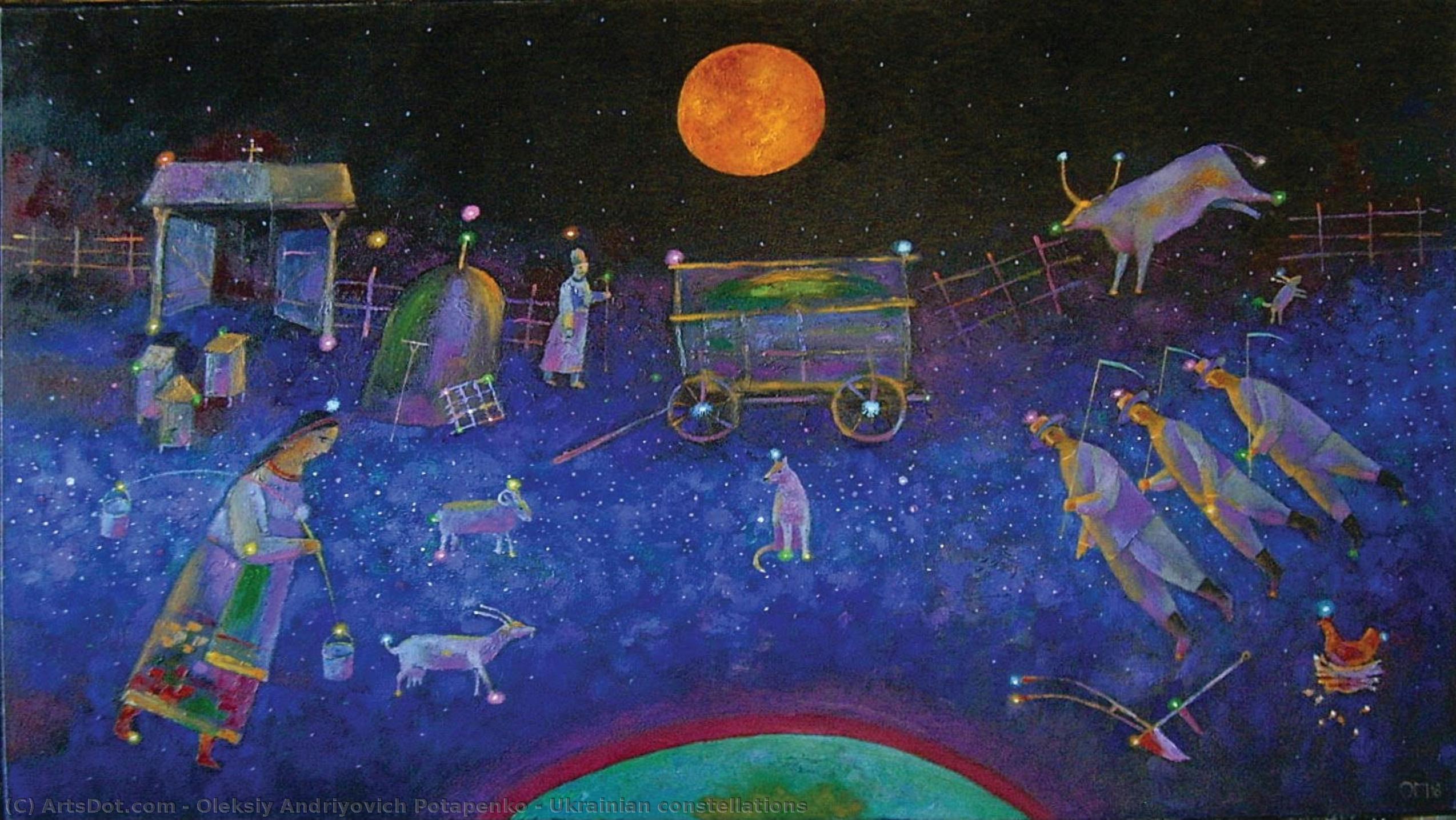
Ukrainian constellations


 Pročitaj više
Ručno rađena uljana reprodukcija
Ručno oslikano uljanim bojama na platnu u dimenzijama i okviru po vašem izboru, izrađeno po porudžbini od strane naših umetnika. ( Pređi na štampu Pređi na digitalnu sliku)




































Izaberite jednu od naših unapred definisanih veličina koje odgovaraju originalnim proporcijama umetničkog dela.

Можете унети сопствене димензије како бисте прилагодили дело одређеном оквиру или простору. Ако одабрана величина не одговара пропорцијама оригинала, слика ће бити исечена или проширена додатним елементима који се ручно насликавају. Дигитални prikaz ће вам бити послат на одобрење пре почетка производње.
Имајте на уму да преглед на екрану не одражава стварно исецање или проширење. Само приказ (mockup) ће тачно приказати коначну композицију.
Иако су доступне прилагођене величине, препоручујемо да одаберете димензију из дефинисане листе како бисте сачували оригиналне пропорције.
Nakon narudžbine, tim ArtsDot.com će klijentu putem e-pošte poslati uputstva i dostaviti prikaz predloženog rešenja
Isporuka širom sveta () za 3/4 nedelje umesto uobičajenih 5 nedelja. (8 септембар). Bez kompromisa po pitanju kvaliteta.

Besplatna ekspresna dostava širom sveta

Visokokvalitetno laneno platno

Kompletno osiguranje transporta

Garancija povraćaja carine i uvoznih dažbina

Garancija vernosti boja

Politika povraćaja u roku od 100 dana (isključivo u slučaju nedostataka)

Garancija povrata novca od 100%

Popust pri grupnoj kupovini
 Opcija sa staklom dostupna je samo za dimenzije manje od 110 cm

Ukrainian constellations
Tehnika reprodukcije
Dimenzije reprodukcije
-


Konačna cena
$ 263
Srodna umetnička dela










Biografija umetnika
Jean-Michel Basquiat: A Life Forged in Urban Grit and Raw Emotion
Born in Harlem, New York City in 1960, Jean-Michel Basquiat’s life was a whirlwind of artistic experimentation, social commentary, and tragically premature death. His journey from the streets of Manhattan to international acclaim is a compelling narrative of talent, struggle, and an urgent desire to confront the complexities of race, power, and identity in America. Basquiat's work wasn't simply about painting; it was a visceral response to his surroundings, a direct engagement with the pulse of a rapidly changing urban landscape.
Early influences were deeply rooted in his upbringing. His father, Pedro Basquiat, was a Dominican immigrant who worked as a welder, and his mother, Lauryn Pitts, was an African American nurse. Basquiat’s childhood was marked by the vibrant energy of Harlem, but also by the realities of poverty and racial tension. This duality profoundly shaped his artistic vision. He began drawing at a young age, initially influenced by comic books and graffiti art – a burgeoning visual language of the streets that he quickly embraced. The raw energy and rebellious spirit of this underground culture became integral to his own creative process.
In the late 1970s, Basquiat teamed up with Al Diaz, forming the collaborative duo SAMO (Street Art Method Of Operation). Together they began tagging subway cars throughout Manhattan with cryptic epigrams and symbols. These early works were a deliberate act of subversion, challenging established artistic conventions and asserting their presence within the city’s cultural sphere. The SAMO partnership was a crucial period of experimentation, allowing Basquiat to hone his skills in typography, imagery, and the power of visual language. The epigrams explored themes of race, class, and consumerism, reflecting the anxieties and contradictions of urban life.
The Rise of a Solo Voice: 1981-1987
By 1981, Basquiat began to establish himself as an individual artist. He transitioned from the collaborative SAMO project to creating his own distinct body of work, characterized by bold colors, fragmented figures, and layered text. This period saw a shift towards more personal themes – explorations of identity, history, and social injustice. His paintings frequently incorporated elements of African art, mythology, and historical references, often juxtaposed with contemporary imagery and slang.
A pivotal moment in his career came when he was selected to participate in the 1982 Whitney Biennial, a prestigious exhibition showcasing emerging artists. This recognition catapulted him into the mainstream art world, attracting significant attention from collectors and critics. However, it also brought increased pressure and scrutiny. Basquiat’s work began to be interpreted through various lenses – as a commentary on race relations, a critique of capitalism, or simply as an expression of youthful angst.
During this time, he developed his signature style—a blend of neo-expressionism, street art, and personal iconography. He frequently used words and phrases directly from newspapers and magazines, creating a dialogue between the visual and textual realms. His paintings often featured skulls, crowns, and other symbols that alluded to themes of death, royalty, and power.
Technique and Influences: A Complex Palette
Basquiat’s technique was as distinctive as his subject matter. He employed a layered approach, building up the surface of his canvases with thick applications of oil paint, often using a palette knife to create textured surfaces. He frequently incorporated collage elements – scraps of newspaper, magazine clippings, and found objects—into his paintings, adding depth and complexity to his compositions.
His influences were diverse and far-reaching. He drew inspiration from the works of artists such as Pablo Picasso, Andy Warhol, and Jean-Michel Gerbaud (a Haitian artist whose work he admired). He was also deeply influenced by African art, particularly the masks and sculptures of West Africa, which he collected obsessively. The rhythmic patterns and symbolic imagery of these artworks informed his own visual language.
Furthermore, Basquiat’s interest in music—particularly jazz and hip-hop—played a significant role in shaping his artistic vision. He frequently incorporated musical references into his paintings, using song titles, lyrics, and musical instruments as motifs. The raw energy and improvisational spirit of these genres resonated with his own creative process.
Legacy and Lasting Impact
Tragically, Jean-Michel Basquiat’s life was cut short at the age of 27 in August 1988 due to a heroin overdose. Despite his untimely death, his work has had a profound and lasting impact on the art world. His paintings are now highly sought after by collectors and museums worldwide, and he is widely regarded as one of the most important artists of the late 20th century.
Basquiat’s legacy extends beyond his individual artworks. He challenged conventional notions of artistic expression, blurring the boundaries between high art and popular culture. His work continues to provoke dialogue about issues of race, identity, and social justice, reminding us of the urgent need for critical engagement with the world around us. His raw honesty, combined with a unique visual language, ensures that his voice will continue to resonate with audiences for generations to come.

oleksiy andriyovich potapenko
1981 - , Ukraine
Osnovne informacije
- Artistic Movement Or Style: Neo-expressionism
- Artists Or Movements Influenced By This Artist:
- Graffiti art
- Street art
- Hip-hop culture
- Artists Who Influenced This Artist:
- Piero Manzoni
- Andy Warhol
- Jackson Pollock
- Date Of Birth: December 22, 1960
- Date Of Death: August 12, 1988
- Full Name: Jean-Michel Basquiat
- Nationality: American
- Notable Artworks:
- Irony of Negro Policeman
- Skull of Doom
- Untitled (1982)
- Boy and Dog in a Johnnypump
- Defacement
- Hollywood Africans
- Place Of Birth: New York City, USA