

 Pregledaj u prostoru
 Pošalji
 Podeli
 Detalji o delu

 Преузми
 Slični predmeti
 Rendgenski snimak
 Slajdovi
 Statistika
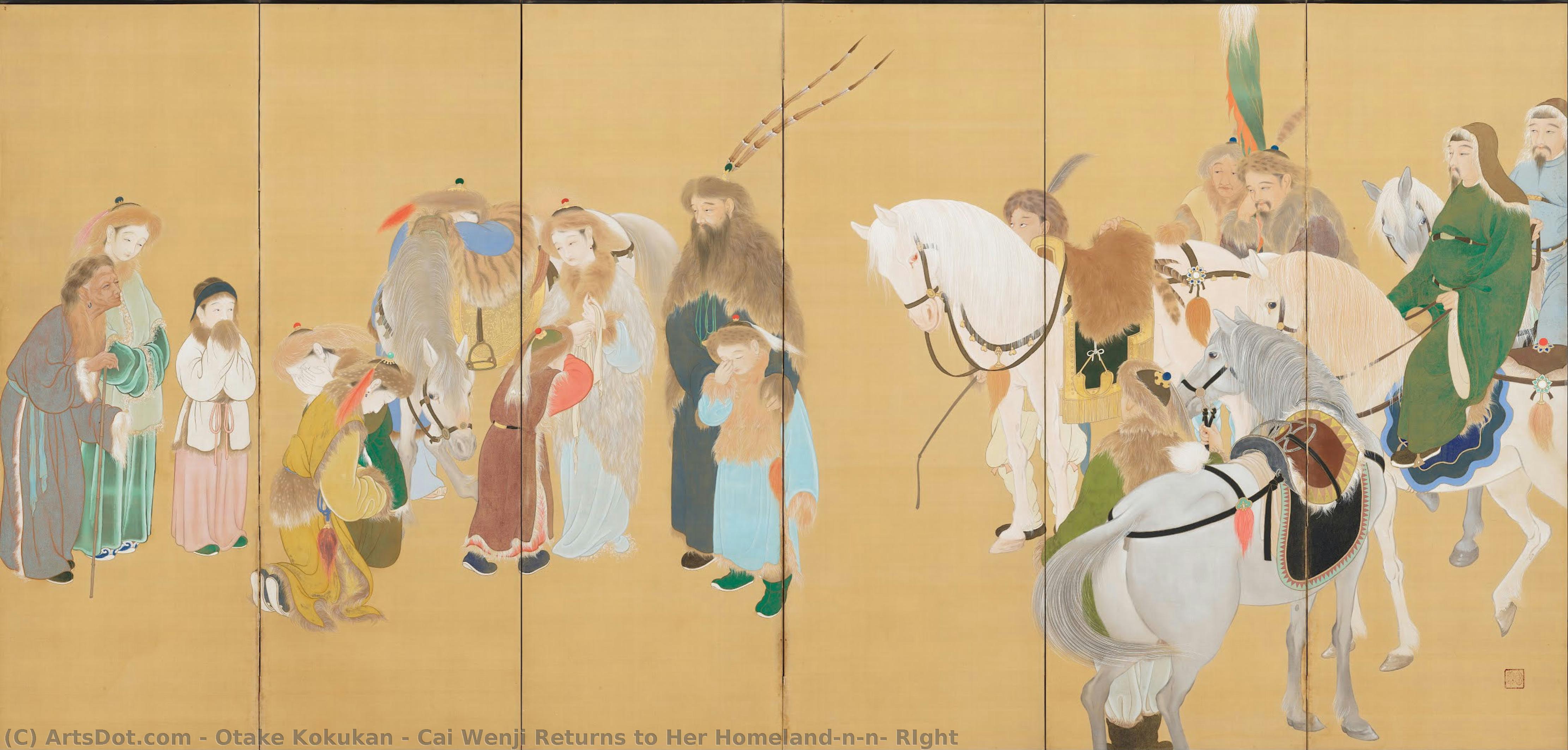
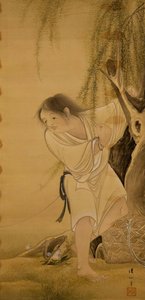
Cai Wenji Returns to Her Homeland\n\n- RIght


 Pročitaj više
Kupite digitalnu sliku visoke rezolucije i poboljšanog kvaliteta, koja je znatno superiornija od onoga što vidite u online prikazu.
Svaka datoteka je pedantno pripremljena od strane naših stručnjaka koristeći napredne alate i profesionalnu ručnu retušu. Osiguravamo da svaka slika ima izuzetnu oštrinu, preciznu reprodukciju boja i fine detalje.
Konačna datoteka se dostavlja putem e-pošte u roku od 72 sata, optimizovana za neposrednu upotrebu u profesionalnim, izdavačkim i štamparskim okruženjima. To je isti kvalitet kojem veruju vrhunski studiji dizajna, izdavači i galerije.
Digitalna slika
Preuzmite datoteku visoke rezolucije za ličnu upotrebu, štampanje i kreativne projekte. ( Pređi na štampu Kupi ručno naslikanu sliku)
Uključeno uz svaku porudžbinu digitalne slike
Profesionalna digitalna isporuka, zagarantovana
Kada odaberete ArtsDot.com, ne dobijate samo sliku – vi primate profesionalno unapređeno digitalno umetničko delo, izrađeno sa najvećom preciznošću i uz garanciju zadovoljstva. Evo svega što automatski dolazi uz vašu porudžbinu:

Brza dostava putem e-pošte
Vaša digitalna slika visoke rezolucije biće vam poslata putem e-pošte u roku od 72 sata od poručivanja – spremna za trenutnu upotrebu.

Digitalna datoteka unapređena veštačkom inteligencijom
Vaše umetničko delo je profesionalno optimizovano korišćenjem naprednih AI alata i ručne obrade, čime se osiguravaju maksimalni detalji, oštrina i preciznost boja.

Besplatna ponovna isporuka doživotno
Slučajno ste obrisali ili izgubili svoju datoteku? Ne brinite – poslaćemo vam je ponovo u bilo kom trenutku, potpuno besplatno.

Bez troškova uvoza – zauvek
Uživajte u svojim umetničkim delima trenutno, bez carine, dažbina ili troškova dostave – digitalni download je uvek bez poreza.

Garancija vernosti boja
Uz pomoć profesionalnih alata i upravljanja bojama, osiguravamo da vaša digitalna slika što vernije odražava originalne boje.

Garancija zadovoljstva od 100 dana
Ako niste zadovoljni svojom digitalnom slikom, izvršićemo reviziju ili ćemo vam vratiti 100% novca u roku od 100 dana – bez ikakvih pitanja.

100% garancija povrata novca
Niste zadovoljni? Dobijte puni povraćaj novca u roku od 100 dana od prijema digitalne datoteke – bez suvišnih pitanja.

Popusti na velike porudžbine
Kupite 3 slike, uštedite 10% - Kupite 5 slika, uštedite 15% - Kupite 10+ slika, uštedite 20%. Odlično za kreativne projekte, galerije i agencije.
Srodna umetnička dela
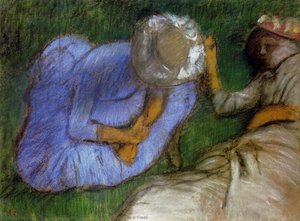
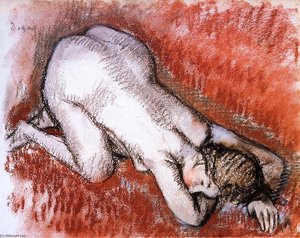
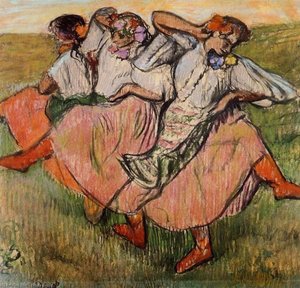
Biografija umetnika
Vincent van Gogh: A Life Painted in Passion
Vincent van Gogh, a name synonymous with turbulent genius and the raw emotion of color, remains one of the most recognizable figures in art history. Born in 1853 in Groot-Zundert, Netherlands, his life was tragically short – just thirty-seven years – yet within that brief span he produced over two thousand works: paintings, drawings, and prints that continue to captivate audiences with their intensity, honesty, and profound exploration of the human condition. His journey wasn’t one of deliberate artistic ambition at first; instead, it was a relentless pursuit of connection, purpose, and ultimately, self-expression through the transformative power of art.
Van Gogh's early life offered little indication of his future as an artist. He worked as an art dealer, a missionary in a poor mining community in Belgium, and even briefly as an educator. These experiences, marked by encounters with poverty, suffering, and spiritual yearning, profoundly shaped his worldview and fueled his desire to depict the lives of ordinary people. He initially attempted to emulate the established artistic conventions of the time, studying works by artists like Jean-François Raffaëlli and diligently practicing drawing techniques as outlined in instructional manuals – a methodical approach born from a deep respect for the craft. However, he quickly realized that simply copying existing styles wouldn’t satisfy his creative impulse; he sought a way to imbue his work with genuine feeling and direct observation.
A pivotal moment arrived in 1886 when Van Gogh moved to Paris, a city teeming with artistic innovation. He immersed himself in the vibrant Impressionist and Post-Impressionist scene, encountering artists like Émile Bernard and Paul Gauguin. This exposure dramatically altered his palette and technique. He began experimenting with brighter colors, looser brushstrokes, and a more direct approach to capturing light and atmosphere – abandoning the meticulous detail of his earlier work for a style characterized by expressive energy and emotional intensity. The influence of Impressionism is evident in his adoption of outdoor painting techniques and his interest in depicting fleeting moments of beauty, while the emerging ideas of Pointillism, particularly from Paul Signac, subtly informed his use of broken color.
The Yellow Years: Arles and Beyond
Following his Parisian sojourn, Van Gogh settled in Arles, a small Provençal town in southern France, hoping to establish an artist’s colony. He envisioned a community where artists could live and work together, fostering mutual inspiration and support. This period, often referred to as the “yellow years,” is marked by some of his most iconic works – including *Sunflowers*, *The Yellow House*, and numerous portraits and landscapes bathed in warm, luminous hues. The intense yellows, oranges, and greens reflect not only the beauty of the Provençal landscape but also Van Gogh’s own emotional state; he was grappling with periods of intense joy and profound loneliness.
During his time in Arles, Vincent's mental health deteriorated significantly. The strained relationship with Paul Gauguin, who visited for a brief period and ultimately contributed to a violent confrontation that resulted in Van Gogh mutilating his own ear, exacerbated these struggles. Despite the turmoil, he continued to paint relentlessly, producing works of remarkable power and emotional depth. *Bedroom in Arles* exemplifies this – a deeply personal depiction of his humble living space, imbued with a sense of quiet contemplation and underlying anxiety.
Technique and Style: A Language of Emotion
Van Gogh’s distinctive style is immediately recognizable through its bold use of color, expressive brushstrokes, and distorted forms. He employed impasto – applying paint thickly to the canvas – creating a tactile surface that seems to vibrate with energy. His brushwork isn't smooth or blended; instead, it’s characterized by short, choppy strokes that convey movement, texture, and emotional intensity. He often painted *en plein air* (outdoors), directly observing nature and capturing its essence with remarkable immediacy.
His compositions are frequently asymmetrical and dynamic, creating a sense of visual tension. He wasn’t concerned with strict realism; rather, he used color and form to express his subjective experience of the world. The swirling patterns in *Starry Night*, for example, aren't simply a depiction of the night sky but a visualization of Van Gogh’s turbulent emotions and spiritual yearning. His portraits are particularly revealing, capturing not just physical likenesses but also glimpses into the personalities and inner lives of his subjects.
Legacy and Influence
Despite achieving little commercial success during his lifetime, Vincent van Gogh's work gained recognition posthumously, largely thanks to the efforts of his brother Theo and later, art critics like Roger Fry. His paintings were embraced by the Fauves in the early 20th century, who admired their vibrant colors and expressive brushwork, paving the way for the development of Expressionism. Today, Van Gogh is revered as a visionary artist whose deeply personal and emotionally charged works continue to resonate with audiences worldwide.
His legacy extends beyond his artistic achievements; he’s become a symbol of creative struggle, mental illness, and the transformative power of art. Van Gogh's life story – marked by hardship, rejection, and ultimately, enduring genius – serves as an inspiration to artists and individuals alike, reminding us that true creativity often emerges from the depths of personal experience.
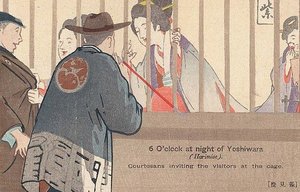
otake kokukan
1880 - 1945 , Japan
Kratke činjenice
- Artistic Movement Or Style: Post-Impressionism
- Artists Or Movements Influenced By This Artist: ['Expressionism']
- Artists Who Influenced This Artist: ['Jean-François Raffaëlli']
- Date Of Birth: March 30, 1853
- Date Of Death: July 29, 1890
- Full Name: Vincent van Gogh
- Nationality: Dutch
- Notable Artworks:
- Sunflowers
- Bedroom in Arles
- Starry Night
- Wheatfield with Crows
- Place Of Birth: Netherlands