

 Pošalji
 Podeli
 Detalji o delu

 Преузми
 Slični predmeti
 Slajdovi
 Statistika
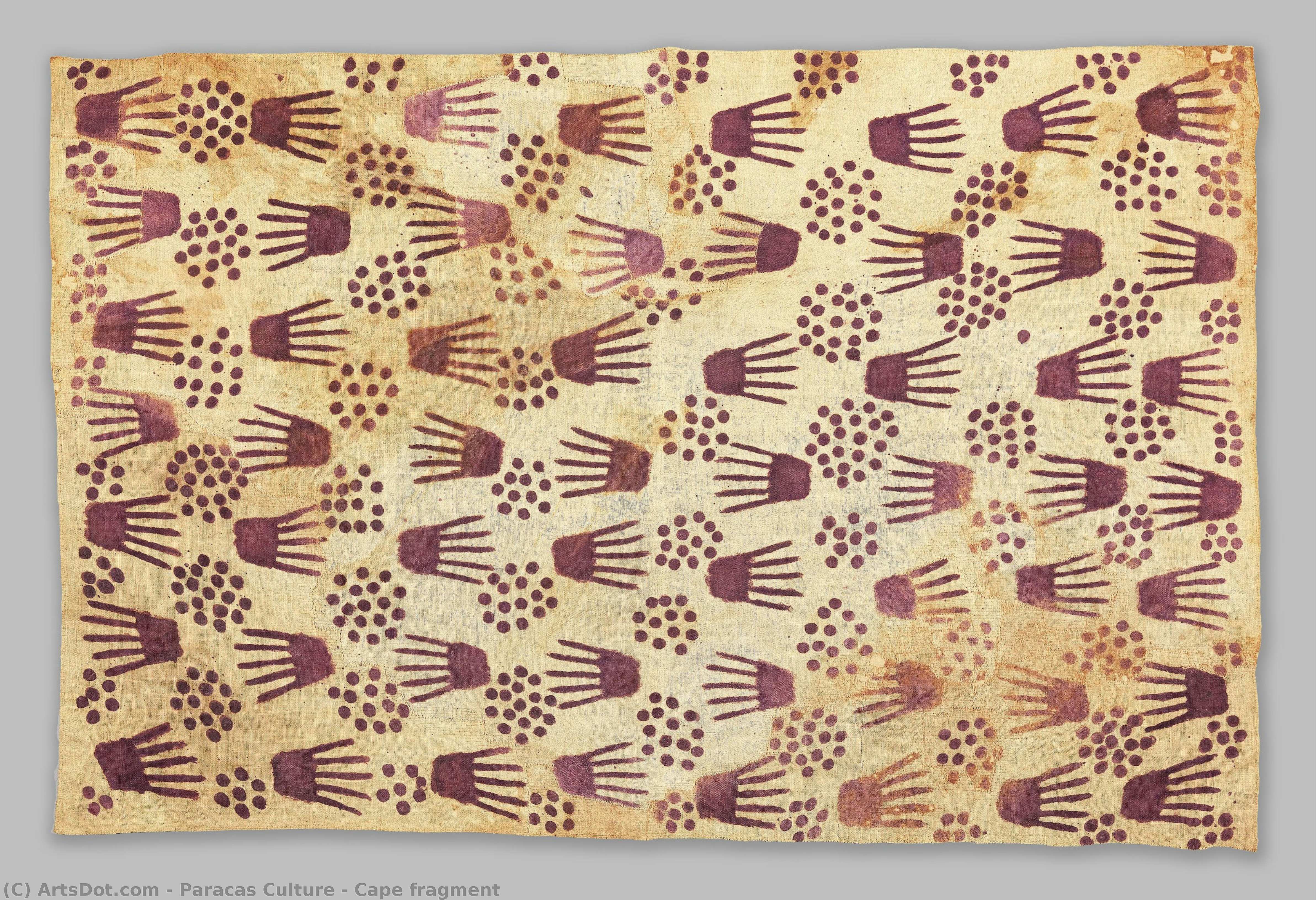
Cape fragment


 Pročitaj više
Kupite digitalnu sliku visoke rezolucije i poboljšanog kvaliteta, koja je znatno superiornija od onoga što vidite u online prikazu.
Svaka datoteka je pedantno pripremljena od strane naših stručnjaka koristeći napredne alate i profesionalnu ručnu retušu. Osiguravamo da svaka slika ima izuzetnu oštrinu, preciznu reprodukciju boja i fine detalje.
Konačna datoteka se dostavlja putem e-pošte u roku od 72 sata, optimizovana za neposrednu upotrebu u profesionalnim, izdavačkim i štamparskim okruženjima. To je isti kvalitet kojem veruju vrhunski studiji dizajna, izdavači i galerije.
Digitalna slika
Preuzmite datoteku visoke rezolucije za ličnu upotrebu, štampanje i kreativne projekte. ( Pređi na štampu Kupi ručno naslikanu sliku)
Uključeno uz svaku porudžbinu digitalne slike
Profesionalna digitalna isporuka, zagarantovana
Kada odaberete ArtsDot.com, ne dobijate samo sliku – vi primate profesionalno unapređeno digitalno umetničko delo, izrađeno sa najvećom preciznošću i uz garanciju zadovoljstva. Evo svega što automatski dolazi uz vašu porudžbinu:

Brza dostava putem e-pošte
Vaša digitalna slika visoke rezolucije biće vam poslata putem e-pošte u roku od 72 sata od poručivanja – spremna za trenutnu upotrebu.

Digitalna datoteka unapređena veštačkom inteligencijom
Vaše umetničko delo je profesionalno optimizovano korišćenjem naprednih AI alata i ručne obrade, čime se osiguravaju maksimalni detalji, oštrina i preciznost boja.

Besplatna ponovna isporuka doživotno
Slučajno ste obrisali ili izgubili svoju datoteku? Ne brinite – poslaćemo vam je ponovo u bilo kom trenutku, potpuno besplatno.

Bez troškova uvoza – zauvek
Uživajte u svojim umetničkim delima trenutno, bez carine, dažbina ili troškova dostave – digitalni download je uvek bez poreza.

Garancija vernosti boja
Uz pomoć profesionalnih alata i upravljanja bojama, osiguravamo da vaša digitalna slika što vernije odražava originalne boje.

Garancija zadovoljstva od 100 dana
Ako niste zadovoljni svojom digitalnom slikom, izvršićemo reviziju ili ćemo vam vratiti 100% novca u roku od 100 dana – bez ikakvih pitanja.

100% garancija povrata novca
Niste zadovoljni? Dobijte puni povraćaj novca u roku od 100 dana od prijema digitalne datoteke – bez suvišnih pitanja.

Popusti na velike porudžbine
Kupite 3 slike, uštedite 10% - Kupite 5 slika, uštedite 15% - Kupite 10+ slika, uštedite 20%. Odlično za kreativne projekte, galerije i agencije.
A Tapestry of Time: The Whispers of Paracas
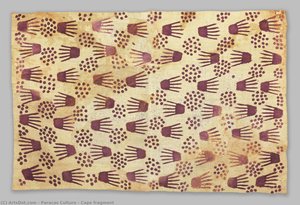
To gaze upon this Cape fragment is to witness a direct, tactile connection to the ancient souls of Peru’s southern coast. Dating back to approximately 200 CE, this textile is far more than a mere remnant of cloth; it is a rhythmic dance of human presence captured in fiber. The piece features an intricate, almost hypnotic pattern of hands, arranged in various positions and sizes across the fabric. Some hands appear large and commanding, while others are delicate and small, creating a visual movement that suggests a communal ritual or a collective memory preserved through weaving. This arrangement of limbs creates a sense of unity and interconnectedness, inviting the viewer to contemplate the shared humanity that transcends two millennia.
The technique behind this masterpiece reveals the profound ingenuity of the Paracas culture. These ancient artisans were masters of their environment, utilizing the abundant cotton of the Peruvian coast to create canvases for their expression. What makes this specific fragment truly extraordinary is the rumored use of organic pigments derived from the sea. Researchers suggest that the application of mollusk blood allowed for a vibrant, albeit fleeting, color palette that required rapid, decisive execution by the shoreline before the substance could oxidize and change. This element of urgency adds a layer of poetic drama to the work—each stroke of pigment was a race against time, capturing the essence of life as it happened.
For the discerning collector or interior designer, this reproduction offers a profound sense of historical depth and organic texture. The neutral tones of the ancient cotton, punctuated by the rhythmic motifs, provide a sophisticated focal point that complements both minimalist modern spaces and richly layered, eclectic interiors. It is not merely a decoration but an evocative conversation piece that brings the spirit of Andean craftsmanship into the contemporary home. Owning such a piece means hosting a fragment of history, a silent witness to a civilization that found beauty in the ephemeral and strength in the woven thread.
Beyond its aesthetic allure, the Cape fragment carries an emotional weight that is difficult to ignore. There is a haunting intimacy in the depiction of hands—the very tools of creation and survival. These motifs serve as symbols of labor, artistry, and the human touch, reminding us of the enduring legacy of the Paracas people. As light hits the textured surface of a high-quality reproduction, the interplay of shadows within the woven pattern brings the ancient design to life, offering an atmosphere of contemplative peace and timeless elegance to any curated collection.
Srodna umetnička dela

Biografija umetnika
The Legacy of Paracas Culture
The Paracas culture, flourishing between approximately 800 BCE and 100 BCE along Peru’s arid Pacific coast, represents a remarkable achievement in Andean art and craftsmanship. Primarily known for its breathtaking textiles—considered among the finest ever produced by pre-Columbian societies—the culture also left an indelible mark on ceramic artistry, reflecting a sophisticated understanding of materials and techniques. Excavations at sites like Wari Kayan and the Paracas Peninsula have yielded invaluable insights into this enigmatic civilization, revealing a people deeply connected to the rhythms of their desert landscape and the vast ocean that bordered them.
Located in what is now the Ica Region, the Paracas people thrived in a challenging environment characterized by extreme aridity. This landscape profoundly shaped their worldview and artistic expression. The scarcity of resources necessitated innovative solutions for survival, particularly in agriculture, where they demonstrated an impressive mastery of engineering through complex irrigation systems. This ability to manipulate their environment mirrored the precision found in their art, where every thread and every painted motif served a purpose beyond mere decoration, acting as a bridge between the physical world and the spiritual realm.
Textile Art: A Symbol of Ritual and Status
The Paracas necropolis stands as a testament to the unparalleled skill of Paracas weavers. Burial sites—particularly the Shaft Tombs of Cerro Colorado—contain meticulously crafted textiles wrapped around deceased individuals, often seated in a posture facing north across the bay. These textiles are adorned with intricate geometric patterns, primarily featuring stylized fish motifs, and employ remarkable weaving techniques that combine horizontal and vertical threads to create incredibly dense fabrics. The colors employed were derived from natural pigments extracted from plants and minerals, resulting in vibrant hues that endure to this day.
Beyond mere decoration, these textiles served as powerful symbols of status and spiritual beliefs. To gaze upon a fragment of Paracas cloth is to witness a direct, tactile connection to the ancient souls of Peru’s southern coast. Some pieces feature hypnotic patterns of hands or complex figures that suggest communal rituals or collective memories. These woven masterpieces were not just garments but sacred objects designed to accompany the deceased into the afterlife, preserving the identity and social standing of the individual through the enduring language of fiber.
Ceramic Mastery and Symbolic Motifs
Complementing their textile prowess was a sophisticated tradition of ceramic artistry. Paracas pottery often featured sculptural elements, such as double-neck vases with bridge handles, which showcased an advanced understanding of form and balance. These vessels were frequently decorated with incised and painted stepped designs, a motif that remains one of the most significant in pre-Columbian art. This stepped motif likely represented the connection between different cosmic planes—the upper, earthy, and inner worlds—and symbolized the vital movement of water flowing from the highlands down to the coast.
The artistry of the Paracas culture is characterized by several key elements:
- Intricate Iconography: The use of stylized marine life and geometric shapes to communicate complex religious narratives.
- Natural Pigmentation: A mastery of mineral and botanical dyes that allowed for a rich, lasting color palette.
- Engineering and Design: The integration of functional utility with profound symbolic meaning in both ceramics and irrigation.
- Spiritual Continuity: An artistic legacy that prioritized the preservation of cultural identity through funerary offerings.
The historical significance of the Paracas culture cannot be overstated, as they laid the foundational aesthetic and technological groundwork for subsequent civilizations, most notably the Nazca culture. Their ability to transform the raw materials of a harsh desert into objects of profound beauty and spiritual depth ensures that their legacy remains one of the most captivating chapters in the history of Andean civilization.
paracas culture
Peru
Kratke činjenice
- Artistic Movement Or Style: Textile Arts
- Artists Or Movements Influenced By This Artist: ['Nazca Culture']
- Full Name: Paracas Culture
- Nationality: Andean
- Notable Artworks: ['Double neck vase with bridge handle']
- Place Of Birth: Peru