

 Pregledaj u prostoru
 Pošalji
 Podeli
 Detalji o delu

 Преузми
 Slični predmeti
 Rendgenski snimak
 Slajdovi
 Stats
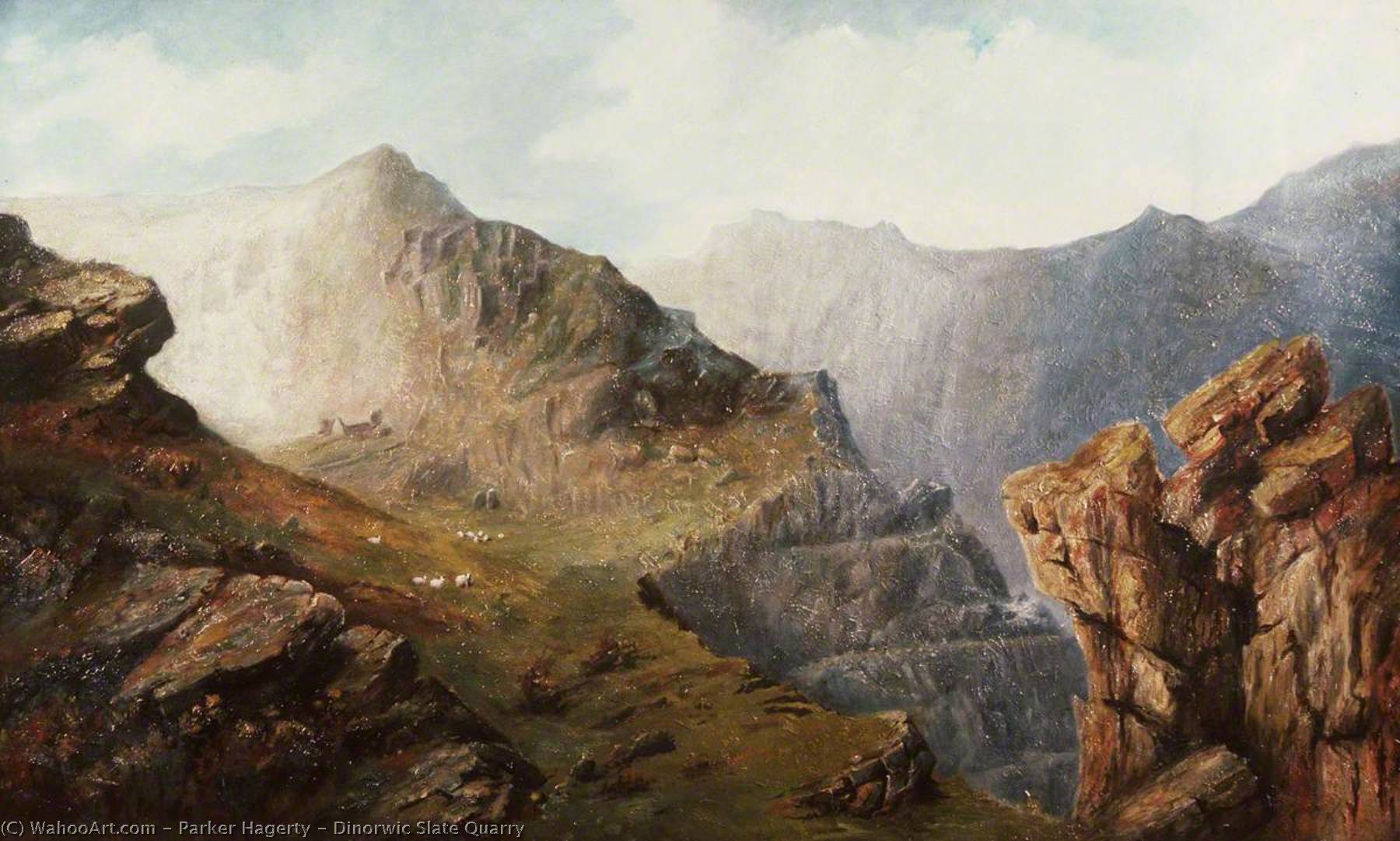
StatsDinorwic Slate Quarry
 1890
1890 75.0 x 126.0 cm
 Llyfrgell Genedlaethol Cymru / The National Library of Wales
 Pročitaj više
Giclee štampa / Umetnički otisak
Giclée štampa ili print na platnu muzejskog kvaliteta uz brzu proizvodnju i fleksibilne opcije završne obrade. ( Kupi ručno naslikanu sliku Switch to Digital Image)




































Izaberite jednu od naših unapred definisanih veličina koje odgovaraju originalnim proporcijama umetničkog dela.

Možete uneti sopstvene dimenzije kako biste umetničko delo prilagodili specifičnom okviru ili prostoru. Ako odabrani format ne odgovara proporcijama originalne slike, mi ćemo ili iscrtati deo dela ili proširiti sliku pomoću ogledane ivice ili jednobojnog popunjavanja. Digitalni prikaz će vam biti poslat na odobrenje pre početka proizvodnje.
Imajte na umu da pregled na ekranu ne odražava stvarno iscrtavanje ili proširivanje. Samo će prikaz (mockup) precizno pokazati finalnu kompoziciju.
Iako su prilagođene dimenzije dostupne, preporučujemo da odaberete dimenziju sa unapred definisane liste kako biste očuvali originalne proporcije.
Dostava širom sveta () za 2 nedelje umesto uobičajenih 4/5 nedelja. (8 септембар)

Besplatna ekspresna dostava širom sveta

Visokokvalitetno laneno platno

Kompletno osiguranje transporta

Garancija povraćaja carine i uvoznih dažbina

Garancija vernosti boja

Politika povraćaja u roku od 100 dana (isključivo u slučaju nedostataka)

Garancija povrata novca od 100%

Popust pri grupnoj kupovini
 Opcija sa staklom dostupna je samo za dimenzije manje od 110 cm

Dinorwic Slate Quarry
Giclee štampa / Umetnički otisak
Dimenzije reprodukcije
-


Konačna cena
$ 62
The painting depicts a mountainous landscape with a rocky terrain and a valley in the background. The scene is set against a backdrop of mountains, creating a sense of depth and grandeur. There are several sheep scattered throughout the image, grazing on the grassy hillside. The overall atmosphere of the painting conveys a peaceful and serene environment, with the animals coexisting harmoniously within their natural surroundings.
Artistic Style and Technique
Parker Hagerty's artistic style is characterized by his use of bold brushstrokes and vivid colors. In Dinorwic Slate Quarry, he employs a range of earthy tones to capture the rugged beauty of the landscape. The painting's composition is well-balanced, with the rocky terrain and valley creating a sense of symmetry.For more information on Parker Hagerty's artwork, visit /art/list/?Filter=Parker-Hagerty. You can also explore other paintings by the artist, such as The Mouth of the River Ogmore, available at /art/list/?Filter=AR275S-Parker-Hagerty-The-Mouth-of-the-River-Ogmore.
Conservation and Preservation
The Llyfrgell Genedlaethol Cymru / The National Library of Wales is committed to preserving and conserving its extensive collection of artworks, including Dinorwic Slate Quarry. To learn more about the library's conservation efforts, visit /art/list/?Filter=A@D3B2GX-Discovering-the-Artworks-of-Llyfrgell-Genedlaethol-Cymru-Aberystwyth-United..- Handmade oil painting reproductions of Dinorwic Slate Quarry are available for purchase on https://ArtsDot.com.
- The painting is a significant example of late 19th-century landscape art, showcasing Parker Hagerty's unique style and technique.
- The Llyfrgell Genedlaethol Cymru / The National Library of Wales is an important cultural institution, housing a vast collection of artworks and historical artifacts.
Srodna umetnička dela






Biografija umetnika
Parker Hagarty: A Welsh Vision of Rural Britain
Born in Canada, Parker Hagarty’s artistic journey led him to the heart of South Wales, where he established himself as a significant figure in late 19th and early 20th-century British landscape painting. His work, characterized by a meticulous attention to detail and a deeply rooted connection to the Welsh countryside, offers a poignant glimpse into a rapidly changing era – one grappling with industrialization while simultaneously cherishing its rural heritage. Hagarty’s career spanned several decades, marked by consistent output and a growing reputation within both the Royal Academy and South Wales art circles.
Hagarty's early life remains somewhat shrouded in detail, though it is known he studied at the Liverpool School of Art and Academie Julian in Paris. This exposure to European artistic trends undoubtedly influenced his approach, particularly in terms of composition and color palette. Returning to Britain, he quickly found a home in South Wales, establishing himself in both Liverpool and Cardiff – two key centers for artistic activity during this period. His membership in the Liver Sketching Club and involvement with the South Wales Art Society underscore his commitment to fostering local artistic communities.
The Language of Landscape
Hagarty’s paintings are not merely depictions of scenery; they are imbued with a profound sense of atmosphere and emotion. He meticulously rendered the rolling hills, meandering rivers, and humble farmhouses of South Wales, capturing the subtle shifts in light and shadow that define the region's character. His subjects often include scenes of rural life – farmers tending their fields, shepherds guiding their flocks, and villagers engaged in everyday activities. These scenes are presented with a quiet dignity and an appreciation for the beauty of the natural world.
A key element of Hagarty’s style is his use of color. He favored muted earth tones—ochres, browns, greens, and blues—to create a sense of realism and to evoke the feeling of dampness and mist that frequently hangs over the Welsh landscape. His brushwork is generally smooth and controlled, reflecting a desire for precision and detail. However, he also incorporated looser, more expressive strokes in areas where he wished to convey movement or texture – particularly in depictions of water and foliage.
Royal Recognition and Artistic Circles
Hagarty’s talent was quickly recognized by the established art world. He exhibited at the Royal Academy from 1884 until his death in 1934, a testament to his consistent quality and dedication. His election as a Royal Academician in 1900 further cemented his position within the British artistic establishment. Beyond the Royal Academy, Hagarty was also an active member of the South Wales Art Society, contributing to its efforts to promote local artists and foster a vibrant cultural scene.
His brother, Mary Hagarty, was also an artist, adding another layer to their shared creative lineage. The family’s artistic connections likely played a role in shaping Parker's career and providing him with valuable support and encouragement. David Brown, past President and Secretary of the Liver Sketching Club, has provided invaluable information regarding his life and work.
Legacy and Influence
Parker Hagarty’s paintings continue to resonate today for their evocative portrayal of rural Britain and their skillful execution. He is remembered as a key figure in Welsh landscape painting, capturing the essence of a region undergoing significant transformation. His works are held in various collections, including those at askart.com and ArtsDot.com, ensuring that his artistic legacy endures. Hagarty’s meticulous observation and sensitive portrayal of the Welsh countryside offer a valuable window into a bygone era—a time when the rhythms of rural life were intimately intertwined with the beauty and spirit of the land.
parker hagerty
1859 - 1934
Osnovne informacije
- Artistic Movement Or Style: Impressionist Landscapes
- Artists Or Movements Influenced By This Artist:
- Royal Academy
- South Wales Art Society
- Artists Who Influenced This Artist:
- Liverpool School of Art
- Academie Julian, Paris
- Date Of Birth: 1859
- Date Of Death: 1934
- Full Name: Parker Hagarty
- Nationality: Welsh
- Notable Artworks:
- Stormy Petrel
- Ogmore River
- Caerphilly Farm
- Place Of Birth: Canada