

 Pregledaj u prostoru
 Pošalji
 Podeli
 Detalji o delu

 Преузми
 Slični predmeti
 Rendgenski snimak
 Slajdovi
 Statistika
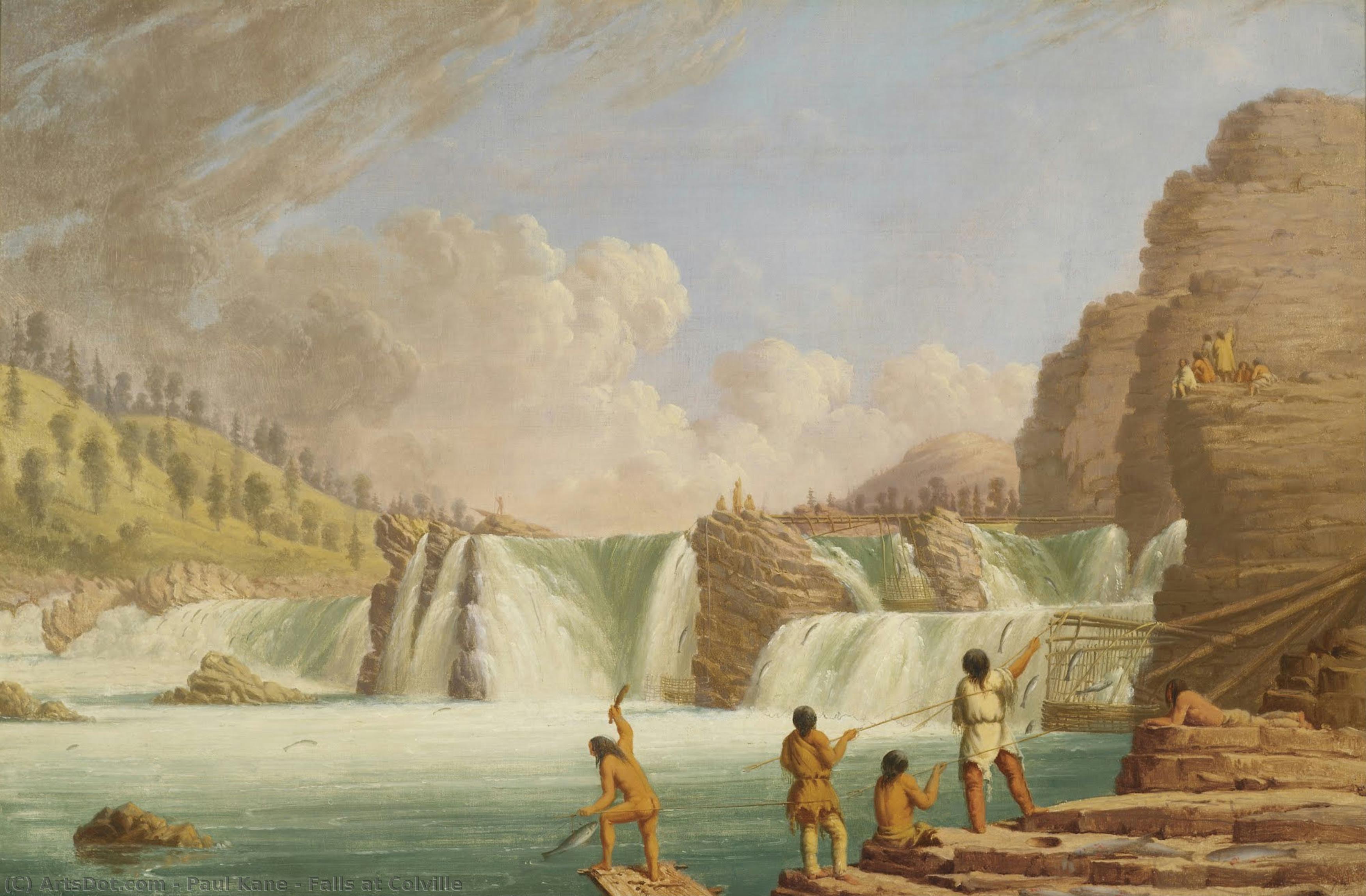
Falls at Colville
 72.0 x 48.0 cm
 Pročitaj više
Ručno rađena uljana reprodukcija
Ručno oslikano uljanim bojama na platnu u dimenzijama i okviru po vašem izboru, izrađeno po porudžbini od strane naših umetnika. ( Pređi na štampu Pređi na digitalnu sliku)




































Izaberite jednu od naših unapred definisanih veličina koje odgovaraju originalnim proporcijama umetničkog dela.

Можете унети сопствене димензије како бисте прилагодили дело одређеном оквиру или простору. Ако одабрана величина не одговара пропорцијама оригинала, слика ће бити исечена или проширена додатним елементима који се ручно насликавају. Дигитални prikaz ће вам бити послат на одобрење пре почетка производње.
Имајте на уму да преглед на екрану не одражава стварно исецање или проширење. Само приказ (mockup) ће тачно приказати коначну композицију.
Иако су доступне прилагођене величине, препоручујемо да одаберете димензију из дефинисане листе како бисте сачували оригиналне пропорције.
Nakon narudžbine, tim ArtsDot.com će klijentu putem e-pošte poslati uputstva i dostaviti prikaz predloženog rešenja
Isporuka širom sveta () za 3/4 nedelje umesto uobičajenih 5 nedelja. (10 септембар). Bez kompromisa po pitanju kvaliteta.

Besplatna ekspresna dostava širom sveta

Visokokvalitetno laneno platno

Kompletno osiguranje transporta

Garancija povraćaja carine i uvoznih dažbina

Garancija vernosti boja

Politika povraćaja u roku od 100 dana (isključivo u slučaju nedostataka)

Garancija povrata novca od 100%

Popust pri grupnoj kupovini
 Opcija sa staklom dostupna je samo za dimenzije manje od 110 cm

Falls at Colville
Tehnika reprodukcije
Dimenzije reprodukcije
-


Konačna cena
$ 263
Srodna umetnička dela









Biografija umetnika
A Pioneer of the Canadian West: The Life and Art of Paul Kane
Paul Kane, born in Mallow, County Cork, Ireland, in 1810, stands as a pivotal figure in the narrative of Canadian art. His life was one of restless exploration, both geographically and artistically, ultimately culminating in a remarkable visual record of a nation’s burgeoning identity and the cultures that shaped it. The son of Michael Kane, a soldier originally from Lancashire, England, and Frances Loach, Paul experienced an early relocation to Upper Canada (present-day Toronto) around 1819, a move that would profoundly influence his artistic trajectory. While initially engaged in commercial pursuits – furniture decoration and sign painting – a deep-seated passion for art propelled him towards formal study, beginning with lessons from Thomas Drury in the 1830s. This early training laid a foundation, but it was Kane’s self-directed journey through Europe that truly ignited his artistic vision.European Influences and the Call of the Wild
In 1841, Kane embarked on an ambitious voyage to Europe, initially intending to follow the traditional “Grand Tour” path favored by aspiring artists of the time. He spent two years traversing France and Italy, immersing himself in the works of the Old Masters. Sketchbooks from this period reveal a meticulous study of Renaissance masters – Raphael, Murillo, Andrea del Sarto – as he honed his skills through copying and observation. However, Kane’s spirit was not easily contained by established artistic conventions. A brief encounter with George Catlin in London proved particularly impactful; Catlin's depictions of Native American life resonated deeply with Kane, sparking a desire to document the Indigenous cultures of North America. This encounter subtly shifted his focus, setting the stage for the defining chapter of his career: his expeditions into the Canadian Northwest. The European experience provided technical grounding, but it was the untamed landscapes and vibrant traditions of Canada that truly captured his imagination.Documenting a Vanishing World
Kane’s two major voyages into the Canadian Northwest – in 1845 and from 1846 to 1848 – were transformative. The first, a reconnaissance trip to Sault Ste. Marie, offered an initial glimpse of the region's beauty and its Indigenous inhabitants. However, it was the second voyage, supported by the Hudson’s Bay Company, that cemented his legacy. Traveling across the Rocky Mountains to Fort Vancouver and Fort Victoria, Kane meticulously documented First Nations peoples – their customs, clothing, dwellings, ceremonies, and daily lives. He wasn’t merely creating portraits; he was attempting a comprehensive visual ethnography of cultures undergoing rapid change due to increasing European contact. His approach involved detailed field sketches, capturing the immediacy of his observations, which were later translated into larger oil paintings in his Toronto studio. While these studio works sometimes embellished or romanticized scenes for dramatic effect, they remain invaluable records of a time and place on the cusp of transformation.Style, Significance, and Lasting Legacy
Paul Kane’s artistic style was uniquely his own, forged through self-education and direct observation. Lacking formal academic training, he blended elements of Romanticism – evident in his dramatic landscapes and emotive portrayals – with a documentary realism born from his meticulous sketching. His work stands as a bridge between the aesthetic sensibilities of Europe and the raw beauty of the Canadian West. Though initially well-received, Kane’s depictions faced later criticism regarding their accuracy and occasional romanticization. However, contemporary scholarship increasingly recognizes the profound historical and anthropological value of his extensive documentation. His field sketches, in particular, provide invaluable insights into the material culture, social structures, and spiritual beliefs of various First Nations groups. Upon returning to Toronto, Kane produced over one hundred oil paintings based on his travels, establishing himself as a prominent Canadian artist before his death in 1871. Today, Paul Kane’s paintings are celebrated not only for their artistic merit but also as an essential part of Canada's cultural heritage – a poignant and enduring testament to the lives and traditions of its First Peoples.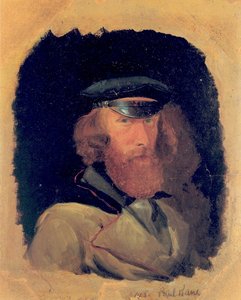
Paul Kane
1810 - 1871 , Ireland
Osnovne informacije
- Artistic Movement Or Style: Romanticism, Ethnographic
- Artists Who Influenced This Artist:
- European masters
- George Catlin
- Date Of Birth: 1810
- Date Of Death: 1871
- Full Name: Paul Kane
- Nationality: Irish-Canadian
- Notable Artworks:
- Fishing by Torch Light
- Medicine Mask Dance
- Place Of Birth: Mallow, Ireland