

 Pregledaj u prostoru
 Pošalji
 Podeli
 Detalji o delu

 Преузми
 Slični predmeti
 Rendgenski snimak
 Slajdovi
 Statistika
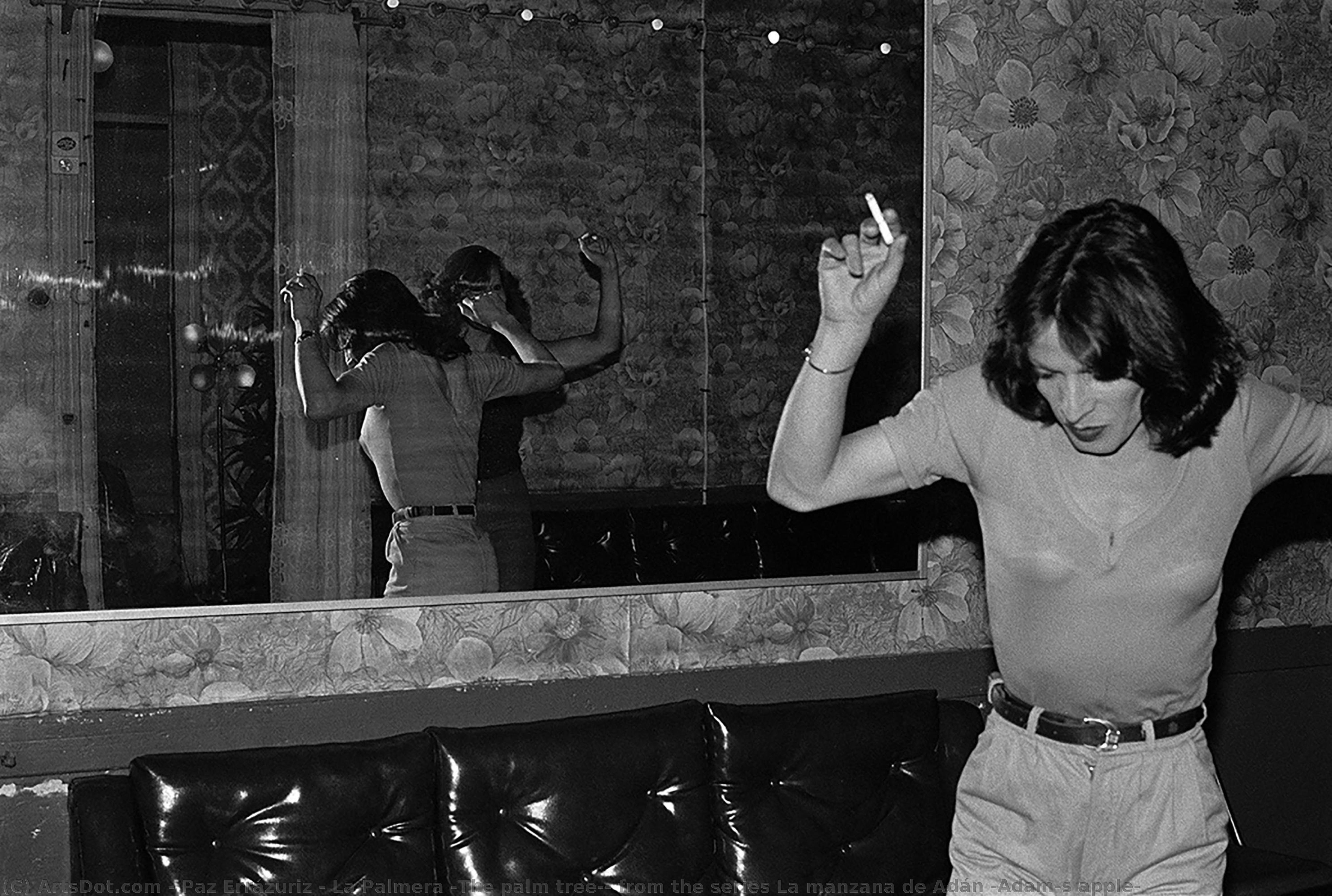
La Palmera (The palm tree), from the series La manzana de Adán (Adam’s apple)
 1990
1990 39.0 x 59.0 cm
 Hammer Museum
 Pročitaj više
Giclee štampa / Umetnički otisak
Giclée štampa ili print na platnu muzejskog kvaliteta uz brzu proizvodnju i fleksibilne opcije završne obrade. ( Kupi ručno naslikanu sliku Pređi na digitalnu sliku)




































Izaberite jednu od naših unapred definisanih veličina koje odgovaraju originalnim proporcijama umetničkog dela.

Možete uneti sopstvene dimenzije kako biste umetničko delo prilagodili specifičnom okviru ili prostoru. Ako odabrani format ne odgovara proporcijama originalne slike, mi ćemo ili iscrtati deo dela ili proširiti sliku pomoću ogledane ivice ili jednobojnog popunjavanja. Digitalni prikaz će vam biti poslat na odobrenje pre početka proizvodnje.
Imajte na umu da pregled na ekranu ne odražava stvarno iscrtavanje ili proširivanje. Samo će prikaz (mockup) precizno pokazati finalnu kompoziciju.
Iako su prilagođene dimenzije dostupne, preporučujemo da odaberete dimenziju sa unapred definisane liste kako biste očuvali originalne proporcije.
Dostava širom sveta () za 2 nedelje umesto uobičajenih 4/5 nedelja. (9 септембар)

Besplatna ekspresna dostava širom sveta

Visokokvalitetno laneno platno

Kompletno osiguranje transporta

Garancija povraćaja carine i uvoznih dažbina

Garancija vernosti boja

Politika povraćaja u roku od 100 dana (isključivo u slučaju nedostataka)

Garancija povrata novca od 100%

Popust pri grupnoj kupovini
 Opcija sa staklom dostupna je samo za dimenzije manje od 110 cm

La Palmera (The palm tree), from the series La manzana de Adán (Adam’s apple)
Giclee štampa / Umetnički otisak
Dimenzije reprodukcije
-


Konačna cena
$ 62
Srodna umetnička dela








Biografija umetnika
Paz Errázuriz: A Voice for the Marginalized
Born in Santiago, Chile, in 1944, Paz Errázuriz’s life and work are inextricably linked to a pivotal moment in Chilean history – the brutal military dictatorship of Augusto Pinochet. Initially a primary school teacher, Errázuriz found herself profoundly moved by the injustices unfolding around her, witnessing firsthand the suffering of marginalized communities often ignored by mainstream society. This experience ignited a passion for photography, transforming her from an educator into a courageous chronicler of those on the fringes – sex workers, psychiatric patients, circus performers, and transgender individuals – all rendered vulnerable by political repression and systemic inequality.
Errázuriz’s early career began in the 1970s, a period marked by clandestine activity. She began documenting her subjects “under the radar,” driven by a deep empathy and a desire to give voice to those who had been silenced. Her approach was not one of detached observation but rather of immersive engagement; she spent considerable time with her subjects, building trust and understanding their lives, often living amongst them. This commitment is particularly evident in her seminal work, *Adam’s Apple* (1982-1987), a series documenting transgender women prostitutes working in Santiago and Talca. The photographs are not merely portraits but intimate studies of resilience and dignity within a context of profound social stigma and danger. Errázuriz herself described the experience as finding “a family that I wish had always been my own,” highlighting the powerful bonds she forged with these individuals.
Documenting Social Injustice and Resilience
The military dictatorship in Chile profoundly shaped Errázuriz’s artistic vision. Her work serves as a potent indictment of state violence, social control, and the systematic marginalization of vulnerable populations. The stark black and white imagery she employs – often reminiscent of photographic blindness – powerfully conveys the limitations imposed upon those deemed “other” by society. This deliberate aesthetic choice mirrors the obscured realities faced by her subjects, forcing viewers to confront uncomfortable truths about power, prejudice, and human suffering.
Beyond *Adam’s Apple*, Errázuriz has produced a remarkable body of work exploring diverse themes. *Impediments of the Gaze* (2003), for example, utilizes the metaphors of blindness and achromatopsia to examine broader societal biases and the ways in which perception shapes our understanding of the world. *Stages of Life (And Death)* further delves into the human experience, capturing the beauty and fragility of life’s transitions through poignant portraits of children and the elderly. Her collection *Agents and Spaces of Social Change* offers a critical reflection on Chile's political landscape during the dictatorship era, documenting both its oppressive realities and the nascent movements for social justice.
Recognition and Legacy
Paz Errázuriz’s work has garnered international recognition, solidifying her position as one of Chile’s most important photographers. In 1986, she was awarded a Guggenheim Fellowship, a testament to the significance of her artistic contributions. Her photographs have been exhibited extensively in museums and galleries around the world, including the Museum of Modern Art (MoMA), Tate, and the Chilean National Museum of Fine Arts. Her work has consistently been collected by prestigious institutions, reflecting its enduring value as both an historical document and a powerful statement on social justice.
Errázuriz’s influence extends beyond her individual achievements. She was instrumental in establishing the Association of Independent Photographers (AFI) in 1981, providing crucial support and networking opportunities for Chilean artists navigating a challenging political environment. The AFI played a vital role in advocating for artistic rights and fostering a more inclusive art scene.
Style and Influences
Errázuriz’s photographic style is characterized by its directness, empathy, and unwavering commitment to her subjects. She eschews sensationalism or exploitative imagery, instead prioritizing honest representation and respectful engagement. Her work draws heavily from documentary traditions while simultaneously possessing a distinctly humanist sensibility. She has stated that she is drawn to “populations that are marginalized and were affected by the government during the 70s and 80s,” seeking to capture their daily lives and social movements.
Throughout her career, Errázuriz’s camera has been a constant companion, allowing her to witness and document the complexities of human experience in Chile – from the quiet dignity of marginalized communities to the turbulent currents of political upheaval. Her legacy lies not only in the powerful images she has created but also in her courageous advocacy for those who have long been denied a voice.

paz errázuriz
1944 - , Chile
Osnovne informacije
- Artistic Movement Or Style: Documentary photography
- Date Of Birth: Feb 2, 1944
- Full Name: Paz Errázuriz
- Nationality: Chilean
- Notable Artworks:
- Sex, Instrument Survival
- Adam's apple
- Impediments Gaze
- Stages of Life
- Place Of Birth: Santiago, Chile