

 Pregledaj u prostoru
 Pošalji
 Podeli
 Detalji o delu

 Преузми
 Slični predmeti
 Rendgenski snimak
 Slajdovi
 Statistika
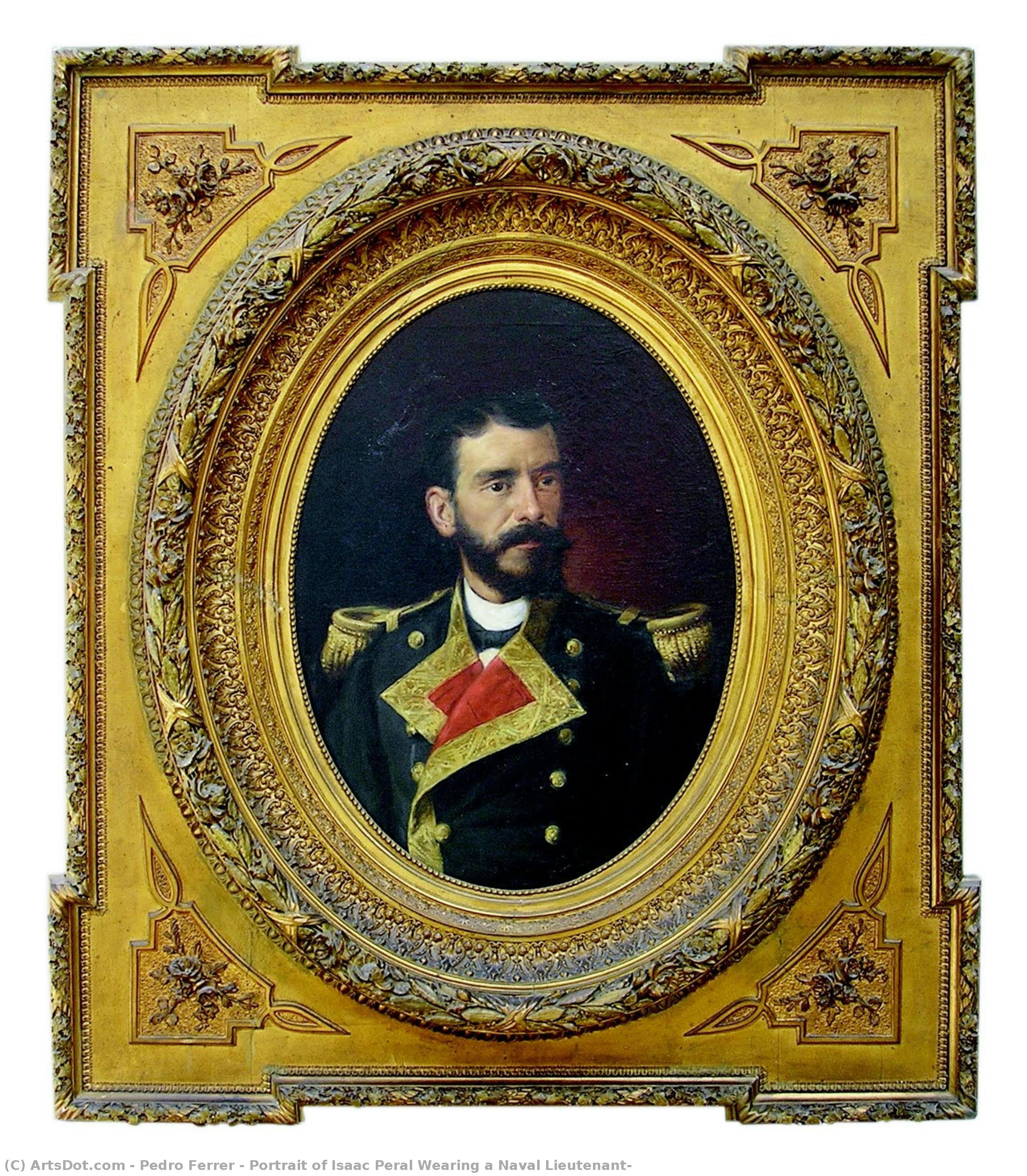
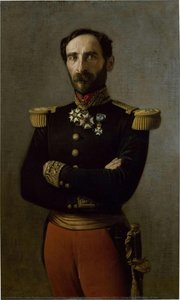
Portrait of Isaac Peral Wearing a Naval Lieutenant


 Pročitaj više
Kupite digitalnu sliku visoke rezolucije i poboljšanog kvaliteta, koja je znatno superiornija od onoga što vidite u online prikazu.
Svaka datoteka je pedantno pripremljena od strane naših stručnjaka koristeći napredne alate i profesionalnu ručnu retušu. Osiguravamo da svaka slika ima izuzetnu oštrinu, preciznu reprodukciju boja i fine detalje.
Konačna datoteka se dostavlja putem e-pošte u roku od 72 sata, optimizovana za neposrednu upotrebu u profesionalnim, izdavačkim i štamparskim okruženjima. To je isti kvalitet kojem veruju vrhunski studiji dizajna, izdavači i galerije.
Digitalna slika
Preuzmite datoteku visoke rezolucije za ličnu upotrebu, štampanje i kreativne projekte. ( Pređi na štampu Kupi ručno naslikanu sliku)
Uključeno uz svaku porudžbinu digitalne slike
Profesionalna digitalna isporuka, zagarantovana
Kada odaberete ArtsDot.com, ne dobijate samo sliku – vi primate profesionalno unapređeno digitalno umetničko delo, izrađeno sa najvećom preciznošću i uz garanciju zadovoljstva. Evo svega što automatski dolazi uz vašu porudžbinu:

Brza dostava putem e-pošte
Vaša digitalna slika visoke rezolucije biće vam poslata putem e-pošte u roku od 72 sata od poručivanja – spremna za trenutnu upotrebu.

Digitalna datoteka unapređena veštačkom inteligencijom
Vaše umetničko delo je profesionalno optimizovano korišćenjem naprednih AI alata i ručne obrade, čime se osiguravaju maksimalni detalji, oštrina i preciznost boja.

Besplatna ponovna isporuka doživotno
Slučajno ste obrisali ili izgubili svoju datoteku? Ne brinite – poslaćemo vam je ponovo u bilo kom trenutku, potpuno besplatno.

Bez troškova uvoza – zauvek
Uživajte u svojim umetničkim delima trenutno, bez carine, dažbina ili troškova dostave – digitalni download je uvek bez poreza.

Garancija vernosti boja
Uz pomoć profesionalnih alata i upravljanja bojama, osiguravamo da vaša digitalna slika što vernije odražava originalne boje.

Garancija zadovoljstva od 100 dana
Ako niste zadovoljni svojom digitalnom slikom, izvršićemo reviziju ili ćemo vam vratiti 100% novca u roku od 100 dana – bez ikakvih pitanja.

100% garancija povrata novca
Niste zadovoljni? Dobijte puni povraćaj novca u roku od 100 dana od prijema digitalne datoteke – bez suvišnih pitanja.

Popusti na velike porudžbine
Kupite 3 slike, uštedite 10% - Kupite 5 slika, uštedite 15% - Kupite 10+ slika, uštedite 20%. Odlično za kreativne projekte, galerije i agencije.
Srodna umetnička dela

Biografija umetnika
Paul Gauguin: A Revolutionary Soul
Paul Gauguin, born Eugène Henri Paul Gauguin in 1848 amidst the tumultuous year of European revolutions, was far more than a painter; he was a provocateur, an iconoclast, and a pivotal figure in the transition from Impressionism to modern art. His life, marked by restless travel, financial struggles, and a relentless pursuit of artistic authenticity, culminated in a body of work that continues to fascinate and challenge viewers today. Gauguin’s journey wasn't one of formal training or academic recognition; instead, it was forged through experience, observation, and an unwavering commitment to expressing his inner vision – a vision often rooted in the exotic and the primal.
Early life provided little indication of the radical artist he would become. Born into a family of modest means in Paris, Gauguin’s childhood was shaped by frequent moves and financial instability. His father, a shipbroker, instilled in him a love for travel and adventure, while his mother's Peruvian ancestry fueled a fascination with the “primitive” – a theme that would profoundly influence his artistic choices. He initially pursued a career as a stockbroker, but found it stifling and unfulfilling. It was during this period of disillusionment that he began to dedicate himself to painting, initially influenced by the Impressionists in Paris, particularly Camille Pissarro. However, Gauguin quickly recognized the limitations of mimicking their style and embarked on a path of independent exploration, seeking a more direct and emotionally resonant form of expression.
The Search for Paradise: Tahiti and Beyond
In 1886, Gauguin made his first journey to Tahiti, an island colony in French Polynesia, driven by a desire to escape the constraints of Western civilization and find a refuge where he could create art unburdened by societal expectations. This move was not merely a vacation; it represented a fundamental shift in his artistic philosophy. He envisioned Tahiti as a “primitive” paradise, a place untouched by the corrupting influences of modernity – a concept that directly contradicted the prevailing trends in European art at the time. His paintings from this period, such as *Nafea fa tatoua* (When Will You Marry?) and *Attea* (The Visionary), are characterized by bold colors, simplified forms, and a focus on Polynesian subjects—women, chiefs, and landscapes—depicted with an almost hallucinatory intensity.
However, his time in Tahiti was fraught with difficulties. Gauguin’s attempts to establish himself as a respected artist were hampered by his unconventional methods and abrasive personality. He clashed frequently with the local population and struggled to find acceptance within the colonial administration. His health deteriorated, and he faced increasing financial hardship. In 1895, disillusioned and exhausted, he embarked on a series of voyages across the South Pacific, visiting islands like Hiva Oa and Easter Island, seeking further inspiration and a renewed sense of purpose. These later works, often characterized by stark contrasts between light and shadow, and featuring figures with haunting expressions, reflect his growing preoccupation with themes of spirituality, death, and the human condition.
A Distinctive Style: Symbolism and Expression
Gauguin’s artistic style evolved dramatically throughout his career. Initially influenced by Impressionism, he quickly developed a highly personal approach that defied categorization. He rejected traditional perspective and realistic representation in favor of flattened planes, simplified forms, and intensely saturated colors. His brushstrokes were often loose and expressive, conveying emotion rather than meticulous detail. He drew inspiration from various sources—including Japanese prints, Spanish Post-Impressionism, and the art of primitive cultures—incorporating elements of each into his unique visual language.
Gauguin’s work is often described as “Symbolist,” although he resisted this label. He used color, line, and composition to evoke specific emotions and ideas, creating a symbolic world that resonated with the subconscious. His paintings are not simply depictions of reality; they are expressions of his inner state—his longing for paradise, his fascination with death, and his search for spiritual meaning. His use of red, particularly, became a signature element, representing passion, violence, and the life force.
Legacy and Influence
Despite facing considerable criticism during his lifetime, Paul Gauguin’s influence on 20th-century art is undeniable. He paved the way for movements such as Fauvism and Expressionism by challenging conventional artistic norms and prioritizing emotional expression over objective representation. His bold use of color, flattened forms, and symbolic imagery inspired generations of artists to explore new ways of seeing and representing the world.
Today, Gauguin’s paintings are celebrated for their power, originality, and enduring appeal. He remains a controversial figure—both admired and criticized—but his legacy as one of the most important and influential artists of the late 19th and early 20th centuries is firmly established. His relentless pursuit of artistic authenticity and his willingness to defy convention continue to inspire artists and viewers alike, reminding us that art can be a powerful tool for exploring the depths of human experience.
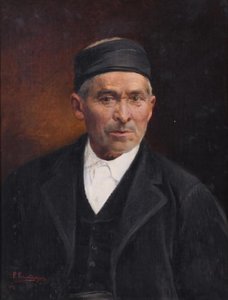
pedro ferrer
1903 -