

![La Verdadera Patria De Miguel De Cervantes (miguel De Cervantes’s True Homeland) (biblioteca Nacional De España)\n\n[4][fol.1] — Pedro José García Balboa](/media/artworks/images-full/fa/e7/fae7a8f523f4766aefea1a3e947558cc.jpg)
 Pregledaj u prostoru
 Pošalji
 Podeli
 Detalji o delu

 Преузми
 Slični predmeti
 Rendgenski snimak
 Slajdovi
La verdadera patria de Miguel de Cervantes (Miguel de Cervantes’s true homeland) (Biblioteca Nacional de España)\n\n[4][fol.1]
 Acrylic On Canvas
- WallArt
- Baroque Rococo Revival
 1761
1761 31.0 x 22.0 cm
 Acción Cultural Española
 Pročitaj više
Ručno rađena uljana reprodukcija
Ručno oslikano uljanim bojama na platnu u dimenzijama i okviru po vašem izboru, izrađeno po porudžbini od strane naših umetnika. ( Kupi print Kupi digitalnu sliku)




P118B $10

P118H $10

P118W $10

P438Z $10

P508JH $12

P508YH $12

P805H $10

P805Z $10

P919BZ $10

P919G $10

P919XJ $10

P959ZH $10

P968JZ $12

W106C $8

W218G $10

W218JH $8

W218Y $10

W307PJ $10

W316G $10

W316PJ $8

W316Y $10

W398PJ $8

W4111J $10

W500HY $15

W500JH $15

W692G $12

W849H $8

W940BG $15

W953PJ $8




Izaberite jednu od naših unapred definisanih veličina koje odgovaraju originalnim proporcijama umetničkog dela.

Можете унети сопствене димензије како бисте прилагодили дело одређеном оквиру или простору. Ако одабрана величина не одговара пропорцијама оригинала, слика ће бити исечена или проширена додатним елементима који се ручно насликавају. Дигитални prikaz ће вам бити послат на одобрење пре почетка производње.
Имајте на уму да преглед на екрану не одражава стварно исецање или проширење. Само приказ (mockup) ће тачно приказати коначну композицију.
Иако су доступне прилагођене величине, препоручујемо да одаберете димензију из дефинисане листе како бисте сачували оригиналне пропорције.
Nakon narudžbine, tim ArtsDot.com će klijentu putem e-pošte poslati uputstva i dostaviti prikaz predloženog rešenja
Isporuka širom sveta () za 3/4 nedelje umesto uobičajenih 5 nedelja. (29 август). Bez kompromisa po pitanju kvaliteta.

Besplatna ekspresna dostava širom sveta

Visokokvalitetno laneno platno

Kompletno osiguranje transporta

Garancija povraćaja carine i uvoznih dažbina

Garancija vernosti boja

Politika povrata u roku od 60 dana (samo u slučaju nedostataka)

Garancija povrata novca od 100%

Popust pri grupnoj kupovini
 Opcija sa staklom dostupna je samo za dimenzije manje od 110 cm

La verdadera patria de Miguel de Cervantes (Miguel de Cervantes’s true homeland) (Biblioteca Nacional de España)\n\n[4][fol.1]
Tehnika reprodukcije
Dimenzije reprodukcije
-


Konačna cena
$ 263
Unveiling Cervantes’s Roots: A Chronicle in Ink
A Testament to Methodical Inquiry
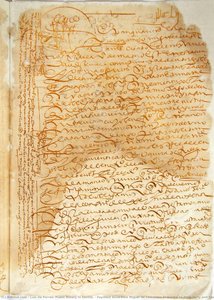
The composition is dominated by an open book, its pages filled with elegant cursive script – a visual echo of the meticulous research that led to Cervantes’s confirmed birthdate of 9 October 1547. The seal prominently displayed at the top of the page speaks volumes about the importance placed on this revelation; it represents authentication and the validation of years of speculation. Balboa skillfully employs chiaroscuro, using light and shadow to draw attention to the text and the seal, creating a dramatic focal point that underscores the significance of the discovery. The book’s aged appearance – suggesting parchment and ink – immediately transports the viewer back in time, grounding the narrative firmly within its historical context. The artist's deliberate choice of materials and techniques speaks to a reverence for tradition and a deep understanding of the visual language of scholarly documentation.Symbolism of Origin and Legacy
The painting’s subject matter is intrinsically linked to the broader intellectual currents of the time. The search for Cervantes’s origins was not merely an academic exercise; it reflected a growing interest in genealogy, personal identity, and the role of place in shaping human experience – themes central to Enlightenment thought. The reference to Juan Iriarte's 1748 discovery within the list of released captives is crucial. This document served as the catalyst for a systematic investigation into Alcalá de Henares’s baptism records, highlighting the power of archival research and the serendipitous nature of historical revelation. The image subtly celebrates the triumph of reason over conjecture, illustrating how careful observation and diligent inquiry can ultimately illuminate even the most obscured corners of the past.Balboa's Artistic Context & Technique
Pedro José García Balboa (1695-1772), a Benedictine monk and scholar, was deeply immersed in the intellectual landscape of his era. His work reflects the influence of the Enlightenment’s emphasis on empirical observation and rational inquiry. Balboa’s technical skill is evident in his precise rendering of detail – from the delicate script to the texture of the aged paper – demonstrating a mastery of draughtsmanship and an understanding of how to convey both factual information and emotional resonance through visual means. This piece exemplifies the Rococo style's emphasis on elegance, clarity, and detailed representation, characteristics that were highly valued within the artistic circles of 18th-century Spain.Srodna umetnička dela
![Autograph Statement Requesting That The Guarantee Provided Be Considered Sufficient (biblioteca Nacional De España)\n\n[page 1] — Cervantes Saavedra, Miguel](/media/artworks/images-thumb/be/4d/be4d8356b5c62cf26a2aac9cd48fa43b.jpg)
![Spanish Landscape, Toledo [paisaije Español, Toledo] — Дијего Ривера, Cubism](/media/artworks/images-thumb/67/22/67223cfb67a3e879b8599832c8849094.jpg)
Biografija umetnika
early life and education
pedro josé garcía balboa, also known as martín sarmiento or martiño sarmiento, was born on march 9, 1695, in villafranca del bierzo, el bierzo, spain. this spanish scholar, writer, and benedictine monk would go on to become an illustrious representative of the enlightenment.contributions and works
throughout his life, garcía balboa wrote on a wide variety of subjects, including:- literature: his writings showcased his mastery of the literary arts.
- medicine: garcía balboa's medical writings demonstrate his deep understanding of the subject.
- botany: his botanical studies reveal a keen interest in the natural world.
- ethnography, history, theology, and linguistics: these areas of study further solidify his reputation as a polymath.
artistic legacy
although primarily known for his written works, garcía balboa's influence can be seen in the artistic community. his contributions to the enlightenment have inspired numerous artists, including those featured at https://ArtsDot.com, such as:- diego velazquez: a renowned artist with works like francisco de quevedo (baroque, oil), showcased on ArtsDot.
- joseph chinard: a sculptor with notable works like juliette récamier (back) (museum of fine arts, lyon, france, marble).
- josé aguiar garcía: an artist with pieces such as portrait of don miguel de unamuno (244 x 168 cm, casa museo unamuno, salamanca, spain, oil on canvas).
museums and collections
garcía balboa's work can be found in various institutions, including:- the adalbert-stifter-institut des landes österreich (austria) museum: a museum dedicated to the life and work of adalbert stifter.
- radishchev art museum russia: a renowned institution housing an extensive collection of russian artworks.
conclusion
pedro josé garcía balboa, a true renaissance man, left an indelible mark on the world. his contributions to the enlightenment continue to inspire artists and scholars alike, with his legacy living on through the numerous institutions and artistic works that bear his influence. explore more of his world and the art he inspired at https://ArtsDot.com.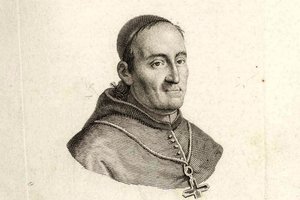
pedro josé garcía balboa
1695 - 1772 , Spain
Osnovne informacije
- Artistic Movement Or Style: Fêtes galantes
- Artists Or Movements Influenced By This Artist: ['Carriera']
- Artists Who Influenced This Artist: ['Watteau']
- Date Of Birth: 1695
- Date Of Death: 1736
- Full Name: Jean-Baptiste Pater
- Nationality: French
- Notable Artworks:
- Bacchus and Ceres in the Clouds
- Portrait of a Lady
- Place Of Birth: Valenciennes, France
Povezani članci

Francisco Goya: 25 Remek-dela Španskog Majstora za Vaš Dom | ArtsDot
Istražite 25 remek-dela Francisca Goya, španskog slikara romantizma i impresionizma. Portreti, tamne slike & istorija umetnosti na ArtsDot.com! Kupite reprodukcije slika vrhunskog kvaliteta za dekoraciju enterijera. Otkrijte celu kolekciju online.
Rafael de Penagos: A Study in Spanish Portraiture & Artistic Identity
Explore the life & art of Rafael de Penagos, a leading Spanish Art Deco illustrator. Discover his iconic 'Penagos Woman', commercial work, and lasting legacy. Learn about this pivotal figure in 20th-century Spanish art history.

About Us
Discover our story! We bring world-class art into your life through expert curation, personalized creations, and free previews. Trusted by individuals and businesses since 2000.
Águeda Ruiz de la Prada: A Study of Eclecticism & Emotional Resonance in Contemporary Spanish Painting
Discover the vibrant world of Ágatha Ruiz de la Prada, a leading figure in contemporary Spanish art. Explore her eclectic style, emotional depth & legacy – a must-read for discerning collectors.

18th Century Masters: 10 Artworks That Define an Era | ArtsDot
Journey through 18th century art! Explore 10 iconic paintings – from Rococo elegance to Neoclassical grandeur. Discover Fragonard, David & more. Find museum-quality reproductions and elevate your home decor on ArtsDot.com.

