

 Pregledaj u prostoru
 Pošalji
 Podeli
 Detalji o delu

 Преузми
 Slični predmeti
 Rendgenski snimak
 Slajdovi
 Statistika
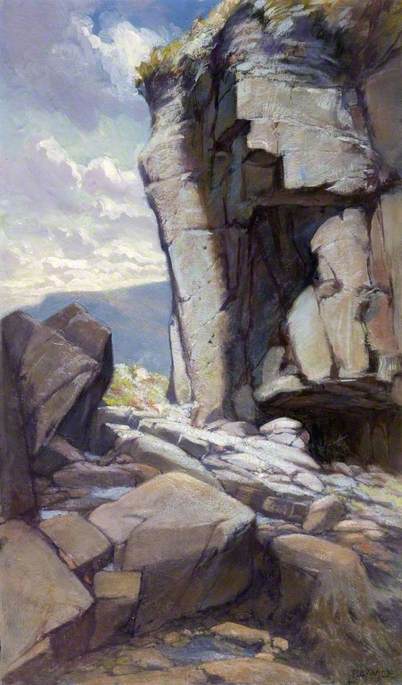
Cliffs by the Sea
 75.0 x 44.0 cm
 Pročitaj više
Ručno rađena uljana reprodukcija
Ručno oslikano uljanim bojama na platnu u dimenzijama i okviru po vašem izboru, izrađeno po porudžbini od strane naših umetnika. ( Pređi na štampu Pređi na digitalnu sliku)




































Izaberite jednu od naših unapred definisanih veličina koje odgovaraju originalnim proporcijama umetničkog dela.

Можете унети сопствене димензије како бисте прилагодили дело одређеном оквиру или простору. Ако одабрана величина не одговара пропорцијама оригинала, слика ће бити исечена или проширена додатним елементима који се ручно насликавају. Дигитални prikaz ће вам бити послат на одобрење пре почетка производње.
Имајте на уму да преглед на екрану не одражава стварно исецање или проширење. Само приказ (mockup) ће тачно приказати коначну композицију.
Иако су доступне прилагођене величине, препоручујемо да одаберете димензију из дефинисане листе како бисте сачували оригиналне пропорције.
Nakon narudžbine, tim ArtsDot.com će klijentu putem e-pošte poslati uputstva i dostaviti prikaz predloženog rešenja
Isporuka širom sveta () za 3/4 nedelje umesto uobičajenih 5 nedelja. (8 септембар). Bez kompromisa po pitanju kvaliteta.

Besplatna ekspresna dostava širom sveta

Visokokvalitetno laneno platno

Kompletno osiguranje transporta

Garancija povraćaja carine i uvoznih dažbina

Garancija vernosti boja

Politika povraćaja u roku od 100 dana (isključivo u slučaju nedostataka)

Garancija povrata novca od 100%

Popust pri grupnoj kupovini
 Opcija sa staklom dostupna je samo za dimenzije manje od 110 cm

Cliffs by the Sea
Tehnika reprodukcije
Dimenzije reprodukcije
-


Konačna cena
$ 263
Srodna umetnička dela









Biografija umetnika
Percival Arthur Wise: A Weaver of English Landscapes
Percival Arthur Wise (1884-1968) wasn’t a name that immediately resonates within the grand halls of art history, yet his canvases—particularly those depicting the evocative landscapes of rural England—hold a quiet power and enduring appeal. Born in Poole, Dorset, into a family with a strong artistic lineage – his father was a watercolorist – Wise inherited not just technical skill but also a deep-seated love for the natural world, a sentiment that would become the cornerstone of his artistic vision. His life unfolded against the backdrop of a rapidly changing Britain, witnessing both the decline of traditional rural life and the burgeoning influence of modernism, experiences which subtly shaped his distinctive style.
Wise’s early training was largely self-directed, honed through observation and diligent practice. He initially worked as a draughtsman for a shipping company, a profession that provided him with invaluable experience in capturing detail and perspective – skills he later applied to his painting. However, it was the landscapes surrounding Poole that truly captivated him, fueling a desire to translate their beauty onto canvas. His early works demonstrate a clear debt to the traditional English watercolorists of the 19th century, particularly the meticulous rendering of light and shadow characteristic of artists like William Havell and John Piper. Yet, Wise quickly developed his own unique approach, imbuing his paintings with a sense of atmosphere and mood that went beyond mere representation.
- Key Characteristics: Wise’s style is often described as ‘atmospheric realism.’ He wasn't interested in creating photographic reproductions; instead, he sought to capture the *feeling* of a place – the dampness of a moorland morning, the golden light filtering through ancient woodlands, the stillness of a coastal scene.
- Color Palette: His color choices were deliberately muted and subtle, relying on delicate washes of blues, greens, browns, and greys to evoke a sense of tranquility and depth. He masterfully employed glazing techniques to build up layers of color, creating luminous effects that seemed to shimmer with reflected light.
- Composition: Wise favored expansive compositions, often depicting vast landscapes with minimal figures or details. This allowed the viewer’s eye to wander across the canvas, immersing themselves in the scene and experiencing its scale and solitude.
The Influence of Place and Memory
Wise's work is inextricably linked to his deep connection to Dorset and the surrounding countryside. He spent much of his life exploring these landscapes, meticulously observing their ever-changing moods and seasons. This intimate knowledge informed every brushstroke, imbuing his paintings with a palpable sense of authenticity. However, it’s important to note that Wise wasn't simply documenting reality; he was also filtering it through the lens of memory and personal experience. His paintings are not objective records but rather subjective interpretations – reflections of his own emotional response to the world around him.
The influence of the Pre-Raphaelites is evident in Wise’s work, particularly their interest in folklore, mythology, and the beauty of the natural world. Like the Pre-Raphaelites, Wise sought to capture a sense of timelessness and spiritual significance within his landscapes. His paintings often evoke a feeling of melancholy and nostalgia, suggesting that they are glimpses into a lost or fading past. The title “The Haunt of the Moorhen,” for example, perfectly encapsulates this mood – a scene imbued with both beauty and a subtle undercurrent of sadness.
Notable Works and Recognition
Among Wise’s most celebrated works is "Steps to the Garden," a watercolor depicting a winding path leading through a dense woodland. The painting's masterful use of light and shadow, combined with its evocative atmosphere, has earned it widespread acclaim. Other notable paintings include “The Moorland Path,” “Coastal Scene at Lulworth Cove,” and numerous portraits, reflecting his versatility as an artist.
- Harvard & Sackler Museums: Wise’s work is held in the collections of both the Harvard Art Museums and the Arthur M. Sackler Gallery in Washington D.C., testament to the enduring quality and appeal of his art.
- Art UK Archive: The Art UK archive provides a comprehensive overview of Wise's career, including biographical information, images of his paintings, and critical essays.
A Legacy of Quiet Observation
Percival Arthur Wise’s artistic legacy lies not in grand gestures or revolutionary innovations but rather in the quiet observation and meticulous rendering of English landscapes. He was a master of capturing the subtle nuances of light, color, and atmosphere, creating paintings that invite contemplation and evoke a profound sense of connection to the natural world. While he may not be as widely recognized as some of his contemporaries, Wise’s work continues to resonate with viewers who appreciate its understated beauty and timeless appeal – a testament to the power of simple observation and heartfelt expression.
percival arthur wise
1885 - 1968
Osnovne informacije
- Artistic Movement Or Style: Landscape painting
- Artists Or Movements Influenced By This Artist: ['Romantic landscape art']
- Artists Who Influenced This Artist: ['William James Müller']
- Date Of Birth: 1884-11-27
- Date Of Death: 1968-05-13
- Full Name: Percival Arthur Wise
- Nationality: British
- Notable Artworks:
- The Haunt of the Moorhen
- Steps to the Garden
- Self Portrait
- Place Of Birth: Cardiff, Wales