

 Pregledaj u prostoru
 Pošalji
 Podeli
 Detalji o delu

 Преузми
 Slični predmeti
 Rendgenski snimak
 Slajdovi
 Statistika
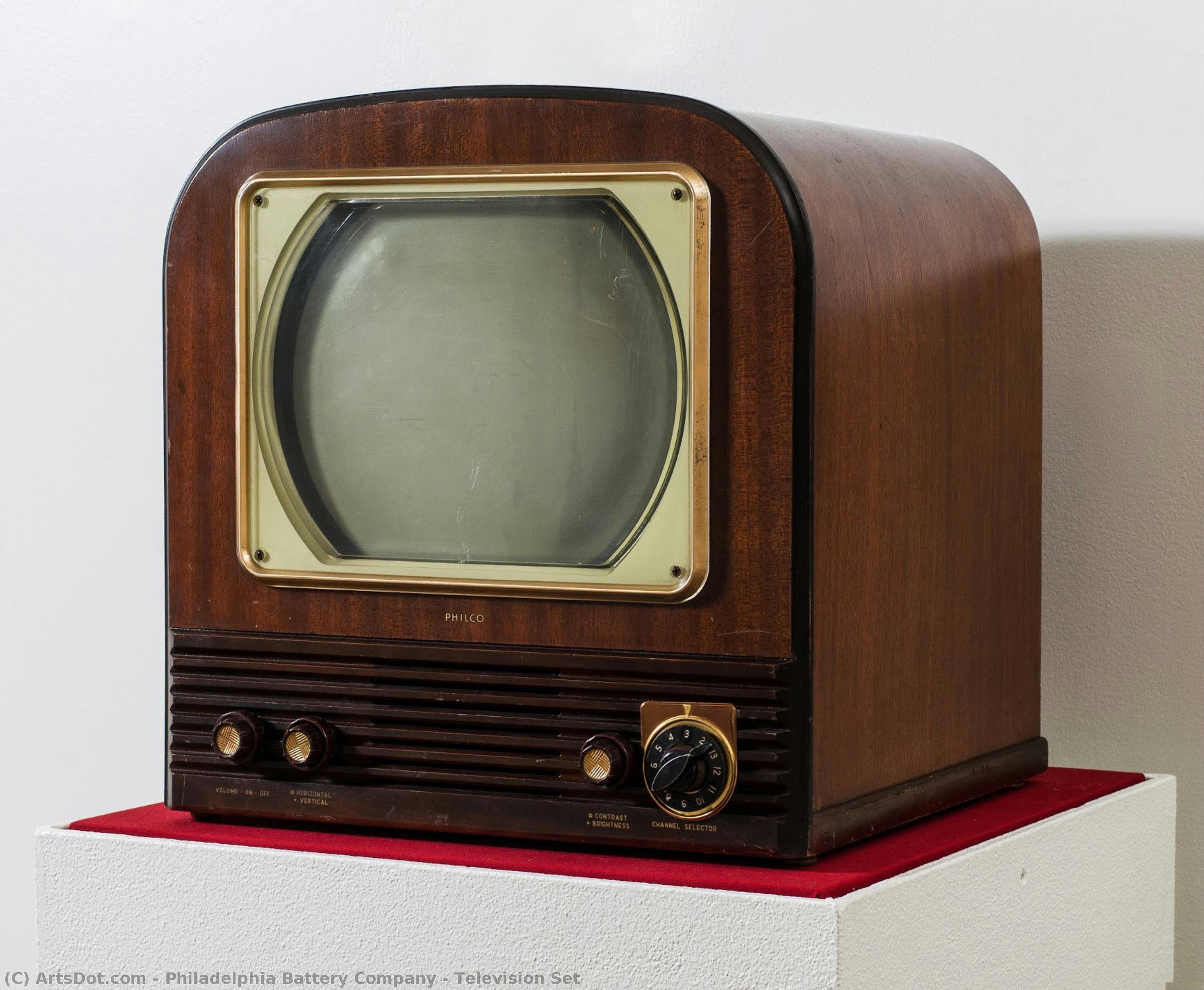
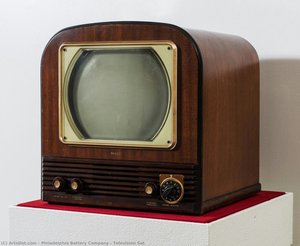
Television Set


 Pročitaj više
Kupite digitalnu sliku visoke rezolucije i poboljšanog kvaliteta, koja je znatno superiornija od onoga što vidite u online prikazu.
Svaka datoteka je pedantno pripremljena od strane naših stručnjaka koristeći napredne alate i profesionalnu ručnu retušu. Osiguravamo da svaka slika ima izuzetnu oštrinu, preciznu reprodukciju boja i fine detalje.
Konačna datoteka se dostavlja putem e-pošte u roku od 72 sata, optimizovana za neposrednu upotrebu u profesionalnim, izdavačkim i štamparskim okruženjima. To je isti kvalitet kojem veruju vrhunski studiji dizajna, izdavači i galerije.
Digitalna slika
Preuzmite datoteku visoke rezolucije za ličnu upotrebu, štampanje i kreativne projekte. ( Pređi na štampu Kupi ručno naslikanu sliku)
Uključeno uz svaku porudžbinu digitalne slike
Profesionalna digitalna isporuka, zagarantovana
Kada odaberete ArtsDot.com, ne dobijate samo sliku – vi primate profesionalno unapređeno digitalno umetničko delo, izrađeno sa najvećom preciznošću i uz garanciju zadovoljstva. Evo svega što automatski dolazi uz vašu porudžbinu:

Brza dostava putem e-pošte
Vaša digitalna slika visoke rezolucije biće vam poslata putem e-pošte u roku od 72 sata od poručivanja – spremna za trenutnu upotrebu.

Digitalna datoteka unapređena veštačkom inteligencijom
Vaše umetničko delo je profesionalno optimizovano korišćenjem naprednih AI alata i ručne obrade, čime se osiguravaju maksimalni detalji, oštrina i preciznost boja.

Besplatna ponovna isporuka doživotno
Slučajno ste obrisali ili izgubili svoju datoteku? Ne brinite – poslaćemo vam je ponovo u bilo kom trenutku, potpuno besplatno.

Bez troškova uvoza – zauvek
Uživajte u svojim umetničkim delima trenutno, bez carine, dažbina ili troškova dostave – digitalni download je uvek bez poreza.

Garancija vernosti boja
Uz pomoć profesionalnih alata i upravljanja bojama, osiguravamo da vaša digitalna slika što vernije odražava originalne boje.

Garancija zadovoljstva od 100 dana
Ako niste zadovoljni svojom digitalnom slikom, izvršićemo reviziju ili ćemo vam vratiti 100% novca u roku od 100 dana – bez ikakvih pitanja.

100% garancija povrata novca
Niste zadovoljni? Dobijte puni povraćaj novca u roku od 100 dana od prijema digitalne datoteke – bez suvišnih pitanja.

Popusti na velike porudžbine
Kupite 3 slike, uštedite 10% - Kupite 5 slika, uštedite 15% - Kupite 10+ slika, uštedite 20%. Odlično za kreativne projekte, galerije i agencije.
Srodna umetnička dela
Biografija umetnika
The Genesis of Sound: Philadelphia Battery Company & the Dawn of American Radio
The story of the Philadelphia Battery Company, more commonly known as Philco, is a fascinating narrative woven into the very fabric of American technological innovation and cultural life. It’s a tale that begins not with vacuum tubes or sleek cabinet designs, but with carbon arc lamps – an unlikely starting point for what would become one of the nation's most iconic radio and television manufacturers. Founded around 1892 as Helios Electric Company by Thomas Spencer and Frank Spencer, the initial venture proved commercially challenging. A pivot towards storage batteries in 1906, supplying the burgeoning electric vehicle market, marked a turning point. This shift to Philadelphia Storage Battery Company laid the groundwork for the name that would soon resonate across American households: Philco, an acronym born from its origins.
The early years were defined by practical engineering and a relentless pursuit of reliability in battery technology. However, it was the burgeoning potential of radio broadcasting in the 1920s that truly ignited Philco’s trajectory. Recognizing the need for accessible receivers to tap into this new medium, Philco transitioned from component supplier to full-fledged manufacturer. This wasn't merely a business decision; it was an embrace of a cultural revolution. The company quickly distinguished itself through quality craftsmanship and innovative design, becoming a pioneer in battery-powered radios – essential before the widespread availability of household electricity.
A Golden Age of Radio: Design, Innovation & Market Dominance
The 1930s witnessed Philco’s ascent to market leadership. The company didn't just *make* radios; they crafted objects of desire. The iconic “Baby Grand” cathedral-shaped wooden radio became a symbol of the era – a testament to Art Deco aesthetics and the power of design in shaping consumer perception. These weren’t simply functional devices; they were furniture pieces, conversation starters, and focal points within the home. Philco understood that radio wasn't just about sound; it was about experience.
Beyond aesthetics, Philco invested heavily in research and development. They pioneered advancements in receiver technology, improving sensitivity and clarity. This commitment to quality solidified their reputation and propelled them to become the top-selling radio brand for over two decades. The company’s success wasn't accidental; it was a result of meticulous engineering, astute marketing, and an unwavering focus on meeting the evolving needs of American listeners. Philco radios weren’t just heard; they were *felt* as integral parts of daily life.
Expanding Horizons: From Radio to Television & Beyond
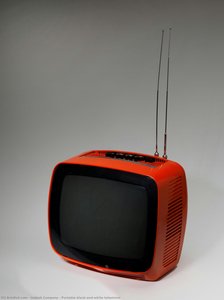
The post-World War II era saw Philco boldly expand its product line, embracing new technologies and diversifying its offerings. The transition to television was a natural progression, building upon their existing expertise in electronics manufacturing. Philco’s early televisions were characterized by innovative designs – most notably the “Predicta” series of 1950s sets with their futuristic, sculpted forms. These weren't simply boxes displaying images; they were statements about modernity and technological optimism.
However, Philco’s ambitions extended beyond entertainment. They ventured into air conditioning, refrigerators, home freezers, laundry appliances, and even computer systems. This diversification reflected a broader vision of becoming a comprehensive provider of consumer electronics. The company also played a significant role in defense-related technologies, demonstrating its adaptability and engineering prowess.
Acquisition & Legacy: A Shifting Landscape
The 1960s marked a turning point with the acquisition by Ford Motor Company, resulting in the “Philco-Ford” branding. While this initially provided resources and stability, it ultimately led to a gradual erosion of Philco’s independent identity. In 1974, Ford sold the company to General Telephone and Electronics (GTE), followed by its eventual purchase by Philips in 1981.
Though the original Philco as an independent entity ceased to exist, its legacy endures. The brand continues today under Philips ownership in North America and Electrolux elsewhere, a testament to the enduring power of its name recognition and reputation for quality. More importantly, Philco’s contributions to radio and television technology – from pioneering battery-powered sets to innovative cabinet designs – left an indelible mark on American culture. The company wasn't just selling electronics; it was selling a vision of the future, one filled with sound, convenience, and technological progress.
Kratke činjenice
- Artistic Movement Or Style: Mid-century design
- Date Of Death: Living
- Full Name: Philadelphia Battery Company
- Nationality: American
- Notable Artworks: ['Television Set (1948)']