

 Pregledaj u prostoru
 Pošalji
 Podeli
 Detalji o delu

 Преузми
 Slični predmeti
 Rendgenski snimak
 Slajdovi
 Statistika
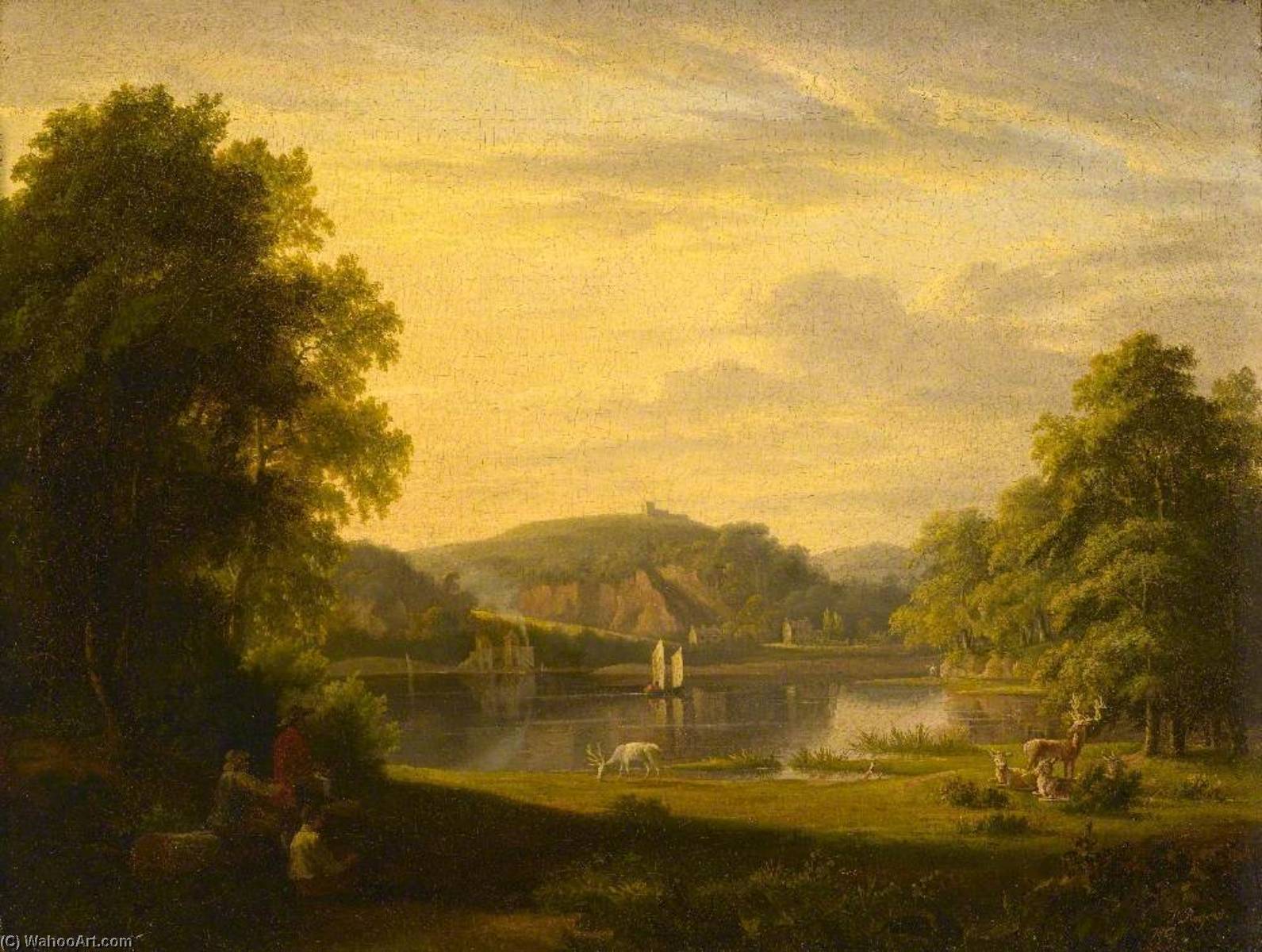
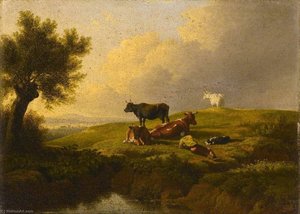
View of the Plym from the Grounds of Saltram House
 1812
1812 41.0 x 53.0 cm
 Royal Albert Memorial Museum
 Pročitaj više
Ručno rađena uljana reprodukcija
Ručno oslikano uljanim bojama na platnu u dimenzijama i okviru po vašem izboru, izrađeno po porudžbini od strane naših umetnika. ( Pređi na štampu Pređi na digitalnu sliku)




































Izaberite jednu od naših unapred definisanih veličina koje odgovaraju originalnim proporcijama umetničkog dela.

Можете унети сопствене димензије како бисте прилагодили дело одређеном оквиру или простору. Ако одабрана величина не одговара пропорцијама оригинала, слика ће бити исечена или проширена додатним елементима који се ручно насликавају. Дигитални prikaz ће вам бити послат на одобрење пре почетка производње.
Имајте на уму да преглед на екрану не одражава стварно исецање или проширење. Само приказ (mockup) ће тачно приказати коначну композицију.
Иако су доступне прилагођене величине, препоручујемо да одаберете димензију из дефинисане листе како бисте сачували оригиналне пропорције.
Nakon narudžbine, tim ArtsDot.com će klijentu putem e-pošte poslati uputstva i dostaviti prikaz predloženog rešenja
Isporuka širom sveta () za 3/4 nedelje umesto uobičajenih 5 nedelja. (8 септембар). Bez kompromisa po pitanju kvaliteta.

Besplatna ekspresna dostava širom sveta

Visokokvalitetno laneno platno

Kompletno osiguranje transporta

Garancija povraćaja carine i uvoznih dažbina

Garancija vernosti boja

Politika povraćaja u roku od 100 dana (isključivo u slučaju nedostataka)

Garancija povrata novca od 100%

Popust pri grupnoj kupovini
 Opcija sa staklom dostupna je samo za dimenzije manje od 110 cm

View of the Plym from the Grounds of Saltram House
Tehnika reprodukcije
Dimenzije reprodukcije
-


Konačna cena
$ 263
Srodna umetnička dela




Biografija umetnika
The Soul of the Landscape: The Life and Legacy of Philip Hutchins Rogers
In the golden age of British Romanticism, few artists captured the profound dialogue between humanity and the natural world as poignantly as Philip Hutchins Rogers. Born in the coastal environs of Plymouth, Devon, in 1794, Rogers emerged from a period of intense intellectual awakening. His early years were shaped by the rugged beauty of the English West Country, a landscape that would serve as both his muse and his primary subject. This formative connection to the earth was deepened through his education at Plymouth Grammar School, where he studied under the esteemed botanist and geologist Dr. John Bidlake. It was under Bidlake’s tutelage that Rogers learned to look beyond the mere surface of nature, developing an eye for the scientific precision of flora and geology while simultaneously nurturing a Romantic sensibility that sought the emotional resonance within the wild.
The artistic circle in which Rogers moved was nothing short of extraordinary. Alongside contemporaries such as Samuel Prout, Benjamin Haydon, and Charles Lock Eastlake, he participated in a shared movement that redefined the boundaries of British landscape and marine painting. This cohort of artists shared a fascination with the sublime—the idea that nature could evoke feelings of awe, terror, and spiritual transcendence. Rogers’s work became a bridge between the meticulous observation of his scientific mentors and the expressive, often dramatic, interpretations characteristic of the Romantic era. His ability to blend a commitment to realism with an evocative use of light and atmosphere allowed him to create works that felt both tangibly real and deeply dreamlike.
Mastery of Light and Atmosphere
Rogers’s technical evolution is most evident in his diverse range of subjects, from the maritime drama of the English Channel to the tranquil vistas of the European continent. One of his most significant early achievements was the 1813 masterpiece, The Bombardment of Algiers. Commissioned by the Royal Academy, this ambitious work demonstrated his capacity for large-scale narrative painting and technical prowess, earning critical acclaim and a subsequent engraving that brought his vision to a wider public. This period of his career showcased a mastery of movement and tension, capturing the chaotic energy of naval conflict against the backdrop of an unforgiving sea.
As his career progressed, Rogers’s focus shifted toward more serene and contemplative landscapes. His depictions of Dartmoor National Park are particularly noteworthy; in these works, he meticulously rendered the rugged terrain, the shifting mists, and the atmospheric weight of the moorland, turning the local landscape into a stage for emotional expression. This talent for capturing the "spirit of place" extended to his travels across Europe. His explorations of the Spanish coast yielded evocative panoramas of the Mediterranean, while his later years spent on the Continent—driven by both economic necessity and artistic curiosity—led to stunning depictions of the German countryside. His 1838 work, Bavarian Landscape, stands as a testament to this period, showcasing a peaceful, idyllic harmony between rural life and the majestic mountains of Germany.
A Lasting Impression on British Art
The significance of Philip Hutchins Rogers lies in his ability to harmonize the scientific with the poetic. While his works often featured local views around Plymouth—some of which found permanent homes in prestigious collections like Saltram House—they were never merely topographical records. Instead, they were windows into a world where every hill, tree, and wave carried a weight of meaning. His style, characterized by expressive brushwork and a sophisticated use of color, helped pave the way for future generations of landscape painters to explore the subjective experience of the natural world.
Though he passed away in 1853 near Baden-Baden, his contribution to the British school of painting remains indelible. His legacy is found in:
- The integration of scientific observation and Romantic emotion, a hallmark of his training under Dr. Bidlake.
- The elevation of local landscapes, such as Dartmoor and Plymouth Sound, into subjects of high art and national importance.
- A versatile mastery of genre, ranging from the intense drama of marine combat to the quietude of pastoral European scenes.
Today, the works of Rogers continue to resonate with those who find beauty in the interplay of light, shadow, and the enduring majesty of the earth.
philip hutchins rogers
1794 - 1853
Osnovne informacije
- Artistic Movement Or Style: Romanticism
- Artists Or Movements Influenced By This Artist: ['Charles Lock Eastlake']
- Artists Who Influenced This Artist:
- John Bidlake
- Samuel Prout
- Date Of Birth: 1794 Plymouth Devon England
- Date Of Death: 1853 Lichtenthal Baden-Baden Germany
- Full Name: Philip Hutchins Rogers
- Nationality: English
- Notable Artworks:
- The Bombardment of Algiers
- Dartmoor
- Place Of Birth: Plymouth England