

 Pošalji
 Podeli
 Detalji o delu

 Преузми
 Slični predmeti
 Slajdovi
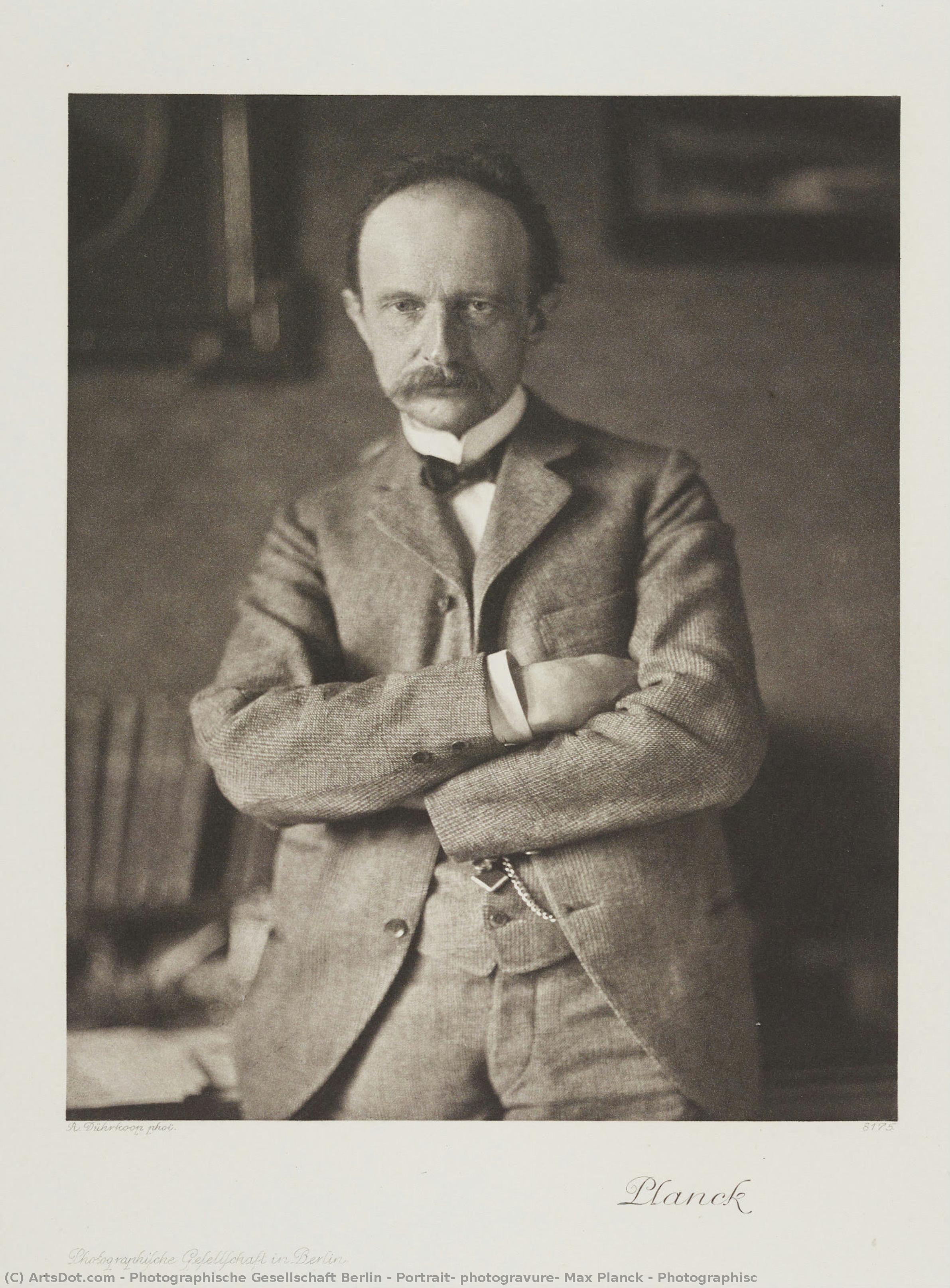
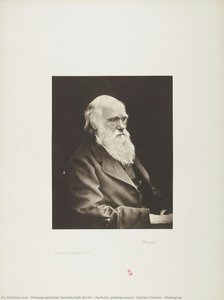
Portrait, photogravure, Max Planck / Photographisc


 Pročitaj više
Kupite digitalnu sliku visoke rezolucije i poboljšanog kvaliteta, koja je znatno superiornija od onoga što vidite u online prikazu.
Svaka datoteka je pedantno pripremljena od strane naših stručnjaka koristeći napredne alate i profesionalnu ručnu retušu. Osiguravamo da svaka slika ima izuzetnu oštrinu, preciznu reprodukciju boja i fine detalje.
Konačna datoteka se dostavlja putem e-pošte u roku od 72 sata, optimizovana za neposrednu upotrebu u profesionalnim, izdavačkim i štamparskim okruženjima. To je isti kvalitet kojem veruju vrhunski studiji dizajna, izdavači i galerije.
Digitalna slika
Preuzmite datoteku visoke rezolucije za ličnu upotrebu, štampanje i kreativne projekte. ( Kupi print Kupi ručno naslikanu sliku)
Uključeno uz svaku porudžbinu digitalne slike
Profesionalna digitalna isporuka, zagarantovana
Kada odaberete ArtsDot.com, ne dobijate samo sliku – vi primate profesionalno unapređeno digitalno umetničko delo, izrađeno sa najvećom preciznošću i uz garanciju zadovoljstva. Evo svega što automatski dolazi uz vašu porudžbinu:

Brza dostava putem e-pošte
Vaša digitalna slika visoke rezolucije biće vam poslata putem e-pošte u roku od 72 sata od poručivanja – spremna za trenutnu upotrebu.

Digitalna datoteka unapređena veštačkom inteligencijom
Vaše umetničko delo je profesionalno optimizovano korišćenjem naprednih AI alata i ručne obrade, čime se osiguravaju maksimalni detalji, oštrina i preciznost boja.

Besplatna ponovna isporuka doživotno
Slučajno ste obrisali ili izgubili svoju datoteku? Ne brinite – poslaćemo vam je ponovo u bilo kom trenutku, potpuno besplatno.

Bez troškova uvoza – zauvek
Uživajte u svojim umetničkim delima trenutno, bez carine, dažbina ili troškova dostave – digitalni download je uvek bez poreza.

Garancija vernosti boja
Uz pomoć profesionalnih alata i upravljanja bojama, osiguravamo da vaša digitalna slika što vernije odražava originalne boje.

Garancija zadovoljstva u roku od 60 dana
Ako niste zadovoljni svojom digitalnom slikom, revidirat ćemo je ili vratiti 100% novca u roku od 60 dana – bez ikakvih pitanja.

100% garancija povrata novca
Niste zadovoljni? Obezbedite pun povrat novca u roku od 60 dana od trenutka kada ste primili svoju digitalnu datoteku – bez suvišnih pitanja.

Popusti na velike porudžbine
Kupite 3 slike, uštedite 10% - Kupite 5 slika, uštedite 15% - Kupite 10+ slika, uštedite 20%. Odlično za kreativne projekte, galerije i agencije.
A Window Into Genius: Exploring the Photogravure Portrait of Max Planck
The Photographische Gesellschaft Berlin’s photogravure portrait of Max Planck stands as more than just an image; it's a testament to the burgeoning intersection of science and artistic expression in early 20th-century Germany. Created in 1919, shortly after Planck’s groundbreaking work on quantum theory revolutionized physics – establishing him as arguably the father of modern physics – this print captures not only Planck’s likeness but also embodies the spirit of intellectual curiosity and meticulous observation that defined his era.The Artistry Behind the Image
Photogravure, a technique pioneered by Johannes Hülsenbeck, was rapidly gaining prominence as an alternative to etching and lithography. Unlike traditional methods which relied on incising lines into metal plates, photogravure utilized photographic negatives to transfer tonal information onto copper plates, resulting in exceptionally rich blacks and subtle gradations of grey – qualities perfectly suited for portraying the solemn dignity of Planck’s face. The photographische gesellschaft's meticulous attention to detail is evident in every aspect of the composition: from the careful positioning of Planck against a neutral wall adorned with books—symbols of knowledge and contemplation—to the precise rendering of his facial features, conveying both intellect and quiet introspection.Historical Context: Scientific Breakthroughs and Artistic Aspirations
The period surrounding Planck’s Nobel Prize victory witnessed an unprecedented surge in artistic experimentation alongside scientific advancements. Artists were increasingly drawn to represent complex concepts and ideas through visual mediums, mirroring the intellectual fervor of the time. The Photographische Gesellschaft Berlin recognized this trend, consciously elevating photogravure beyond mere reproduction to a form of artistic interpretation. This portrait reflects the broader cultural preoccupation with capturing the essence of prominent thinkers—a tradition that anticipates later explorations in portraiture as a means of conveying psychological depth and intellectual stature.Symbolism: Light and Shadow – Reflection on Thought
The stark contrast between light and shadow dominating the image is deliberately symbolic. Planck’s face is illuminated by a diffused glow, suggesting enlightenment and insight—the very qualities associated with his scientific discoveries. Simultaneously, shadows subtly delineate contours of his features, hinting at hidden complexities and the profound contemplation inherent in intellectual pursuits. The inclusion of books serves as an additional layer of symbolism, representing the pursuit of knowledge and the transformative power of learning – mirroring Planck’s own unwavering dedication to unraveling the mysteries of the universe.Emotional Impact: A Portrait of Quiet Resolve
Looking at this photogravure portrait evokes a sense of calm contemplation—a reflection on the enduring legacy of scientific brilliance. It's not merely a depiction of a man; it’s an embodiment of intellectual perseverance and unwavering curiosity. The photographische gesellschaft’s masterful technique captures not only Planck’s physical appearance but also conveys his inner spirit, inviting viewers to contemplate the profound impact of groundbreaking ideas on shaping our understanding of reality. This image remains a powerful reminder that beauty can be found in precision, intellect, and the quiet contemplation necessary for unlocking the secrets of the cosmos.Srodna umetnička dela
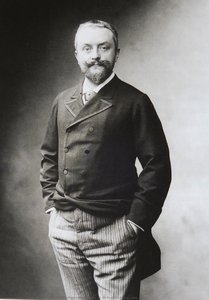

Biografija umetnika
The Pioneering Vision of the Photographische Gesellschaft Berlin
In the burgeoning landscape of 19th-century photography, a collective spirit took root in Berlin that would profoundly shape the medium’s trajectory – the Photographische Gesellschaft Berlin. Founded in 1862, this wasn't merely a society of photographers; it was an incubator of innovation, a crucible where artistic ambition met technological advancement. Emerging at a time when photography was striving to establish itself as more than just a mechanical reproduction of reality, the Gesellschaft played a pivotal role in elevating it to the status of a recognized art form and a burgeoning commercial enterprise. The story of this organization is inextricably linked to the broader narrative of photographic history, reflecting the rapid evolution of techniques and aesthetics during a period of intense experimentation.Forging New Paths: Technology and Artistic Exploration
The Photographische Gesellschaft Berlin distinguished itself from its contemporaries through a dual commitment to artistic expression and technical mastery. While many early photographic societies focused primarily on one or the other, this group actively pursued both avenues simultaneously. They weren’t content simply to capture images; they sought to refine the processes that made those images possible. This dedication led to significant contributions in the development of photographic technologies, particularly in the realm of photogravure – a sophisticated etching process allowing for incredibly detailed and tonally rich reproductions. This technique became something of a hallmark for the Gesellschaft, enabling them to produce prints of exceptional quality and nuance. The pursuit of technical excellence wasn’t an end in itself, however; it was always viewed as a means to enhance artistic possibilities. The society fostered a vibrant environment where photographers could experiment with different approaches, pushing creative boundaries and exploring the unique aesthetic qualities inherent in the medium. This spirit of innovation attracted talented individuals, including the notable figure of Heinrich Zille, who served as a technician for the organization from 1877 to 1907. His contributions were instrumental in maintaining the Gesellschaft’s technical prowess and his own work mirrored the evolving photographic landscape of Berlin.A Legacy Etched in Portraits and Publications
The Photographische Gesellschaft Berlin's artistic output was remarkably diverse, but they became particularly renowned for their portrait photogravures. These weren’t simply likenesses; they were carefully crafted representations of prominent figures from the scientific, intellectual, and cultural spheres. Portraits of luminaries such as Max Planck, William Thomson (Baron Kelvin), Ernst Heinrich Haeckel, Wilhelm Konrad Röntgen, Dmitri Mendeleev, and Gustav Theodor Fechner stand as testaments to the society’s skill in capturing not only physical appearance but also a sense of personality and intellectual gravitas. These portraits weren't merely exercises in technical proficiency; they were statements about the value of knowledge and achievement, reflecting the Gesellschaft’s commitment to celebrating human intellect. Beyond individual works, the society actively disseminated its expertise through catalogues and exhibitions. Publications like “Catalogue of an Exhibition of Contemporary German Graphic Art” and “A Selection of the publications of the Berlin Photographic Co.” served as vital platforms for showcasing their work and promoting photography as a legitimate art form to a wider audience.Enduring Influence and Historical Significance
Though the Photographische Gesellschaft Berlin dissolved in 1927, its impact continues to resonate today. The society’s influence extended far beyond its own lifespan, inspiring generations of photographers who carried forward its traditions of artistic excellence and technical innovation. Its work can be found in numerous museums and galleries worldwide, including the Kunstsammlungen und Museen Augsburg, serving as a tangible link to a pivotal moment in photographic history. The Gesellschaft’s legacy lies not only in the beautiful prints it produced, but also in its role in fundamentally changing perceptions of photography. By demonstrating the medium's capacity for artistic expression and commercial viability, they helped pave the way for its widespread acceptance and enduring popularity. The organization stands as a powerful example of how collaboration, innovation, and dedication can converge to shape an art form and leave an indelible mark on cultural history. The spirit of inquiry and artistic ambition that defined the Photographische Gesellschaft Berlin continues to inspire photographers and art enthusiasts alike, reminding us of the transformative power of this remarkable medium.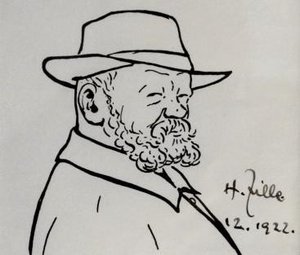
Photographische Gesellschaft Berlin
1862 - 1927

