

 Pregledaj u prostoru
 Pošalji
 Podeli
 Detalji o delu

 Преузми
 Slični predmeti
 Rendgenski snimak
 Slajdovi
 Statistika
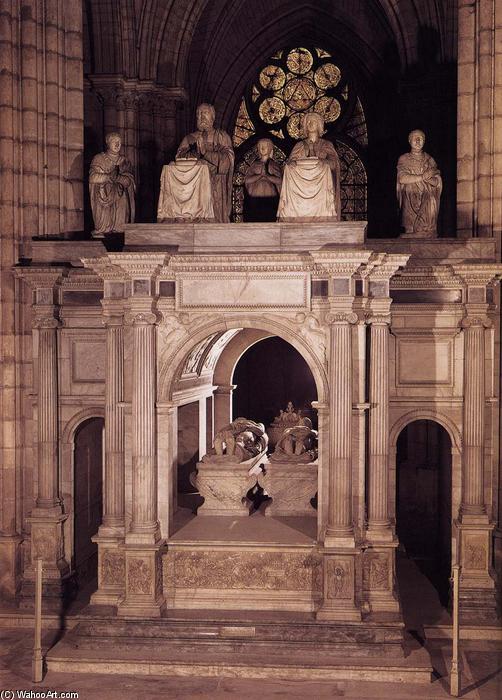
Tomb of Francis I and Claude de France


 Pročitaj više
Ručno rađena uljana reprodukcija
Ručno oslikano uljanim bojama na platnu u dimenzijama i okviru po vašem izboru, izrađeno po porudžbini od strane naših umetnika. ( Pređi na štampu Pređi na digitalnu sliku)




































Izaberite jednu od naših unapred definisanih veličina koje odgovaraju originalnim proporcijama umetničkog dela.

Можете унети сопствене димензије како бисте прилагодили дело одређеном оквиру или простору. Ако одабрана величина не одговара пропорцијама оригинала, слика ће бити исечена или проширена додатним елементима који се ручно насликавају. Дигитални prikaz ће вам бити послат на одобрење пре почетка производње.
Имајте на уму да преглед на екрану не одражава стварно исецање или проширење. Само приказ (mockup) ће тачно приказати коначну композицију.
Иако су доступне прилагођене величине, препоручујемо да одаберете димензију из дефинисане листе како бисте сачували оригиналне пропорције.
Nakon narudžbine, tim ArtsDot.com će klijentu putem e-pošte poslati uputstva i dostaviti prikaz predloženog rešenja
Isporuka širom sveta () za 3/4 nedelje umesto uobičajenih 5 nedelja. (9 септембар). Bez kompromisa po pitanju kvaliteta.

Besplatna ekspresna dostava širom sveta

Visokokvalitetno laneno platno

Kompletno osiguranje transporta

Garancija povraćaja carine i uvoznih dažbina

Garancija vernosti boja

Politika povraćaja u roku od 100 dana (isključivo u slučaju nedostataka)

Garancija povrata novca od 100%

Popust pri grupnoj kupovini
 Opcija sa staklom dostupna je samo za dimenzije manje od 110 cm

Tomb of Francis I and Claude de France
Tehnika reprodukcije
Dimenzije reprodukcije
-


Konačna cena
$ 263
Srodna umetnička dela




Biografija umetnika
Pierre Bontemps: Sculptor of Royal Grief and Renaissance Grace
Born in Senlis, France, around 1505, Pierre Bontemps emerged during a pivotal era in French art – the burgeoning Renaissance. While his early life remains somewhat shrouded in the mists of history, he quickly established himself as one of the most prominent sculptors of his time, renowned primarily for his exquisite funerary monuments and contributions to the lavish tombs of royalty. His work offers a poignant glimpse into the religious beliefs, political anxieties, and artistic sensibilities of 16th-century France.
Bontemps’s career gained significant momentum in Paris around 1536, where he initially served as an assistant to the celebrated Primaticcio at Fontainebleau. This apprenticeship provided him with invaluable experience in the Mannerist style prevalent at the court, characterized by elongated figures, dramatic poses, and intricate detail. However, Bontemps swiftly transcended mere imitation, developing a distinctly personal voice within this framework. His early works demonstrate a growing mastery of marble carving, evident in the refined surfaces and expressive faces he brought to life.
The Basilica of Saint-Denis: A Royal Requiem
Bontemps’s most enduring legacy is inextricably linked to the Basilica of Saint-Denis, the royal necropolis of France. Here, he undertook monumental commissions that defined his reputation and cemented his place in art history. The tomb of Francis I (1536-1568), a complex undertaking involving numerous figures representing key events in the king’s life and reign, stands as a testament to Bontemps' skill and ambition. The bas-reliefs depicting battles like Marignano and Ceresole are particularly striking – not merely historical records but vibrant narratives imbued with patriotic fervor. Equally significant is his work on the tomb of Louis XII and Anne of Brittany, showcasing a delicate balance between regal authority and feminine grace.
Furthermore, Bontemps’s contributions extended to the tombs of other prominent figures, including Charles de Maigny, whose marble effigy now resides in the Louvre. These projects demanded not only technical proficiency but also an understanding of iconography and symbolism – crucial elements in conveying the deceased's status and virtues within a religious context. The meticulous detail evident in each sculpture reflects a deep respect for his patrons and a commitment to honoring their memory.
A Sculptor Shaped by Tradition and Innovation
Bontemps’s style is often described as a synthesis of Mannerist elegance and emerging Renaissance ideals. While influenced by the elongated figures and dramatic gestures characteristic of Primaticcio's work, he injected a greater sense of naturalism and emotional depth into his sculptures. His figures possess a remarkable vitality, their faces conveying a range of emotions – from solemn contemplation to heroic determination. He skillfully employed light and shadow to create a palpable sense of volume and texture, enhancing the realism of his creations.
It’s important to note that much of Bontemps's oeuvre remains undocumented, leading scholars to rely heavily on stylistic analysis and comparison with known works by contemporaries like Germain Pilon. The discovery of the tomb of Jean III d'Humières in 1936, attributed definitively to Bontemps, provides a crucial piece of evidence supporting his prolific output during this period.
Legacy and Historical Significance
Pierre Bontemps’s work represents a pivotal moment in French sculpture. He bridged the gap between the stylistic conventions of the late Middle Ages and the burgeoning artistic innovations of the Renaissance. His funerary monuments, particularly those at Saint-Denis, served as powerful statements of royal authority and religious piety, reflecting the complex social and political landscape of 16th-century France. His influence extended beyond his own lifetime, shaping the aesthetic sensibilities of subsequent generations of sculptors. Today, his sculptures continue to captivate viewers with their technical brilliance, emotional resonance, and enduring beauty – a testament to the skill and vision of this remarkable artist.
Bontemps died in 1570. His work is preserved primarily within the Louvre Museum and the Basilica of Saint-Denis, offering invaluable insights into the artistic achievements of his era.

pierre bontemps
1512 - 1570 , France
Osnovne informacije
- Artistic Movement Or Style: French Renaissance
- Artists Who Influenced This Artist: ['Germain Pilon']
- Date Of Birth: c. 1505
- Date Of Death: 1568
- Full Name: Pierre Bontemps
- Nationality: French
- Notable Artworks:
- Tomb of Francis I
- Monument for heart
- Tomb of Charles de Maigny
- Place Of Birth: Senlis, France