

 Pošalji
 Podeli
 Detalji o delu

 Преузми
 Slični predmeti
 Slajdovi
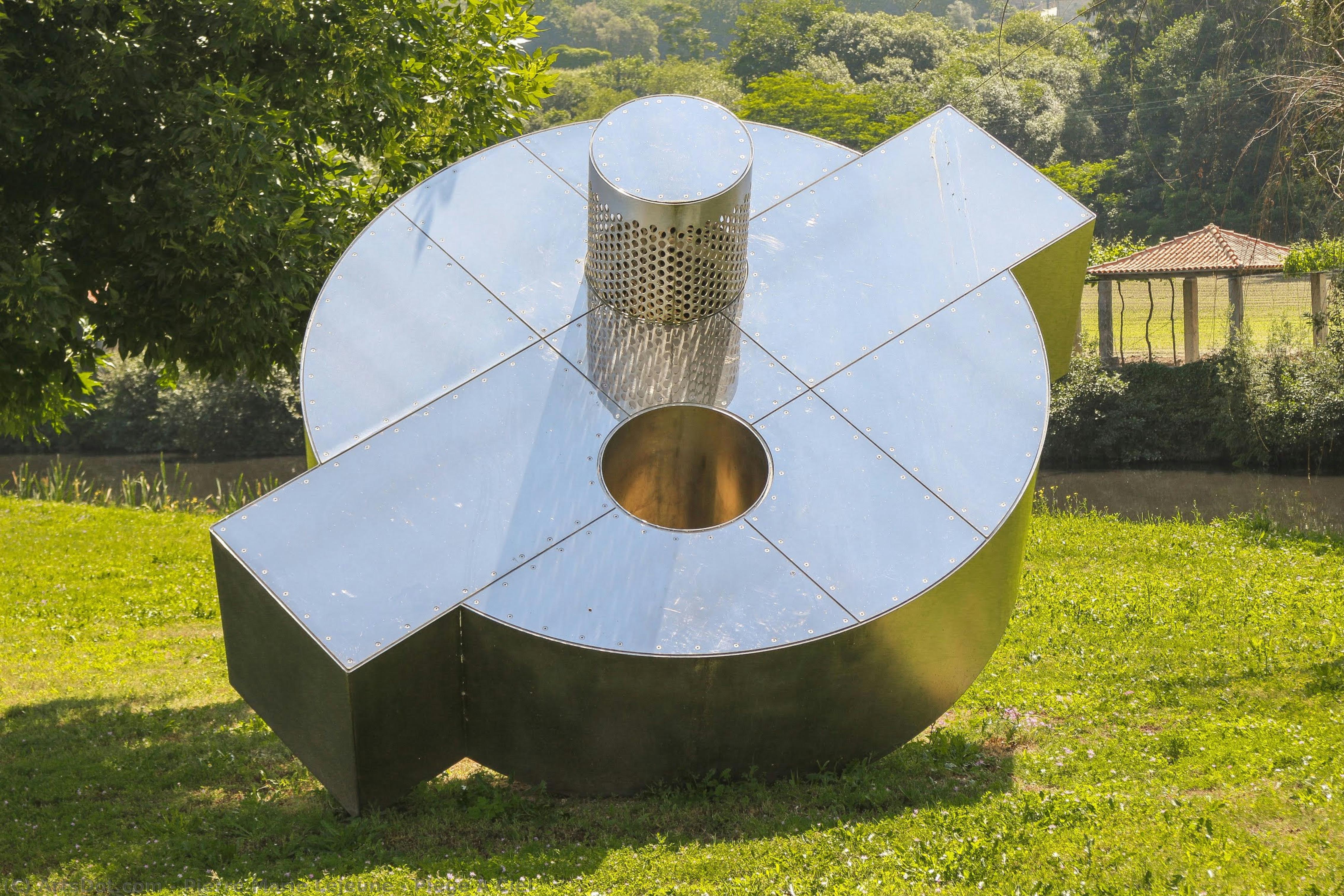
Piège À Ciel


 Pročitaj više
Giclee štampa / Umetnički otisak
Giclée štampa ili print na platnu muzejskog kvaliteta uz brzu proizvodnju i fleksibilne opcije završne obrade. ( Kupi ručno naslikanu sliku Kupi digitalnu sliku)




































Izaberite jednu od naših unapred definisanih veličina koje odgovaraju originalnim proporcijama umetničkog dela.

Možete uneti sopstvene dimenzije kako biste umetničko delo prilagodili specifičnom okviru ili prostoru. Ako odabrani format ne odgovara proporcijama originalne slike, mi ćemo ili iscrtati deo dela ili proširiti sliku pomoću ogledane ivice ili jednobojnog popunjavanja. Digitalni prikaz će vam biti poslat na odobrenje pre početka proizvodnje.
Imajte na umu da pregled na ekranu ne odražava stvarno iscrtavanje ili proširivanje. Samo će prikaz (mockup) precizno pokazati finalnu kompoziciju.
Iako su prilagođene dimenzije dostupne, preporučujemo da odaberete dimenziju sa unapred definisane liste kako biste očuvali originalne proporcije.
Dostava širom sveta () za 2 nedelje umesto uobičajenih 4/5 nedelja. (7 септембар)

Besplatna ekspresna dostava širom sveta

Visokokvalitetno laneno platno

Kompletno osiguranje transporta

Garancija povraćaja carine i uvoznih dažbina

Garancija vernosti boja

Politika povraćaja u roku od 100 dana (isključivo u slučaju nedostataka)

Garancija povrata novca od 100%

Popust pri grupnoj kupovini
 Opcija sa staklom dostupna je samo za dimenzije manje od 110 cm

Piège À Ciel
Giclee štampa / Umetnički otisak
Dimenzije reprodukcije
-


Konačna cena
$ 62
A Symphony of Steel and Sky
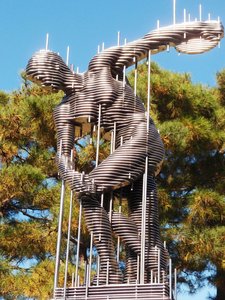
In the serene landscape of São Mamede De Infesta, Portugal, stands a testament to the profound dialogue between industrial strength and ethereal lightness. Piège À Ciel, a masterwork by the French sculptor Pierre Marie Lejeune, is far more than a mere arrangement of metal; it is an architectural poem designed to capture the very essence of the heavens. Created in 2015, this monumental sculpture serves as a sophisticated "sky trap," inviting the gaze to wander through its complex geometric intersections. The piece presents a captivating interplay of smooth, polished surfaces and intricate perforated sections, creating a rhythmic dance of light and shadow that shifts with the passing hours of the day.
The sculpture’s form is a brilliant study in abstraction, where the rigid boundaries of steel are softened by an organic sensibility. At its heart, a central cylindrical element rises with steadfast grace, acting as an anchor for the surrounding angular planes. These intersecting surfaces, varying from deep, somber tones to luminous highlights, evoke the silhouette of a stylized botanical form or perhaps a fragmented human figure emerging from the earth. As light filters through the metallic perforations, it creates a dappled effect reminiscent of sunlight streaming through a forest canopy, seamlessly integrating the man-made structure with the lush greenery and tranquil garden setting that surrounds it.
The Art of Light and Urban Echoes
To understand Piège À Ciel, one must understand the artistic soul of Pierre Marie Lejeune. Born in Paris, Lejeune has dedicated his career to investigating how sculpture can engage with the fabric of our environments. His mastery lies in his ability to manipulate materials like steel and glass—elements often perceived as cold or unyielding—to capture and reflect the fleeting beauty of light and water. In this particular work, the artist utilizes the reflective properties of metal to create a sense of transparency, making the heavy sculpture feel almost weightless, as if it were breathing in unison with the atmosphere.
For the discerning collector or interior designer, this piece offers an unparalleled opportunity to introduce a sense of structural elegance and contemplative depth into a space. Whether envisioned as a centerpiece in a contemporary garden or as a conceptual focal point in a high-end architectural installation, the sculpture’s ability to transform its surroundings is profound. It does not merely occupy space; it redefines it. The emotional impact of the work lies in this very transformation—the way it pulls the vastness of the sky down to earth, grounding the viewer while simultaneously lifting their spirit toward the infinite.
Owning a high-quality reproduction of such a significant contemporary work allows for the infusion of Lejeune’s sophisticated aesthetic into private collections and curated interiors. It brings with it the quiet power of the French sculptural tradition and the innovative spirit of modern abstraction, providing a constant source of inspiration and a window into the harmonious relationship between humanity, art, and the natural world.
Srodna umetnička dela
Biografija umetnika
Pierre Marie Lejeune: Sculpting the Urban Echo
Born in Paris in 1954, Pierre Marie Lejeune’s artistic journey is one of deliberate exploration – a patient investigation into the relationship between form, light, and the very fabric of our urban environments. His work isn't merely about creating sculptures; it’s about engaging with space itself, inviting viewers to become part of an intricate dialogue between the artwork and its surroundings. Lejeune’s career has been marked by a consistent commitment to materials – primarily steel and glass – that possess inherent reflective qualities, allowing him to capture and manipulate light in ways that are both visually arresting and conceptually profound.
Lejeune's early life instilled within him a deep appreciation for design and craftsmanship. His formative years were punctuated by the prestigious Villa Médicis Hors les Murs scholarship, a pivotal moment that provided him with invaluable resources and exposure to a network of influential artists and curators. This experience solidified his artistic vision and established him as a significant voice in contemporary sculpture. It was during this period that he began to develop his signature style – monumental works often integrated seamlessly into the urban landscape, transforming familiar spaces into contemplative environments.
The Language of Reflection
At the heart of Lejeune’s artistic practice lies a fascination with light and its interaction with reflective surfaces. He meticulously chooses materials—polished steel, shimmering glass—that act as mirrors, not just reflecting the external world but also subtly altering our perception of ourselves within it. This isn't simply about creating beautiful images; it’s about prompting introspection. As he himself describes, his sculptures are “a poetic writing that appeals to other fields of perception instead of the rational field which is related to vocabulary, etymology and language.”
His technique is characterized by a deliberate restraint. Lejeune avoids excessive ornamentation or embellishment, preferring to allow the inherent qualities of the materials – their texture, color, and reflective properties – to speak for themselves. He approaches his work with a sculptor’s sensitivity, carefully considering how each element contributes to the overall harmony and balance of the piece. This understated approach belies a profound understanding of composition and spatial relationships.
Notable Works: Echoes in Steel and Glass
Among Lejeune's most celebrated creations is *Piège à Ciel* (Cage of Sky), located at the ISCAP – Porto Accounting and Business School in São Mamede de Infesta, Portugal. This monumental steel sculpture, frequently featured on platforms like ArtsDot, exemplifies his signature style—a harmonious blend of industrial materials and natural light. The sculpture’s reflective surfaces create an illusion of depth, blurring the boundaries between interior and exterior space, and inviting viewers to contemplate their place within the urban environment.
Beyond *Piège à Ciel*, Lejeune's work has been exhibited extensively across Europe and beyond. His sculptures have graced the halls of prestigious institutions such as the Seoul Art Center in South Korea and the Suzhou Center in China, demonstrating a global recognition of his innovative approach to sculpture. His commitment to public art is evident in numerous installations within urban spaces, transforming familiar locations into moments of quiet contemplation.
A Sculptor’s Alphabet
Lejeune often refers to his sculptures as forming an “imaginary alphabet,” a collection of shapes and forms that transcend the limitations of traditional language. He describes them not as letters meant to be combined, but as poetic expressions designed to engage with perception beyond the purely rational. This concept is beautifully illustrated in works like *Chaise Zazou*, a design piece from 1990, which continues to inspire and influence his practice.
His work has been recognized by institutions such as Galerie Messine and Galerie La Patinoire Royale Bach, highlighting his continued relevance within the contemporary art world. The artist’s dedication to exploring the interplay of light, material, and space ensures that Pierre Marie Lejeune remains a vital voice in shaping our understanding of sculpture's potential.
Discovering the Artist
For further information about Pierre Marie Lejeune and to view more of his captivating works, including *Piège à Ciel*, please visit ArtsDot. You can also explore his official website at https://pierremarielejeune.com/.
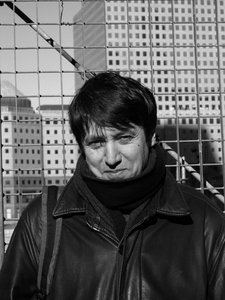
Pierre Marie Lejeune
1954 - , France
Osnovne informacije
- Artistic Movement Or Style: Monumental sculpture
- Date Of Birth: 1954
- Full Name: Pierre Marie Lejeune
- Nationality: French
- Notable Artworks:
- Piège à ciel
- Chaise Zazou
- Place Of Birth: Paris, France
Povezani članci

Top 10 dela geometrijske apstrakcije koje morate videti | ArtsDot.com
Istražite 10 remek-dela geometrijske apstrakcije – Mondrian, Malevič i Kandinski. Otkrijte priče iza ovih ikoničnih slika i pronađite inspiraciju za dekoraciju enterijera sa ArtsDot.com! Reprodukcije vrhunskog kvaliteta.
Fernand Léger: 25 Remek-dela Modernog Umetnika za Vaš Dom | ArtsDot
Istražite 25 remek-dela Fernanda Légera, pionira modernog umetništva i kubizma. Otkrijte priče iza njegovih ikoničnih slika, boje i tehniku. Reprodukcije vrhunskog kvaliteta za luksuzni dekor enterijera na ArtsDot.com.

Kandinsky's Masterpieces: 25 Paintings That Define Abstract Art | ArtsDot
Journey through Wassily Kandinsky's 25 most iconic abstract paintings. Explore his revolutionary use of color, form & spiritual expressionism. Find museum-quality Kandinsky reproductions and elevate your home decor with ArtsDot.com. Discover all masterpieces on ArtsDot.com!

Bronze Sculptures That Defined Art History | ArtsDot
Journey through art history with our Top 10 bronze sculptures! Explore masterpieces by Rodin, Michelangelo & more. Discover stories behind iconic statues and find museum-quality reproductions for your home decor at ArtsDot.com.
Beyond Form & Color: Geometric Abstraction's Evolution in 20th/21st Century Art
Explore the evolution of geometric abstraction from Cubism to contemporary art. Discover key artists like Malevich & Mondrian, investment insights, and expert collecting advice at ArtsDot.