 Pregledaj u prostoru
 Pošalji
 Podeli
 Detalji o delu

 Преузми
 Slični predmeti
 Rendgenski snimak
 Slajdovi
 Stats
StatsMassacre of the Innocents
 Ulje na panelu
- Umetnost za zidove
- Северна ренесанса
 1566
1566- Renesansa
 109.0 x 158.0 cm
 Kunsthistorisches Museum
 Pročitaj više
Ručno rađena uljana reprodukcija
Ručno oslikano uljanim bojama na platnu u dimenzijama i okviru po vašem izboru, izrađeno po porudžbini od strane naših umetnika. ( Switch to Print Switch to Digital Image)




P118B $10

P118H $10

P118W $10

P438Z $10

P508JH $12

P508YH $12

P805H $10

P805Z $10

P919BZ $10

P919G $10

P919XJ $10

P959ZH $10

P968JZ $12

W106C $8

W218G $10

W218JH $8

W218Y $10

W307PJ $10

W316G $10

W316PJ $8

W316Y $10

W398PJ $8

W4111J $10

W500HY $15

W500JH $15

W692G $12

W849H $8

W940BG $15

W953PJ $8




Izaberite jednu od naših unapred definisanih veličina koje odgovaraju originalnim proporcijama umetničkog dela.

Можете унети сопствене димензије како бисте прилагодили дело одређеном оквиру или простору. Ако одабрана величина не одговара пропорцијама оригинала, слика ће бити исечена или проширена додатним елементима који се ручно насликавају. Дигитални prikaz ће вам бити послат на одобрење пре почетка производње.
Имајте на уму да преглед на екрану не одражава стварно исецање или проширење. Само приказ (mockup) ће тачно приказати коначну композицију.
Иако су доступне прилагођене величине, препоручујемо да одаберете димензију из дефинисане листе како бисте сачували оригиналне пропорције.
Nakon narudžbine, tim ArtsDot.com će klijentu putem e-pošte poslati uputstva i dostaviti prikaz predloženog rešenja
Isporuka širom sveta () za 3/4 nedelje umesto uobičajenih 5 nedelja. (8 септембар). Bez kompromisa po pitanju kvaliteta.

Besplatna ekspresna dostava širom sveta

Visokokvalitetno laneno platno

Kompletno osiguranje transporta

Garancija povraćaja carine i uvoznih dažbina

Garancija vernosti boja

Politika povraćaja u roku od 100 dana (isključivo u slučaju nedostataka)

Garancija povrata novca od 100%

Popust pri grupnoj kupovini
 Opcija sa staklom dostupna je samo za dimenzije manje od 110 cm

Massacre of the Innocents
Tehnika reprodukcije
Dimenzije reprodukcije
-


Konačna cena
$ 263
Simfonija haosa i tuge
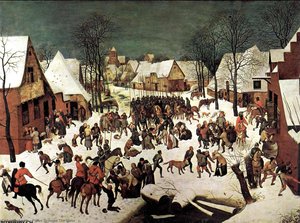
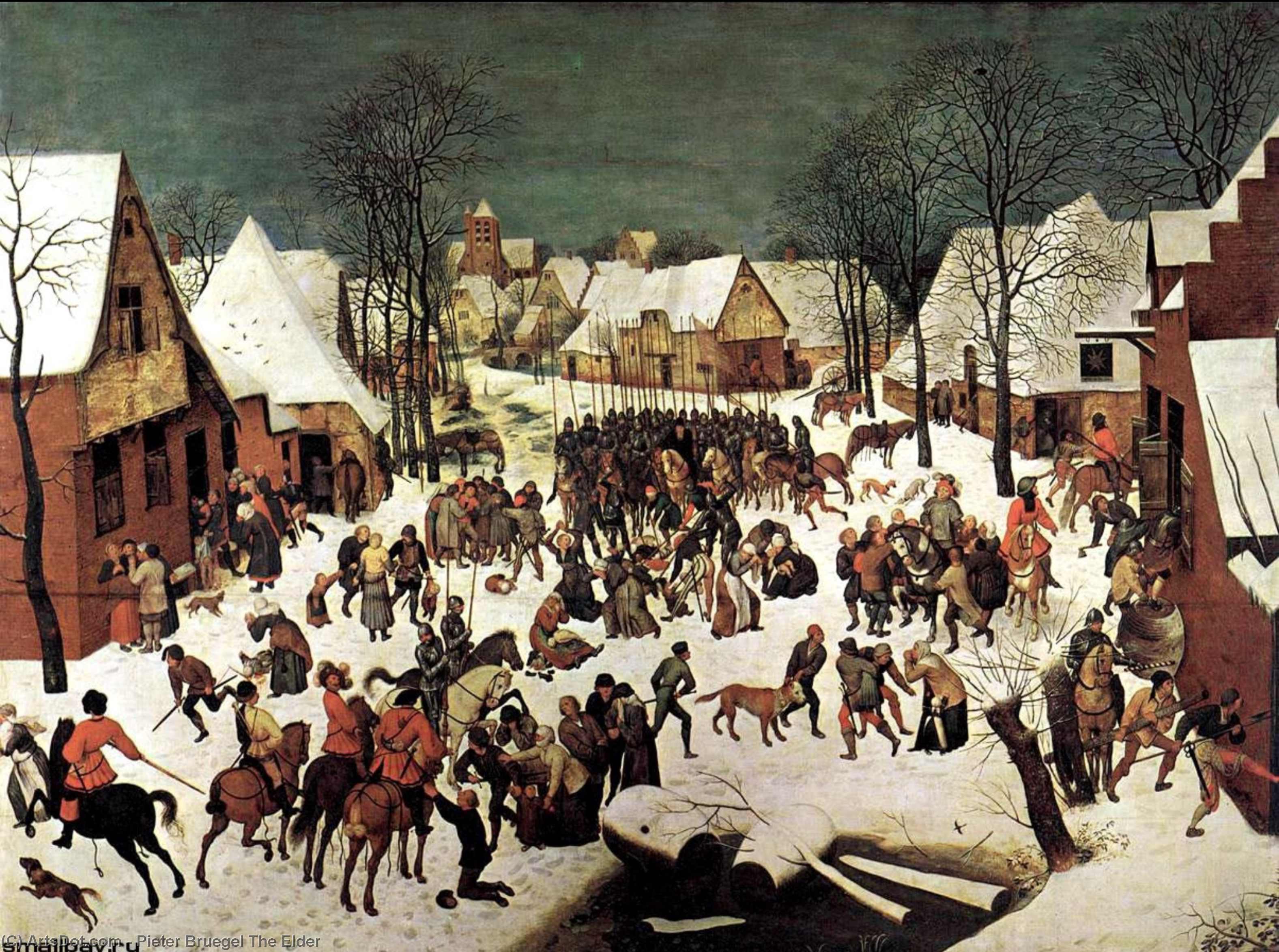
U annalsima umetnosti severne renesanse, malo je dela koje poseduje tako visceralnu, jezivu moć kao Krvoproliće nevinih Pitera Bruegela Starijeg. Završeno 1566. godine, ovo monumentalno remek-delo prevazilazi granice obične biblijske ilustracije kako bi postalo proganjajuća meditacija o krhkosti života i kapacitetu ljudske okrutnosti. Slika prenosi jezivi dekret kralja Heroda, koji je naredio pogubljenje svih muške novorođenčadi u Betleemu kako bi sprečio uspon Isusa Hrista. Ipak, Bruegel ne prikazuje ovu tragediju kroz prizmu udaljene pobožnosti; umesto toga, on uvlači posmatrača u samo srce pokola, gde vazduh deluje zagušljivo od dima zapaljenih domova i vrisaka ožalošćenih.
Kompozicija je majstorski prikaz kontrolisanog nereda. Umesto da se pridržava spokojnih, uravnoteženih struktura koje su favorizali njegovi italijanski savremenici, Bruegel koristi haotičan, spiralni raspored figura koji odražava psihološki nemir samog događaja. Oko je neumoljivo vučeno kroz pejzaž nasilja—od frenetičnog pokreta vojnika i konja do očajničkih borbi majki i seljana. U epicentru ove vrtlog stoji duboka, srceparajuća tišina: beba napuštena na hladnoj zemlji, služeći kao nemo, razornog simbol nevinosti koju je zgazio mehanizam moći.
Tehničko umeće i atmosferska dubina
Bruegelova tehnička virtuoznost očigledna je u njegovoj sposobnosti da spoji pedantni detalj sa prostranom, atmosferskom veličanstvenosti. Koristeći ulje na panelu, umetnik je postigao izuzetnu luminoznost koja oživljava čak i najmračnije aspekte scene. Njegova upotreba čiaroscure—dramatičnog interakcije svetlosti i senke—ovde je posebno upečatljiva; oštra, probadajuća svetlost probija tminu kako bi istakla trenutke intenzivne agonije, dok duboke senke gutaju periferiju, sugerišući svet prožet mrakom. Ovaj kontrast radi više od stvaranja dubine; on pojačava emocionalni ulog, primoravajući posmatrača da se suoči sa oštrim ivicama konflikta.
Upečatljiv umetnikov stil—spoj nepokolebljivog realizma i simboličke preuveličavanja—prikazan je u punom sjaju. On hvata teksture smrznutog zimskog pejzaža sa takvom preciznošću da se gotovo može osetiti ujed mraza i videti smrzavice koje se kače po krovovima. Ovaj detalj okruženja nije samo dekorativan; postavljanjem ove biblijske atročnosti u savremeni, prepoznatljiv brabantski ambijent, Bruegel premošćuje jaz između drevnog pisma i sopstvene turbulentne ere. Vojnici nose karakterističnu odeću lokalnih zvaničnika, sugerišući da su užasi prošlosti uvek prisutni u političkim prevratima sadašnjosti.
Trajno nasleđe za izdanog kolekcionara
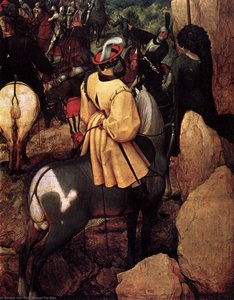
Za ljubitelje umetnosti ili enterijeriste, reprodukcija ovog obima nudi više od same vizuelne zanimljivosti; ona pruža duboku intelektualnu i emocionalnu sidrenu za bilo koji prostor. Slojevita značenja ove slike—rastežući se od religiozne dogme do društvene komentare o prirodi tiranije—osiguravaju da ona ostane predmet beskrajnog promišljanja. To je delo koje zahteva pažnju, pozivajući posmatrače da pažljivije pogledaju suptilne detalje: napetost u vojnikovom stisku, paničnu pozu konja ili tihu tragediju odbačenog predmeta usred pustoši.
Vlasništvo nad visokokvalitetnom reprodukcijom tako značajnog dela omogućava kreiranje okruženja bogatog dubinom i istorijskim značajem. Bilo da je postavljena u privatnu galeriju, sofisticiranu radnu sobu ili raskošan dnevni boravak, Krvoproliće nevinih služi kao moćan dokaz neukrotivog ljudskog duha i transformativne moći umetnosti. To je delo koje ne ukrašava samo zid, već obogaćuje samu dušu prostorije, nudeći prozor u jedan od najdubljih trenutaka u istoriji zapadne slikarstva.
Srodna umetnička dela
Biografija umetnika
Pieter Bruegel the Elder (c. 1525-1569): Renaissance Master of Landscapes & Peasant Life
Pieter Bruegel the Elder emerged during a period of profound change, a time when the artistic landscape of Europe was shifting from the High Renaissance ideals of Italy towards the burgeoning complexities of Northern European expression. Born sometime between 1525 and 1530, likely in Breda – though details surrounding his early life remain somewhat elusive – Bruegel’s formative years unfolded amidst religious upheaval and a flourishing merchant culture. He began his artistic journey around 1545 as an apprentice to Pieter Coecke van Aelst, a respected Antwerp painter known for both his artistry and his designs for tapestries. This apprenticeship provided Bruegel with a solid grounding in the technical skills of oil painting and drawing, but perhaps more importantly, it exposed him to the humanist currents that were beginning to permeate intellectual circles. Van Aelst’s workshop was not merely a place of artistic instruction; it was a crucible where traditional techniques met new ideas, shaping Bruegel's future vision.Early Influences & Artistic Training
Bruegel’s initial artistic training took place under the tutelage of Pieter Coecke van Aelst, a figure who embodied the spirit of Antwerp’s artistic dynamism during this transitional era. Van Aelst’s workshop wasn’t simply focused on mastering painting; it fostered an environment where artists wrestled with emerging humanist philosophies and experimented with innovative compositional strategies. This exposure to humanist thought – particularly the emphasis on observation and rational analysis – would profoundly influence Bruegel's subsequent artistic endeavors. Furthermore, he honed his skills in drawing and etching, disciplines that complemented his painting practice and broadened his artistic repertoire. The Antwerp Guild of Saint Luke recognized Bruegel’s talent early on, granting him admittance as a free master in 1553 – a pivotal moment signifying his professional independence and establishing him as a respected artist within the city's thriving artistic community.Travels & Transformation: Exploring Diverse Cultures
Following his apprenticeship, Bruegel embarked on extensive travels that would irrevocably shape his artistic worldview. Between 1551 and 1553, he ventured into France, Switzerland, and Italy – journeys undertaken not merely for pleasure but as expeditions of intellectual and sensory exploration. These explorations yielded invaluable insights into the artistic traditions of other European nations, particularly Italy, where he encountered the monumental works of Leonardo da Vinci and Michelangelo. However, Bruegel’s artistic temperament remained distinctly Northern European; he didn't simply emulate Italian styles but rather absorbed their influence while retaining his own unique sensibility. The Alps captivated him with their dramatic grandeur, informing the compositional structure and atmospheric perspective found in many of his later landscapes. He meticulously documented these vistas, capturing both their beauty and their inherent complexity—a characteristic that would define his artistic legacy.A Revolutionary Vision: Landscapes Beyond Imitation
What distinguished Bruegel from his contemporaries was his audacious departure from prevailing artistic conventions. While Renaissance painters often idealized nature – striving to represent it in an aesthetically pleasing manner – Bruegel confronted it head-on, portraying it with unflinching realism and a keen awareness of its inherent contradictions. He rejected the notion that art should merely reflect beauty; instead, he sought to illuminate truth—often uncomfortable truths—about human existence and the natural world. His landscapes weren’t simply decorative backgrounds; they were active participants in the narrative, imbued with symbolic meaning and reflecting a deep understanding of nature's power and vulnerability. Consider Landscape with the Flight into Egypt: Bruegel doesn’t depict the biblical scene as a serene pilgrimage but rather presents it as a perilous journey through wintry terrain—a subtle commentary on the challenges faced by pilgrims throughout history.Iconic Masterpieces & Enduring Influence
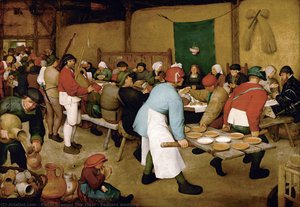
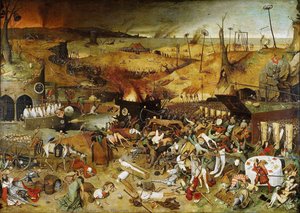
Bruegel's artistic output produced some of the most recognizable and influential images of the sixteenth century. Paintings like The Triumph of Death – a terrifying depiction of mortality populated by grotesque figures—and Peasant Wedding – a vibrant celebration of rural life brimming with detail and humor—remain enduring symbols of Northern Renaissance art. These works stand apart from many of their contemporaries due to Bruegel’s masterful use of chiaroscuro—the dramatic interplay of light and shadow—which lends depth, realism, and emotional resonance to his compositions. His scenes weren't necessarily didactic; they were honest observations, capturing both the joys and sorrows inherent in human experience. Furthermore, Bruegel’s influence extended far beyond painting, inspiring artists across disciplines – including printmakers and filmmakers – who sought to capture the spirit of his time. He cemented his place as one of the foremost figures in art history—a testament to his unwavering commitment to artistic innovation and his profound understanding of the human condition.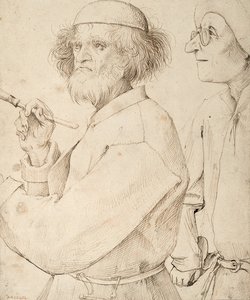
Пијетр Бругел Старији
1525 - 1569 , Није спецификовано
Osnovne informacije
- Artistic Movement Or Style: Renaissance painting
- Artists Who Influenced This Artist: ['Hieronymus Bosch']
- Date Of Birth: c. 1525
- Date Of Death: 1569
- Full Name: Pieter Bruegel the Elder
- Nationality: Flemish
- Notable Artworks:
- Landscape with the Flight into Egypt
- The Triumph of Death
- Peasant Wedding
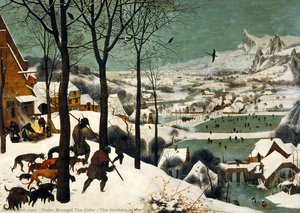
- Hunters in the Snow
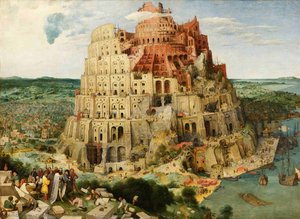
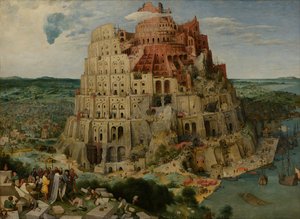
- The Tower of Babel
- Place Of Birth: Breda, Netherlands
Povezani članci
Francis Bacon: 25 Remek-dela Ikoničnog Ekspresioniste | Reprodukcije i Inspiracija za Dom
Istražite 25 remek-dela Francis Bacon-a – ikona ekspresionizma. Otkrijte priče iza njegovih snažnih portreta, triptiha i tamne palete boja. Reprodukcije slika vrhunskog kvaliteta za vaš dom na ArtsDot.com!
Glavna dela Severne Renesanse: 10 remek-dela koja su obeležila epohu (i vaš dom)
Otkrijte 10 remek dela Severne Renesanse koja su obeležila epohu! Jan van Eyck, Dürer i Bruegel – istražite priče iza ovih umetničkih majstorstava. Inspiracija za vaš dom i vrhunske reprodukcije na ArtsDot.com!
Albrecht Altdorfer: Innovation, Spirituality & the Northern Renaissance Landscape
Explore the groundbreaking art of Albrecht Altdorfer, a pioneer of the Northern Renaissance's Danube School. Discover his innovative landscapes, spiritual symbolism & lasting influence on German painting.
The Northern Awakening: Artistic Innovation & Cultural Transformation in the German Renaissance
Explore the artistic innovation of the German Renaissance! Discover Dürer, the Danube School & Reformation art. Learn about techniques, materials & lasting influence. Find museum-quality reproductions at ArtsDot.
The Northern Renaissance: A Flourishing of Realism, Religious Reform & Artistic Innovation
Explore the Northern Renaissance! Discover Jan van Eyck's innovations, religious shifts, & key artists of this influential period. Expert analysis and insights into Early Netherlandish painting at ArtsDot.