 Pregledaj u prostoru
 Pošalji
 Podeli
 Detalji o delu

 Преузми
 Slični predmeti
 Rendgenski snimak
 Slajdovi
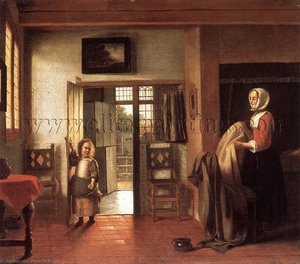
ARRIERE COUR D'UNE MAISON HOLLANDAISE


 Pročitaj više
Ručno rađena uljana reprodukcija
Ručno oslikano uljanim bojama na platnu u dimenzijama i okviru po vašem izboru, izrađeno po porudžbini od strane naših umetnika. ( Kupi print Kupi digitalnu sliku)




P118B $10

P118H $10

P118W $10

P438Z $10

P508JH $12

P508YH $12

P805H $10

P805Z $10

P919BZ $10

P919G $10

P919XJ $10

P959ZH $10

P968JZ $12

W106C $8

W218G $10

W218JH $8

W218Y $10

W307PJ $10

W316G $10

W316PJ $8

W316Y $10

W398PJ $8

W4111J $10

W500HY $15

W500JH $15

W692G $12

W849H $8

W940BG $15

W953PJ $8




Izaberite jednu od naših unapred definisanih veličina koje odgovaraju originalnim proporcijama umetničkog dela.

Можете унети сопствене димензије како бисте прилагодили дело одређеном оквиру или простору. Ако одабрана величина не одговара пропорцијама оригинала, слика ће бити исечена или проширена додатним елементима који се ручно насликавају. Дигитални prikaz ће вам бити послат на одобрење пре почетка производње.
Имајте на уму да преглед на екрану не одражава стварно исецање или проширење. Само приказ (mockup) ће тачно приказати коначну композицију.
Иако су доступне прилагођене величине, препоручујемо да одаберете димензију из дефинисане листе како бисте сачували оригиналне пропорције.
Nakon narudžbine, tim ArtsDot.com će klijentu putem e-pošte poslati uputstva i dostaviti prikaz predloženog rešenja
Isporuka širom sveta () za 3/4 nedelje umesto uobičajenih 5 nedelja. (25 август). Bez kompromisa po pitanju kvaliteta.

Besplatna ekspresna dostava širom sveta

Visokokvalitetno laneno platno

Kompletno osiguranje transporta

Garancija povraćaja carine i uvoznih dažbina

Garancija vernosti boja

Politika povrata u roku od 60 dana (samo u slučaju nedostataka)

Garancija povrata novca od 100%

Popust pri grupnoj kupovini
 Opcija sa staklom dostupna je samo za dimenzije manje od 110 cm

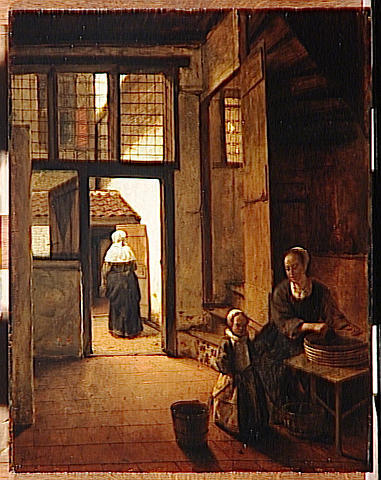
ARRIERE COUR D'UNE MAISON HOLLANDAISE
Tehnika reprodukcije
Dimenzije reprodukcije
-


Konačna cena
$ 288
Opis umetničkog dela
A Quiet Dutch Moment: De Hooch’s “Arrière Cour d’Une Maison Hollandaise”
Pieter de Hooch's "Arrière Cour d’Une Maison Hollandaise" (Backyard of a House in the Netherlands) isn’t merely a depiction of domestic tranquility; it’s a masterful distillation of the Dutch Golden Age’s fascination with everyday life, light, and the subtle poetry of the ordinary. Painted around 1658, this intimate scene transports us to a sun-drenched courtyard, a haven of quietude nestled within a bustling city. De Hooch, a contemporary of Vermeer, shared their commitment to capturing the nuances of interior space and the delicate interplay of light and shadow, yet his approach leaned towards a more restrained palette and a focus on the subtle dramas unfolding within seemingly simple moments. The painting’s enduring appeal lies in its ability to evoke a profound sense of peace—a feeling that resonates deeply with viewers even centuries later.Composition and Technique: A Study in Perspective
The composition of “Arrière Cour d’Une Maison Hollandaise” is meticulously crafted, employing a central perspective that draws the eye irresistibly towards the open doorway at the painting's center. This portal acts as a visual anchor, leading us into an imagined space beyond, while the figures positioned on either side—a woman tending to household tasks and another standing near the entrance—establish a balanced yet subtly dynamic arrangement. De Hooch’s skill is evident in his use of strong vertical lines created by the walls and doorframe, providing structural stability to the scene, contrasted with horizontal lines defining the floorboards and window sills. These linear elements are rendered with remarkable softness, avoiding any harshness and contributing significantly to the painting's overall tranquil atmosphere. The artist’s meticulous technique is further revealed through his skillful rendering of textures – the rough stone walls juxtaposed against the smoother appearance of the clothing, and the aged wooden floorboards hinting at a rich history. Glazes are likely employed to achieve depth and luminosity in the colors, adding richness and complexity to the scene.Light, Color, and Symbolism
The painting’s color palette is predominantly muted and earthy—ochres, browns, blues, and greys—creating a sense of subdued elegance. The strategic use of light is particularly noteworthy; it streams in from the open doorway, illuminating the courtyard beyond and casting soft shadows within the backyard. This contrast between brightness and darkness not only enhances the depth and realism of the scene but also subtly underscores the painting’s symbolic weight. The woman engaged in her tasks represents domesticity and responsibility, while the figure near the doorway suggests a connection to the outside world—a transition between the private sphere of the home and the public realm. The discarded broom, a small detail, carries a potent message: a symbol of orderliness and cleanliness, reflecting an ideal of well-maintained households prevalent in 17th-century Dutch society. The tablet behind the archway, with its enigmatic inscription about patience and meekness, adds another layer of intrigue, hinting at deeper philosophical themes.Historical Context and Artistic Style
“Arrière Cour d’Une Maison Hollandaise” is a quintessential example of the Dutch Golden Age style—a period marked by unprecedented prosperity, artistic innovation, and a burgeoning interest in capturing everyday life. De Hooch's work aligns with genre painting, focusing on accurate depictions of domestic scenes and reflecting the values and aspirations of the emerging middle class. His paintings often featured interiors and outdoor spaces, offering glimpses into the lives of ordinary people. The influence of earlier masters like Hendrik Sorgh is apparent in his compositions, but De Hooch developed a unique style characterized by its atmospheric quality, subtle details, and masterful use of light. This painting exemplifies the Dutch fascination with capturing fleeting moments of domestic tranquility—a testament to their appreciation for beauty found in the simplest aspects of life. It’s a window into a world where quiet contemplation and understated elegance were highly valued.A Timeless Masterpiece: Reproduction Possibilities
ArtsDot offers exceptional, hand-painted reproductions of Pieter de Hooch's "Arrière Cour d’Une Maison Hollandaise," meticulously crafted to capture the original painting’s atmosphere and detail. Our skilled artists utilize traditional oil painting techniques and archival-quality materials to create a faithful representation that will grace any interior space with timeless beauty. Whether you seek an authentic work of art for your home or office, or are interested in incorporating this iconic Dutch masterpiece into your collection, ArtsDot provides the perfect opportunity to own a stunning reproduction of this remarkable painting.Srodna umetnička dela

Biografija umetnika
rani život i umetničko obrazovanje
Pieter de Hooch, istaknuta figura holandskog zlatnog doba, rođen je 20. decembra 1629. godine u Roterdamu, u Holandiji. Bio je najstariji od petoro dece Hendrika Hendricksza de Hoocha, zidarа, i Anetge Pieters, koja je bila pratilja pri porođaju. Iako su detalji o njegovom ranom životu retki, veruje se da je stvarao u Rotterdamu, Delftu i Amsterdamu. Njegovo umetničko obrazovanje odvijalo se u Haarlemu pod mentorstvom pejzažnog slikara Nicolaesa Berchema, zajedno sa Jacobom Ochterveltom. Upravo je ovaj period postavio temelje za njegov budući uspeh kao majstora tihih, porodičnih scena koje krase otvorena vrata i prolazi.umetnički stil i teme
De Hoochovo delo prepoznatljivo je po neverovatnoj pažnji posvećenoj detaljima, naturalizmu i virtuoznom korišćenju svetlosti. Njegova slika često su prikazivala svakodnevni život, odražavajući vrednosti i težnje tadašnje uspensvene srednje klase. Izuzetan primer ovog stila je "Dvorište kuće u Delftu" (1658), koje svedoči o njegovoj sposobnosti da uhvati najobičnije detalje svakodnevice. Iako njegovo delo deli teme i kompozicije sa radom umetnika kao što je Emanuel de Witte, fokus na ljude i njihove međusobne odnose izdvaja ga od ostalih. To je jasno vidljivo u delima kao što su "Žena koja doji" (1658) i "Žena sa bebom u krilu" (1658), koja demonstriraju njegov duboki interes za intimne, kućne prizore.značajna dela i nasleđe
Njegov umetnički trag ostao je zabeležen kroz neka od najupečatljivijih dela koja uključuju:- "Vesele piće" (oko 1650.)
- "Igrači karata u sunčano osvetljenoj sobi" (1658)
- "Žena koja priprema hleb i puter za dečaka" (1661)
muzeji i kolekcije
Dela ovog majstora mogu se pronaći u brojnim svetskim muzejima, uključujući Koninklijk Museum voor Schone Kunsten u Antverpenu, Belgija, koji čuva ogromnu kolekciju evropske umetnosti od 15. do 20. veka. Otkrijte više o Pieteru de Hoochu i njegovim delima na ArtsDot: [https://ArtsDot.com/@/pieter-de-hooch](https://ArtsDot.com/@/pieter-de-hooch) /sr/art/show/art-d3b4kt-sr/ (istražite remek-dela iz Koninklijk Museum voor Schone Kunsten, Belgija)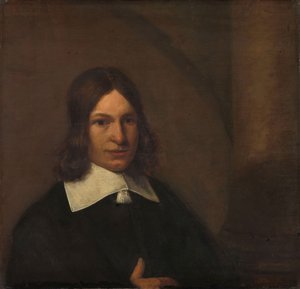
Питер Де Хух
1629 - 1694 , Србија
Osnovne informacije
- Artistic Movement Or Style: Делфтска школа
- Artists Or Movements Influenced By This Artist: ['Јан Вермер']
- Artists Who Influenced This Artist: ['Николас Беркем']
- Date Of Birth: 20. децембар 1629.
- Date Of Death: 1694.
- Full Name: Питер Хендриксзон де Хоох
- Nationality: Холандски
- Notable Artworks:
- Весели пијач
- Карташи у соби
- Жена спрема хлеб
- Place Of Birth (City And Country): Ротердам, Холандија
Povezani članci
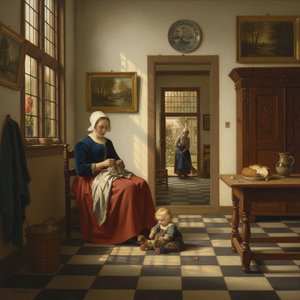
Pieter de Hooch: Illuminating Dutch Domestic Life & Golden Age Charm
Explore the captivating world of Pieter de Hooch, a master of Dutch Golden Age painting. Discover his innovative use of light, intimate domestic scenes, and lasting influence on art history. Learn more at ArtsDot.

Zlatno doba Holandske umetnosti: Top 10 remek dela za vaš dom
Otkrijte remek dela Holandskog zlatnog doba! Uronite u svet Rembrandta, Vermeera i drugih majstora. 10 ikoničnih slika koje su definisale umetnost. Inspiracija za vaš dom i kolekciju - ekskluzivne reprodukcije na ArtsDot.com!
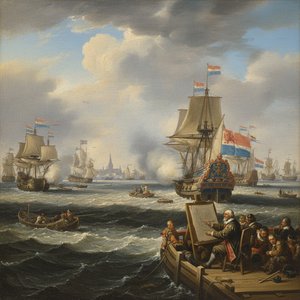
Willem van de Velde the Elder: Master of Maritime Painting & Chronicler of the Dutch Golden Age
Discover the captivating maritime paintings of Willem van de Velde the Elder, a master chronicler of the Dutch Golden Age. Explore his unparalleled realism and lasting influence on naval art history.

Golden Age Reflections: Dutch Baroque Painting & Cultural Innovation
Explore the Dutch Golden Age of painting! Discover key artists like Vermeer & ter Borch, their innovative techniques, and the rich cultural context behind these Baroque masterpieces. Learn about collecting & appreciating this iconic art period.

Illuminating Innovation: Exploring the Dutch Golden Age of Painting
Explore the Dutch Golden Age of painting with ArtsDot. Discover Rembrandt, Vermeer & other Masters. Learn about key characteristics, iconic artworks, and lasting influence. Expert insights for collectors & enthusiasts.