

 Pregledaj u prostoru
 Pošalji
 Podeli
 Detalji o delu

 Преузми
 Slični predmeti
 Rendgenski snimak
 Slajdovi
 Statistika
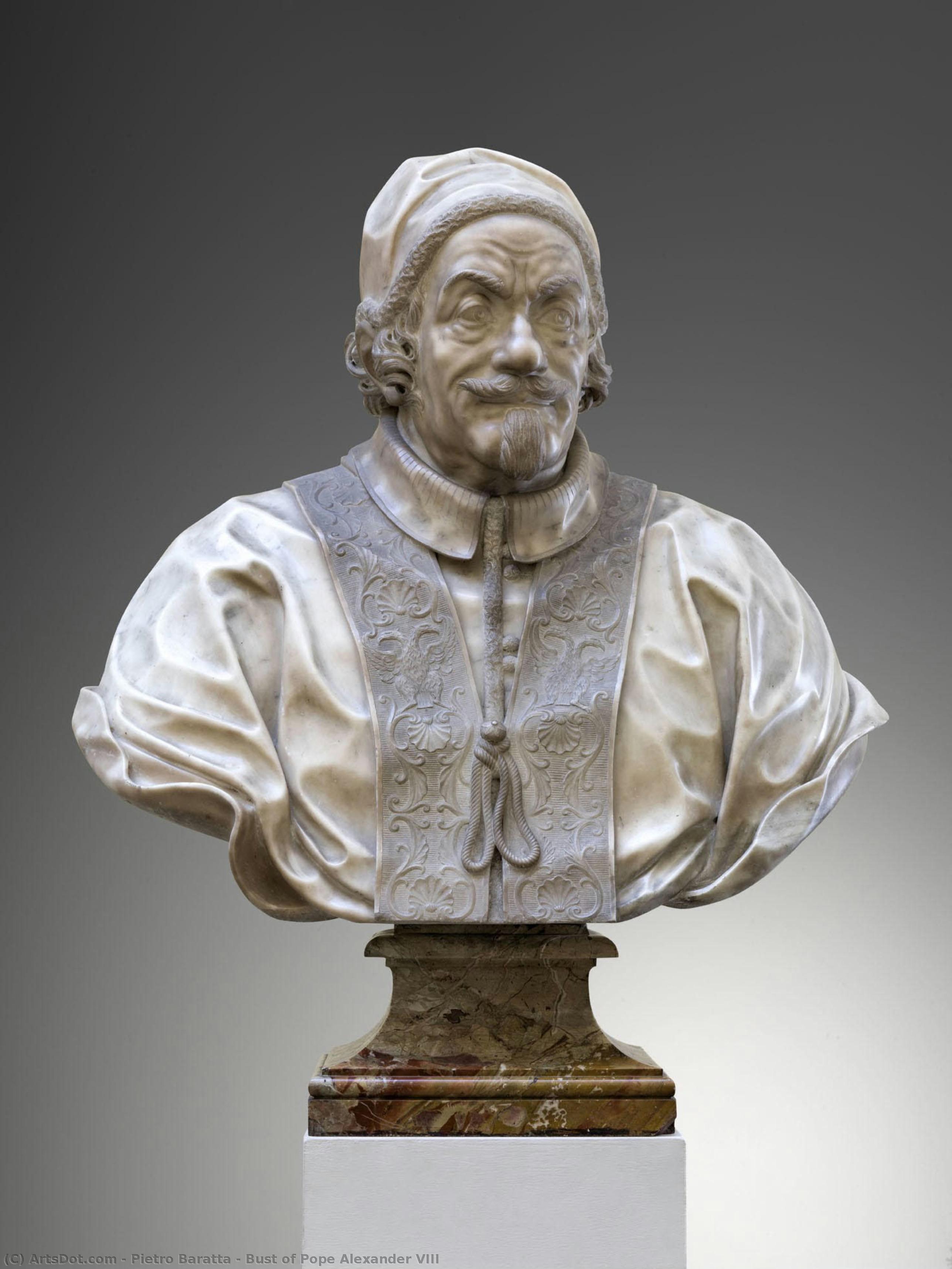
Bust of Pope Alexander VIII
 93.0 x 110.0 cm
 Biennale Internazionale dell'Antiquariato di Firenze
 Pročitaj više
Kupite digitalnu sliku visoke rezolucije i poboljšanog kvaliteta, koja je znatno superiornija od onoga što vidite u online prikazu.
Svaka datoteka je pedantno pripremljena od strane naših stručnjaka koristeći napredne alate i profesionalnu ručnu retušu. Osiguravamo da svaka slika ima izuzetnu oštrinu, preciznu reprodukciju boja i fine detalje.
Konačna datoteka se dostavlja putem e-pošte u roku od 72 sata, optimizovana za neposrednu upotrebu u profesionalnim, izdavačkim i štamparskim okruženjima. To je isti kvalitet kojem veruju vrhunski studiji dizajna, izdavači i galerije.
Digitalna slika
Preuzmite datoteku visoke rezolucije za ličnu upotrebu, štampanje i kreativne projekte. ( Pređi na štampu Kupi ručno naslikanu sliku)
Uključeno uz svaku porudžbinu digitalne slike
Profesionalna digitalna isporuka, zagarantovana
Kada odaberete ArtsDot.com, ne dobijate samo sliku – vi primate profesionalno unapređeno digitalno umetničko delo, izrađeno sa najvećom preciznošću i uz garanciju zadovoljstva. Evo svega što automatski dolazi uz vašu porudžbinu:

Brza dostava putem e-pošte
Vaša digitalna slika visoke rezolucije biće vam poslata putem e-pošte u roku od 72 sata od poručivanja – spremna za trenutnu upotrebu.

Digitalna datoteka unapređena veštačkom inteligencijom
Vaše umetničko delo je profesionalno optimizovano korišćenjem naprednih AI alata i ručne obrade, čime se osiguravaju maksimalni detalji, oštrina i preciznost boja.

Besplatna ponovna isporuka doživotno
Slučajno ste obrisali ili izgubili svoju datoteku? Ne brinite – poslaćemo vam je ponovo u bilo kom trenutku, potpuno besplatno.

Bez troškova uvoza – zauvek
Uživajte u svojim umetničkim delima trenutno, bez carine, dažbina ili troškova dostave – digitalni download je uvek bez poreza.

Garancija vernosti boja
Uz pomoć profesionalnih alata i upravljanja bojama, osiguravamo da vaša digitalna slika što vernije odražava originalne boje.

Garancija zadovoljstva od 100 dana
Ako niste zadovoljni svojom digitalnom slikom, izvršićemo reviziju ili ćemo vam vratiti 100% novca u roku od 100 dana – bez ikakvih pitanja.

100% garancija povrata novca
Niste zadovoljni? Dobijte puni povraćaj novca u roku od 100 dana od prijema digitalne datoteke – bez suvišnih pitanja.

Popusti na velike porudžbine
Kupite 3 slike, uštedite 10% - Kupite 5 slika, uštedite 15% - Kupite 10+ slika, uštedite 20%. Odlično za kreativne projekte, galerije i agencije.
Srodna umetnička dela








Biografija umetnika
A Sculptor of Baroque Venice: The Life and Art of Pietro Baratta
Pietro Baratta, born in the marble-quarried town of Carrara in 1659 and passing away in Venice in 1729, stands as a compelling figure within the Italian Baroque sculpture tradition. While perhaps not as universally recognized as some of his contemporaries, Baratta’s influence resonated deeply throughout Veneto, particularly in Venice and Udine, where his allegorical sculptures and religious statues imbued churches and villas with a distinctive grace and emotional depth. He wasn't merely a craftsman; he was a product of a thriving artistic lineage, a master who nurtured talent, and an artist whose work reflected the evolving tastes of the era—a transition from High Baroque drama towards a more refined Classicism. His story is one interwoven with family tradition, dedicated apprenticeship, and a willingness to embrace commissions both locally and abroad, leaving behind a legacy that continues to captivate art historians and enthusiasts alike.Family Roots and Early Training
Baratta’s artistic journey began within the very stone of his birthplace. Carrara was renowned for its marble, and the Baratta family were deeply embedded in the sculpting world. His uncle, Francesco Baratta the Elder (1590–1666), had honed his skills in Rome under the tutelage of Gian Lorenzo Bernini—a connection that would subtly influence Pietro’s aesthetic sensibilities. Even his brothers, Francesco and Giovanni, followed a similar path, establishing a family workshop steeped in sculptural expertise. This familial environment provided young Pietro with an invaluable foundation, fostering an early understanding of materials, techniques, and artistic principles. He didn't simply learn *how* to sculpt; he absorbed the very spirit of the craft. While details regarding his initial formal training remain somewhat scarce, it’s clear that his apprenticeship was rigorous, preparing him for a career marked by both technical proficiency and creative ambition. The influence of Bernini’s dynamic compositions and emotional intensity is discernible in Baratta's early works, though he would eventually develop a style uniquely his own—one characterized by elegance and a more restrained Classicism.Venetian Commissions and the Rise to Prominence
The majority of Pietro Baratta’s active career unfolded within the vibrant artistic landscape of Venice and its surrounding mainland villas. He established a successful studio, becoming a sought-after sculptor for both religious institutions and aristocratic patrons. His work during this period demonstrates a remarkable versatility—he was equally adept at creating monumental sculptures for church facades as he was at crafting intimate devotional pieces. A particularly noteworthy commission came in 1708 with the Brandolin monument in Cison di Valmarino, a testament to his growing reputation. This elaborate funerary sculpture showcased his ability to blend dramatic narrative with refined detail—a hallmark of his mature style. Beyond individual commissions, Baratta’s studio flourished as a center for artistic education. He took on numerous apprentices, most notably Francesco Robba, who would go on to become a celebrated sculptor in his own right. This dedication to mentorship underscores Baratta's commitment not only to his craft but also to the continuation of sculptural traditions within the region.International Recognition and the St. Petersburg Gardens
Baratta’s talent extended beyond the borders of Italy, attracting commissions from abroad—most significantly for the baroque gardens of St. Petersburg, Russia. This opportunity allowed him to showcase his skills on a grand scale, executing a series of allegorical sculptures that adorned the imperial grounds. These works, including “Andromeda,” an “Allegory of Architecture,” and busts representing the “Allegory of Winter” and “Allegory of Spring,” demonstrate his mastery of form and narrative symbolism. The fact that these sculptures were commissioned for such a prestigious project speaks volumes about Baratta’s international recognition and the esteem in which his work was held. These allegorical pieces, still preserved today, offer a glimpse into the artist's ability to translate complex philosophical concepts into tangible forms—a skill that further solidified his reputation as a leading sculptor of the Baroque period.Legacy and Historical Significance
Pietro Baratta’s historical significance lies not only in the beauty and technical brilliance of his sculptures but also in his role as a bridge between the High Baroque and the emerging Classicism of the 18th century. His work at Villa Manin, with its statues of the four Evangelists and Madonna with Child, exemplifies this transition—a blend of dramatic energy tempered by a newfound emphasis on elegance and refinement. He is also credited with the probable authorship of five statues adorning the Church of Santa Maria at Villa Vicentina, further showcasing his prolific output and regional influence. The statue of St Ignatius of Loyola in Venice, depicting the saint in contemplative repose, stands as a poignant example of his ability to convey spiritual depth through sculptural form. While overshadowed by some of the more flamboyant figures of the Baroque era, Baratta’s legacy endures—a testament to his skill, dedication, and enduring contribution to the artistic heritage of Venice and beyond. His sculptures continue to inspire awe and admiration, offering a captivating glimpse into the world of 18th-century Italian art.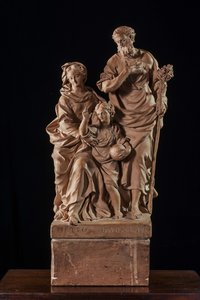
pietro baratta
1659 - 1729 , Italy
Kratke činjenice
- Artistic Movement Or Style: Baroque
- Artists Or Movements Influenced By This Artist: ['Francesco Robba']
- Artists Who Influenced This Artist:
- Francesco Baratta the elder
- Bernini
- Date Of Birth: 1659
- Date Of Death: 1729
- Full Name: Pietro Baratta
- Nationality: Italian
- Notable Artworks:
- Brandolin monument
- Villa Manin Chapel sculptures
- St. Ignatius statue
- Statues at Villa Vicentina
- Place Of Birth: Carrara, Italy