

 Pregledaj u prostoru
 Pošalji
 Podeli
 Detalji o delu

 Преузми
 Slični predmeti
 Rendgenski snimak
 Slajdovi
 Statistika
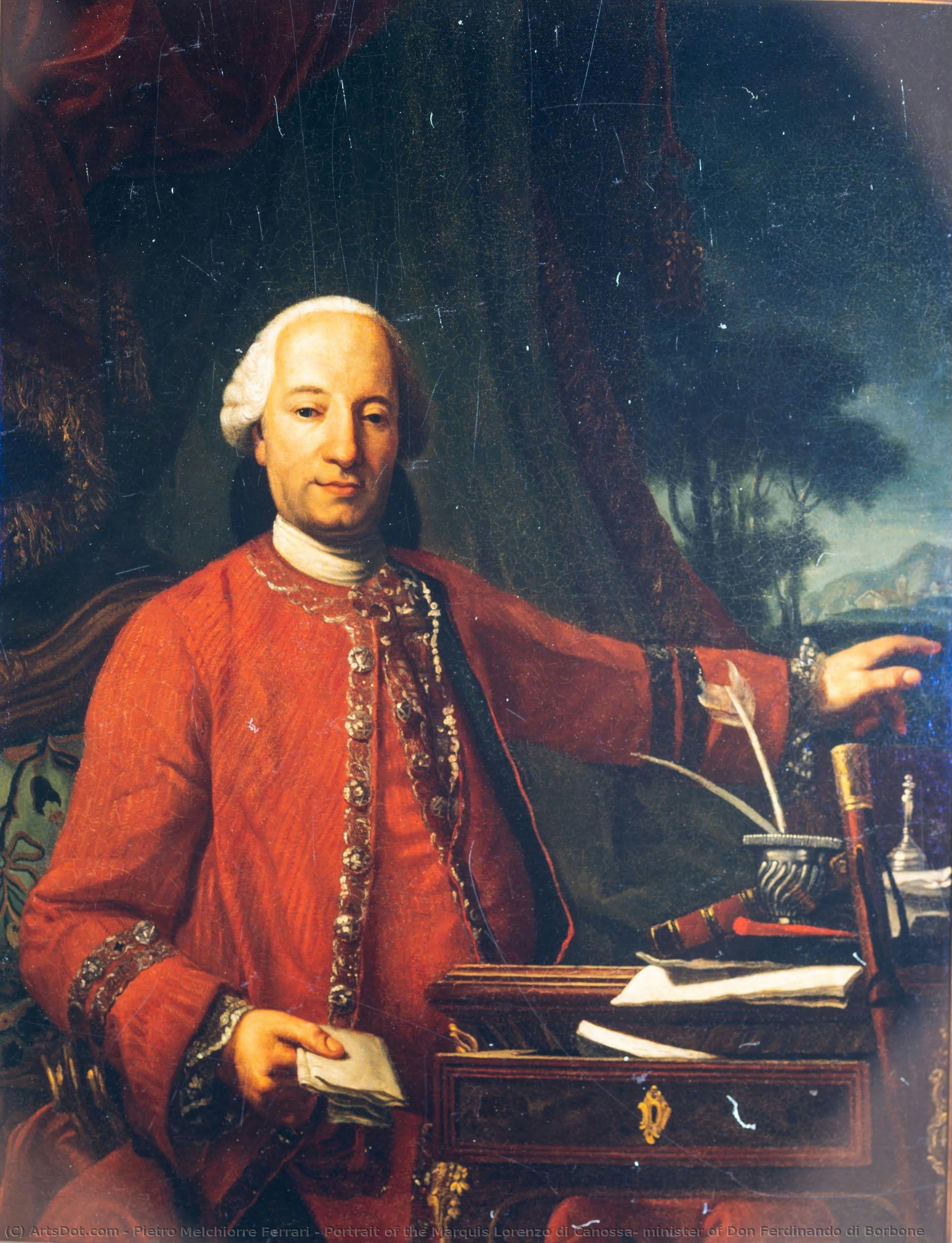
Portrait of the Marquis Lorenzo di Canossa, minister of Don Ferdinando di Borbone


 Pročitaj više
Kupite digitalnu sliku visoke rezolucije i poboljšanog kvaliteta, koja je znatno superiornija od onoga što vidite u online prikazu.
Svaka datoteka je pedantno pripremljena od strane naših stručnjaka koristeći napredne alate i profesionalnu ručnu retušu. Osiguravamo da svaka slika ima izuzetnu oštrinu, preciznu reprodukciju boja i fine detalje.
Konačna datoteka se dostavlja putem e-pošte u roku od 72 sata, optimizovana za neposrednu upotrebu u profesionalnim, izdavačkim i štamparskim okruženjima. To je isti kvalitet kojem veruju vrhunski studiji dizajna, izdavači i galerije.
Digitalna slika
Preuzmite datoteku visoke rezolucije za ličnu upotrebu, štampanje i kreativne projekte. ( Pređi na štampu Kupi ručno naslikanu sliku)
Uključeno uz svaku porudžbinu digitalne slike
Profesionalna digitalna isporuka, zagarantovana
Kada odaberete ArtsDot.com, ne dobijate samo sliku – vi primate profesionalno unapređeno digitalno umetničko delo, izrađeno sa najvećom preciznošću i uz garanciju zadovoljstva. Evo svega što automatski dolazi uz vašu porudžbinu:

Brza dostava putem e-pošte
Vaša digitalna slika visoke rezolucije biće vam poslata putem e-pošte u roku od 72 sata od poručivanja – spremna za trenutnu upotrebu.

Digitalna datoteka unapređena veštačkom inteligencijom
Vaše umetničko delo je profesionalno optimizovano korišćenjem naprednih AI alata i ručne obrade, čime se osiguravaju maksimalni detalji, oštrina i preciznost boja.

Besplatna ponovna isporuka doživotno
Slučajno ste obrisali ili izgubili svoju datoteku? Ne brinite – poslaćemo vam je ponovo u bilo kom trenutku, potpuno besplatno.

Bez troškova uvoza – zauvek
Uživajte u svojim umetničkim delima trenutno, bez carine, dažbina ili troškova dostave – digitalni download je uvek bez poreza.

Garancija vernosti boja
Uz pomoć profesionalnih alata i upravljanja bojama, osiguravamo da vaša digitalna slika što vernije odražava originalne boje.

Garancija zadovoljstva od 100 dana
Ako niste zadovoljni svojom digitalnom slikom, izvršićemo reviziju ili ćemo vam vratiti 100% novca u roku od 100 dana – bez ikakvih pitanja.

100% garancija povrata novca
Niste zadovoljni? Dobijte puni povraćaj novca u roku od 100 dana od prijema digitalne datoteke – bez suvišnih pitanja.

Popusti na velike porudžbine
Kupite 3 slike, uštedite 10% - Kupite 5 slika, uštedite 15% - Kupite 10+ slika, uštedite 20%. Odlično za kreativne projekte, galerije i agencije.
A Glimpse into Eighteenth-Century Grandeur
In the quiet dignity of Pietro Melchiorre Ferrari’s portraiture, we find ourselves transported to the opulent courts of the late 18th century. The Portrait of the Marquis Lorenzo di Canossa serves as more than a mere likeness; it is a window into an era defined by intellectual rigor and aristocratic poise. As a minister to Don Ferdinando di Borbone, the Marquis is presented not just as a man of status, and power, but as a scholar of profound depth. Clad in striking red attire that commands the viewer's attention, he sits amidst a curated landscape of intellect—surrounded by the heavy volumes of books that signify his wisdom and the steady presence of a clock that reminds us of the fleeting nature of time.
The composition is a masterclass in the Neoclassical tradition, where every element serves to reinforce the subject's character. Ferrari utilizes a sophisticated interplay of light and shadow, often referred to as chiaroscuro, to pull the Marquis from the darkness of the background into a sharp, luminous focus. This technique lends a sculptural quality to the man’s features, highlighting the texture of his powdered wig and the subtle folds of his crimson garments. The presence of the desk, scattered books, and a delicate cup suggests a moment of paused contemplation, inviting the observer to imagine the weight of the political decisions being weighed behind that steady gaze.
Symbolism and the Art of Presence
Every object within this frame has been placed with intentionality to weave a narrative of authority and enlightenment. The books are not merely props; they are symbols of the Enlightenment era, representing the pursuit of knowledge that underpinned the political maneuvers of the day. The Marquis holding a book suggests that his power is rooted in law, history, and intellect rather than mere brute force. Even the subtle inclusion of a vase and the rhythmic placement of objects on the desk create a sense of ordered harmony, reflecting the stability an official of his stature was expected to provide to the state.
For the discerning collector or interior designer, this piece offers an unparalleled emotional resonance. It brings a sense of historical gravity and "old-world" sophistication to any space. Whether placed in a private library, a formal study, or a grand hallway, a high-quality reproduction of this work acts as a conversation piece that evokes the prestige of the Italian Baroque and Neoclassical movements. The deep reds and warm, earthy tones provide a rich palette that complements both traditional dark wood furnishings and contemporary, minimalist settings, offering a timeless elegance that transcends modern trends.
Srodna umetnička dela
Biografija umetnika
Early Life and Artistic Foundations
Joseph, Baron Ducreux, a figure both celebrated and somewhat enigmatic in the annals of 18th-century French art, was born on June 26, 1735, in Nancy, France. His lineage traced back to Lorraine, a region steeped in artistic tradition, suggesting an early exposure to the visual arts. While specific details about his formal training remain somewhat elusive, it’s widely believed that he began his artistic journey under the tutelage of his father, who was himself a painter – a crucial starting point for any aspiring artist of the time. This familial connection undoubtedly instilled in him a foundational understanding of technique and composition. However, Ducreux's true mentor and formative influence arrived in Paris in 1760: Maurice Quentin de La Tour, a renowned pastelist specializing in portraiture. La Tour’s workshop provided Ducreux with invaluable experience in capturing the nuances of light, shadow, and expression – skills that would become hallmarks of his distinctive style. Jean-Baptiste Greuze, another influential artist known for his dramatic scenes and emotional intensity, also played a role in shaping Ducreux's oil painting technique, adding depth and realism to his work. This confluence of influences—his father’s grounding, La Tour’s expertise in pastel, and Greuze’s mastery of oil—laid the groundwork for Ducreux’s unique artistic voice.Royal Patronage and a Shifting Portraiture
Ducreux's career truly ascended with his appointment as *premier peintre de la reine* (First Painter to the Queen) in 1769, a monumental achievement that catapulted him into the heart of French aristocratic society. This prestigious position was bestowed upon him by Marie Antoinette herself, a testament to his burgeoning talent and ability to capture the essence of her personality. The commission for a portrait, intended as a gift to King Louis XVI before their marriage, proved to be a pivotal moment. However, Ducreux’s approach to portraiture deviated significantly from the prevailing norms of the era. While he certainly produced formal, elegant portraits adhering to courtly expectations, it was his self-portraits that truly distinguished him and cemented his reputation as an innovator. These weren't simply representations of himself; they were explorations of personality, emotion, and even a touch of playful rebellion against artistic convention. The fact that he received this extraordinary honor despite not being a member of the Royal Academy of Painting and Sculpture—a body rigidly governed by tradition and membership requirements—underscores the unconventional nature of his talent and the Queen’s willingness to champion an artist who dared to challenge established boundaries.The Revolutionary Self-Portraits: A Reflection of the Times
Ducreux's self-portraits, particularly those created during the tumultuous years leading up to and following the French Revolution, are arguably his most enduring legacy. These weren’t the stoic, dignified representations typical of portraiture; instead, they were imbued with a remarkable sense of immediacy, humor, and even vulnerability. He frequently depicted himself in exaggerated poses—leaning against furniture, yawning dramatically, pointing directly at the viewer with a mischievous grin – capturing fleeting moments of human experience with startling realism. The “Self-Portrait, Yawning” (1783), for example, is a masterclass in conveying a sense of casualness and even weariness, while "Self-Portrait as a Mocker" (1783) embodies a playful engagement with the audience. These works weren’t merely exercises in self-portraiture; they were reflections of the changing social and political landscape of France. The revolutionary fervor had eroded traditional hierarchies and expectations, creating an environment where artists could challenge conventions and express themselves more freely. Ducreux's willingness to embrace this shift is evident in his unconventional approach to portraiture, which resonated with a public increasingly skeptical of established authority.A Lasting Influence and Modern Recognition
Following the French Revolution, Ducreux continued to work, albeit with less official recognition. He established an informal salon at his home, attracting artists, musicians, and intellectuals who commissioned portraits from him. His friend, Étienne Méhul, a composer, even served as the inspiration for a character in one of Méhul’s operas. Notably, Ducreux's last portrait was drawn of Louis XVI just weeks before the King’s execution – a poignant testament to his continued service and the tragic events unfolding around him. In the 21st century, Ducreux’s work has experienced a remarkable resurgence in popularity, largely thanks to the internet and social media. His self-portraits, with their expressive faces and relatable emotions, have been widely shared and repurposed, transforming him into an unlikely icon of contemporary art. This renewed interest highlights the timeless quality of his art—its ability to connect with audiences across generations and cultures. Joseph Ducreux’s legacy extends beyond his technical skill; it lies in his courage to challenge conventions, embrace humor, and capture the complexities of human emotion – a testament to an artist who dared to be uniquely himself.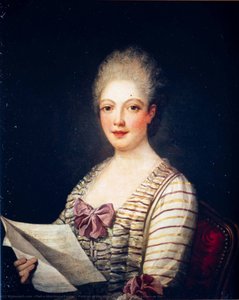
pietro melchiorre ferrari
1735 - 1787 , Italy
Kratke činjenice
- Artistic Movement Or Style: Portraiture
- Artists Who Influenced This Artist: ['Maurice Quentin de La Tour']
- Date Of Birth: June 26, 1735
- Date Of Death: July 24, 1802
- Full Name: Joseph Ducreux
- Nationality: Lorrainian, French
- Notable Artworks:
- Self-Portrait, Yawning
- Self-Portrait as a Mocker
- Place Of Birth: Nancy, France