

 Pregledaj u prostoru
 Pošalji
 Podeli
 Detalji o delu

 Преузми
 Slični predmeti
 Rendgenski snimak
 Slajdovi
 Statistika
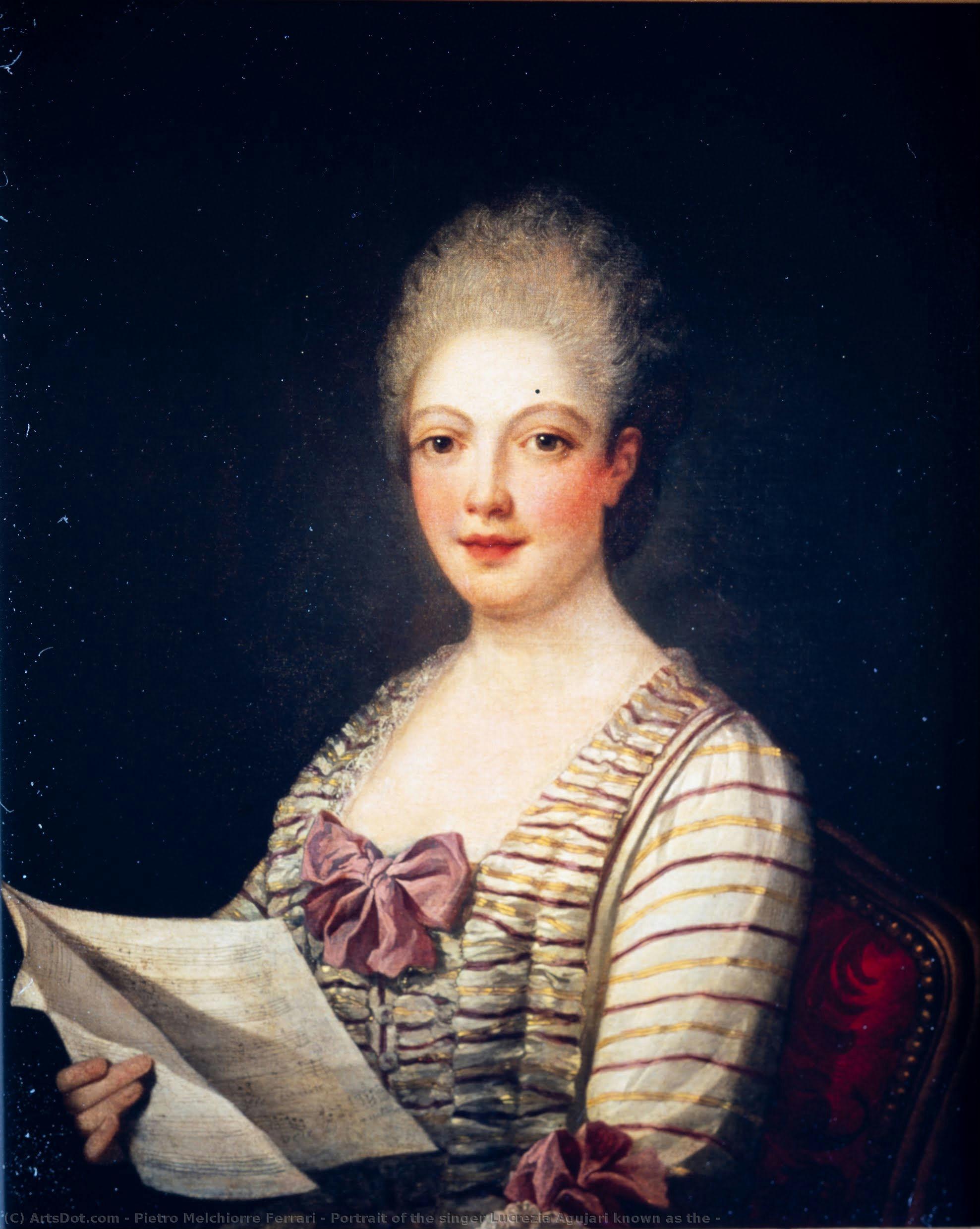
Portrait of the singer Lucrezia Agujari known as the


 Pročitaj više
Giclee štampa / Umetnički otisak
Giclée štampa ili print na platnu muzejskog kvaliteta uz brzu proizvodnju i fleksibilne opcije završne obrade. ( Kupi ručno naslikanu sliku Pređi na digitalnu sliku)




P118B $10

P118H $10

P118W $10

P438Z $10

P508JH $12

P508YH $12

P805H $10

P805Z $10

P919BZ $10

P919G $10

P919XJ $10

P959ZH $10

P968JZ $12

W106C $8

W218G $10

W218JH $8

W218Y $10

W307PJ $10

W316G $10

W316PJ $8

W316Y $10

W398PJ $8

W4111J $10

W500HY $15

W500JH $15

W692G $12

W849H $8

W940BG $15

W953PJ $8




Izaberite jednu od naših unapred definisanih veličina koje odgovaraju originalnim proporcijama umetničkog dela.

Možete uneti sopstvene dimenzije kako biste umetničko delo prilagodili specifičnom okviru ili prostoru. Ako odabrani format ne odgovara proporcijama originalne slike, mi ćemo ili iscrtati deo dela ili proširiti sliku pomoću ogledane ivice ili jednobojnog popunjavanja. Digitalni prikaz će vam biti poslat na odobrenje pre početka proizvodnje.
Imajte na umu da pregled na ekranu ne odražava stvarno iscrtavanje ili proširivanje. Samo će prikaz (mockup) precizno pokazati finalnu kompoziciju.
Iako su prilagođene dimenzije dostupne, preporučujemo da odaberete dimenziju sa unapred definisane liste kako biste očuvali originalne proporcije.
Dostava širom sveta () za 2 nedelje umesto uobičajenih 4/5 nedelja. (9 септембар)

Besplatna ekspresna dostava širom sveta

Visokokvalitetno laneno platno

Kompletno osiguranje transporta

Garancija povraćaja carine i uvoznih dažbina

Garancija vernosti boja

Politika povraćaja u roku od 100 dana (isključivo u slučaju nedostataka)

Garancija povrata novca od 100%

Popust pri grupnoj kupovini
 Opcija sa staklom dostupna je samo za dimenzije manje od 110 cm

Portrait of the singer Lucrezia Agujari known as the
Giclee štampa / Umetnički otisak
Dimenzije reprodukcije
-


Konačna cena
$ 62
Srodna umetnička dela
Biografija umetnika
Early Life and Artistic Foundations
Joseph, Baron Ducreux, a figure both celebrated and somewhat enigmatic in the annals of 18th-century French art, was born on June 26, 1735, in Nancy, France. His lineage traced back to Lorraine, a region steeped in artistic tradition, suggesting an early exposure to the visual arts. While specific details about his formal training remain somewhat elusive, it’s widely believed that he began his artistic journey under the tutelage of his father, who was himself a painter – a crucial starting point for any aspiring artist of the time. This familial connection undoubtedly instilled in him a foundational understanding of technique and composition. However, Ducreux's true mentor and formative influence arrived in Paris in 1760: Maurice Quentin de La Tour, a renowned pastelist specializing in portraiture. La Tour’s workshop provided Ducreux with invaluable experience in capturing the nuances of light, shadow, and expression – skills that would become hallmarks of his distinctive style. Jean-Baptiste Greuze, another influential artist known for his dramatic scenes and emotional intensity, also played a role in shaping Ducreux's oil painting technique, adding depth and realism to his work. This confluence of influences—his father’s grounding, La Tour’s expertise in pastel, and Greuze’s mastery of oil—laid the groundwork for Ducreux’s unique artistic voice.Royal Patronage and a Shifting Portraiture
Ducreux's career truly ascended with his appointment as *premier peintre de la reine* (First Painter to the Queen) in 1769, a monumental achievement that catapulted him into the heart of French aristocratic society. This prestigious position was bestowed upon him by Marie Antoinette herself, a testament to his burgeoning talent and ability to capture the essence of her personality. The commission for a portrait, intended as a gift to King Louis XVI before their marriage, proved to be a pivotal moment. However, Ducreux’s approach to portraiture deviated significantly from the prevailing norms of the era. While he certainly produced formal, elegant portraits adhering to courtly expectations, it was his self-portraits that truly distinguished him and cemented his reputation as an innovator. These weren't simply representations of himself; they were explorations of personality, emotion, and even a touch of playful rebellion against artistic convention. The fact that he received this extraordinary honor despite not being a member of the Royal Academy of Painting and Sculpture—a body rigidly governed by tradition and membership requirements—underscores the unconventional nature of his talent and the Queen’s willingness to champion an artist who dared to challenge established boundaries.The Revolutionary Self-Portraits: A Reflection of the Times
Ducreux's self-portraits, particularly those created during the tumultuous years leading up to and following the French Revolution, are arguably his most enduring legacy. These weren’t the stoic, dignified representations typical of portraiture; instead, they were imbued with a remarkable sense of immediacy, humor, and even vulnerability. He frequently depicted himself in exaggerated poses—leaning against furniture, yawning dramatically, pointing directly at the viewer with a mischievous grin – capturing fleeting moments of human experience with startling realism. The “Self-Portrait, Yawning” (1783), for example, is a masterclass in conveying a sense of casualness and even weariness, while "Self-Portrait as a Mocker" (1783) embodies a playful engagement with the audience. These works weren’t merely exercises in self-portraiture; they were reflections of the changing social and political landscape of France. The revolutionary fervor had eroded traditional hierarchies and expectations, creating an environment where artists could challenge conventions and express themselves more freely. Ducreux's willingness to embrace this shift is evident in his unconventional approach to portraiture, which resonated with a public increasingly skeptical of established authority.A Lasting Influence and Modern Recognition
Following the French Revolution, Ducreux continued to work, albeit with less official recognition. He established an informal salon at his home, attracting artists, musicians, and intellectuals who commissioned portraits from him. His friend, Étienne Méhul, a composer, even served as the inspiration for a character in one of Méhul’s operas. Notably, Ducreux's last portrait was drawn of Louis XVI just weeks before the King’s execution – a poignant testament to his continued service and the tragic events unfolding around him. In the 21st century, Ducreux’s work has experienced a remarkable resurgence in popularity, largely thanks to the internet and social media. His self-portraits, with their expressive faces and relatable emotions, have been widely shared and repurposed, transforming him into an unlikely icon of contemporary art. This renewed interest highlights the timeless quality of his art—its ability to connect with audiences across generations and cultures. Joseph Ducreux’s legacy extends beyond his technical skill; it lies in his courage to challenge conventions, embrace humor, and capture the complexities of human emotion – a testament to an artist who dared to be uniquely himself.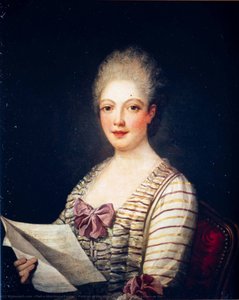
pietro melchiorre ferrari
1735 - 1787 , Italy
Osnovne informacije
- Artistic Movement Or Style: Portraiture
- Artists Who Influenced This Artist: ['Maurice Quentin de La Tour']
- Date Of Birth: June 26, 1735
- Date Of Death: July 24, 1802
- Full Name: Joseph Ducreux
- Nationality: Lorrainian, French
- Notable Artworks:
- Self-Portrait, Yawning
- Self-Portrait as a Mocker
- Place Of Birth: Nancy, France
Povezani članci
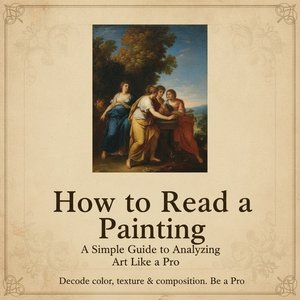
How to Read a Painting: A Simple Guide to Analyzing Art Like a Pro
Unlock the secrets of masterpieces with our expert guide on how to read a painting. Learn professional techniques for analyzing color, composition, and symbolism to deepen your art appreciation and connect with every brushstroke.
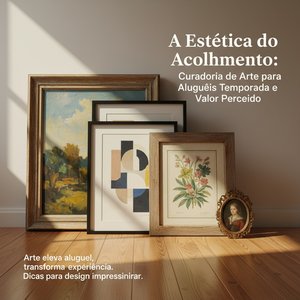
Уздизање гошћујућег искуства: Утицај кураторске уметности на вредност имотака за краткорочни изнајмљивање и перцепцију квалитета дестинације
Подигните вредност својих имотака за краткорочни изнајмљивање уз стручне савете о кураторској уметности. Откријте како правилан избор уметничких дела привлачи госте и повећава квалитет дестинације.
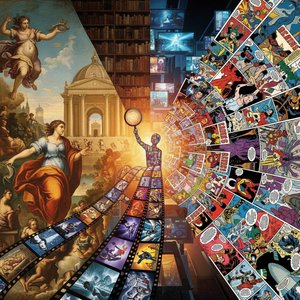
Od Platna do Celuloida: Umetnički Uticaji Filma i Stripa – Kulturni Odraz i Inspiracija za Kolekcionare
Istražite kako film i strip inspirišu umetnost i obrnuto! Saveti za kolekcionare, analiza kulturnog uticaja i ekskluzivne reprodukcije na ArtsDot.com. Investirajte u dela sa istorijom.
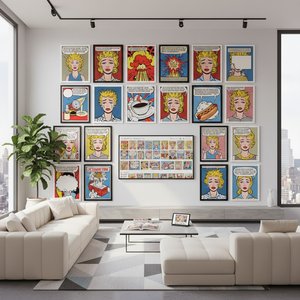
Najbolja dela Roja Lichtenštajna: Pop art ikone za vaš dom | ArtsDot
Istražite 25 najpoznatijih dela Roja Lichtenštajna! Otkrijte priče iza pop art ikona, bend-dots tehniku i živopisne boje. Reprodukcije slika vrhunskog kvaliteta za vaš dom na ArtsDot.com.
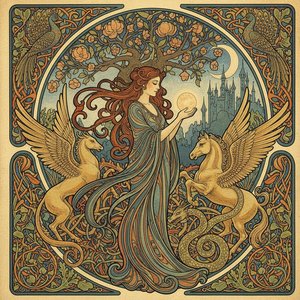
Edmund Dulac: A Master of Golden Age Illustration – Exploring Myth, Symbolism & Art Nouveau Legacy
Explore the captivating world of Edmund Dulac, a master of Golden Age illustration! Discover his enchanting fairy tales, Art Nouveau style, and lasting influence on art & design. Learn about *The Rubaiyat* and more.