

 Pošalji
 Podeli
 Detalji o delu

 Преузми
 Slični predmeti
 Slajdovi
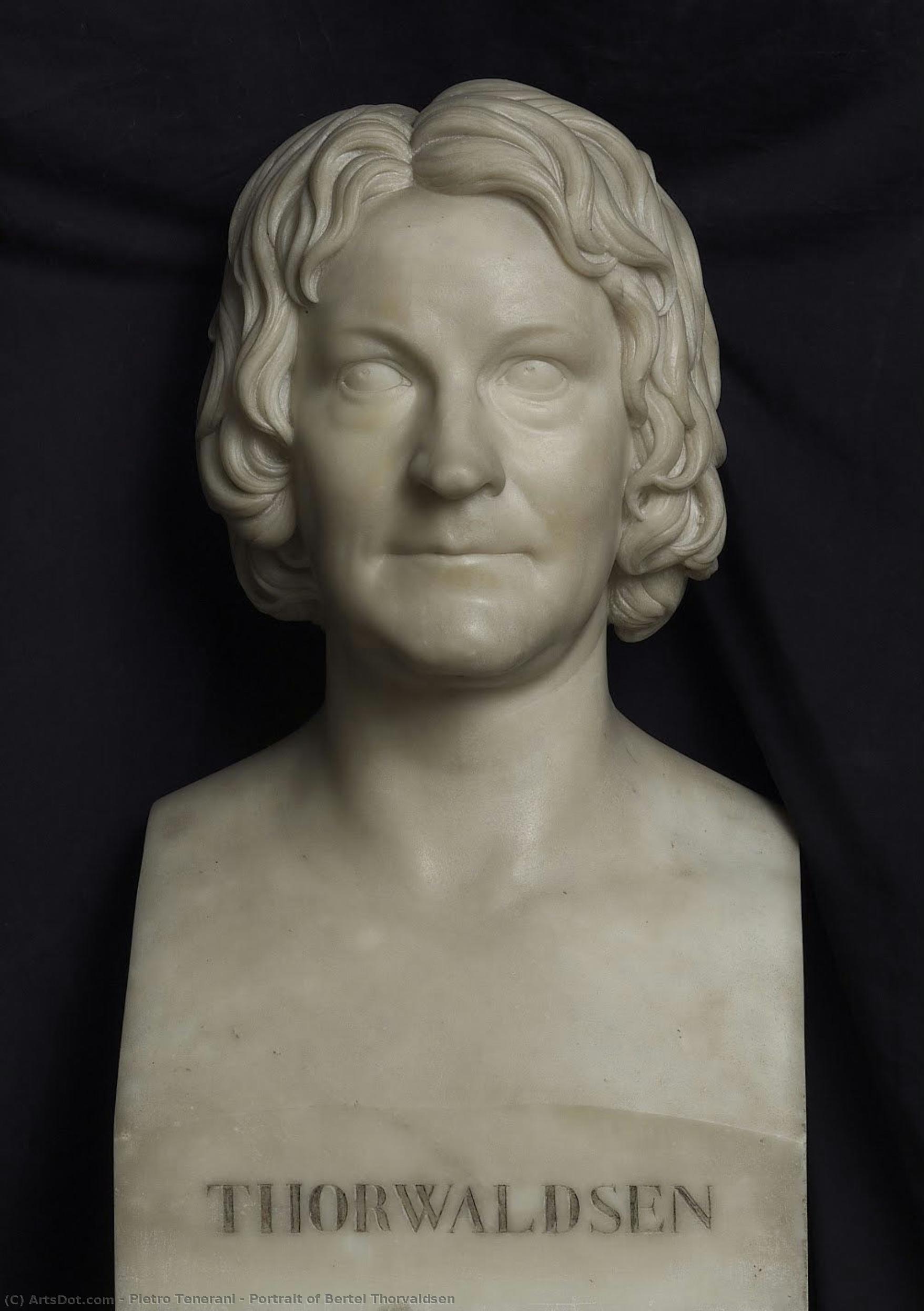
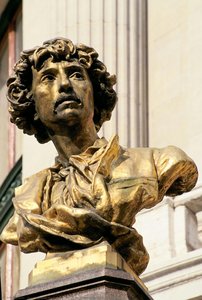
Portrait of Bertel Thorvaldsen
 Sculpture Bronze
- Neoclassical Revival
 60.0 x 32.0 cm
 Accademia di San Luca
 Pročitaj više
Giclee štampa / Umetnički otisak
Giclée štampa ili print na platnu muzejskog kvaliteta uz brzu proizvodnju i fleksibilne opcije završne obrade. ( Kupi ručno naslikanu sliku Kupi digitalnu sliku)




































Izaberite jednu od naših unapred definisanih veličina koje odgovaraju originalnim proporcijama umetničkog dela.

Možete uneti sopstvene dimenzije kako biste umetničko delo prilagodili specifičnom okviru ili prostoru. Ako odabrani format ne odgovara proporcijama originalne slike, mi ćemo ili iscrtati deo dela ili proširiti sliku pomoću ogledane ivice ili jednobojnog popunjavanja. Digitalni prikaz će vam biti poslat na odobrenje pre početka proizvodnje.
Imajte na umu da pregled na ekranu ne odražava stvarno iscrtavanje ili proširivanje. Samo će prikaz (mockup) precizno pokazati finalnu kompoziciju.
Iako su prilagođene dimenzije dostupne, preporučujemo da odaberete dimenziju sa unapred definisane liste kako biste očuvali originalne proporcije.
Dostava širom sveta () za 2 nedelje umesto uobičajenih 4/5 nedelja. (21 август)

Besplatna ekspresna dostava širom sveta

Visokokvalitetno laneno platno

Kompletno osiguranje transporta

Garancija povraćaja carine i uvoznih dažbina

Garancija vernosti boja

Politika povrata u roku od 60 dana (samo u slučaju nedostataka)

Garancija povrata novca od 100%

Popust pri grupnoj kupovini
 Opcija sa staklom dostupna je samo za dimenzije manje od 110 cm

Portrait of Bertel Thorvaldsen
Giclee štampa / Umetnički otisak
Dimenzije reprodukcije
-


Konačna cena
$ 62
Opis predmeta
A Sculptor's Reverie: Exploring Pietro Tenerani’s Portrait of Bertel Thorvaldsen
The marble bust depicting Bertel Thorvaldsen, executed by Pietro Tenerani in 1844, stands as a testament to the enduring fascination with classical ideals amidst the burgeoning Romantic movement. More than just a likeness of the Danish sculptor—a figure celebrated for his monumental sculptures and unwavering devotion to Neoclassical principles—this artwork embodies a profound meditation on artistic legacy and the pursuit of timeless beauty. Tenerani’s decision to honor Thorvaldsen, arguably the most influential sculptor of his era, speaks volumes about the artist's own aesthetic sensibilities and his desire to engage with the intellectual currents shaping European art during the mid-19th century.The Sculptor's Technique: Mastering Marble
Tenerani’s skill lay in his meticulous understanding of marble – Carrara marble specifically – renowned for its purity and ability to capture subtle nuances of form. The bust exemplifies a masterful application of Roman sculptural techniques, honed through years of apprenticeship under Thorvaldsen himself. Tenerani employed the *contrapposto* stance—a characteristic pose found throughout classical sculpture—to imbue Bertel Thorvaldsen’s figure with dynamism and balance. Careful observation of Thorvaldsen's anatomy was paramount; Tenerani painstakingly studied his musculature, striving to reproduce it accurately in marble. The sculptor utilized polishing techniques to achieve a luminous surface finish, enhancing the bust’s visual impact and conveying a sense of serene contemplation.Historical Context: Echoes of Antiquity
The sculpture emerged during a period marked by renewed interest in Greco-Roman art and philosophy—a phenomenon known as Neoclassicism. Thorvaldsen's influence extended far beyond his own sculptures, shaping artistic tastes across Europe and inspiring artists to emulate the grandeur and rationality of antiquity. Tenerani’s portrait reflects this broader cultural preoccupation with idealized beauty and moral virtue. The bust wasn’t merely a representation of Thorvaldsen; it was an assertion of artistic excellence—a deliberate homage to the sculptural achievements of the past and a projection of Tenerani's own aspirations as a sculptor.Symbolism: Inner Strength and Artistic Integrity
The stern gaze of Bertel Thorvaldsen’s face conveys not just physical appearance but also inner fortitude and unwavering dedication to his craft. The sculpture embodies the Romantic ideal of heroic virtue—a belief in moral courage and intellectual independence—albeit filtered through the lens of classical aesthetics. Tenerani's choice of marble itself symbolizes permanence and enduring beauty, mirroring Thorvaldsen’s own commitment to creating works that would transcend time. The bust serves as a reminder that true artistry lies not only in technical skill but also in conveying profound emotional resonance.Emotional Impact: A Moment Frozen in Time
Looking upon Tenerani's Portrait of Bertel Thorvaldsen evokes a feeling of quiet contemplation—a connection to the artistic spirit of a bygone era. The sculpture’s serene expression invites viewers to consider the enduring power of classical ideals and the importance of pursuing excellence with unwavering conviction. It is a piece that speaks to the human desire for beauty, truth, and moral integrity—qualities celebrated by both Thorvaldsen and Tenerani as they navigated the complexities of their respective artistic journeys.Srodna umetnička dela
Biografija umetnika
A Legacy in Marble: The Life and Art of Pietro Tenerani
Pietro Tenerani, born November 11, 1789, in the marble-rich region of Torano near Carrara, Italy, stands as a compelling figure bridging the Neoclassical ideals of his time with the burgeoning Romantic sensibilities of the 19th century. His life unfolded against a backdrop of artistic fervor and shifting aesthetic paradigms, leaving an indelible mark on Italian sculpture. Tenerani’s initial exposure to the world of art came through his maternal uncle, Pietro Marchetti, a sculptor and professor at the Accademia di Belle Arti in Carrara. This familial connection provided a foundational training, instilling within him a deep appreciation for form and technique. However, it was a scholarship secured in 1813 that propelled Tenerani towards Rome – the heart of artistic innovation – where his true development began.Formative Years Under Thorvaldsen’s Guidance
Rome proved to be a transformative experience for the young sculptor. He immersed himself in the study of classical antiquity, absorbing the principles of balance, harmony, and idealized beauty that defined the Neoclassical movement. Crucially, Tenerani fell under the tutelage of Bertel Thorvaldsen, the celebrated Danish sculptor whose work epitomized these ideals. Thorvaldsen’s influence was profound; he instilled in Tenerani a rigorous approach to form and composition, shaping his early style. Psyche Abandoned, sculpted around 1817, quickly established Tenerani's reputation. This piece, admired for its refined elegance and emotional depth, showcased his mastery of marble and his ability to capture mythological narratives with grace. Yet, even in these early works, hints of a developing individuality began to emerge – a subtle shift away from strict imitation towards a more personal expression. He also created several copies of this work for prominent patrons, each iteration revealing a gradual tendency toward sentimental narrative.Evolving Style and the Embrace of Purismo
As Tenerani matured as an artist, his style underwent a subtle but significant evolution. While remaining firmly rooted in Neoclassical principles, he began to incorporate elements that foreshadowed the Romantic movement. This transition was further influenced by his association with the *Purismo* movement, which advocated for a return to artistic purity and simplicity, rejecting excessive ornamentation and dramatic emotionalism. This pursuit of clarity and restraint is evident in his later works, where a greater emphasis on narrative and expressive qualities can be observed. Beyond mythological subjects, Tenerani gained considerable acclaim for his funerary monuments. His monument to Pope Pius VIII within St. Peter’s Basilica stands as a testament to his ability to blend artistic skill with profound emotional resonance and symbolic meaning. He also excelled in portraiture, creating busts of prominent figures like Popes Gregory XVI and Pius IX, and statesmen such as Pellegrino Rossi – each capturing not only physical likeness but also the essence of their subjects' character.A Sculptor of Monuments and Legacy
Tenerani’s talent extended beyond intimate portraits and funerary art; he undertook large-scale public commissions that solidified his position as a leading sculptor of his time. Perhaps most notably, he was entrusted with the creation of the statue of Simón Bolívar in Bogotá, Colombia – a remarkable feat demonstrating his ability to adapt classical forms to represent contemporary historical figures. This commission underscored his international recognition and his capacity to engage with diverse cultural contexts. Throughout his career, Tenerani held prestigious positions within artistic institutions, including membership and eventual presidency of the Accademia di San Luca, further cementing his influence in the Roman art world. He also mentored numerous students who carried on sculptural traditions in Italy. Pietro Tenerani died in Rome on December 16, 1869, leaving behind a legacy that continues to inspire admiration for its technical brilliance, aesthetic beauty, and historical significance. His work serves as a poignant reminder of an era where classical ideals were reinterpreted through the lens of individual expression, bridging the gap between Neoclassicism and Romanticism and establishing him as a pivotal figure in 19th-century European sculpture.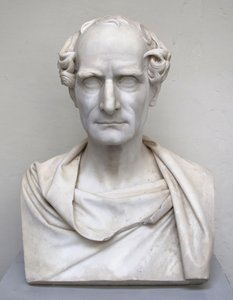
Pietro Tenerani
1789 - 1869 , Italy
Osnovne informacije
- Artistic Movement Or Style: Neoclassicism, Purismo
- Artists Or Movements Influenced By This Artist: ['Romanticism']
- Artists Who Influenced This Artist:
- Bertel Thorvaldsen
- Lorenzo Bartolini
- Date Of Birth: November 11, 1789
- Date Of Death: December 16, 1869
- Full Name: Pietro Tenerani
- Nationality: Italian
- Notable Artworks:
- Psyche Abandoned
- Diana von Versailles
- Apoll von Belvedere
- Place Of Birth: Carrara, Italy
Povezani članci
The Enduring Allure of Marble in Art History: From Classical Sculpture to Modern Abstraction
Explore the captivating history of marble sculpture from ancient Greece to modern art. Discover renowned artists like Canova & Michelangelo, carving techniques, and investment insights at ArtsDot.

Bronze Sculptures That Defined Art History | ArtsDot
Journey through art history with our Top 10 bronze sculptures! Explore masterpieces by Rodin, Michelangelo & more. Discover stories behind iconic statues and find museum-quality reproductions for your home decor at ArtsDot.com.

The Enduring Form: Exploring Themes & Techniques in Sculpture Across Historical Periods
Explore the rich history of sculpture from ancient masterpieces to contemporary innovations. Discover key techniques, influential artists & investment potential for discerning art collectors.
The Enduring Form: Sculpture Across History, Technique & Emotional Resonance
Explore the rich history of sculpture with ArtsDot. Discover key techniques, influential artists & investment potential for discerning collectors. Expert insights into valuing and collecting timeless masterpieces.

Bronze Age to Modern Masters: 10 Sculptures That Redefined Art | ArtsDot
Journey through art history with 10 legendary bronze sculptures – from Michelangelo's David to Rodin’s Thinker. Explore the stories, techniques & timeless beauty of these masterpieces. Find museum-quality reproductions & elevate your home decor on ArtsDot.com.

