

 Pregledaj u prostoru
 Pošalji
 Podeli
 Detalji o delu

 Преузми
 Slični predmeti
 Rendgenski snimak
 Slajdovi
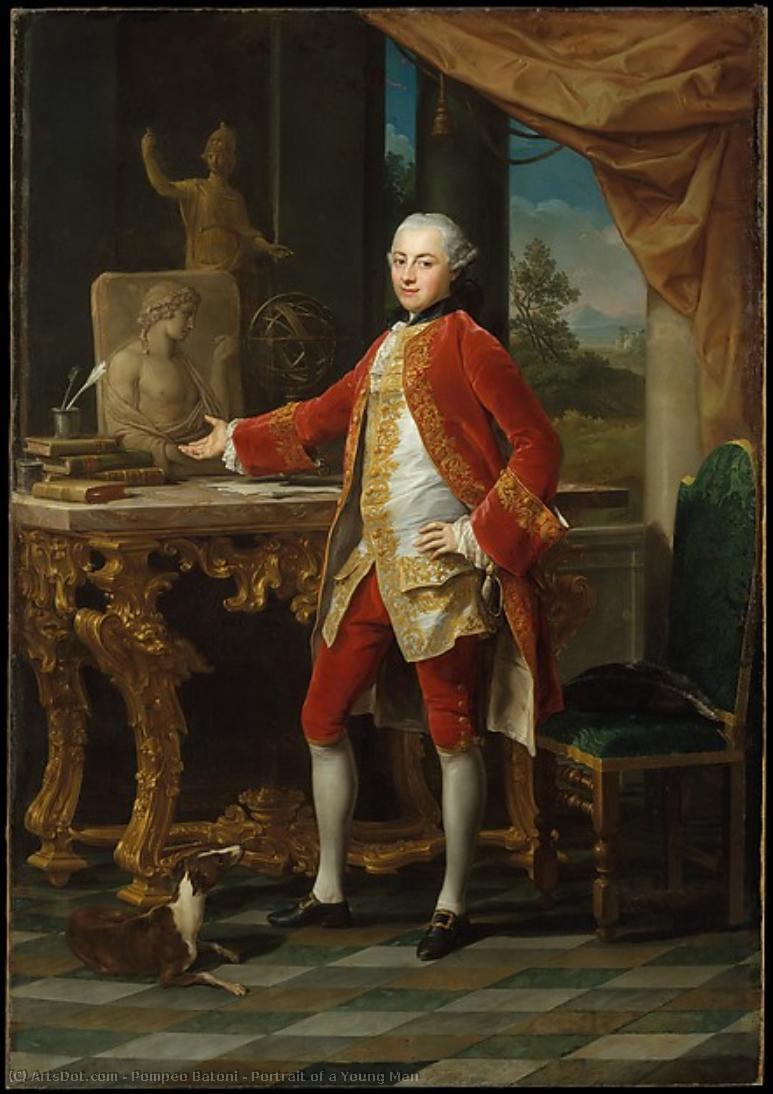
Portrait of a Young Man
 Acrylic On Canvas
- WallArt
- Baroque Classicism
 1760
1760 247.0 x 176.0 cm
 Metropolitan Museum of Art
 Pročitaj više
Ručno rađena uljana reprodukcija
Ručno oslikano uljanim bojama na platnu u dimenzijama i okviru po vašem izboru, izrađeno po porudžbini od strane naših umetnika. ( Kupi print Kupi digitalnu sliku)




P118B $10

P118H $10

P118W $10

P438Z $10

P508JH $12

P508YH $12

P805H $10

P805Z $10

P919BZ $10

P919G $10

P919XJ $10

P959ZH $10

P968JZ $12

W106C $8

W218G $10

W218JH $8

W218Y $10

W307PJ $10

W316G $10

W316PJ $8

W316Y $10

W398PJ $8

W4111J $10

W500HY $15

W500JH $15

W692G $12

W849H $8

W940BG $15

W953PJ $8




Izaberite jednu od naših unapred definisanih veličina koje odgovaraju originalnim proporcijama umetničkog dela.

Можете унети сопствене димензије како бисте прилагодили дело одређеном оквиру или простору. Ако одабрана величина не одговара пропорцијама оригинала, слика ће бити исечена или проширена додатним елементима који се ручно насликавају. Дигитални prikaz ће вам бити послат на одобрење пре почетка производње.
Имајте на уму да преглед на екрану не одражава стварно исецање или проширење. Само приказ (mockup) ће тачно приказати коначну композицију.
Иако су доступне прилагођене величине, препоручујемо да одаберете димензију из дефинисане листе како бисте сачували оригиналне пропорције.
Nakon narudžbine, tim ArtsDot.com će klijentu putem e-pošte poslati uputstva i dostaviti prikaz predloženog rešenja
Isporuka širom sveta () za 3/4 nedelje umesto uobičajenih 5 nedelja. (25 август). Bez kompromisa po pitanju kvaliteta.

Besplatna ekspresna dostava širom sveta

Visokokvalitetno laneno platno

Kompletno osiguranje transporta

Garancija povraćaja carine i uvoznih dažbina

Garancija vernosti boja

Politika povrata u roku od 60 dana (samo u slučaju nedostataka)

Garancija povrata novca od 100%

Popust pri grupnoj kupovini
 Opcija sa staklom dostupna je samo za dimenzije manje od 110 cm

Portrait of a Young Man
Tehnika reprodukcije
Dimenzije reprodukcije
-


Konačna cena
$ 263
Opis umetničkog dela
Pompeo Batoni’s Portrait of a Young Man: An Emblematic Tableau of Grand Tour Ideals
The painting “Portrait of a Young Man,” executed by Pompeo Batoni in 1760, stands as an exquisite distillation of the artistic sensibilities prevalent during Rome’s Golden Age and embodies the core tenets of the Grand Tour aesthetic. More than just a likeness—though meticulously rendered with masterful brushwork—it serves as a complex visual manifesto reflecting Enlightenment ideals intertwined with aristocratic aspirations and hinting at hidden currents of homosexual culture within the broader societal landscape of the era.A Synthesis of Classical Influence and Rococo Refinement
Batoni’s artistic lineage is firmly rooted in classical antiquity, particularly Raphael’s harmonious compositions and idealized figures. However, he deftly incorporates elements characteristic of French Rococo—a style prioritizing elegance, ornamentation, and pastel hues—creating a visual dialogue that elevates the portrait beyond mere representation. The subtle drapery folds and delicate rendering of skin tones speak to this influence, demonstrating Batoni's commitment to achieving an aesthetic balance between grandeur and refinement. This stylistic fusion underscores the prevailing artistic climate where artists sought inspiration from both Roman history and aristocratic taste.Technical Mastery: Brushwork and Color Palette
Batoni’s technique is characterized by loose, expressive brushstrokes—a hallmark of Baroque painting adapted for the Rococo idiom—that imbue the canvas with a palpable sense of movement and luminosity. The artist skillfully employs glazing techniques to build up layers of color, achieving remarkable depth and capturing the nuances of light and shadow. Dominating the palette are muted reds—particularly in the young man’s clothing—balanced by cooler tones that convey serenity and sophistication. Careful attention to detail is evident in the rendering of textures – from the polished surface of the desk to the subtle sheen on the fabrics – showcasing Batoni's meticulous craftsmanship.Historical Context: The Grand Tour and Its Symbolism
The painting’s genesis lies within the context of the Grand Tour, a fashionable European pilgrimage undertaken by wealthy aristocrats—primarily Englishmen—to Rome between 1760 and 1830. This journey served not only as an opportunity for cultural enrichment but also as a social ritual designed to demonstrate status and prestige. The inclusion of props – a statue of Minerva symbolizing wisdom, an armillary sphere representing astronomical knowledge, and books detailing Roman history and literature—explicitly communicates the educational aspirations associated with this aristocratic pursuit. Furthermore, the prominent sculpture of Antinous—lover of Hadrian—represents a daring gesture toward acknowledging homosexual desire within the confines of polite society, reflecting a burgeoning interest in queer culture during the Enlightenment.Emotional Resonance: Dignity and Contemplation
“Portrait of a Young Man” transcends mere visual spectacle; it evokes profound emotional resonance through its portrayal of dignified contemplation. The young man’s gaze—directed outward with an air of quiet confidence—suggests introspection and intellectual curiosity. Combined with the serene atmosphere created by the carefully arranged furnishings and the subtle presence of a cat, the painting fosters a feeling of tranquility and contemplative beauty. Batoni's masterful execution captures not only physical likeness but also psychological depth, conveying a timeless message about human intellect and artistic aspiration.Conclusion: An Enduring Legacy
Pompeo Batoni’s “Portrait of a Young Man” remains an enduring testament to the artistic achievements of the Rococo era and embodies the spirit of the Grand Tour—a celebration of classical learning, aristocratic refinement, and burgeoning homosexual culture. Its meticulous technique, evocative symbolism, and profound emotional impact continue to inspire admiration and intrigue, securing its place as one of Batoni’s most celebrated masterpieces and a cornerstone of Western art history.Srodna umetnička dela
Biografija umetnika
Rani život i obuka
- Rođen: Luka, Italija (1708)
- Preminuo: 1787
- Pompeo Batoni se preselio u Rim 1727. godine.
- Usavršavao je svoj talenat pod mentorstvom Agostina Masuccija, Sebastiana Conce i/ili Francesca Imperialija.
- Njegova prva samostalna narudžbina proizašla je kao rezultat obilnih kiša koje su pogodile Rim u aprilu 1732. godine.
- Slika „Ekstaza Svete Katarine Sijenske” ilustruje njegovo akademsko usavršavanje kasnobaroknog stila.
Umetnički stil i uticaji
- Batonijev stil crpeo je inspiraciju iz klasične antike, francuskog rokokoa, bolonjskog klasicizma, kao i od umetnika poput Nikole Puzena, Kloda Lorena, a naročito od Rafaela.
- On se smatra pretečom neoklasicizma.
- Njegova dela se mogu pronaći u brojnim muzejima, uključujući Pinacoteku di Brera u Milanu, Italija.
Značajna dela i narudžbina
- Devica idete sa svetima
- Vitez u Rimu: Čarls Sesil Roberts – Slavljeni portret britanskog putnika postavljen ispred rimskih ruševina.
- Trijumf Venecije
- Brojni oltari za crkve u Italiji, kao što je Duomo u Sijeni.
- Bio je veoma tražen za portretiranje, naročito od strane britanskih putnika na Velikom putovanju (Grand Tour), koji su naručivali portrete u stajaćim pozama unutar antičkih okruženja.
Razvoj i istorijski značaj
- Batoni je postao izuzetno modni slikar u Rimu nakon što je njegov rival, Anton Rafael Mengs, otputovao u Španiju 1761. godine.
- Prijateljstvo je stekao sa Vinkelmanom, te je težio suzdržanosti klasicizma u svom slikarstvu.
- Njegovi portreti su dočarali duh ere Velikog putovanja, odražavajući fascinaciju klasičnom antikom među evropskim elitama.
- Batonijeva sposobnost da spoji barokne tehnike sa novonastalim neoklasičnim idealima pozicionirala ga je kao tranzicionu figuru u istoriji italijanske umetnosti.
Nasleđe
- Pompeo Batoni preminuo je 4. februara 1787. godine u Rimu.
- Za sobom je ostavio nasleđe jednog od najpoznatijih italijanskih slikara svog vremena.
- Njegova dela i dalje uživaju divljenje zbog tehničke veštine, elegantnih kompozicija i prodornih prikaza pojedinaca unutar njihovog istorijskog konteksta.
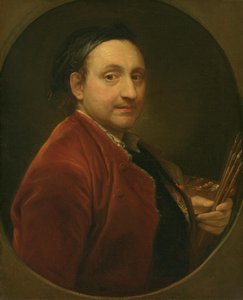
Pompejo Batoni
1708 - 1787 , Italija
Osnovne informacije
- Artistic Movement Or Style: Neoklasicizam
- Artists Who Influenced This Artist:
- Nicolas Poussin
- Claude Lorrain
- Raphael
- Date Of Birth: 1708
- Date Of Death: 1787
- Full Name: Pompeo Batoni
- Nationality: Italijan
- Notable Artworks:
- Devica idete sa svetima
- Vitez u Rimu
- Trijumf Venecije
- Place Of Birth (City And Country): Luka, Italija
Povezani članci

Baroque Classicism: Reconciling Drama & Order in 17th-Century Art
Explore the captivating world of Baroque Classicism! Discover its history, key artists like Caravaggio & Rubens, and defining characteristics. Expert insights & high-quality reproductions at ArtsDot.

Барокна драма: Уношење величине и емоција у савремене ентеријере
Откријте барокну драму и унесите величину у ваш ентеријер! ArtsDot нуди ручно насликане репродукције, персонализоване портрете и стручне консултације за љубитеље класичне уметности. Потражите савршено дело већ данас!
Neo-Classicism's Greatest Hits: 10 Masterpieces for Your Home |
Journey through Neo-Classicism's finest! Explore 10 iconic masterpieces by David, Ingres & Canova. Discover art history, techniques & timeless beauty – perfect for inspiring your home decor. Find museum-quality reproductions at
The Enduring Legacy of Classicism: Principles, Evolution & Influence in Western Art
Explore the enduring legacy of Classicism in Western art! Discover its historical context, key principles, iconic masterpieces & lasting influence. Learn about Renaissance and Neoclassical movements with ArtsDot.

Barok Majstor dela: Top 10 Umjetničkih Remeka za Vaš Dom
Otkrijte 10 remek dela koja su definisala baroknu umetnost! Karavagio, Bernini i više – istražite priče iza ovih ikoničnih slika. Inspiracija za vaš dom? Pogledajte kolekciju na ArtsDot.com!

