

 Pregledaj u prostoru
 Pošalji
 Podeli
 Detalji o delu

 Преузми
 Slični predmeti
 Rendgenski snimak
 Slajdovi
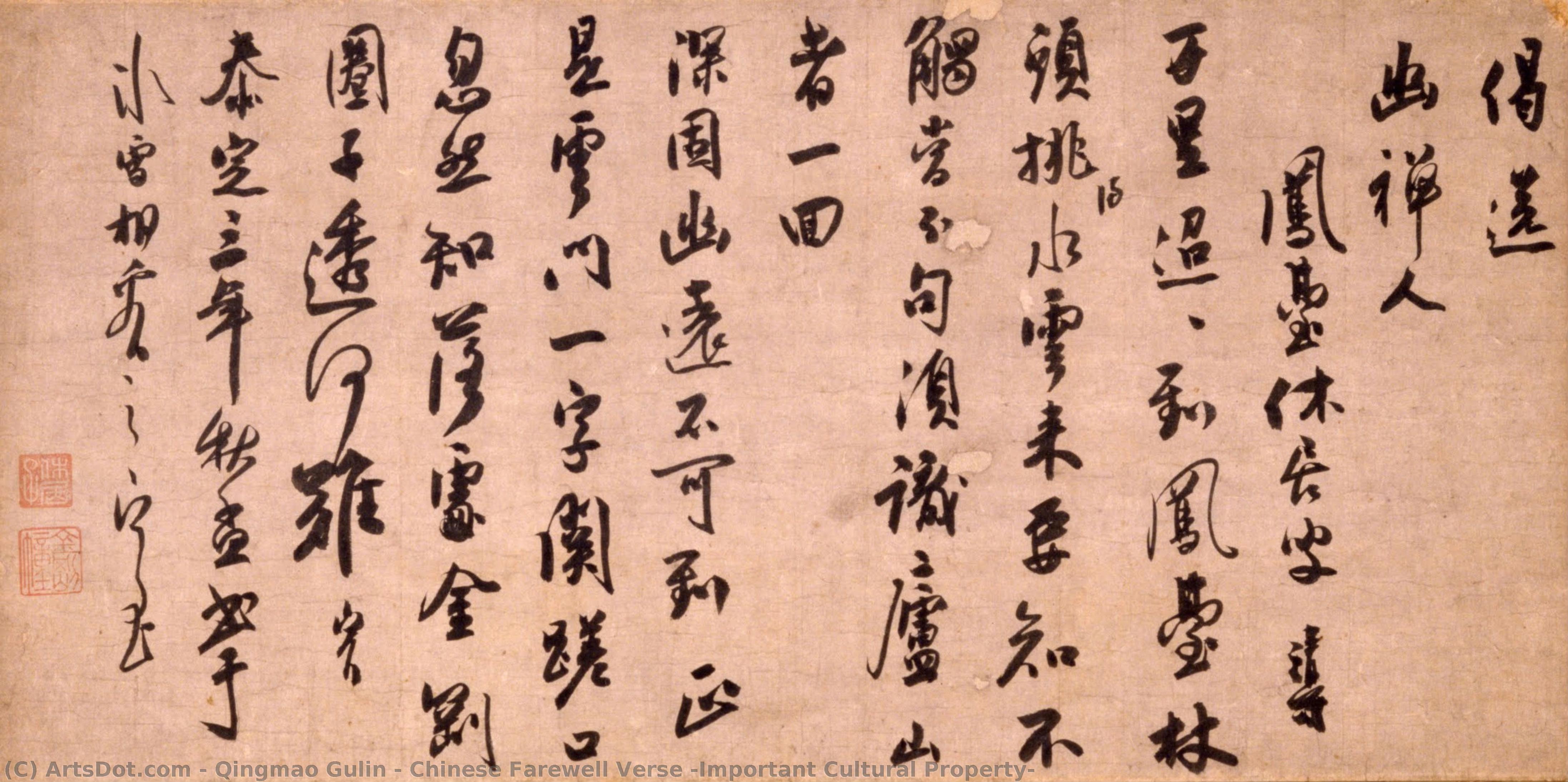
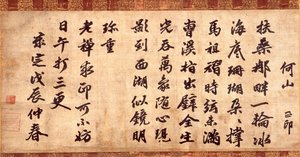
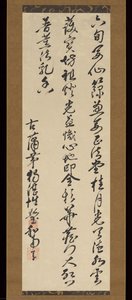
Chinese Farewell Verse (Important Cultural Property)
 Zen Buddhism
 68.0 x 34.0 cm
 Fukuoka Art Museum
 Pročitaj više
Ručno rađena uljana reprodukcija
Ručno oslikano uljanim bojama na platnu u dimenzijama i okviru po vašem izboru, izrađeno po porudžbini od strane naših umetnika. ( Kupi print Kupi digitalnu sliku)




































Izaberite jednu od naših unapred definisanih veličina koje odgovaraju originalnim proporcijama umetničkog dela.

Можете унети сопствене димензије како бисте прилагодили дело одређеном оквиру или простору. Ако одабрана величина не одговара пропорцијама оригинала, слика ће бити исечена или проширена додатним елементима који се ручно насликавају. Дигитални prikaz ће вам бити послат на одобрење пре почетка производње.
Имајте на уму да преглед на екрану не одражава стварно исецање или проширење. Само приказ (mockup) ће тачно приказати коначну композицију.
Иако су доступне прилагођене величине, препоручујемо да одаберете димензију из дефинисане листе како бисте сачували оригиналне пропорције.
Nakon narudžbine, tim ArtsDot.com će klijentu putem e-pošte poslati uputstva i dostaviti prikaz predloženog rešenja
Isporuka širom sveta () za 3/4 nedelje umesto uobičajenih 5 nedelja. (22 август). Bez kompromisa po pitanju kvaliteta.

Besplatna ekspresna dostava širom sveta

Visokokvalitetno laneno platno

Kompletno osiguranje transporta

Garancija povraćaja carine i uvoznih dažbina

Garancija vernosti boja

Politika povrata u roku od 60 dana (samo u slučaju nedostataka)

Garancija povrata novca od 100%

Popust pri grupnoj kupovini
 Opcija sa staklom dostupna je samo za dimenzije manje od 110 cm

Chinese Farewell Verse (Important Cultural Property)
Tehnika reprodukcije
Dimenzije reprodukcije
-


Konačna cena
$ 263
Opis umetničkog dela
Srodna umetnička dela

Biografija umetnika
Qingmao Gulin: A Life in Zen and Calligraphy
Qingmao Gulin (1262-1329), also known as Gulin Qingmao, stands as a pivotal figure in Chinese art history, renowned for his powerful calligraphy and connection to the Zen Buddhist tradition. Born Leying, China, he embodied the spirit of the Wanshi-ha poetry movement and left an indelible mark on both artistic and spiritual landscapes.
Early Life, Training, and Spiritual Development
- Monastic Beginnings: Qingmao Gulin entered monastic life at the young age of ten, embarking on a rigorous path of study and discipline within various prominent monasteries across China.
- Diverse Masters: His training involved studying under numerous masters, absorbing diverse perspectives and refining his understanding of Zen principles.
- Seal of Transmission: A significant moment in his spiritual journey was receiving the seal of transmission from a master, solidifying his position within the lineage. This event highlights the importance of direct transmission in Zen Buddhism.
- Zen Influence: His life as a monk deeply informed his artistic practice, imbuing his calligraphy with a profound sense of spirituality and meditative reflection.
Artistic Style and Contributions
- Bold Brushstrokes: Qingmao Gulin’s signature style is characterized by its bold and expressive brushstrokes. These weren't merely aesthetic choices; they reflected the intensity of his spiritual practice and emotional depth.
- Zen Calligraphy Master: He is widely considered to be the most distinguished Zen calligrapher of his time, elevating calligraphy beyond mere aesthetics into a form of spiritual expression.
- Wanshi-ha Poetry Movement: Qingmao Gulin was an integral part of the Wanshi-ha poetry movement, known for its unique writing style influenced by the Sōtō monk-poet Hongzhi Zhengjue. This association demonstrates his engagement with a broader literary and artistic community.
- Elegance and Beauty: Despite the boldness of his strokes, his calligraphy is also celebrated for its elegance and beauty, serving as an inspiration to subsequent generations of artists.
Major Works and Historical Significance
- Chinese Farewell Verse: His most famous work, the "Chinese Farewell Verse," (measuring 68 x 34 cm) currently housed at the Fukuoka Art Museum in Japan, is considered an important cultural property. It exemplifies his mastery of Chinese calligraphy and offers a glimpse into his spiritual world.
- Cultural Property: The recognition of “Chinese Farewell Verse” as an Important Cultural Property underscores its historical and artistic value within China and beyond.
- Influence on Later Generations: Qingmao Gulin’s influence extends far beyond his own lifetime, shaping the development of Chinese calligraphy and inspiring countless artists to explore the intersection of art and spirituality.
Legacy and Impact
Qingmao Gulin's legacy is multifaceted. He not only produced stunning works of art but also contributed significantly to the intellectual and artistic landscape of his time through his involvement in the Wanshi-ha poetry movement. His emphasis on expressive brushwork and spiritual depth continues to resonate with artists and scholars today, solidifying his position as a pivotal figure in Chinese Zen calligraphy.
qingmao gulin
1262 - 1329 , China
Osnovne informacije
- Artistic Movement Or Style: Zen Calligraphy, Wanshi-ha Poetry
- Artists Who Influenced This Artist: ['Hongzhi Zhengjue']
- Date Of Birth: 1262
- Date Of Death: 1329
- Full Name: Qingmao Gulin
- Nationality: Chinese
- Notable Artworks: ['Chinese Farewell Verse']
- Place Of Birth: Leying, China
Povezani članci
Xie Zhiliu: A Legacy of Ink Wash Painting & Modern Chinese Literati Tradition
Explore the legacy of Xie Zhiliu, a master of Chinese ink wash painting & prominent figure in modern art. Discover his techniques, influences, and contributions to literati tradition. A guide for discerning collectors.
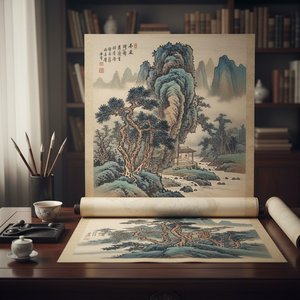
Pu Xinyu's 'Puru': A Legacy of Literati Painting & Emotional Resonance
Explore the captivating world of Pu Xinyu (Puru), the last great literati painter. Discover his imperial heritage, masterful ink wash techniques & enduring legacy – a valuable addition to any discerning art collection.
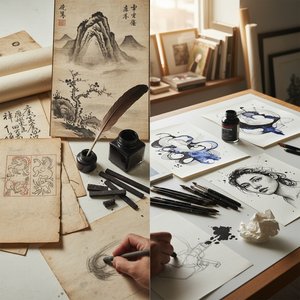
Ephemeral Expressions: Exploring the Nuances of Ink on Paper Through History & Contemporary Art
Explore the captivating world of ink wash painting – from its ancient origins to contemporary masters. Discover techniques, symbolism & conservation insights with ArtsDot.com.
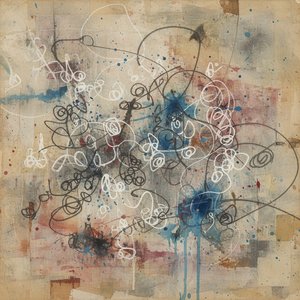
Cy Twombly: Scribbles of Emotion – Deconstructing Post-War Expressionism Through Calligraphy & Abstraction
Explore the captivating world of Cy Twombly with ArtsDot. Discover the emotional depth & artistic significance behind his abstract calligraphy. Expert insights for collectors.
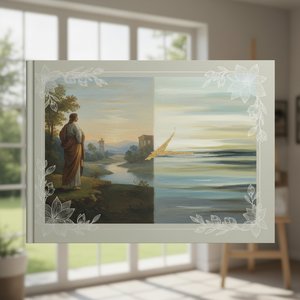
Serene Visions: Exploring Tranquility in Art History & Contemporary Practice
Explore the history of serene art & discover how landscape paintings evoke tranquility. From Shan Shui to Ukiyo-e, find artwork for a peaceful home at ArtsDot.

